
 Előnézet
 Megosztás
 Megosztás
 Részletek

 Letöltés
 Hasonló alkotások
 X-ray felvétel
 Diavetítés
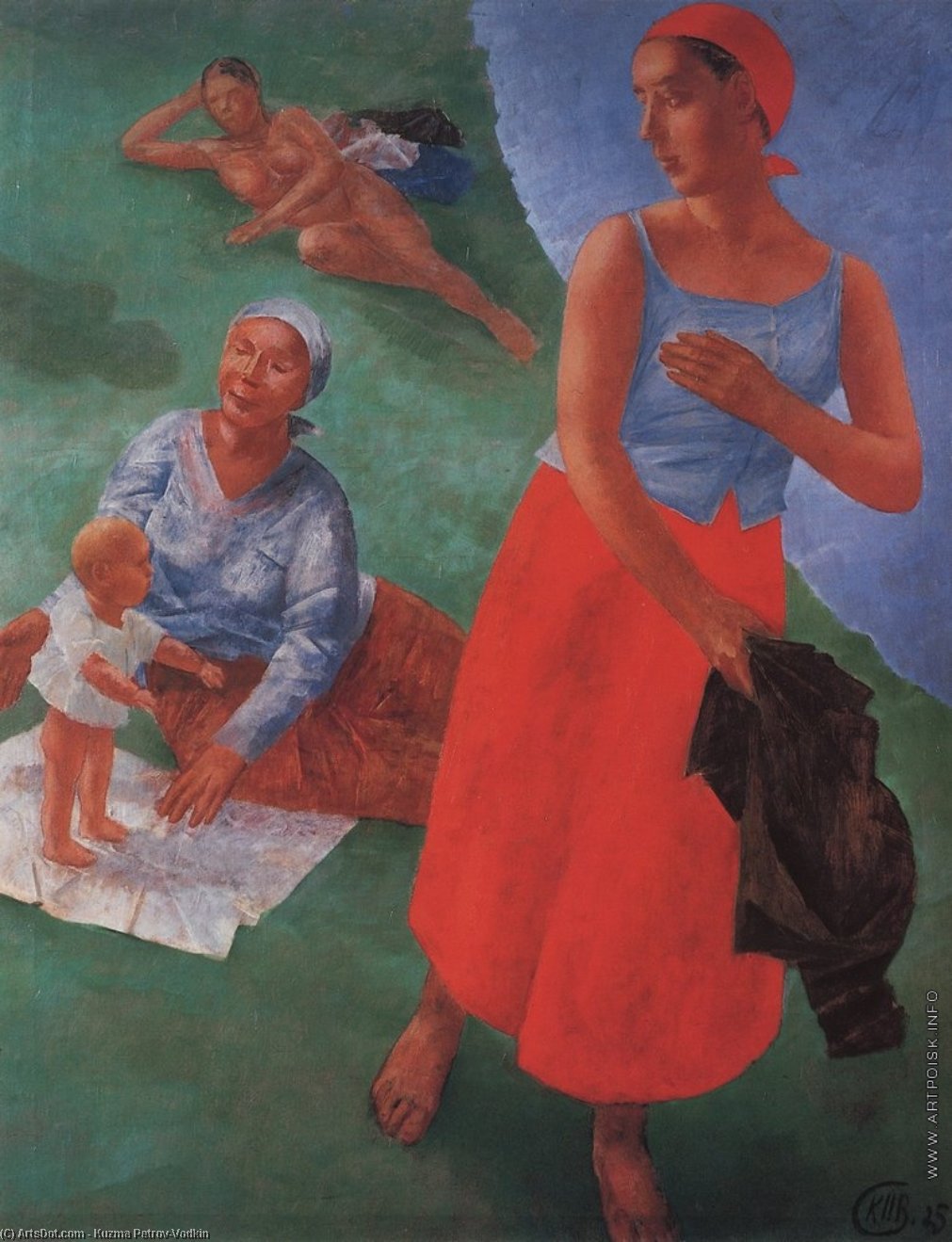
First Steps


 Tovább olvasom
Kézzel készített olajfestmény reprodukció
Kézzel festett olajvastú vászon, az Ön által választott méretben és keretben, művészeink készítik meglévőre. ( Nyomat vásárlása Kép vásárlása)




































Válasszon előre meghatározott méreteink közül, amelyek megfelelnek a műalkotás eredeti arányainak.

Ön megadhat saját méreteket egy adott kerethez vagy térhez igazításhoz. Ha a kiválasztott méret nem egyezik az eredeti kép arányával, akkor a műalkotást levágjuk, vagy további kézzel festett elemekkel meghosszabbítjuk a festményt. A gyártás megkezdése előtt küldünk Önnek egy digitális előnézetet jóváhagyásra.
Kérjük, vegye figyelembe, hogy a képernyőn megjelenő előnézet nem tükrözi a tényleges vágást vagy kiterjesztést. Csak az előnézet fog pontosan mutatni a végső kompozíciót.
Bár egyedi méretek állnak rendelkezésre, javasoljuk, hogy válasszon egy méretet az előre meghatározott listából az eredeti arányok megőrzése érdekében.
A rendelést követően a OriginalUniqueArt.com csapata e-mailt küld az ügyfélnek az instrukciókért, és biztosít egy előnézeti képet (mockup).
Világszerte elérhető szállítás () 3-4 hét alatt a szokásos 5 hét helyett. (13 augusztus). A minőség nem kérdőjelezhető.

Ingyenes globális expressz szállítás

Prémium minőségű len vászon

Teljes szállítási biztosítás

Vámvisszatérítési Garancia

Tökéletes színpontosság garancia

60 napos visszaküldési lehetőség (csak gyártási hibák esetén)

100%-os pénzvisszatérítési garancia

Kedvezmény több termény esetén
 Az üvegkeretes opció csak 110 cm alatti méretben érhető el

First Steps
Reprodukciós technika
A reprodukció mérete
-


Összesített ár
$ 300
A művész életrajza
A Visionary of Spherical Space: The Life and Art of Kuzma Petrov-Vodkin
Kuzma Sergeevich Petrov-Vodkin, a name resonating with the spirit of early 20th-century Russian art, was more than just a painter; he was a philosopher of form, a weaver of symbolism, and a chronicler of his nation’s turbulent soul. Born in 1878 in Khvalynsk, a small provincial town on the Volga River, Petrov-Vodkin's artistic journey began not within the hallowed halls of academies but amidst the vibrant, deeply spiritual world of Russian icon painting and local signmakers. These early influences instilled in him a reverence for line, color, and narrative—qualities that would define his unique aesthetic throughout his career. His formal training commenced at the Baron Stieglitz School in Saint Petersburg between 1895 and 1897, providing a foundation upon which he would build a style utterly his own. He wasn’t merely absorbing techniques; he was synthesizing tradition with an emerging modern sensibility, forging a path that diverged from prevailing artistic currents.The Birth of a Unique Style: Spherical Perspective and Symbolic Resonance
Petrov-Vodkin's most recognizable contribution to art history is undoubtedly his development of “spherical perspective.” Rejecting the conventional linear perspective favored by Renaissance masters, he embraced a more encompassing, almost cosmic view. This technique wasn’t simply an aesthetic choice; it was deeply rooted in his philosophical beliefs and spiritual inclinations. He sought to represent not just what the eye sees but how space *feels*, creating compositions that draw the viewer into a swirling vortex of emotion and meaning. The Dream, painted in 1910, became a focal point for debate within Russian artistic circles. Alexandre Benois championed its innovative approach, while Ilya Repin voiced criticism, yet it undeniably sparked conversation about the possibilities of modern painting. The work’s dreamlike quality, achieved through flattened planes and symbolic figures, exemplifies Petrov-Vodkin's ability to evoke profound psychological states. Bathing of a Red Horse, completed in 1912, cemented his reputation as a visionary artist. This iconic image—a group of peasant youths bathing a crimson horse against a backdrop of rolling hills—is often interpreted as a premonition of the social upheaval that would soon engulf Russia. The vibrant color and unusual composition are hallmarks of his style, signaling a departure from traditional realism towards a more symbolic and emotionally charged form of expression. It’s a scene brimming with both rustic simplicity and an underlying sense of impending transformation.Beyond Painting: Literary Pursuits and Reflections on Life
Petrov-Vodkin’s creative energies weren’t confined to the canvas. After contracting pulmonary tuberculosis in 1927, he turned increasingly to literature, embarking on a remarkable writing career that mirrored his artistic explorations. He produced three semi-autobiographical volumes—Khvalynsk, Euclid’s Space, and Samarkandia—which offered intimate glimpses into his childhood, philosophical musings, and artistic process. These writings, rediscovered and republished in the 1970s, were met with widespread acclaim, revealing a profound intellect and a poetic sensibility that complemented his visual art. His literary works are not merely memoirs; they are explorations of memory, perception, and the search for meaning in a rapidly changing world. They provide invaluable insight into the intellectual and spiritual foundations of his artistic vision. His later paintings, such as Death of a Commissar and In the Line of Fire, reflect a shift towards darker tones and more detailed compositions, perhaps mirroring the increasing political tensions of the era.Influences and Artistic Development
Petrov-Vodkin’s artistic development was shaped by a confluence of influences. His early exposure to Russian icon painting instilled in him a deep appreciation for line, color, and narrative—qualities that he would later incorporate into his own work. The signmakers of his hometown provided him with an understanding of visual communication and the power of symbolism. His formal training at the Baron Stieglitz School exposed him to Western artistic traditions, including Impressionism and Post-Impressionism. However, Petrov-Vodkin quickly transcended these influences, developing a unique style that was both deeply rooted in Russian tradition and strikingly original. He was profoundly affected by the works of Van Gogh, Gauguin, and Cezanne, particularly their use of color and expressive brushwork. His travels through Europe broadened his artistic horizons, exposing him to new cultures and perspectives. The influence of Symbolism is evident in many of his early works, characterized by dreamlike imagery and symbolic figures.Legacy and Historical Significance
Kuzma Petrov-Vodkin’s influence extends far beyond his own prolific output. He left an indelible mark on subsequent generations of Russian artists, inspiring them to explore new avenues of symbolism, perspective, and emotional expression. His unique approach to spherical space continues to fascinate art historians and practitioners alike. He was also influenced by the Post-Impressionist movement, a cultural reaction against Impressionism that emphasized subjectivity and often delved into occult themes—elements readily apparent in his work. Petrov-Vodkin’s paintings are held in esteemed collections such as the Kramskoy Museum of Fine Arts in Voronezh and the Krasnoyarsk Art Museum (Russia), ensuring his legacy remains accessible to audiences worldwide. Petrov-Vodkin passed away in Leningrad in 1939, but his artistic spirit endures—a testament to the power of a singular vision that dared to challenge conventions and explore the depths of human experience. His work serves as a poignant reminder of the enduring connection between art, spirituality, and the search for meaning in an ever-changing world.Museums Featuring Petrov-Vodkin’s Work
- Kramskoy Museum of Fine Arts (Voronezh, Russia)
- Krasnoyarsk Art Museum (Krasnoyarsk, Russia)

Petrov-Vodkin Kuzma
1878 - 1939 , Oroszország
Rövid tények
- Artistic Movement Or Style: Post-Impressionista
- Artists Or Movements Influenced By This Artist: ['Orosz festők']
- Date Of Birth: November 5, 1878
- Date Of Death: February 15, 1939
- Full Name: Kuzma Petrov-Vodkin
- Nationality: Orosz
- Notable Artworks:
- A Álom
- Vörös ló fürdése
- Place Of Birth: Khvalynsk, Oroszország

