

 Megtekintés
 Küldés
 Megosztás
 Részletek
 Útmutató

 Letöltés
 Hasonló darabok
 X-ray felvétel
 Diavetítés
 Statisztika
The Red Army parade
 Oil On Canvas
- WallArt
- Socialist Realism
 1923
1923- Modern
 89.0 x 111.0 cm
 Összes részlet megjelenítése
Az ezen az oldalon megjelenített műalkotások szerzői jogi védelem alatt állnak, ami azt jelenti, hogy törvényileg nem készíthetünk és nem adhatunk el belőlük pontos másolatokat. Ez a védelem olyan nemzetközi megállapodások alapján érvényesül, mint például a Berni Egyezmény és a nemzeti jogszabályok által, beleértve azokat is, amelyeket meghatározott Az USA szerzői jogi törvénye – 17. cím.
Mint tiszteletes és törvényes alternatívát, olyan egyedi, kézzel festett alkotásokat kínálunk, amelyek az eredetiből merítnek inspirációt. Tapasztalt és professzionális művészeink alaposan tanulmányozzák az eredeti stílusát, hangulatát és művészeti esszenciáját, hogy egy olyan új, egyedi alkotást hozzunk létre, amely ugyanazt az érzést kelti – miközben önálló, eredeti alkotásként létezik.
Ez a módszer teljes mértékben megfelel a szerzői jogi szabályozásnak, mivel nem tartalmazza a védett műalkotás másolását vagy duplikálását. Ehelyett ez egy kreatív újinterpretáció – egy új festmény, amely az eredetivel való összefüggései miatt hatással van rá, de nem az az.
Kézzel készített olajfestmény reprodukció
Kézzel festett olajvastú vászon, az Ön által választott méretben és keretben, művészeink készítik meglévőre. ( Váltás nyomtatványra Áttérés digitális képre)




P118B Ft10

P118H Ft10

P118W Ft10

P438Z Ft10

P508JH Ft12

P508YH Ft12

P805H Ft10

P805Z Ft10

P919BZ Ft10

P919G Ft10

P919XJ Ft10

P959ZH Ft10

P968JZ Ft12

W106C Ft8

W218G Ft10

W218JH Ft8

W218Y Ft10

W307PJ Ft10

W316G Ft10

W316PJ Ft8

W316Y Ft10

W398PJ Ft8

W4111J Ft10

W500HY Ft15

W500JH Ft15

W692G Ft12

W849H Ft8

W940BG Ft15

W953PJ Ft8




Válasszon előre meghatározott méreteink közül, amelyek megfelelnek a műalkotás eredeti arányainak.

Írja be a kívánt szélességet és magasságot, hogy illeszkedjen a keretéhez vagy a falához. Mivel ez kézzel festett alkotás, egy eltérő formájú méret esetén a művész akár festhet is valamivel többet a kép körül, vagy korolathat is belőle — az Ön döntésének megfelelően. A festés megkezdése előtt küldünk egy digitális tervezetet jóváhagyásra. Az oldalon látható kép nem tartalmazza a végeredményt — csak a tervezet mutatja meg a valódi eredményt.
A rendelést követően a OriginalUniqueArt.com csapata e-mailt küld az ügyfélnek az instrukciókért, és biztosít egy előnézeti képet (mockup).
Világszerte elérhető szállítás () 3-4 hét alatt a szokásos 5 hét helyett. (26 október). A minőség nem kérdőjelezhető.

Ingyenes globális expressz szállítás

Prémium minőségű len vászon

Teljes körű szállítási biztosítás

Vámvisszatérítési Garancia

Hiteles színarányosság garancia

100 napos visszaküldési lehetőség (csak hibás termékek esetén)

100% pénzvisszatérítési garancia

Több darab vásárlásakor kedvezmény
 Az üvegkeretes opció csak 110 cm alatti méretben érhető el

The Red Army parade
Reprodukciós technika
Reprodukció mérete
-


Összesített ár
Ft 136431
The Red Army Parade: A Symbol of Soviet Triumph
Konstantin Yuon's "The Red Army Parade" is a powerful example of Socialist Realism, capturing the spirit of national pride and unity in post-war Soviet Russia. Created in 1923, this oil on canvas painting (89 x 111 cm) depicts a scene of immense scale and order as soldiers march through Moscow. It's more than just a depiction of an event; it’s a visual embodiment of the ideals of the new Soviet state.
Artist and Style: Konstantin Yuon and Socialist Realism
Konstantin Yuon (1875-1958) was a significant figure in Russian art, known for his evolution from Impressionist landscapes to embracing the tenets of Socialist Realism. He co-founded both the Union of Russian Artists and the Association of Artists of Revolutionary Russia, demonstrating his commitment to artistic innovation and social engagement. Socialist Realism itself emerged as the dominant style in Soviet art during the 1920s and 30s. It aimed to depict socialist life in a positive light, emphasizing collective effort, heroism, and optimism. Yuon's use of bold colors, dramatic lighting, and monumental compositions perfectly aligns with this aesthetic.
Composition and Symbolism: A Visual Narrative
The painting’s composition is meticulously structured to convey a sense of grandeur and order. A large crowd lines the streets, their faces reflecting a mixture of awe and pride as they witness the parade. The marching soldiers form rigid columns, creating a powerful visual rhythm that emphasizes discipline and strength. An airplane flying overhead adds a dynamic element, symbolizing technological progress and the reach of Soviet power. Buildings like St. Basil's Cathedral are subtly visible in the background, grounding the scene in Moscow’s historical context while simultaneously showcasing the new Soviet order. The red banners carried by the soldiers symbolize revolution and victory. The sheer scale of the parade – the vast number of participants and spectators – underscores the collective nature of Soviet society.
Historical Context and Emotional Impact
"The Red Army Parade" was created in a period of significant social and political change in Russia, following the Bolshevik Revolution and the Russian Civil War. It served as propaganda, reinforcing the legitimacy of the new regime and celebrating its achievements. The painting evokes feelings of national pride, unity, and optimism. While it reflects a specific historical moment and ideological perspective, its artistic merit lies in Yuon’s ability to capture the energy and emotion of a large-scale public event. The work provides a window into the cultural landscape of early Soviet Russia, offering insights into the values and aspirations of that era.
Kérdések és válaszok
Milyen más neveken ismert Yuon Konstantin?
A „The Red Army parade” alkotójáról, Yuon Konstantin nevű művészről ismert egyéb nevek között szerepel Juon Konstantin, KF Juon, Konstantin F. Yuon, Juon.
Hol és milyen célra ajánlott a "The Red Army parade"?
A „The Red Army parade”, Yuon Konstantin alkotása ajánlott Statement célokra, lehetőleg egy Living Room helyiségbe. A felhasználás módja és a tér kialakítása együtt segít eldönteni, hogy melyik reprodukció illik bele.
Ki készítette a(t) "The Red Army parade"-t, és mikor?
Yuon Konstantin a "The Red Army parade" című művet 1923-ben készítette.
A művész életrajza
Early Life and Artistic Foundations
Konstantin Fyodorovich Yuon, a name synonymous with the vibrant heart of Russian art, was born in Moscow on October 24, 1875. His lineage intertwined threads of Swiss-Russian heritage, a unique blend that subtly shaped his artistic perspective. His brother, Paul Juon, would later become a celebrated composer, suggesting an early exposure to creative currents within the family – a fertile ground for Konstantin’s own burgeoning talents. From a remarkably young age, Konstantin demonstrated a keen sensitivity to visual expression; his mother, recognizing this innate gift, nurtured it through dedicated artistic pursuits within their home. This formative environment laid the crucial groundwork for his formal education at the Moscow School of Painting, Sculpture and Architecture from 1892 to 1898. It was here, under the tutelage of distinguished masters such as Konstantin Savitsky and Konstantin Korovin, that he truly began to hone his craft, absorbing their techniques and philosophical approaches – a process that would profoundly influence the trajectory of his early work. These formative years weren’t confined solely to Moscow; Yuon embarked on extensive travels throughout Europe, particularly immersing himself in the burgeoning Impressionist movement in Paris. While undeniably captivated by artists like Camille Pissarro, he didn't simply mimic their style; instead, he skillfully synthesized these influences with a distinctly Russian sensibility, forging a unique artistic voice that resonated with both European innovation and national identity.From Symbolism to Socialist Realism
Yuon’s early artistic output is characterized by an evocative interplay of Impressionistic landscapes imbued with the subtle, haunting qualities of Symbolism. Paintings such as *To the Trinity* (1903) and *Tverskoy Boulevard* (1909) exemplify this period, capturing fleeting moments of light and atmosphere – not merely depicting scenes but conveying deeper emotional resonances. He wasn’t content to remain solely within the confines of Impressionism; Yuon began experimenting with lyrical landscapes that incorporated elements drawn from traditional Russian art forms—the delicate precision reminiscent of Palekh miniature painting and the spiritual depth echoing the iconography of ancient icons. This masterful fusion created a visual language entirely his own, deeply rooted in Russian national identity yet simultaneously open to embracing innovation and experimentation. However, the tumultuous political landscape of the early 20th century dramatically altered the course of Yuon’s artistic journey. As the Soviet era dawned, he found himself navigating the shifting demands of a new ideological framework. His style gradually evolved, reflecting this change—a deliberate shift towards a more academic approach that aligned with the tenets of Socialist Realism – a style prioritizing accessibility and serving as a powerful tool for disseminating revolutionary ideals. This transformation is powerfully illustrated in his monumental work *Parade on the Red Square on November 7, 1941*, a stirring patriotic depiction of Soviet strength during wartime—a testament to his ability to adapt while retaining his artistic integrity.Key Influences and Artistic Techniques
Yuon’s artistic development was profoundly shaped by a diverse range of influences. The teachings of Konstantin Savitsky and Konstantin Korovin at the Moscow School of Painting instilled in him a rigorous understanding of technique and composition, while his time spent in Paris exposed him to the revolutionary ideas of Impressionism. He particularly admired Camille Pissarro’s ability to capture fleeting moments of light and atmosphere, incorporating this skill into his own landscapes. Beyond these Western influences, Yuon drew inspiration from traditional Russian art forms—the intricate detail of Palekh miniature painting and the spiritual depth of icon artistry—weaving these elements into his own unique style. His brushwork was characterized by a remarkable sensitivity to color and light, often employing broken colors and subtle gradations to create a sense of atmosphere and movement. He possessed an exceptional ability to capture the essence of Russian landscapes – from the rolling hills of the countryside to the majestic beauty of the Ural Mountains—transforming them into evocative works of art that resonated with both local pride and universal appeal.Major Achievements and Institutional Roles
Konstantin Yuon’s contributions extended far beyond his artistic creations; he was a significant figure in the organization and administration of the Russian art world. He co-founded both the Union of Russian Artists and, later, the Association of Artists of Revolutionary Russia – actively shaping the direction of artistic expression during periods of profound social change. His administrative talents were further recognized through his leadership roles: he served as director of the Research Institute of the Academy of Arts (1948–1950) and, culminating in a distinguished career, became the First Secretary of the Union of Soviet Artists (1956–1958). These positions afforded him considerable influence over artistic policy and education, allowing him to champion his vision for Russian art. His dedication was acknowledged with prestigious accolades, including the Stalin Prize in 1943 and the Order of Lenin – solidifying his status as a national treasure.Legacy and Enduring Influence
Konstantin Yuon’s legacy is complex and profoundly significant—a testament to an artist who navigated turbulent times while remaining steadfastly committed to his craft. He stands as a pivotal figure in Russian art history, bridging the gap between the aesthetic sensibilities of the late 19th century and the ideological demands of the Soviet era. His early Symbolist landscapes possess a haunting beauty that continues to captivate viewers, while his later Socialist Realist works offer valuable insights into the artistic strategies employed by the Soviet regime. Today, Yuon’s paintings are held in prominent museum collections across Russia, including the Tretyakov Gallery and the Taganrog Art Museum—ensuring their accessibility for generations to come. His work remains a subject of study and celebration, a lasting tribute to a remarkable artist who indelibly shaped the cultural landscape of Russia.- Notable Works: New Planet, Bean Vine, Parade on the Red Square on November 7, 1941.
- Key Influences: Konstantin Savitsky, Konstantin Korovin, Valentin Serov, Camille Pissarro.
- Artistic Movements: Impressionism, Symbolism, Socialist Realism.

Yuon Konstantin
1875 - 1958 , Oroszország
Rövid információk
- Artistic Movement Or Style: Impressionista, Szimbolista, Szocialista
- Artists Or Movements Influenced By This Artist: ['Szimbolista']
- Artists Who Influenced This Artist:
- Savicseny Korovin
- Valentin Serov
- Camille Pissarro
- Date Of Birth: 1875. 10. 24.
- Date Of Death: 1958. 04. 11.
- Full Name: Konstantin Fyodorovich Yuon
- Nationality: Orosz
- Notable Artworks:
- Új bolygó
- Babérfa
- Vörös tér felvonulása
- Place Of Birth: Moszkva, Oroszország
Kapcsolódó cikkek

Romantic Realism's Finest: 10 Masterpieces for Your Home | OriginalUniqueArt
Explore 10 defining masterpieces of Romantic Realism! Discover Courbet, Millet & Daumier's powerful paintings—capturing emotion and social realities. Find museum-quality reproductions for your home at OriginalUniqueArt.com.
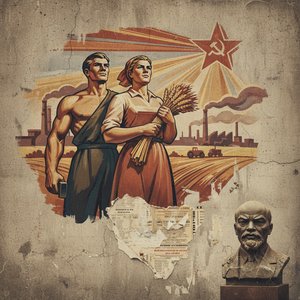
Socialist Realism: Ideology, Aesthetics & Enduring Legacy of Soviet Art
Explore the fascinating world of Socialist Realism! Discover its historical context, key artists like Deyneka & Brodsky, defining aesthetics, and lasting impact on Soviet culture. A comprehensive guide for art lovers.
Realism in Art: A Professional Guide to Authentic Detail and Lifelike Masterpieces for Large-Scale Interior Projects
Master the use of Realism in professional interiors. This expert guide explores 19th-century masterpieces, offering procurement managers and designers technical insights into selecting authentic, hand-painted oil reproductions for high-end hotel and corporate projects.

Crimson Threads of Narrative: Exploring Symbolism & Representation in Artworks Featuring the Red Dress
Explore the rich symbolism of the red dress in art history! From ancient power displays to iconic portraits like Cézanne’s 'Madame Cezanne', discover the cultural and artistic significance behind this captivating color. Expert analysis & insights.
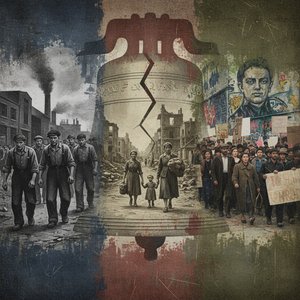
Echoes of Society: Exploring Social Realism's Enduring Legacy in Art
Explore the powerful world of Social Realism art! Discover key artists, masterpieces & its profound social commentary. Expert insights into this influential movement's history and enduring legacy.