
 Megtekintés
 Küldés
 Megosztás
 Részletek
 Útmutató

 Letöltés
 Hasonló darabok
 X-ray felvétel
 Diavetítés
 Kérdések és válaszok
 Statisztika
Judith and Holofernes

- 49.0 x 37.0 cm


 Összes részlet megjelenítése
Giclée / Műnyomat
Múzeumi minőségű giclée vagy vászonnyomat, gyors gyártással és rugalmas finomítási lehetőségekkel. ( Kézzel festett másolat rendelése Áttérés digitális képre)




P118B Ft10

P118H Ft10

P118W Ft10

P438Z Ft10

P508JH Ft12

P508YH Ft12

P805H Ft10

P805Z Ft10

P919BZ Ft10

P919G Ft10

P919XJ Ft10

P959ZH Ft10

P968JZ Ft12

W106C Ft8

W218G Ft10

W218JH Ft8

W218Y Ft10

W307PJ Ft10

W316G Ft10

W316PJ Ft8

W316Y Ft10

W398PJ Ft8

W4111J Ft10

W500HY Ft15

W500JH Ft15

W692G Ft12

W849H Ft8

W940BG Ft15

W953PJ Ft8




Válasszon előre meghatározott méreteink közül, amelyek megfelelnek a műalkotás eredeti arányainak.

Írja be a keretének vagy a falának megfelelő szélességet és magasságot. A nyomatot csak le lehet vágni, soha nem tehető nagyobbá, mint az eredeti kép, így egy eltérő alakú méretnél a kép egy része elveszik. Mielőtt bármit kinyatintanánk, küldünk egy digitális próbamodellt jóváhagyásra. Az oldalon látható kép nem tartalmazza a valós levágást — ezt csak a próbamodell mutatja meg.
Világszerte történő kiszállítás területére mindössze 2 hét alatt, a szokásos 4-5 hét helyett. (6 november)

Ingyenes globális expressz szállítás

Prémium minőségű len vászon

Teljes körű szállítási biztosítás

Vámvisszatérítési Garancia

Hiteles színarányosság garancia

100 napos visszaküldési lehetőség (csak hibás termékek esetén)

100% pénzvisszatérítési garancia

Több darab vásárlásakor kedvezmény
 Az üvegkeretes opció csak 110 cm alatti méretben érhető el

Judith and Holofernes
Giclée / Műnyomat
Reprodukció mérete
-


Összesített ár
Ft 26460
A Vision of Decadence: Moser’s Judith and Holofernes
In the twilight of the early twentieth century, the boundaries between fine art and decorative elegance began to dissolve, giving rise to a movement that celebrated the ornamental as much as the profound. Koloman Moser, a titan of the Vienna Secession, captured this transformative era in his 1916 masterpiece, Judith and Holofernes. This work is not merely a depiction of a biblical narrative; it is a sensory experience that invites the viewer into a world of draped shadows and gilded intensity. The painting presents a striking composition where the human form meets the rhythmic, flowing lines characteristic of the Art Nouveau style, creating a scene that feels both ancient in its mythic weight and strikingly modern in its graphic execution.
The subject matter draws from the dramatic tension of the biblical tale, yet Moser strips away the traditional gore often associated with this story to focus on an intimate, almost theatrical atmosphere. We see a woman poised with a quiet, commanding presence, her form partially veiled by heavy, sweeping curtains that frame the scene like a stage production. The interplay between the figures—one partially obscured, the other seemingly caught in a moment of profound vulnerability—creates a psychological depth that transcends simple storytelling. Through the use of bold reds and warm yellows, Moser bathes the canvas in a glow that feels both inviting and ominous, pulling the observer into the heat of the unfolding drama.
The Mastery of Line and Color
Technically, Judith and Holofernes serves as a testament to Moser’s unparalleled ability to blend graphic precision with painterly warmth. As a founding member of the Wiener Werkstätte, Moser possessed a unique gift for seeing the world through patterns and silhouettes. In this piece, his mastery is evident in the way the fabric folds interact with the light, creating a rhythmic movement that guides the eye across the canvas. The composition is anchored by strong, decisive shapes, yet softened by the delicate, organic flourishes of the Art Nouveau aesthetic. This balance makes the artwork particularly captivating for collectors who appreciate pieces that possess both structural strength and decorative grace.
The color palette is a deliberate choice in emotional manipulation. The dominance of crimson and amber tones evokes a sense of passion, danger, and luxury. For an interior designer, this painting offers a sophisticated focal point; its warm hues can anchor a room with a sense of historical grandeur, while its intricate details provide a layer of complexity that rewards close inspection. Whether placed in a contemporary gallery setting or a classic, richly appointed study, the work radiates a timeless energy that bridges the gap between the classical past and the avant-garde future.
An Eternal Legacy for the Discerning Collector
Owning a reproduction of such a significant piece is an opportunity to bring the spirit of the Vienna Secession into a modern living space. Moser’s work represents a pivotal moment in art history when design became an integrated part of life itself. This painting, with its evocative symbolism and masterful use of light, serves as more than just decoration; it is a conversation piece that speaks to themes of power, destiny, and the beauty found within tension. For those seeking to curate a collection that reflects depth, historical significance, and an appreciation for the exquisite, Moser’s Judith and Holofernes stands as an enduring icon of artistic brilliance.
Kérdések és válaszok
Milyen színpaletta jellemzi a(z) „Judith and Holofernes”, Koloman Moser alkotása alkotást?
A „Judith and Holofernes”, Koloman Moser alkotása egy Dark színpalettát használ, amely összefoglalja a mű egészében megnyilvánuló színes karakterét.
Ki a "Judith and Holofernes" mögött álló művész?
A „Judith and Holofernes” műtémét Koloman Moser alkotójának tulajdonítják.
Mennyire intenzívek a „Judith and Holofernes”, Koloman Moser alkotása színei?
A „Judith and Holofernes”, Koloman Moser alkotása Vivid szín intenzitással rendelkezik.
A művész életrajza
Korai Élet és Oktatás
Koloman Moser, születése 1868. március 30-án, Bécsben, Osztrák Csapatállam területén (ma Horvátország része), a bécsi művészeti élet egyik kulcsembere volt, elsősorban a grafikai művészetek terén, és a Bécsi Secession mozgalom alapító tagja. Művészi útja formális tanulmányokkal kezdődött a Wiener Akademie-n és a Kunstgewerbeschule-n, ahol később 1899-től tanár lett is. Ez az egyetemi háttér kulcsszerűen befolyásolta sokoldalú karrierjét különböző műfajokban. Mosernak a családi háttere formálta korai kiismeretét az iparosok és művészek világában, ami finom szemléletet és esztétikai érzéket fejlesztett ki, melyek meghatározták művészeti stílusát.Művészi Eredmények: Sokszínű Karrier
Mosernak a grafikai művészetek terén jelentős hatása volt. Postázó bélyegeket, magazin vignette-eket és egyéb nyomtatott anyagokat tervezett egyedülálló geometriai mintázatokkal és stílusos képeivel. Képei jellegzetességei a tisztasága, eleganciája és innovatív betűtípusa volt. A ruházkodásban, a fafaragásban, a kerámiában, a üveggyártásban, a tányérok készítésében, az aranyozásban és az ékszerek tervezésében is kiemelkedett. Ez bizonyítja elkötelezettségét annak, hogy művészetet integráljon az élet minden napjába. Az építészeti tervei, különösen a Steinhof templom apátlukatja és ablakai Bécsben (1904), megmutatták képességének az művészi látás és a funkcionális tervezés ötvözetében. Ezek a művek mesterművek az Art Nouveau építészetében. A Wiener Werkstätte alapításában kulcsszerűen részt vett, Josef Hoffmann társaságában. Ez a kollaboratív workshop célul tűzte ki, hogy esztétikus háztartási tárgyakat hozzon létre művészek és kézművesek együttes erővel. A Wiener Werkstätte a “Gesamtkunstwerk” – teljes művészeti alkotás – filozófiáját hirdette, ahol minden aspektus az objektum designjától a termeléséig gondosan megfontolásra került. Mosernak a részvételében a Wiener Werkstätte megerősítette elkötelezettségét a funkcionális szépség iránt és emelte ki a kézműves művészet státuszát.Helyszínek és Hatások
Moser művészi fejlődése számos kulcsfontosságú mozgalom hatására zajlott, beleértve az Art Nouveau-t, a szimbolizmust és a Bécsi Secessionet is. A japán ukiyó-e inspirálta, ami befolyásolta a lapos színek használatát és a egyszerűbb formákat. Stílusa idővel egyre absztraktabbá és geometriaiabbá vált, miközben megőrizte eleganciáját és kifinomultságát. Mosernak öröksége megerősítve van a tervei felvételével az osztrák 100 eurós Steinhof Templom emlécműbe (2005), amely elismerte tartós befolyásait művészetben és designban. 1918-ban halt meg Bécsben, hátrahagyva jelentős művészi anyagot, ami továbbra is inspirálja művészeket és tervezőket ma is. A hozzájárulása formálta a modern művészet és design útját, hangsúlyozva a szépség integrálásának fontosságát az élelhető tárgyakba és terekbe.A Wiener Werkstätte és Kollaboratív Szellem
1903-ban Moser és kollégája, Josef Hoffmann alapították a Wiener Werkstätte (Bécs Workshopot). Ez a kollaboratív workshop célul tűzte ki, hogy esztétikus háztartási tárgyakat hozzon létre művészek és kézművesek együttes erővel. A Wiener Werkstätte a “Gesamtkunstwerk” – teljes művészeti alkotás – filozófiáját hirdette, ahol minden aspektus az objektum designjától a termeléséig gondosan megfontolásra került. Mosernak a részvételében a Wiener Werkstätte megerősítette elkötelezettségét a funkcionális szépség iránt és emelte ki a kézműves művészet státuszát.A Legyen tovább
Moser 1907-ben, hosszú évek kollaboráció után távozott a Werkstättenből, amiért eltérő vélemények miatt. Ezt követően visszatért a festészethez. Első tervei az impresszionista vonásokra utalnak, későbbi éveiben pedig Ferdinand Hodler svájci festő hatása volt a stílusára.
Koloman Moser
1868 - 1918 , Horvátország
Rövid információk
- Artistic Movement Or Style: Wiener Seczesion
- Artists Or Movements Influenced By This Artist:
- Wiener Werkstätte
- Art Nouveau
- Artists Who Influenced This Artist:
- Josef Hoffmann
- Gustav Klimt
- Date Of Birth: 1868. március 30.
- Date Of Death: 1918. október 18.
- Full Name: Koloman Moser
- Nationality: Osztrák
- Notable Artworks:
- Steinhof templom
- A táncos nők
- Három lapuló nő
- A kígyó király
- A három bátya
- A szépség
- A fény
- Place Of Birth: Vajdahunyad, Bécs
Kapcsolódó cikkek

Gustav Klimt 25 Mesterműve: A Szecesszió Aranykora – Vászonképek és Dekorációk
Fedezze fel Gustav Klimt 25 legpazarabb művészeti alkotását! A szecesszió aranykora, ikonikus portrék és szerelmesek története. Vászonképek, reprodukciók és inspiráció otthonába – OriginalUniqueArt.com.
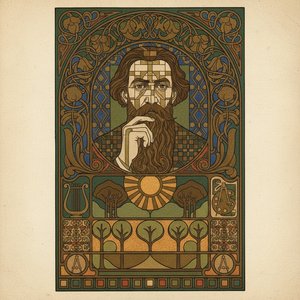
Koloman Moser: A Synthesis of Art Nouveau, Secessionism & the Gesamtkunstwerk Ideal
Explore the life & work of Koloman Moser, a pivotal figure in the Vienna Secession & Wiener Werkstätte. Discover his stunning graphic design, architecture, and applied arts – a true pioneer of Viennese Art Nouveau. Learn more at OriginalUniqueArt.

Crimson Threads of Narrative: Exploring Symbolism & Representation in Artworks Featuring the Red Dress
Explore the rich symbolism of the red dress in art history! From ancient power displays to iconic portraits like Cézanne’s 'Madame Cezanne', discover the cultural and artistic significance behind this captivating color. Expert analysis & insights.
Art Nouveau Mesterek: A 10 Legikonikusabb Műalkotás, Amelyek Meghatározták a Stílust
Fedezze fel a 10 legikonikusabb Art Nouveau műalkotást! Ismerje meg Alphonse Mucha, Gustav Klimt és más mesterek történetét. Szecessziós festmények, plakátok és dekorációk – inspirálódjon otthona számára a OriginalUniqueArt.com-on!

The Vienna Secession: A Rebellion of Form & Spirit in Fin-de-Siècle Art
Discover the revolutionary Vienna Secession art movement! Explore Klimt, Olbrich & more. Learn about its history, characteristics & lasting influence on modern art. High-quality reproductions available.
