

 Előnézet
 Megosztás
 Megosztás
 Részletek
 Útmutató

 Letöltés
 Hasonló darabok
 X-ray felvétel
 Diavetítés
 Statisztika
Untitled (Skull)
 Acrylic On Canvas
- WallArt
- Pop Art
 44.0 x 60.0 cm
 Modern Art Oxford
 Tovább olvasom
Az ezen az oldalon megjelenített műalkotások szerzői jogi védelem alatt állnak, ami azt jelenti, hogy törvényileg nem készíthetünk és nem adhatunk el belőlük pontos másolatokat. Ez a védelem olyan nemzetközi megállapodások alapján érvényesül, mint például a Berni Egyezmény és a nemzeti törvények által, beleértve azokat is, amelyeket meghatározott Az USA szerzői jogi törvénye – 17. cím.
Ez a módszer teljes mértékben megfelel a szerzői jogi szabályozásnak, mivel nem tartalmazza a védett műalkotás másolását vagy duplikálását. Ehelyett ez egy kreatív újinterpretáció – egy új festmény, amely az eredetivel való összefüggései miatt hatással van rá, de nem az az.
Giclée / Műnyomat
Múzeumi minőségű giclée vagy vászonnyomat, gyors gyártással és rugalmas finomítási lehetőségekkel. ( Kézzel festett másolat vásárlása Áttérés digitális képre)




P118B Ft10

P118H Ft10

P118W Ft10

P438Z Ft10

P508JH Ft12

P508YH Ft12

P805H Ft10

P805Z Ft10

P919BZ Ft10

P919G Ft10

P919XJ Ft10

P959ZH Ft10

P968JZ Ft12

W106C Ft8

W218G Ft10

W218JH Ft8

W218Y Ft10

W307PJ Ft10

W316G Ft10

W316PJ Ft8

W316Y Ft10

W398PJ Ft8

W4111J Ft10

W500HY Ft15

W500JH Ft15

W692G Ft12

W849H Ft8

W940BG Ft15

W953PJ Ft8




Válasszon előre meghatározott méreteink közül, amelyek megfelelnek a műalkotás eredeti arányainak.

Írja be a keretének vagy a falának megfelelő szélességet és magasságot. A nyomatot csak le lehet vágni, soha nem tehető nagyobbá, mint az eredeti kép, így egy eltérő alakú méretnél a kép egy része elveszik. Mielőtt bármit kinyatintanánk, küldünk egy digitális próbamodellt jóváhagyásra. Az oldalon látható kép nem tartalmazza a valós levágást — ezt csak a próbamodell mutatja meg.
Világszerte történő kiszállítás területére mindössze 2 hét alatt, a szokásos 4-5 hét helyett. (24 október)

Ingyenes globális expressz szállítás

Prémium minőségű len vászon

Teljes körű szállítási biztosítás

Vámvisszatérítési Garancia

Tökéletes színarányosság garancia

100 napos visszaküldési garancia (csak gyártási hibás termékek esetén)

100% pénzvisszatérítési garancia

Több darab vásárlásakor kedvezmény
 Az üvegkeretes opció csak 110 cm alatti méretben érhető el

Untitled (Skull)
Giclée / Műnyomat
Reprodukció méretei
-


Összesített ár
Ft 25605
Kiki Kogelnik’s “Untitled (Skull)” – A Surreal Echo of Existential Angst
The artwork presents a chaotic yet intriguing composition dominated by circular shapes and bold colors. It’s an abstract painting with elements of surrealism and Pop Art, featuring a blue hand reaching towards the viewer, interspersed with various circles and a pink skull. The background is layered with drips and splatters of paint, adding to the sense of movement and energy. The composition feels unbalanced, creating a dynamic tension. There's a clear layering effect, with elements seemingly overlapping and interacting. The use of contrasting colors – blues against reds and pinks – creates visual interest. The hand adds an element of human presence within this otherwise abstract scene. The overall style leans towards expressive abstraction, prioritizing color and form over realistic representation. This painting utilizes a loose brushstroke technique, with visible texture throughout. The perspective is flattened, lacking traditional depth cues. Shapes are simplified and stylized, contributing to the artwork’s playful yet slightly unsettling atmosphere. The subject matter is open to interpretation, potentially exploring themes of connection, isolation, or perhaps a commentary on consumerism through the repeated circular motifs.- Artist: Kiki Kogelnik
- Born Year: 1935
- Death Year: 1997
- Birth City: Blagoveshchensk
- Birth Country: Austria
Kiki Kogelnik’s artistic journey began in Vienna, where she honed her skills at the Academy of Fine Arts. Influenced by artists like Serge Poliakoff and embracing the burgeoning Pop Art movement, Kogelnik swiftly established her own distinctive voice—one that interrogated identity and explored the anxieties inherent in a technologically driven world.
The painting’s central motif – the skull – immediately confronts viewers with mortality, yet it's rendered in vibrant hues and dynamic brushstrokes. This juxtaposition speaks to Kogelnik’s fascination with reconciling the stark realities of existence with the optimism of modern art. The circular shapes reinforce this tension, symbolizing both containment and infinite possibility—a visual representation of the existential questions that permeate her oeuvre.
The artist's technique is characterized by a deliberate disregard for conventional realism. Instead, Kogelnik prioritizes color and form, employing drips and splatters to convey an impulsive energy and creating a textured surface that invites tactile engagement. This expressive approach aligns with the broader artistic trends of her time—a rejection of academic conventions in favor of subjective experience.
“Untitled (Skull)” resonates deeply with viewers due to its unsettling beauty. It captures a moment of profound contemplation, prompting reflection on themes of loss, transformation, and the enduring human spirit. Its bold colors and dynamic composition serve as an invitation to delve into the complexities of consciousness—a testament to Kiki Kogelnik’s legacy as a pioneering figure in Austrian art.
Historical Context & Influences
- Movement: Surrealism, Pop Art
- Influenced By: Serge Poliakoff
- Era: Late 1960s – Early 1970s (Downtown New York Scene)
Kogelnik’s work emerged during a period of significant cultural upheaval—the rise of Pop Art challenged established artistic hierarchies and questioned the role of art in society. Simultaneously, she engaged with feminist discourse, exploring representations of women's bodies and confronting societal norms through her distinctive visual language.
Gyakran Ismételt Kérdések
Mely paletta és domináns szín határozza meg a "Untitled (Skull)" alkotást?
A „Untitled (Skull)”, Kiki Kogelnik alkotása színek identitása: egy Neutrals paletta, amelyet Espresso (#462d38) dominál.
Milyen színtelítettséggel rendelkezik „Untitled (Skull)”, Kiki Kogelnik alkotása?
A „Untitled (Skull)”, Kiki Kogelnik alkotása színei Muted telítettségűek. A telítettség azt mutatja meg, hogy a színek mennyire élénkek vagy fakók.
Melyik tér harmonizál a „Untitled (Skull)”, Kiki Kogelnik alkotása színeivel?
A Neutrals színei miatt a "Untitled (Skull)" mű egy Living Room számára javasolt.
A művész életrajza
Kiki Kogelnik: Life and Legacy
Early Life and Education
Kiki Kogelnik (1935–1997) was a pivotal Austrian painter, sculptor, and printmaker. Born in Blagoveshchensk, Austria, she received her artistic training at the Vienna Academy of Fine Arts. This foundational education provided her with the technical skills that would later be employed in her innovative and often provocative works.
Artistic Development and Influences
Kogelnik’s early career, beginning in 1961 at Galerie nächst St. Stephan in Vienna, was marked by abstract compositions. Initially, she drew inspiration from artists like Serge Poliakoff of the École de Paris. However, Kogelnik quickly developed her own distinct style, moving away from pure abstraction and embracing the emerging Pop Art aesthetic. While often categorized within Pop Art, she frequently expressed reservations about being solely defined by this movement.
Key Themes and Artistic Style
Throughout her career, Kogelnik explored a range of themes including technology, consumerism, and – particularly in the 1970s – the representation of women in media. Her work is characterized by vibrant colors, bold shapes, and a playful yet critical approach to societal norms. She frequently utilized materials like vinyl and plastic, reflecting her interest in modern industrial processes.
- Her “Women Works” directly addressed stereotypical portrayals of femininity.
- She often incorporated elements of science fiction and space exploration into her art.
- Kogelnik’s sculptures and hangings are known for their dynamic forms and tactile qualities.
Major Achievements and Recognition
Kogelnik achieved significant recognition during her lifetime, exhibiting widely in Europe and the United States. A large retrospective of her work was held at the Belvedere Museum in Vienna in 1997, shortly after her death. In 1998, she was posthumously awarded Austria’s highest decoration for services to the country – the Decoration of Honour for Services to the Republic of Austria – a testament to her lasting impact on Austrian art and culture.
Historical Significance
Kiki Kogelnik is considered one of Austria's most important Pop-related artists. Her work challenged conventional artistic boundaries and offered a unique perspective on the social and political landscape of the 20th century. She paved the way for future generations of female artists, particularly those interested in exploring feminist themes and challenging societal expectations. Her innovative use of materials and her willingness to experiment with different forms continue to inspire artists today.
Death and Legacy
Kiki Kogelnik passed away on February 1, 1997, in Vienna due to cancer. She is buried in Bleiburg, Austria. Her legacy continues through her artwork, which remains highly sought after by collectors and museums worldwide.
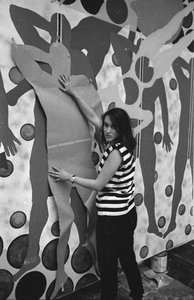
Kiki Kogelnik
1935 - 1997 , Austria
Gyors információk
- Name: Kiki Kogelnik
- Movement: Pop Art
- Birth Date: 1935
- Death Date: 1997
- Birth Place: Blagoveshchensk, Austria
- Nationality: Austrian
- Date Of Birth: 1935
- Date Of Death: 1997
- Influenced By: Serge Poliakoff
- Notable Works:
- Fly Me to the Moon
- Untitled (Skull)
- Place Of Birth: Blagoveshchensk, Austria
Kapcsolódó cikkek
A fényrózsaszín varázsa: 10 ikonikus festmény a művészettörténetből
Fedezze fel a 10 legikonikusabb festményt, melyeket a fényrózsaszín varázsa jellemez! Monet-tól Renoir-ig, ismerje meg a művészettörténet e gyönyörű árnyalatainak szerepét. Vászonképek és reprodukciók prémium minőségben – OriginalUniqueArt.com

Kandinsky Mesterművei: 25 Lenyűgöző Festmény a Modern Művészet Gyöngyszemeiből | OriginalUniqueArt
Fedezze fel Wassily Kandinsky 25 legikonikusabb művét! Merüljön el az absztrakt művészet világában, ismerje meg a színek és formák lenyűgöző történetét. Prémium minőségű reprodukciók és inspiráló dekorötletek a OriginalUniqueArt.com-on.

Absztrakt Expresszionizmus Mesterei: 10 alkotás, ami meghatározta a művészetet | OriginalUniqueArt.com
Fedezze fel a 10 legikonikusabb absztrakt expresszionista alkotást! Ismerje meg Jackson Pollock, Mark Rothko és más mesterek történetét. Művészeti reprodukciók prémium minőségben – OriginalUniqueArt.com.

Geometrikus Absztrakció Mesterei: 10 Alapvető Műalkotás a Lakberendezéshez
Fedezze fel a geometrikus absztrakció 10 legikonikusabb műalkotását! Kandinsky, Mondrian és más mesterek festményeinek története inspirálja otthona dekorációját. Múzeumi minőségű reprodukciók a OriginalUniqueArt.com-on – fedezze fel online!

A kék árnyalatai: 10 ikonikus festmény a Slate Blue szín jegyében | OriginalUniqueArt.com
Fedezze fel a 10 legikonikusabb festményt, melyeket a Slate Blue szín ural! Monet, Renoir és más mesterek művei inspirálnak. Vászonképek eladás, otthon dekoráció tippek a OriginalUniqueArt.com-on. Explore the full collection online!