

 Előnézet
 Megosztás
 Megosztás
 Részletek
 Útmutató

 Letöltés
 Hasonló darabok
 X-ray felvétel
 Diavetítés
 Statisztika
The Gardener


 Tovább olvasom
Kézzel készített olajfestmény reprodukció
Kézzel festett olajvastú vászon, az Ön által választott méretben és keretben, művészeink készítik meglévőre. ( Váltás nyomtatványra Áttérés digitális képre)




P118B $10

P118H $10

P118W $10

P438Z $10

P508JH $12

P508YH $12

P805H $10

P805Z $10

P919BZ $10

P919G $10

P919XJ $10

P959ZH $10

P968JZ $12

W106C $8

W218G $10

W218JH $8

W218Y $10

W307PJ $10

W316G $10

W316PJ $8

W316Y $10

W398PJ $8

W4111J $10

W500HY $15

W500JH $15

W692G $12

W849H $8

W940BG $15

W953PJ $8




Válasszon előre meghatározott méreteink közül, amelyek megfelelnek a műalkotás eredeti arányainak.

Ön megadhat saját méreteket egy adott kerethez vagy térhez igazításhoz. Ha a kiválasztott méret nem egyezik az eredeti kép arányával, akkor a műalkotást levágjuk, vagy további kézzel festett elemekkel meghosszabbítjuk a festményt. A gyártás megkezdése előtt küldünk Önnek egy digitális előnézetet jóváhagyásra.
Kérjük, vegye figyelembe, hogy a képernyőn megjelenő előnézet nem tükrözi a tényleges vágást vagy kiterjesztést. Csak az előnézet fog pontosan mutatni a végső kompozíciót.
Bár egyedi méretek állnak rendelkezésre, javasoljuk, hogy válasszon egy méretet az előre meghatározott listából az eredeti arányok megőrzése érdekében.
A rendelést követően a OriginalUniqueArt.com csapata e-mailt küld az ügyfélnek az instrukciókért, és biztosít egy előnézeti képet (mockup).
Világszerte elérhető szállítás () 3-4 hét alatt a szokásos 5 hét helyett. (21 szeptember). A minőség nem kérdőjelezhető.

Ingyenes globális expressz szállítás

Prémium minőségű len vászon

Teljes körű szállítási biztosítás

Vámvisszatérítési Garancia

Tökéletes színarányosság garancia

100 napos visszaküldési garancia (csak gyártási hibás termékek esetén)

100% pénzvisszatérítési garancia

Több darab vásárlásakor kedvezmény
 Az üvegkeretes opció csak 110 cm alatti méretben érhető el

The Gardener
Reprodukciós technika
Reprodukció méretei
-


Összesített ár
$ 300
The Gardener by Kazimir Malevich
Kazimir Severinovich Malevich (1879–1935) stands as a monumental figure in the history of modern art, recognized globally for his pioneering role in establishing Suprematism—a radical departure from representational painting that profoundly influenced subsequent artistic movements. Born in Kyiv Oblast, Ukraine, to Polish parents who had fled Poland’s failed January Uprising against Russian rule, Malevich's formative years instilled within him a deep appreciation for the visual traditions of rural Ukraine and its rich folk culture. This early exposure would subtly permeate his artistic vision, shaping his distinctive approach to abstraction and solidifying his legacy as one of the most influential artists of the 20th century. Formal training commenced in Kyiv, propelling Malevich towards Moscow where he immersed himself in the burgeoning avant-garde currents circulating throughout Europe. A pivotal journey to Paris in 1912 proved transformative, exposing him to the groundbreaking innovations spearheaded by Pablo Picasso and Georges Braque—the progenitors of Cubism—a movement that championed fragmented perspectives and multiple viewpoints. Recognizing the potential for artistic exploration beyond traditional conventions, Malevich embraced Cubist principles initially, diligently studying reproductions and analyzing the works amassed by discerning Russian collectors. However, he swiftly transcended stylistic constraints, forging his own path toward a more uncompromising vision of art.- Early Influences: The Ukrainian landscape and folk traditions provided an initial bedrock for Malevich’s artistic sensibilities.
- Parisian Exposure: Picasso and Braque's Cubism ignited Malevich’s imagination, prompting him to experiment with innovative compositional strategies.
- Formal Training: Studying at Kyiv Art Institute solidified Malevich’s grounding in traditional techniques while simultaneously fostering his intellectual curiosity about artistic theory.
- Collaboration: Working alongside Larionov and Goncharova fostered experimentation and broadened Malevich’s artistic horizons.
- Suprematism Theory: Malevich's writings championed pure geometric abstraction as a vehicle for conveying spiritual essence.
- Influence on Contemporaries: His work resonated with artists like August Macke and Morton Livingston Schamberg, inspiring them to explore similar stylistic approaches.
- Political Context: Stalin’s regime imposed limitations on artistic expression, prompting Malevich to adapt his style accordingly.
- Teaching Career: Holding positions at Kyiv Art Institute ensured Malevich's continued engagement with artistic pedagogy and intellectual discourse.
- Legacy: Malevich’s work continues to inspire artists globally, cementing his place as a pivotal figure in the history of modern art.
- “The Triumph of Heaven”: Demonstrates Suprematism’s focus on pure feeling and spiritual contemplation
- “Composition VIII”: Exemplifies Malevich’s skillful manipulation of spatial illusionism through geometric forms
- Picasso & Braque: Provided inspiration for Cubist techniques
- Futurism: Shared Malevich’s fascination with dynamism and speed
- Influence on Artists: Macke and Schamberg adopted geometric styles inspired by Malevich
A művész életrajza
Kazimir Malevich: Egy Szuprematista Úttörő
Kazimir Severinovich Malevich (1878-1935) egy ukrán szupermatizmus alapítója és a 20. századi művészet egyik legnagyobb úttörője volt. Élete és alkotásai mélyreható hatással vannak az európai művészek körében, és őt tekintik az absztrakt művészi kifejezés új irányításának szentévétől kezdve. Egy igazán egyedi és maradéktalan művészi világtájtú névvé vált.Korai Élete és Hatásai
- Malevich született Kyiv Oblastban, Ukrajnában 1878-ban egy lengyel családba kerülő gyermekként. Egy kisvárosi ukrán kultúra és hagyományok által befolyásolt életet élvezett, ami később jelentős mértékben kształlt meg művészi stílusát.
- Együttműködése először Nyugat-Európában kezdődött, ahol az európai művészet új irányításának szentévétől kezdve számos nagy művészt és művészeti mozgalmat ismert meg.
Művészi Fejlődés És Érdekelt Mozgalmak
- Kezdetben Malevich foglalkozott különböző művészi stílusokkal, többek között impresszionizmussal, szimbolizmussal és kubizmussal. Egy különösen jelentős időszakot töltött Párizsban, ahol kapcsolatba lépett az európai művészet legújabb fejlesztéseivel és új irányításával.
- Szükségében távozott a hagyományos képződésből és keresett egy teljesen új művészi nyelvet, amely geometriai alakokat és színeket használt fel.
Fontos Szerzeményei És Tudományos Érdemekei
- Black Square (1915): Az ő legnagyobb szerzeménye és egy igazán radikális lépés volt a hagyományos művészi kifejezés számára, melyet minden előző időszak után új távlatokat nyitott meg az absztrakt művészi világ előtt.
- White on White (1918): Egy szupermatizmus jellegzetes alkotása, amely a geometriai alakok és színek egyszerűségével és tisztaságával mutatja meg az új művészi irányítás igazságtalanságát és egyéni kreativitását.
Története És Öröksége
- Malevich munkája nagyban befolyásolta a 20. századi absztrakt művészet fejlődését, különösen a minimalizmus és a konstruktivizmus irányítását.
- Ő egy igazán egyedi és maradéktalan művészi világtájtú névvé vált és új utakat mutatott meg az európai művészek számára.
Utóélete És Halála
- Malevich nyugdíjazott pedagógusként és művészettörténészként folytatta pályáját, melyet végül 1935-ben Leningradban (ma Szentpétervár) halt meg.

Kazimir Malevich
1878 - 1935 , Ukrajna
Gyors információk
- Artistic Movement Or Style: Szuprematizmus, Ábrándozó művészet
- Artists Or Movements Influenced By This Artist:
- Minimalizmus
- Konstruktivizmus
- Artists Who Influenced This Artist:
- Kubbizmussal
- Impressionisták
- Date Of Birth: 1878. 23. Február
- Date Of Death: 1935. 15. Május
- Full Name: Kazimir Severinovich Malevics
- Nationality: Ukrán/Orosz
- Notable Artworks:
- Fekete Szöglet
- Fehérre Fehérre
- Épülő Háza
- Place Of Birth: Kijev, Ukrajna
Kapcsolódó cikkek
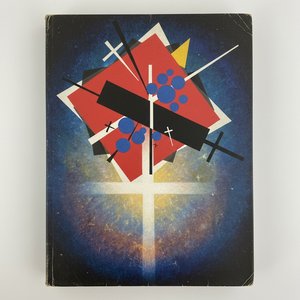
Beyond Representation: Exploring the Radical Geometry of Suprematism & Its Spiritual Foundations
Explore the revolutionary world of Suprematism with our expert guide. Discover Kazimir Malevich's groundbreaking art, its spiritual foundations & lasting influence on modern design. Learn about collecting this iconic movement.

Geometrikus Absztrakció Mesterei: 10 Alapvető Műalkotás a Lakberendezéshez
Fedezze fel a geometrikus absztrakció 10 legikonikusabb műalkotását! Kandinsky, Mondrian és más mesterek festményeinek története inspirálja otthona dekorációját. Múzeumi minőségű reprodukciók a OriginalUniqueArt.com-on – fedezze fel online!
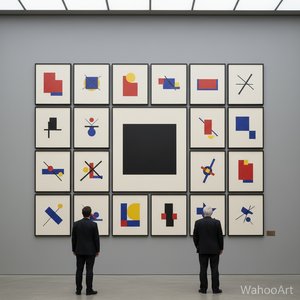
Kazimir Malevich 25 Mesterműve: Absztrakt Festészet és Lakberendezési Inspirációk
Fedezze fel Kazimir Malevich 25 legikonikusabb művészeti alkotását! Ismerje meg a szuprematizmus forradalmi világát, a Fekete Négyzet történetét és inspirálódjon modern lakberendezési ötletekkel. Múzeumi minőségű reprodukciók a OriginalUniqueArt.com-on!
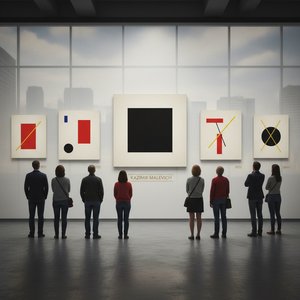
Kazimir Malevich: Pioneering Suprematism & the Quest for Non-Objective Art
Explore the revolutionary art of Kazimir Malevich & his groundbreaking Suprematism movement. Discover the origins, core principles, and lasting impact of this pivotal force in modern abstract painting.

Suprematism Explained: The Radical Geometry and Pure Feeling of Kazimir Malevich
Explore the radical world of Suprematism. Discover how Kazimir Malevich revolutionized modern art through pure geometric abstraction, non-objective form, and the supremacy of feeling. An essential guide for art students and collectors seeking deep historical context.


![Fekete kör}}]{](/media/artworks/images-thumb/23/28/2328aa27874e4807190f6c5ba29ca33c.jpg)

