

 Előnézet
 Megosztás
 Megosztás
 Részletek
 Útmutató

 Letöltés
 Hasonló darabok
 X-ray felvétel
 Diavetítés
 Statisztika
Self-Portrait
 Akrilfesték papíron
- Fauvism
 1910
1910- Modern kor
 27.0 x 26.0 cm
 Tovább olvasom
Giclée / Műnyomat
Múzeumi minőségű giclée vagy vászonnyomat, gyors gyártással és rugalmas finomítási lehetőségekkel. ( Kézzel festett másolat vásárlása Áttérés digitális képre)




P118B Ft10

P118H Ft10

P118W Ft10

P438Z Ft10

P508JH Ft12

P508YH Ft12

P805H Ft10

P805Z Ft10

P919BZ Ft10

P919G Ft10

P919XJ Ft10

P959ZH Ft10

P968JZ Ft12

W106C Ft8

W218G Ft10

W218JH Ft8

W218Y Ft10

W307PJ Ft10

W316G Ft10

W316PJ Ft8

W316Y Ft10

W398PJ Ft8

W4111J Ft10

W500HY Ft15

W500JH Ft15

W692G Ft12

W849H Ft8

W940BG Ft15

W953PJ Ft8




Válasszon előre meghatározott méreteink közül, amelyek megfelelnek a műalkotás eredeti arányainak.

Írja be a keretének vagy a falának megfelelő szélességet és magasságot. A nyomatot csak le lehet vágni, soha nem tehető nagyobbá, mint az eredeti kép, így egy eltérő alakú méretnél a kép egy része elveszik. Mielőtt bármit kinyatintanánk, küldünk egy digitális próbamodellt jóváhagyásra. Az oldalon látható kép nem tartalmazza a valós levágást — ezt csak a próbamodell mutatja meg.
Világszerte történő kiszállítás területére mindössze 2 hét alatt, a szokásos 4-5 hét helyett. (23 október)

Ingyenes globális expressz szállítás

Prémium minőségű len vászon

Teljes körű szállítási biztosítás

Vámvisszatérítési Garancia

Tökéletes színarányosság garancia

100 napos visszaküldési garancia (csak gyártási hibás termékek esetén)

100% pénzvisszatérítési garancia

Több darab vásárlásakor kedvezmény
 Az üvegkeretes opció csak 110 cm alatti méretben érhető el

Self-Portrait
Giclée / Műnyomat
Reprodukció méretei
-


Összesített ár
Ft 25718
A Bold Statement of Form and Feeling
Kazimir Malevich's 1910 “Self-Portrait” is not merely a depiction of an individual; it’s a declaration. Painted in gouache on paper, this work stands as a pivotal example of the Fauvist movement – a radical departure from the naturalistic traditions that had dominated Western art for centuries. More than just a portrait, it's a concentrated distillation of color and form, a visual embodiment of Malevich’s burgeoning exploration of pure feeling and abstraction. The painting immediately commands attention with its vibrant palette: a striking red tie dominates the composition, juxtaposed against a background that seems to dissolve into an energetic swirl of blues and greens. This isn’t a realistic rendering; it's an emotional landscape rendered in pigment.
The Fauvist Impulse
Born from a reaction against Impressionism’s focus on capturing fleeting moments of light, Fauvism embraced the deliberate distortion of color for expressive effect. Artists like Henri Matisse and André Derain used intense hues – often divorced from naturalistic representation – to evoke moods and sensations directly. Malevich's “Self-Portrait” perfectly embodies this principle. The bold red isn’t simply a description of his tie; it’s a conduit for energy, confidence, or perhaps even defiance. The artist deliberately avoids subtle gradations, opting instead for flat areas of color that vibrate with intensity. This technique creates a sense of immediacy and raw emotion, pulling the viewer directly into the painting's core.
A Study in Geometric Simplicity
While firmly rooted in Fauvism, Malevich’s work is already hinting at his later development of Suprematism – an even more radical movement that sought to eliminate all representational elements from art. Notice the simplification of form within the portrait itself; the face is rendered with broad strokes and minimal detail, prioritizing the overall composition over a precise likeness. The background, too, is reduced to dynamic shapes and colors, suggesting movement and energy rather than a specific location. This deliberate reduction reflects Malevich’s belief that art should transcend the limitations of the visible world and tap into a realm of pure feeling and spirituality – a concept central to Suprematism.
Context within Post-Impressionism
To understand “Self-Portrait,” it's crucial to situate it within the broader context of Post-Impressionism. This movement, spanning from roughly 1886 to 1905, represented a diverse range of artistic approaches that reacted against Impressionism’s emphasis on capturing light and color. Artists like Paul Cézanne, Vincent van Gogh, and Paul Gauguin explored subjective experience, emotional intensity, and symbolic meaning in their work. Malevich's Fauvist tendencies align with this broader trend toward greater expressiveness and experimentation within the Post-Impressionist landscape. His exploration of color and form paved the way for the revolutionary developments that would characterize 20th-century art.
A Legacy of Abstraction
“Self-Portrait” is more than just a beautiful painting; it’s a foundational work in the history of modern art. It represents a crucial step toward abstraction, demonstrating Malevich's willingness to challenge conventional artistic norms and explore new ways of representing reality – or, perhaps more accurately, representing inner experience. Reproductions of this powerful image continue to resonate with viewers today, offering a glimpse into the mind of a visionary artist who fundamentally altered the course of art history. Explore high-quality reproductions on OriginalUniqueArt.com for a stunning addition to your collection.
Gyakran Ismételt Kérdések
Mennyi volt Kazimir Malevich életkora, amikor a "Self-Portrait" készült?
Kazimir Malevich 32 éves korában festette a „Self-Portrait” című művét. A művész 1878 született, a alkotás dátuma pedig 1910.
Milyen technikával és milyen stílusban készült a "Self-Portrait"?
A „Self-Portrait”, Kazimir Malevich alkotása ötvözi a Akrilfesték papíron technikát a Fauvism stílussal. A technika és a művészeti irány a mű elkészítését és stílusát írja le.
Hogyan tudok nyomtatványt vásárolni a(z) „Self-Portrait”, Kazimir Malevich alkotása alkotásból?
A "Self-Portrait" minőségi giclée nyomat pamutvászonon vagy archiváló vászonpapíron formátumban is elérhető. A rendelést a Minőségi műalkotás nyomat oldalon lehet megtenni, a kívánt méretben.
A művész életrajza
Kazimir Malevich: Egy Szuprematista Úttörő
Kazimir Severinovich Malevich (1878-1935) egy ukrán szupermatizmus alapítója és a 20. századi művészet egyik legnagyobb úttörője volt. Élete és alkotásai mélyreható hatással vannak az európai művészek körében, és őt tekintik az absztrakt művészi kifejezés új irányításának szentévétől kezdve. Egy igazán egyedi és maradéktalan művészi világtájtú névvé vált.Korai Élete és Hatásai
- Malevich született Kyiv Oblastban, Ukrajnában 1878-ban egy lengyel családba kerülő gyermekként. Egy kisvárosi ukrán kultúra és hagyományok által befolyásolt életet élvezett, ami később jelentős mértékben kształlt meg művészi stílusát.
- Együttműködése először Nyugat-Európában kezdődött, ahol az európai művészet új irányításának szentévétől kezdve számos nagy művészt és művészeti mozgalmat ismert meg.
Művészi Fejlődés És Érdekelt Mozgalmak
- Kezdetben Malevich foglalkozott különböző művészi stílusokkal, többek között impresszionizmussal, szimbolizmussal és kubizmussal. Egy különösen jelentős időszakot töltött Párizsban, ahol kapcsolatba lépett az európai művészet legújabb fejlesztéseivel és új irányításával.
- Szükségében távozott a hagyományos képződésből és keresett egy teljesen új művészi nyelvet, amely geometriai alakokat és színeket használt fel.
Fontos Szerzeményei És Tudományos Érdemekei
- Black Square (1915): Az ő legnagyobb szerzeménye és egy igazán radikális lépés volt a hagyományos művészi kifejezés számára, melyet minden előző időszak után új távlatokat nyitott meg az absztrakt művészi világ előtt.
- White on White (1918): Egy szupermatizmus jellegzetes alkotása, amely a geometriai alakok és színek egyszerűségével és tisztaságával mutatja meg az új művészi irányítás igazságtalanságát és egyéni kreativitását.
Története És Öröksége
- Malevich munkája nagyban befolyásolta a 20. századi absztrakt művészet fejlődését, különösen a minimalizmus és a konstruktivizmus irányítását.
- Ő egy igazán egyedi és maradéktalan művészi világtájtú névvé vált és új utakat mutatott meg az európai művészek számára.
Utóélete És Halála
- Malevich nyugdíjazott pedagógusként és művészettörténészként folytatta pályáját, melyet végül 1935-ben Leningradban (ma Szentpétervár) halt meg.

Kazimir Malevich
1878 - 1935 , Ukrajna
Gyors információk
- Artistic Movement Or Style: Szuprematizmus, Ábrándozó művészet
- Artists Or Movements Influenced By This Artist:
- Minimalizmus
- Konstruktivizmus
- Artists Who Influenced This Artist:
- Kubbizmussal
- Impressionisták
- Date Of Birth: 1878. 23. Február
- Date Of Death: 1935. 15. Május
- Full Name: Kazimir Severinovich Malevics
- Nationality: Ukrán/Orosz
- Notable Artworks:
- Fekete Szöglet
- Fehérre Fehérre
- Épülő Háza
- Place Of Birth: Kijev, Ukrajna
Kapcsolódó cikkek
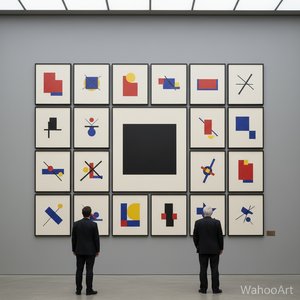
Kazimir Malevich 25 Mesterműve: Absztrakt Festészet és Lakberendezési Inspirációk
Fedezze fel Kazimir Malevich 25 legikonikusabb művészeti alkotását! Ismerje meg a szuprematizmus forradalmi világát, a Fekete Négyzet történetét és inspirálódjon modern lakberendezési ötletekkel. Múzeumi minőségű reprodukciók a OriginalUniqueArt.com-on!

Crimson Threads of Narrative: Exploring Symbolism & Representation in Artworks Featuring the Red Dress
Explore the rich symbolism of the red dress in art history! From ancient power displays to iconic portraits like Cézanne’s 'Madame Cezanne', discover the cultural and artistic significance behind this captivating color. Expert analysis & insights.

Henri Matisse 25 Mesterműve: Színek és Érzések Világa - OriginalUniqueArt
Fedezze fel Henri Matisse 25 legikonikusabb művét! Ismerje meg a fauvizmus színeit, az expresszionizmus formáit és a modern művészet mesterének életművét. Vászonképek, nyomatok – inspiráció otthonába a OriginalUniqueArt.com-on!
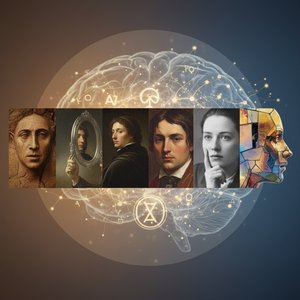
Reflecting the Self: A History of Portraiture & Psychological Insight
Explore the fascinating history of self-portraiture from Renaissance masters like Dürer & Rembrandt to modern interpretations. Discover the psychological insights and artistic techniques behind these iconic works. Expert analysis for art enthusiasts.

The Gleaming Geometry of Desire: Exploring Art Deco's Enduring Influence on Visual Culture
Explore the captivating world of Art Deco! Discover its history, key characteristics, enduring influence on design & collecting with expert insights from OriginalUniqueArt.com.


![Fekete kör}}]{](/media/artworks/images-thumb/23/28/2328aa27874e4807190f6c5ba29ca33c.jpg)

