
 Megtekintés
 Küldés
 Megosztás
 Részletek
 Útmutató

 Letöltés
 Hasonló darabok
 X-ray felvétel
 Diavetítés
 Q&A
Q&A Statisztika
Hangszer


 Összes részlet megjelenítése
Giclée / Műnyomat
Múzeumi minőségű giclée vagy vászonnyomat, gyors gyártással és rugalmas finomítási lehetőségekkel. ( Kézzel festett másolat rendelése Áttérés digitális képre)




P118B Ft10

P118H Ft10

P118W Ft10

P438Z Ft10

P508JH Ft12

P508YH Ft12

P805H Ft10

P805Z Ft10

P919BZ Ft10

P919G Ft10

P919XJ Ft10

P959ZH Ft10

P968JZ Ft12

W106C Ft8

W218G Ft10

W218JH Ft8

W218Y Ft10

W307PJ Ft10

W316G Ft10

W316PJ Ft8

W316Y Ft10

W398PJ Ft8

W4111J Ft10

W500HY Ft15

W500JH Ft15

W692G Ft12

W849H Ft8

W940BG Ft15

W953PJ Ft8




Válasszon előre meghatározott méreteink közül, amelyek megfelelnek a műalkotás eredeti arányainak.

Írja be a keretének vagy a falának megfelelő szélességet és magasságot. A nyomatot csak le lehet vágni, soha nem tehető nagyobbá, mint az eredeti kép, így egy eltérő alakú méretnél a kép egy része elveszik. Mielőtt bármit kinyatintanánk, küldünk egy digitális próbamodellt jóváhagyásra. Az oldalon látható kép nem tartalmazza a valós levágást — ezt csak a próbamodell mutatja meg.
Világszerte történő kiszállítás területére mindössze 2 hét alatt, a szokásos 4-5 hét helyett. (31 október)

Ingyenes globális expressz szállítás

Prémium minőségű len vászon

Teljes körű szállítási biztosítás

Vámvisszatérítési Garancia

Hiteles színarányosság garancia

100 napos visszaküldési lehetőség (csak hibás termékek esetén)

100% pénzvisszatérítési garancia

Több darab vásárlásakor kedvezmény
 Az üvegkeretes opció csak 110 cm alatti méretben érhető el

Hangszer
Giclée / Műnyomat
Reprodukció mérete
-


Összesített ár
Ft 26157
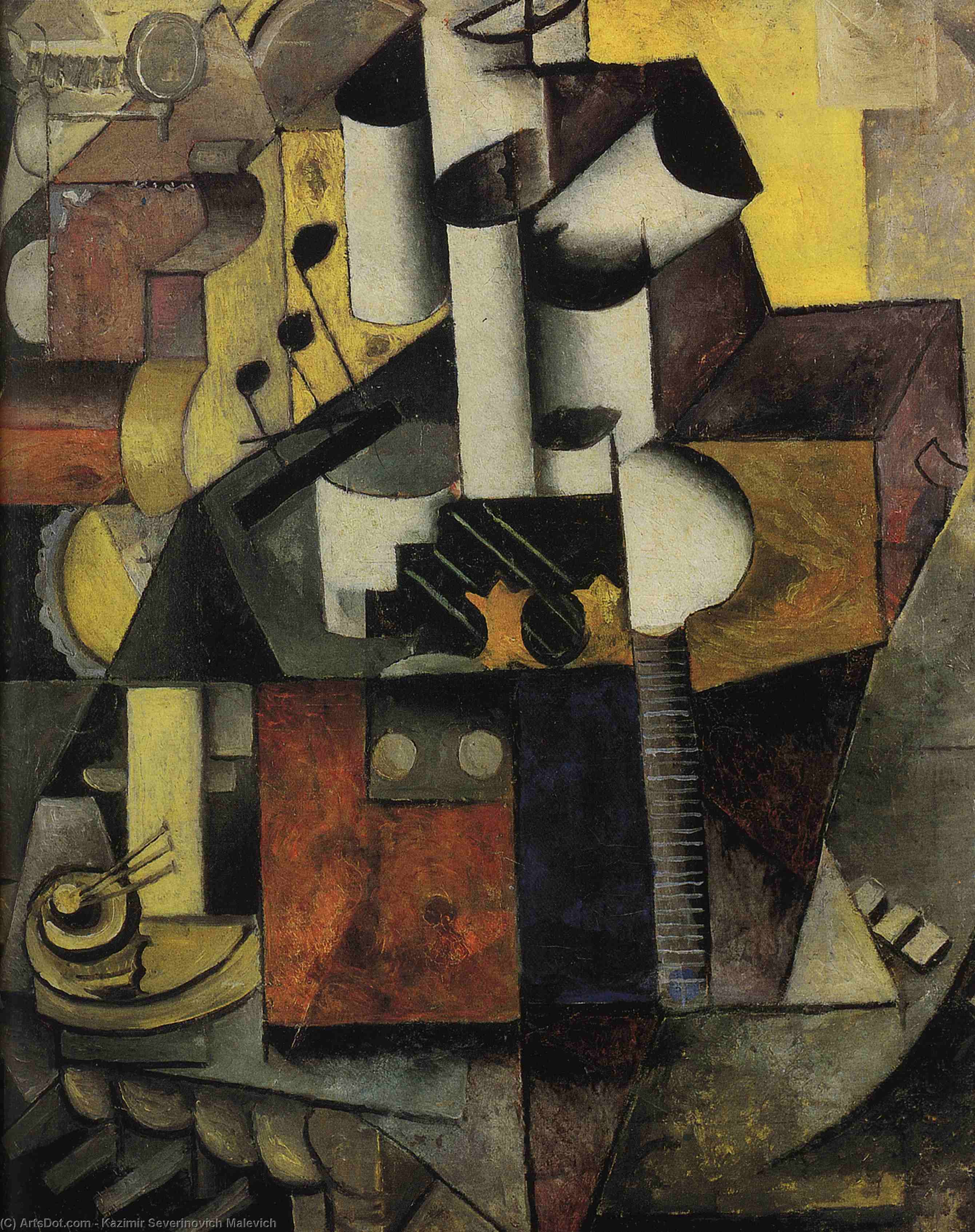
Kazimir Malevich’s Musical Instrument: A Cubist Exploration of Sound and Form
Kazimir Severinovich Malevich, a Russian artist whose legacy continues to inspire artists globally, created the captivating painting Musical Instrument in 1913. This work stands as a cornerstone of Cubism, an artistic movement that fundamentally reshaped European painting and sculpture during the early 20th century—a bold departure from traditional perspectives and representations.The Cubist Movement: Breaking Boundaries
Cubism, spearheaded by Pablo Picasso and Georges Braque, wasn’t merely about depicting objects realistically; it was a deliberate rebellion against established conventions. Artists like Malevich were profoundly influenced by this revolutionary approach, experimenting with new ways to capture the essence of reality. The very term “Cubism” encapsulates this ethos—associated with artworks produced primarily in Paris (Montmartre and Montparnasse) or near Paris (Puteaux)—representing a seismic shift in artistic thinking.Malevich’s Unique Vision: Simplifying Complexity
Malevich's distinctive style within Cubism involved merging disparate elements into harmonious combinations, challenging viewers to reconsider how they perceive visual information. Unlike contemporaries like Georgia O’Keeffe and Paul Klee who sought to translate sound into visual experiences—a fascinating ambition—Malevich adopted a more pared-down aesthetic. He prioritized clarity and geometric precision, focusing on conveying fundamental concepts rather than meticulous detail. This deliberate simplification allowed him to distill the complexities of musical instruments into powerful visual symbols.Composition and Color: Guiding the Eye
Musical Instrument is characterized by careful color orchestration—primarily shades of grey tones interwoven with assertive black lines. These elements serve as structural dividers, delineating distinct sections within the painting and directing the viewer’s gaze across the canvas. At its heart lies a guitar, meticulously rendered against a backdrop of other guitars and violins, creating a dynamic interplay between form and texture. Furthermore, two birds—positioned strategically on the left side and upper right corner—add depth and visual interest to the composition, enriching the overall narrative without distracting from Malevich’s core message.Beyond Cubism: Exploring Musical Symbolism
Malevich's artistic journey extended beyond the confines of Cubism, demonstrating his unwavering pursuit of innovative expression. His exploration of Suprematism—a subsequent style characterized by pure geometric forms—further solidified his reputation as a visionary artist who dared to challenge conventional notions of art and perception. Yet, Musical Instrument remains an invaluable testament to his initial foray into Cubism—a captivating piece that embodies both stylistic experimentation and profound artistic contemplation.Notable Related Works
Malevich’s prolific output included Painting by 'Kazimir Severinovich Malevich' | Kazimir Severinovich Malevich:Musical instrument (Cubism,), housed at the Stedelijk Museum in Amsterdam, Netherlands—a masterful demonstration of Cubist principles applied to a musical subject. This painting exemplifies Malevich’s ability to distill complex ideas into striking visual representations. Also noteworthy is Painting by 'Kazimir Severinovich Malevich' | Kazimir Severinovich Malevich:Musical instrument - Lamp (Cubism,Oil,), which showcases his exploration of musical instruments alongside symbolic imagery.Discover More About Kazimir Malevich
Painting by 'Pablo Picasso' | Pablo Picasso:Guitar on pedestal (119 x 76 cm,Synthetic Cubism,) exemplifies the broader influence of Cubism on European art—a movement that irrevocably altered artistic conventions. Explore Malevich’s groundbreaking achievements and immerse yourself in the legacy of Suprematism at OriginalUniqueArt.com.- Painting by 'Kazimir Severinovich Malevich' | Kazimir Severinovich Malevich:Musical instrument (Cubism,)
- Painting by 'Kazimir Severinovich Malevich' | Kazimir Severinovich Malevich:Musical instrument - Lamp (Cubism,Oil,)
- Painting by 'Pablo Picasso' | Pablo Picasso:Guitar on pedestal (119 x 76 cm,Synthetic Cubism,)
Kérdések és válaszok
Ki készítette a(t) "Hangszer"-t, és melyik évben?
A "Hangszer" alkotását Kazimir Malevich készítette 1913 évben.
Milyen szín vezeti a „Hangszer”, Kazimir Malevich alkotása kompozícióját?
A(z) "Hangszer" alkotásban leginkább a Ftalozöld (#1f1d1b) szín tűnik ki. A domináns szín hasznos, amikor egy műalkotást össze kell egyeztetni egy belső térrel.
A "Hangszer" Kazimir Malevich egyik legnépszerűbb műve?
A „Hangszer”, Kazimir Malevich alkotása népszerűségi szintje: Ikonikus.
A művész életrajza
Kazimir Malevich: Egy Szuprematista Úttörő
Kazimir Severinovich Malevich (1878-1935) egy ukrán szupermatizmus alapítója és a 20. századi művészet egyik legnagyobb úttörője volt. Élete és alkotásai mélyreható hatással vannak az európai művészek körében, és őt tekintik az absztrakt művészi kifejezés új irányításának szentévétől kezdve. Egy igazán egyedi és maradéktalan művészi világtájtú névvé vált.Korai Élete és Hatásai
- Malevich született Kyiv Oblastban, Ukrajnában 1878-ban egy lengyel családba kerülő gyermekként. Egy kisvárosi ukrán kultúra és hagyományok által befolyásolt életet élvezett, ami később jelentős mértékben kształlt meg művészi stílusát.
- Együttműködése először Nyugat-Európában kezdődött, ahol az európai művészet új irányításának szentévétől kezdve számos nagy művészt és művészeti mozgalmat ismert meg.
Művészi Fejlődés És Érdekelt Mozgalmak
- Kezdetben Malevich foglalkozott különböző művészi stílusokkal, többek között impresszionizmussal, szimbolizmussal és kubizmussal. Egy különösen jelentős időszakot töltött Párizsban, ahol kapcsolatba lépett az európai művészet legújabb fejlesztéseivel és új irányításával.
- Szükségében távozott a hagyományos képződésből és keresett egy teljesen új művészi nyelvet, amely geometriai alakokat és színeket használt fel.
Fontos Szerzeményei És Tudományos Érdemekei
- Black Square (1915): Az ő legnagyobb szerzeménye és egy igazán radikális lépés volt a hagyományos művészi kifejezés számára, melyet minden előző időszak után új távlatokat nyitott meg az absztrakt művészi világ előtt.
- White on White (1918): Egy szupermatizmus jellegzetes alkotása, amely a geometriai alakok és színek egyszerűségével és tisztaságával mutatja meg az új művészi irányítás igazságtalanságát és egyéni kreativitását.
Története És Öröksége
- Malevich munkája nagyban befolyásolta a 20. századi absztrakt művészet fejlődését, különösen a minimalizmus és a konstruktivizmus irányítását.
- Ő egy igazán egyedi és maradéktalan művészi világtájtú névvé vált és új utakat mutatott meg az európai művészek számára.
Utóélete És Halála
- Malevich nyugdíjazott pedagógusként és művészettörténészként folytatta pályáját, melyet végül 1935-ben Leningradban (ma Szentpétervár) halt meg.

Kazimir Malevich
1878 - 1935 , Ukrajna
Rövid információk
- Artistic Movement Or Style: Szuprematizmus, Ábrándozó művészet
- Artists Or Movements Influenced By This Artist:
- Minimalizmus
- Konstruktivizmus
- Artists Who Influenced This Artist:
- Kubbizmussal
- Impressionisták
- Date Of Birth: 1878. 23. Február
- Date Of Death: 1935. 15. Május
- Full Name: Kazimir Severinovich Malevics
- Nationality: Ukrán/Orosz
- Notable Artworks:
- Fekete Szöglet
- Fehérre Fehérre
- Épülő Háza
- Place Of Birth: Kijev, Ukrajna
Kapcsolódó cikkek
Beyond Form & Color: Geometric Abstraction's Enduring Legacy in Art History
Explore the captivating world of geometric abstraction! Discover its origins, key artists like Malevich & Mondrian, and why this movement remains highly valued by art collectors today. Expert insights at OriginalUniqueArt.

Kazimir Malevich 25 Mesterműve: Absztrakt Festészet és Lakberendezési Inspirációk
Fedezze fel Kazimir Malevich 25 legikonikusabb művészeti alkotását! Ismerje meg a szuprematizmus forradalmi világát, a Fekete Négyzet történetét és inspirálódjon modern lakberendezési ötletekkel. Múzeumi minőségű reprodukciók a OriginalUniqueArt.com-on!
Beyond Form: Exploring the Philosophical Foundations of Geometric Abstraction
Explore the philosophical roots & artistic evolution of geometric abstraction with OriginalUniqueArt. Discover Mondrian, Malevich, De Stijl & more. Expert insights for collectors and art enthusiasts.

Geometrikus Absztrakció Mesterei: 10 Alapvető Műalkotás a Lakberendezéshez
Fedezze fel a geometrikus absztrakció 10 legikonikusabb műalkotását! Kandinsky, Mondrian és más mesterek festményeinek története inspirálja otthona dekorációját. Múzeumi minőségű reprodukciók a OriginalUniqueArt.com-on – fedezze fel online!

Beyond Form & Color: Geometric Abstraction's Evolution in 20th/21st Century Art
Explore the evolution of geometric abstraction from Cubism to contemporary art. Discover key artists like Malevich & Mondrian, investment insights, and expert collecting advice at OriginalUniqueArt.


![Fekete kör}}]{](/media/artworks/images-thumb/23/28/2328aa27874e4807190f6c5ba29ca33c.jpg)


