
 Megtekintés
 Küldés
 Megosztás
 Részletek

 Letöltés
 Hasonló darabok
 X-ray felvétel
 Diavetítés
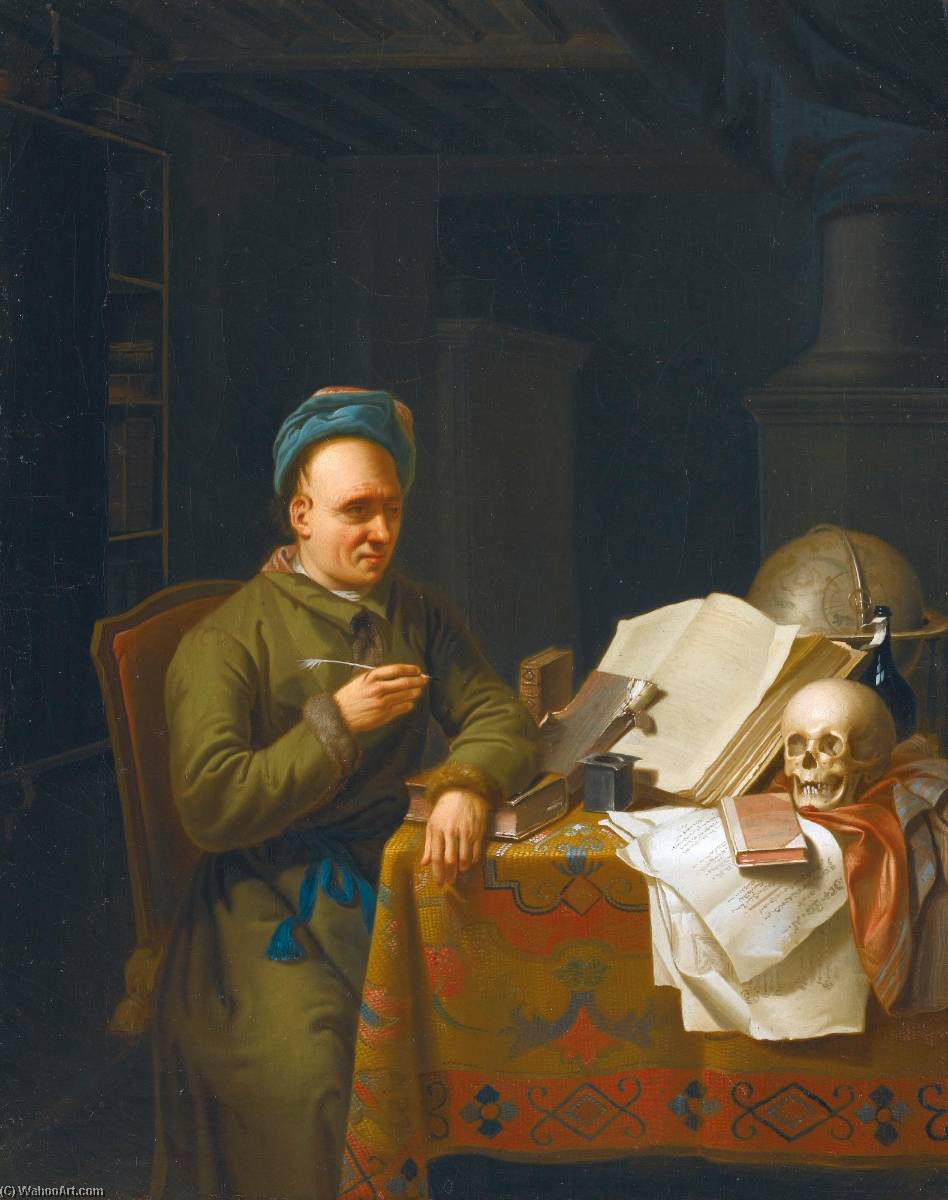
A scholar in his study
 51.0 x 41.0 cm
 Összes részlet megjelenítése
Kézzel készített olajfestmény reprodukció
Kézzel festett olajvastú vászon, az Ön által választott méretben és keretben, művészeink készítik meglévőre. ( Nyomat rendelése Kép letöltése)




































Válasszon előre meghatározott méreteink közül, amelyek megfelelnek a műalkotás eredeti arányainak.

Ön megadhat saját méreteket egy adott kerethez vagy térhez igazításhoz. Ha a kiválasztott méret nem egyezik az eredeti kép arányával, akkor a műalkotást levágjuk, vagy további kézzel festett elemekkel meghosszabbítjuk a festményt. A gyártás megkezdése előtt küldünk Önnek egy digitális előnézetet jóváhagyásra.
Kérjük, vegye figyelembe, hogy a képernyőn megjelenő előnézet nem tükrözi a tényleges vágást vagy kiterjesztést. Csak az előnézet fog pontosan mutatni a végső kompozíciót.
Bár egyedi méretek állnak rendelkezésre, javasoljuk, hogy válasszon egy méretet az előre meghatározott listából az eredeti arányok megőrzése érdekében.
A rendelést követően a OriginalUniqueArt.com csapata e-mailt küld az ügyfélnek az instrukciókért, és biztosít egy előnézeti képet (mockup).
Világszerte elérhető szállítás () 3-4 hét alatt a szokásos 5 hét helyett. (30 augusztus). A minőség nem kérdőjelezhető.

Ingyenes globális expressz szállítás

Prémium minőségű len vászon

Teljes körű szállítási biztosítás

Vámvisszatérítési Garancia

Hiteles színpontosság garancia

60 napos visszaküldési lehetőség (csak hibás termékek esetén)

100% pénzvisszatérítési garancia

Több darab vásárlása esetén kedvezmény
 Az üvegkeretes opció csak 110 cm alatti méretben érhető el

A scholar in his study
Reprodukciós technika
Reprodukció mérete
-


Összesített ár
$ 300
A művész életrajza
The Delicate Precision of Justus Juncker
In the grand tapestry of eighteenth-century German art, few threads are as finely woven or as luminous as those left by Justus Juncker. Born in the historic city of Mainz on July 24, 1703, Juncker would eventually emerge as a master of the still life, a painter whose brush possessed the rare ability to capture the fleeting essence of nature with scientific rigor and poetic grace. His journey from a young student of façade painting in Frankfurt to a celebrated figure in European art history is a testament to a lifelong devotion to the observation of light, texture, and form. While his early training under Johann Hugo Schlegel instilled in him a disciplined technical foundation, it was his profound encounter with the Dutch Baroque masters that truly ignited his creative spirit.
The aesthetic soul of Juncker’s work was deeply shaped by the prestigious collection of Baron von Häckel. Through this exposure to the works of artists like Thomas Wijck, Juncker absorbed the dramatic chiaroscuro and the breathtaking naturalism characteristic of the Dutch tradition. This influence is palpable in his mature oeuvre, where the interplay between shadow and light creates a sense of three-dimensional reality that invites the viewer to reach out and touch the dew-drenched petals or the smooth skin of a ripening fruit. His transition from the architectural precision of decorative painting to the intimate, easel-based world of flower and genre painting allowed him to develop a signature style defined by an unwavering commitment to meticulous detail.
A Legacy Intertwined with Greatness
Beyond the technical mastery of his brushwork, Juncker’s historical significance is inextricably linked to one of the most luminous figures in German literature: Johann Wolfgang von Goethe. The connection between the painter and the poet was not merely professional but deeply personal, rooted in the intellectual and social fabric of Frankfurt and Weimar. Juncker was commissioned by Johann Caspar Goethe—the father of the legendary writer—to decorate the family residence, a task that required both artistic finesse and an understanding of the family's refined sensibilities. This prestigious undertaking solidified Juncker’s reputation among the cultural elite.
The younger Goethe, in his celebrated autobiography Dichtung und Wahrheit, fondly recalled the exquisite beauty of the works produced by Juncker, specifically noting a painting of an ornate flowerpot that captured the "artificial and delicate manner" so characteristic of the artist's skill. This intersection of visual art and literary greatness places Juncker at the heart of the German Enlightenment, where the pursuit of natural truth through art mirrored the philosophical inquiries of the era’s greatest minds.
The Mastery of the Still Life
As his career progressed into the 1740s, Juncker increasingly specialized in the still life, a genre that allowed him to explore the profound symbolism hidden within the mundane. His compositions often serve as meditations on the ephemeral nature of life, where a perfectly rendered pear or a blooming rose stands as a beautiful yet temporary triumph over decay. His ability to render various textures—the velvet of a petal, the translucency of an insect's wing, or the cold hardness of porcelain—remains his most enduring technical achievement.
The breadth of his artistic contribution can be summarized through several key pillars of his career:
- Technical Versatility: His evolution from a skilled façade painter to a master of delicate easel painting, bringing architectural precision to organic subjects.
- Dutch Influence: The successful integration of Dutch Baroque naturalism and dramatic lighting into the German artistic landscape.
- Cultural Connection: His role as a preferred artist for the Goethe family, bridging the gap between fine art and the literary movements of the time.
- Pedagogical Legacy: His efforts to establish a drawing and painting school in Frankfurt, aiming to foster a new generation of German talent.
Though he passed away on June 14, 1767, the works of Justus Juncker continue to resonate with a quiet, powerful intensity. He remains a pivotal figure whose meticulous observations provided a window into the beauty of the natural world, leaving behind a legacy that continues to enchant scholars and art lovers alike.

A művészről röviden
- Artistic Movement Or Style: Dutch and Flemish Style Interiors
- Artists Or Movements Influenced By This Artist: ['Jan Davidsz. de Heem']
- Artists Who Influenced This Artist: ['Johann Hugo Schlegel']
- Date Of Birth: July 24, 1703
- Date Of Death: June 14, 1767
- Full Name: Justus Juncker
- Nationality: German
- Notable Artworks: ['Pear With Insects']
- Place Of Birth: Mainz, Holy Roman Empire

