Text size

() ·

A painting made for you, by hand

St. Agnes in Prison

Kézzel készített olajfestmény reprodukció

Kézzel festett olajvastú vászon, az Ön által választott méretben és keretben, művészeink készítik meglévőre. ( Váltás nyomtatványra Áttérés digitális képre)

A gyűjtemény leírása

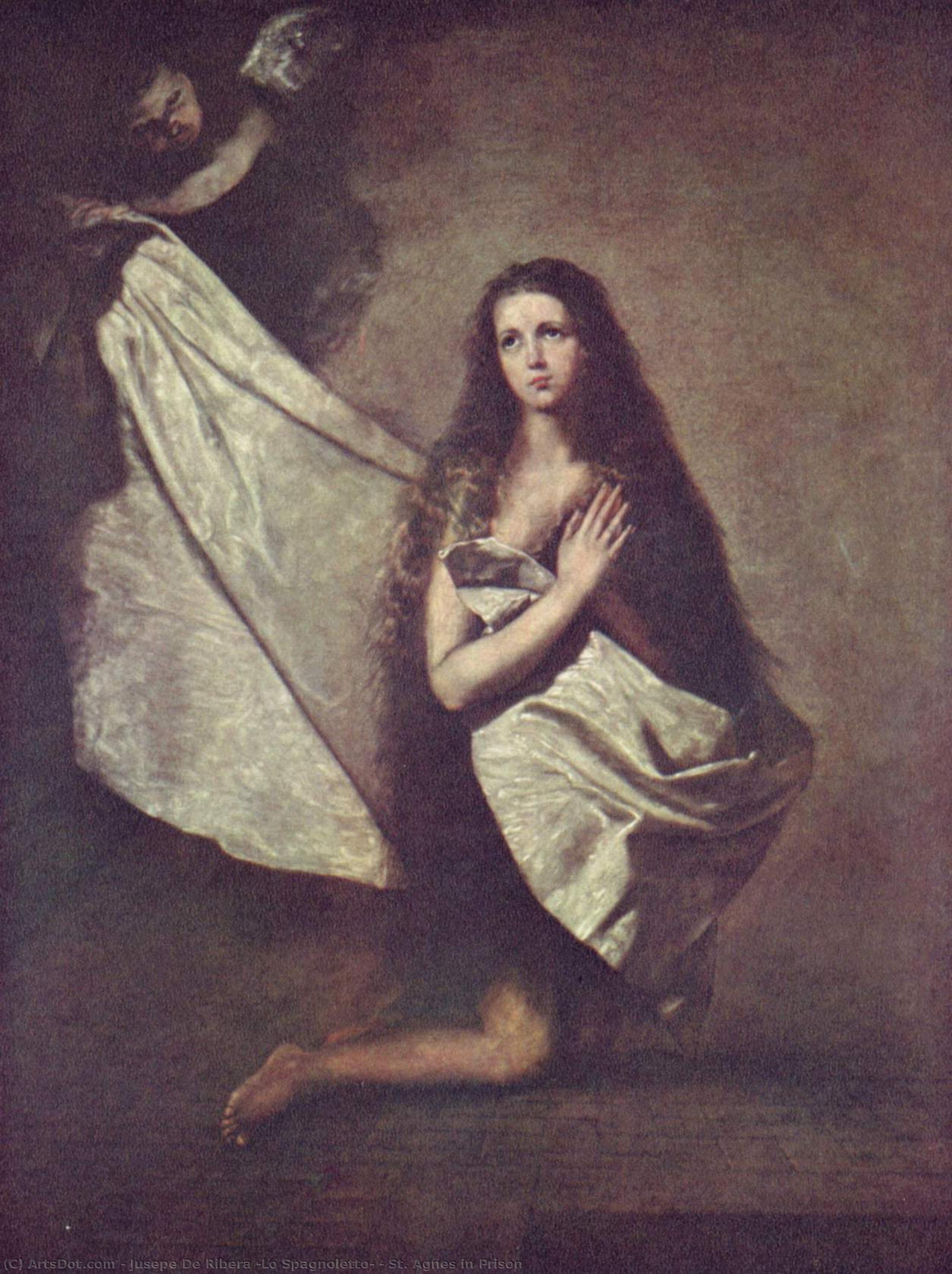
Jusepe de Ribera's "St. Agnes in Prison" (1641) is a dramatic Baroque masterpiece depicting the saint’s suffering with intense chiaroscuro and profound emotion. A powerful religious scene.

A művész életrajza

Fedezd fel Ribera drámai barokk festményeit! Tenebrizmus mestere, intenzív realizmusa, hatalmas vallási jelenetei és vértanúk ábrázolása. Kulcsfontosságú spanyol művész Velázquezszel és Zurbaránnal együtt.

from ·

Chapter 1

How large should it be?

Slide to change the size; the picture on the left shows the frame at its real width. The proportions of the original are kept.

Standard méret
egyedi méretű
CM
INCH

Válasszon előre meghatározott méreteink közül, amelyek megfelelnek a műalkotás eredeti arányainak.

szélesség
magasság

Írja be a kívánt szélességet és magasságot, hogy illeszkedjen a keretéhez vagy a falához. Mivel ez kézzel festett alkotás, egy eltérő formájú méret esetén a művész akár festhet is valamivel többet a kép körül, vagy korolathat is belőle — az Ön döntésének megfelelően. A festés megkezdése előtt küldünk egy digitális tervezetet jóváhagyásra. Az oldalon látható kép nem tartalmazza a végeredményt — csak a tervezet mutatja meg a valódi eredményt.

Chapter 2

How should it arrive?

Choose the edges of the stretched canvas

Choose your frame

Corner sample of the WhiteWrap canvas edge finish, stretched on tömörfa bars
White Ft1
Corner sample of the BlurSideWrap canvas edge finish, stretched on tömörfa bars
Blurside Ft1
Corner sample of the ExtendedWrap canvas edge finish, stretched on tömörfa bars
Extended Ft1
Corner sample of the P118B picture frame: formázott polisztirol, 5 cm wide and 3 cm thick
P118B Ft10
Corner sample of the P118H picture frame: formázott polisztirol, 5 cm wide and 3 cm thick
P118H Ft10
Corner sample of the P118W picture frame: formázott polisztirol, 5 cm wide and 3 cm thick
P118W Ft10
Corner sample of the P438Z picture frame: formázott polisztirol, 5.5 cm wide and 3.5 cm thick
P438Z Ft10
Corner sample of the P508JH picture frame: formázott polisztirol, 7 cm wide and 3.5 cm thick
P508JH Ft12
Corner sample of the P508YH picture frame: formázott polisztirol, 7 cm wide and 3.5 cm thick
P508YH Ft12
Corner sample of the P805H picture frame: formázott polisztirol, 5 cm wide and 3.5 cm thick
P805H Ft10
Corner sample of the P805Z picture frame: formázott polisztirol, 5 cm wide and 3.5 cm thick
P805Z Ft10
Corner sample of the P919BZ picture frame: formázott polisztirol, 7 cm wide and 3.5 cm thick
P919BZ Ft10
Corner sample of the P919G picture frame: formázott polisztirol, 7 cm wide and 3.5 cm thick
P919G Ft10
Corner sample of the P919XJ picture frame: formázott polisztirol, 7 cm wide and 3.5 cm thick
P919XJ Ft10
Corner sample of the P959ZH picture frame: formázott polisztirol, 5 cm wide and 3 cm thick
P959ZH Ft10
Corner sample of the P968JZ picture frame: formázott polisztirol, 6 cm wide and 4 cm thick
P968JZ Ft12
Corner sample of the W106C picture frame: tömörfa, 5 cm wide and 3 cm thick
W106C Ft8
Corner sample of the W218G picture frame: tömörfa, 5 cm wide and 3 cm thick
W218G Ft10
Corner sample of the W218JH picture frame: tömörfa, 5 cm wide and 3 cm thick
W218JH Ft8
Corner sample of the W218Y picture frame: tömörfa, 5 cm wide and 3 cm thick
W218Y Ft10
Corner sample of the W307PJ picture frame: tömörfa, 6 cm wide and 3 cm thick
W307PJ Ft10
Corner sample of the W316G picture frame: tömörfa, 6 cm wide and 3 cm thick
W316G Ft10
Corner sample of the W316PJ picture frame: tömörfa, 6 cm wide and 3 cm thick
W316PJ Ft8
Corner sample of the W316Y picture frame: tömörfa, 6 cm wide and 3 cm thick
W316Y Ft10
Corner sample of the W398PJ picture frame: tömörfa, 5 cm wide and 3 cm thick
W398PJ Ft8
Corner sample of the W4111J picture frame: tömörfa, 6.5 cm wide and 3.5 cm thick
W4111J Ft10
Corner sample of the W500HY picture frame: tömörfa, 7 cm wide and 5 cm thick
W500HY Ft15
Corner sample of the W500JH picture frame: tömörfa, 7 cm wide and 5 cm thick
W500JH Ft15
Corner sample of the W692G picture frame: tömörfa, 8 cm wide and 4 cm thick
W692G Ft12
Corner sample of the W849H picture frame: tömörfa, 5 cm wide and 3 cm thick
W849H Ft8
Corner sample of the W940BG picture frame: tömörfa, 7.5 cm wide and 4.5 cm thick
W940BG Ft15
Corner sample of the W953PJ picture frame: tömörfa, 6 cm wide and 3.5 cm thick
W953PJ Ft8
Corner sample of the H24-GOLD picture frame: faragott fa gesszóval, 10 cm wide and 6 cm thick
H24-GOLD Ft30
Corner sample of the H24-SILVER picture frame: faragott fa gesszóval, 10 cm wide and 6 cm thick
H24-SILVER Ft30
Corner sample of the H36-GOLD picture frame: faragott fa gesszóval, 15 cm wide and 6.5 cm thick
H36-GOLD Ft45
Corner sample of the H36-SILVER picture frame: faragott fa gesszóval, 15 cm wide and 6.5 cm thick
H36-SILVER Ft45

Moulding: . Overall size with the frame: .

Chapter 3

Who paints it, and should anything change?

Examples of what can be changed: Replace face with customer photo; Add pet (e.g., replace cat with dog); Include hidden message in background; Change background landscape or elements.
After order, OriginalUniqueArt.com team will email client for instructions and provide a mockup preview

Világszerte elérhető szállítás () 3-4 hét alatt a szokásos 5 hét helyett. (2 november). A minőség nem kérdőjelezhető.

Chapter 4

The finishing touches

A nameplate, as in a museum?

A gravírozott bronztábla részletei

This elegant plaque features the artist's name and the title of the artwork, finely engraved for a timeless presentation.

It is made from bronze with a refined, elegant finish. The text is precisely laser-engraved for a sharp and permanent result. Measuring 9x2 cm, the plaque is compact yet easy to read. It's built to be durable and scratch-resistant, offering a professional, museum-quality look. Mounting is simple thanks to the included adhesive backing.

Átlátszó akril tábla részletei

The plaque includes essential engraved details such as the artist's name, the title of the artwork, the date it was created, the type of media used-like oil on canvas or watercolor-a brief description of the piece, and a QR code that links to the complete artwork information.

It is crafted from clear acrylic, offering a sleek, modern appearance. The text is UV-engraved in black to ensure strong visual contrast. With a size of 10x15 cm, it ensures optimal readability. It comes equipped with two metal hooks for secure wall mounting. The plaque is designed to be weather-resistant, making it suitable for various environments, and it includes interactive features that work seamlessly with smartphone scanning.

Fekete akril tábla részletei

This elegant plaque includes engraved information such as the artist's name, the title of the artwork, the date it was created, the type of media used (like oil on canvas or watercolor), a short description of the artwork, and a QR code for quick access to more information.

The plaque itself is made from refined black acrylic with a premium finish. The text is laser-engraved in white for high contrast and readability. Its size is 10x15 cm, designed to be easy to read. It comes with two metal hooks for professional mounting. The design is sleek and fits any interior style. It is also weather-resistant and durable, with built-in digital integration for mobile compatibility.

A protective varnish?

When do you need it?

Chapter 5

Your painting, as you ordered it

St. Agnes in Prison

Reprodukciós technika

Reprodukció mérete

-

Kiváló mesterművész

Nagyobb részletesség, finomság és bővített gyártási idő

-

Reprodukció keretezése

-

-

A bármely oldalsó méretét túlszálaló 105 cm (kb. 41 hüvelyk) meghaladó műalkotások vagy reprodukciók esetében a keret összeszerelhető készletként, szétszerelve kerül szállításra. Ez a módszer biztosítja a biztonságos szállítást, és megakadályozza a szállítás során fellépő sérüléseket.

Szakmész összeszerelést igényel – ez nem DIY (önösszeszerelhető) termék.
A készletet egy tapasztalt keretező szakembernek kell összeszerelnie és a vásznat feszítenie kell, fa ragasztó (nem tartalmazza a csomag), vásznfeszítő fogó és szorítók használatával, amelyek a ragasztó száradásáig a keretrészeket egymáshoz vuôngjba tartják. A helytelen összeszerelés vagy a nem egyenletes vásznfeszítés maradandó károsíthatja a műalkotást, és ez nem része a garanciánknak.

  • A készlet tartalmazza az összes tömörfa rudat, pontosan méretre vágva.

  • A mellékelt csavarokkal, valamint a sarokszerekhez szükséges faütő ragasztóval kell összeszerelnie (ez nem tartalmazható a csomagban), így a keretrendezőnek külön kell beszereznie.

  • A csomag nem tartalmazza a szükséges professzionális eszközöket: egy vászonfeszítőt és klipseket a rácsok vízszintes tartásához a ragasztó megszáradásáig.

Fontos:
A sarokcsatlakozásokhoz fánylagra van szükség, a keretrudakat szorítókapcsokkal kell rögzíteni, amíg a rag teljesen meg nem szárad, a kész keretre feszített vászonhoz pedig vászonfeszítő fogat szükséges. Ezek egyike sem található meg a készletben. Kérjük, rendelés előtt győződjön meg róla, hogy rendelkezik tapasztalt keretező szakemberrel.

Névtábla

-

-

Védőréteg (Lakk)

Fényes lakk (intenzívabb színek, védelem a fény és a nedvesség hatása ellen)

-

Műalkotásom egyedi igényre szabása

Példák a módosíthatóságra: az arc kicserélése az ügyfél fotójára; háziállat hozzáadása (pl. macska helyett kutya); rejtett üzenet elhelyezése a háttérben; a háttér tájainak vagy elemeinek megváltoztatása.

-

Sürgős

Világszerte szóló szállítás () mindössze 3-4 hét alatt, a szokásos 5 hét helyett. (2 november). A minőség nem kérdőjelezhető.

-

Express szállítás

Világszerte elérhető szállítás területre 5 héten belül. (9 november).

A szállítás díja tartalmazza

Összesített ár

Ft 98255

Összesített ár Ft 98255

Az üvegkeretes opció csak 110 cm alatti méretben érhető el

Included with every order

  • Ingyenes globális expressz szállítás
  • Prémium minőségű len vászon
  • Teljes körű szállítási biztosítás
  • Vámvisszatérítési Garancia
  • Hiteles színarányosság garancia
  • 100 napos visszaküldési lehetőség (csak hibás termékek esetén)
  • 100% pénzvisszatérítési garancia
  • Több darab vásárlásakor kedvezmény

St. Agnes in Prison: A Study in Dramatic Light and Spiritual Suffering

Jusepe de Ribera’s “St. Agnes in Prison,” painted in 1641, is not merely a depiction of a biblical scene; it's a profound exploration of faith, endurance, and the agonizing beauty of spiritual suffering. Created during the height of the Baroque period, this arresting work transcends simple narrative to become a visceral experience for the viewer, drawing upon Ribera’s mastery of tenebrism – a technique he honed in Naples where light and shadow are employed with almost brutal intensity.

The subject itself, St. Agnes, a young virgin martyred for her unwavering faith, is rendered with an unflinching realism that was characteristic of Ribera's style. She kneels on the cold stone floor, her body partially exposed, a stark contrast to the opulent garments she once wore – remnants of a life stripped away by persecution. The composition immediately commands attention; the darkness surrounding Agnes is almost palpable, punctuated only by the single shaft of light illuminating her face and hands, highlighting her serene expression amidst profound distress. This dramatic use of chiaroscuro isn’t merely stylistic; it serves to amplify the emotional weight of the scene, forcing us to confront the raw vulnerability of a saint enduring unimaginable hardship.

The Baroque Palette: Shadow and Sacrifice

Ribera's artistic choices are deeply rooted in the Baroque aesthetic. The painting is dominated by deep browns, blacks, and grays – colors associated with mourning, sacrifice, and the mysteries of faith. These somber hues create a claustrophobic atmosphere, mirroring Agnes’s confinement and her internal struggle. The limited use of color, particularly the stark white of her garments against the oppressive darkness, serves to isolate her figure and draw our focus entirely onto her face – an expression of quiet acceptance and unwavering devotion. The artist's meticulous attention to detail, evident in the textures of the fabric, the rough stone floor, and the delicate folds of Agnes’s clothing, further enhances the realism and immediacy of the scene.

The presence of the angel figure in the background is equally significant. Rather than offering comfort or intervention, this ethereal being seems to bear witness to Agnes's suffering, holding a large cloth – perhaps representing her former life, now discarded – with an expression of solemn contemplation. The angel’s form is deliberately indistinct, shrouded in shadow and rendered with a ghostly quality that reinforces the painting’s themes of spiritual transcendence and the eternal nature of faith.

Symbolism and Spiritual Resonance

Beyond its immediate visual impact, “St. Agnes in Prison” is rich in symbolic meaning. The act of imprisonment itself represents the suppression of faith and the persecution faced by those who adhere to their beliefs. The exposed body of St. Agnes symbolizes her willingness to sacrifice everything for her convictions – a potent reminder of the ultimate cost of spiritual commitment. The bird she holds, often interpreted as a symbol of hope or resurrection, offers a glimmer of solace amidst the darkness.

Ribera’s choice to depict Agnes in such a vulnerable state was deliberate. He wasn't interested in glorifying martyrdom; instead, he sought to capture the raw emotional reality of suffering and the enduring strength of the human spirit. The painting invites viewers to contemplate not only St. Agnes’s plight but also their own capacity for resilience and faith in the face of adversity.

A Legacy of Dramatic Realism

“St. Agnes in Prison” stands as a testament to Jusepe de Ribera's extraordinary talent and his profound understanding of human emotion. His masterful use of tenebrism, combined with his meticulous attention to detail and his ability to imbue his subjects with psychological depth, cemented his place as one of the most important artists of the Baroque era. Reproductions of this powerful work continue to resonate with audiences today, offering a timeless meditation on faith, suffering, and the enduring beauty of the human spirit.

Kérdések és válaszok

Menny amountnyi fényt tűnik úgy vissza a "St. Agnes in Prison" színei?

A "St. Agnes in Prison" színei Soft Shadow fényerőt mutatnak.

Mit ábrázol a „St. Agnes in Prison”, Ribera alkotása, és milyen hangulatot áraszt?

A „St. Agnes in Prison”, Ribera alkotása a saint agnes, prison, martyrdom, angel, tenebrism, baroque, faith, devotion elemeit ötvözi egy Dramatic hangulatú környezettel.

Hová sorolható a "St. Agnes in Prison" Ribera életművében?

A "St. Agnes in Prison" Ribera Tenebrist Baroque korszakának alkotása, melynek témakörében caravaggio’s tenebrism, religious drama, spanish baroque, catholic piety, martyrdom narratives, spiritual suffering, neapolitan school, dramatic realism is feltűlik.

More about this painting

Megtekintés AR előnézet Váltás nyomtatványra Áttérés digitális képre Küldés
Részletek Útmutató Kedvencekhez ad Letöltés Hasonló darabok X-ray felvétel Diavetítés Q&A Statisztika

In numbers

  • 1641the year it was painted
  • 29frames to choose from
  • standard sizes, in its own proportions
  • 5weeks to paint and deliver it
Ribera

Ribera

1591 - 1652, Spanyolország

Quick facts about Ribera

  • Artistic Movement Or Style: Barokk
  • Artists Or Movements Influenced By This Artist: ['Spanyol barokk']
  • Artists Who Influenced This Artist:
    • Caravaggio
    • Guido Reni
  • Date Of Birth: 1591
  • Date Of Death: 1652
  • Full Name: Jusepe de Ribera
  • Nationality: Spanyol
  • Notable Artworks:
    • Szent János a tűzoltóban
    • Krisztus keresztelése
    • Szent Márton kolostora
  • Place Of Birth: Xativa, Spanyolország

A művész életrajza

A Life Forged in Shadow and Light

Jusepe de Ribera, akit sokan a „Kis Spanyolnak” – Lo Spagnoletto – ismernünk, a barokk kor egyik kiemelkedő alakja volt, egy művész, akinek vásznai drámai intenzitással és becsületségtelen realisztikummal töltek el. 1591-ben született Xátivában, Spanyolországban, utazása hamarosan elvezette őt a valenciai gyökerektől, végül pedig olyan pozícióba helyezte, amelynek köszönhetően 17. században Nápolyban, akkoriban spanyol fennhatóság alatt álló városban lett egyik legjelentősebb festője. Ribera életét nem csupán művészi fejlődésének kronológiájává emelte; egy történet volt nehézségekkel, ambíciókkal és a mänuszállati természet ábrázolásának határozott elkötelezettségével összefüggő narratív, amely minden furcsaságával feltűnően őszintén mutatkozott be. Az életkorai biográfiai adatok azonban bizonyos mértékig rejtélyesek maradtak, de tudjuk, hogy körülbelül 1607-ben érte el Olaszországot, ahol eleinte Rómában telepedett le, majd 1616-ban vonzódott a nápolyi irányba – egy olyan városba, amely mind művészi otthona lett, mind pedig egyedi stílusának öntudatosságát formáló tűzhelye. Férjezése Caterina Azzolino-val, egy helyi festő lányával tovább erősítette kapcsolatait a nápolyi művészettörténetben, lehetővé téve számára, hogy virágozzon annak vibráló, de gyakran turbulens légkörében.

A Tenebrizmus és a Realista Vizuáliség Öltözködése

Ribera művészi képzése mélyen befolyásolta az olasz festészet általános áramlatait. Caravaggio hatása kétségtelen, Ribera elnyerte a mester forradalmi használatát a tenebrizmus – a fény és árnyak drámai játékának – amelynek köszönhetően a jelenetek érzelmi erővel töltenek el. Azonban nem csupán utánoztა. Szintézisre került ez a technika más mesterek elemeivel, mint Guido Reni, miközben klasszikus érzéket adott a kompozíciókhoz, miközben megtartotta Caravaggio realisztikus hatásának szívszorító erejét. Ez a gyöngyszámok kombinációja egyedülálló stílust eredményezett – amely szokatlan kontrasztokkal, intenzíven fókuszált alakokkal és a mänuszállati természet fájdalmairól és spirituális örömről szóló őszinte, majdnem brutális őszinteséggel való ábrázolással volt jellemző. Korai művei, mint például Szt. Bartholomew vértanúsága, példaként szolgálnak erre az elkötelezettségre – egy szörnyű ábrázolás a fájdalomról, amelyet becsületségtelen részletességgel festettek meg. Nem riasztotta attól, hogy ábrázolja a vértanúság fizikai valóságát, a torzult testeket, a feszült izmokat, a bőr és az őssejtek textúráját. Ez a realisztikus elkötelezettség nem korlátozta a vallási témákat sem; portréi szegényekről és hétköznemekről, gyakran mint filozófusokról vagy szentekről ábrázolva, forradalmasan emelték az elmaradottak szintjét, ami a művészetben korábban ritka volt.

Egy Karrier Széles Spektrumú Műfajokon és Eredző Stílusokon Át

Ribera művészi kincse rendkívül sokrétű volt. Bár ő lehet az egyik legismertebb vallási festője – vértanúsági jelenetek, szentek ábrázolásai és drámai bibliai történetek – kiemelkedett portréfestészetből, tájképből is. A Szt. Jerome és angyal például lágyabb, kontemplatívabb oldala a művészetének, miközben megtartotta a karakteres drámai világítását, ami meghatározza munkáját. Általánosan Ribera stílusa finom, de jelentős változásokon ment keresztül, különösen Nápolyban megerősödött után. Korai művei szokatlanul szigorú realisztikussal és szokatlan fényekkel voltak jellemzők. Ahogy érettebb lett, különösen a nápolyi helyzetének stabilizálódásával, palettája gazdagabb lett, kompozíciói összetettebbek lettek, világításuk pedig lágyabb lett. Azonban az ő barokk esztétikai elemei – érzelmi intenzitás, drámai történetek és a mänuszállati természet ábrázolásának határozott elkötelezettsége – állandóak maradtak. Kiváló kézműves volt, képes meglepően pontos textúrákat megfesteni, a szőnyegszerű egyházi ruhákról a fiatal szentek sima bőréig.

Hagyatag és Tartós Hatás

Ribera hatása a művészet világán túlmutatott nápolyi műhelyén. A spanyol barokk művészet egyik kulcsfontosságú alakja lett, Velázquezszel, Zurbaránnal és Murillóval együtt. Tenebrizmusának innovatív használata és becsületségtelen realisztikus stílusa generációk művészt inspirált Európában. Művei nem csupán történelmi emlékek; erőteljes álláspontok, amelyek a mänuszállati természet mélységeibe hatolnak, érzelmi rezonanciát teremtenek és az igazságosság és a hit örök éltetését sugallják.

A Mester Tartós vonzása

Ribera művészetének tartós vonzalma abban rejlik, hogy képes időutazásra és kulturális határokon átívelő élményre. Képei nem csupán történelmi emlékek; erőteljes álláspontok, amelyek a mänuszállati természet mélységeibe hatolnak, érzelmi rezonanciát teremtenek és az igazságosság és a hit örök éltetését sugallják. Lo Spagnoletto, mint őt kedvesen hívták, egy olyan művészettel hagyta maga után, amely képes meghaladni az időt és a kulturális határokat. Képei nem csupán megcsodálhatók; érezhetők – mélyebben, a lélek mélységében.

Gyors információk

  • Subject or theme: Martyrdom, faith
  • Artist: Jusepe de Ribera
  • Notable elements: Tenebrism, dramatic light
  • Dimensions: 152 x 203 cm
  • Year: 1641
  • Location: Dresden Gallery

Művészeti kvíz

Minden kérdésre csak egy helyes válasz létezik.

Kérdés 1:
What artistic style is most prominently featured in Jusepe de Ribera’s ‘St. Agnes in Prison’?
Kérdés 2:
In what city was ‘St. Agnes in Prison’ created?
Kérdés 3:
The painting depicts a scene from the life of which saint?
Kérdés 4:
What is a key characteristic of Jusepe de Ribera’s style, as seen in this painting?
Kérdés 5:
The painting’s composition utilizes what visual technique to draw the viewer's attention?