Előnézet
 Megosztás
 Megosztás
 Részletek
 Útmutató

 Letöltés
 Hasonló darabok
 X-ray felvétel
 Diavetítés
 Statisztika
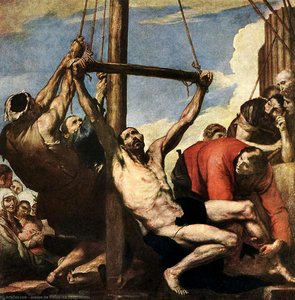
Saint Jerome
 Oil On Canvas
- WallArt
- Baroque Painting
 1630
1630 123.0 x 95.0 cm
 Szépművészeti Múzeum
 Tovább olvasom
Giclée / Műnyomat
Múzeumi minőségű giclée vagy vászonnyomat, gyors gyártással és rugalmas finomítási lehetőségekkel. ( Kézzel festett másolat vásárlása Áttérés digitális képre)




P118B Ft10

P118H Ft10

P118W Ft10

P438Z Ft10

P508JH Ft12

P508YH Ft12

P805H Ft10

P805Z Ft10

P919BZ Ft10

P919G Ft10

P919XJ Ft10

P959ZH Ft10

P968JZ Ft12

W106C Ft8

W218G Ft10

W218JH Ft8

W218Y Ft10

W307PJ Ft10

W316G Ft10

W316PJ Ft8

W316Y Ft10

W398PJ Ft8

W4111J Ft10

W500HY Ft15

W500JH Ft15

W692G Ft12

W849H Ft8

W940BG Ft15

W953PJ Ft8




Válasszon előre meghatározott méreteink közül, amelyek megfelelnek a műalkotás eredeti arányainak.

Írja be a keretének vagy a falának megfelelő szélességet és magasságot. A nyomatot csak le lehet vágni, soha nem tehető nagyobbá, mint az eredeti kép, így egy eltérő alakú méretnél a kép egy része elveszik. Mielőtt bármit kinyatintanánk, küldünk egy digitális próbamodellt jóváhagyásra. Az oldalon látható kép nem tartalmazza a valós levágást — ezt csak a próbamodell mutatja meg.
Világszerte történő kiszállítás területére mindössze 2 hét alatt, a szokásos 4-5 hét helyett. (22 október)

Ingyenes globális expressz szállítás

Prémium minőségű len vászon

Teljes körű szállítási biztosítás

Vámvisszatérítési Garancia

Tökéletes színarányosság garancia

100 napos visszaküldési garancia (csak gyártási hibás termékek esetén)

100% pénzvisszatérítési garancia

Több darab vásárlásakor kedvezmény
 Az üvegkeretes opció csak 110 cm alatti méretben érhető el

Saint Jerome
Giclée / Műnyomat
Reprodukció méretei
-


Összesített ár
Ft 25277
The Weight of Faith: Jusepe de Ribera’s “Saint Jerome”
Jusepe de Ribera's "Saint Jerome," painted circa 1638-40, isn’t merely a portrait; it’s an immersion into the soul of a man wrestling with divine purpose and earthly suffering. This monumental work, currently residing in the Cleveland Museum of Art, exemplifies Ribera’s signature style – a dramatic blend of tenebrism, raw realism, and profound spiritual intensity that secured his place as one of the most significant artists of the Spanish Baroque era. More than just depicting a biblical figure, Ribera captures a universal struggle with faith, repentance, and the burden of divine responsibility.
The painting immediately commands attention through its masterful use of light and shadow. Ribera employs a technique known as chiaroscuro – a stark contrast between intensely illuminated areas and deep, enveloping darkness – to sculpt the figure of Saint Jerome from the gloom. The saint’s face, partially obscured by shadow, is rendered with an almost photographic realism, capturing every wrinkle, furrow, and the haunted expression etched upon his brow. This deliberate obscurity draws the viewer in, forcing a contemplative engagement with the subject's inner turmoil.
A Study of Penance and Revelation
Saint Jerome, traditionally depicted as the hermit who translated the Bible into Latin, is presented here not as a serene scholar but as a man consumed by his task. He’s shown in a desolate landscape – a barren desert, rendered with muted browns and ochres – beating his breast with a stone, an act of self-flagellation symbolizing repentance and devotion. The inclusion of a skull beneath his hand is a potent reminder of mortality and the vanity of earthly pursuits, urging viewers to contemplate their own spiritual journeys.
The composition itself is carefully constructed to amplify this sense of drama. Ribera utilizes a pyramidal structure, with Jerome’s figure forming the apex, drawing the eye upwards and emphasizing his importance within the scene. The outstretched hand holding a scroll – bearing the words of the Vulgate Bible – represents not just the accomplishment of translating scripture but also the weight of that responsibility. It's a visual declaration of faith undertaken with profound humility.
The Caravaggisti Influence & Spanish Roots
Ribera’s style is deeply rooted in the artistic innovations of Michelangelo Merisi da Caravaggio, whom he encountered and profoundly admired during his time in Rome. Like Caravaggio, Ribera favored dramatic lighting, intense realism, and a focus on human emotion. However, Ribera infused this Italian influence with distinctly Spanish sensibilities – a heightened sense of drama, a darker palette, and an unflinching portrayal of the human condition. The painting’s somber mood reflects the prevailing religious fervor and social anxieties of 17th-century Spain.
Born in Xativa, Valencia, in 1591, Ribera's life was marked by hardship and exile. He spent much of his career in Naples, where he established a prolific workshop and cultivated a devoted following. His paintings often depict scenes of martyrdom, poverty, and religious ecstasy – subjects that resonated deeply with the social realities of the time. “Saint Jerome” is a testament to Ribera’s ability to transform historical narratives into emotionally resonant works of art.
A Timeless Meditation on Faith
“Saint Jerome” transcends its biblical subject matter, offering a timeless meditation on faith, repentance, and the human struggle for spiritual understanding. The painting's power lies not just in its technical brilliance but also in its ability to evoke a profound sense of empathy and contemplation. It’s a work that invites viewers to consider their own relationship with faith, mortality, and the enduring weight of responsibility – a truly remarkable achievement of the Spanish Baroque.
Gyakran Ismételt Kérdések
Hogyan tekinthetném meg a(t) „Saint Jerome”, Ribera alkotása alkotást diaváltogatással?
Elérhető egy diaváltó: a Diaváltás oldala a(z) „Saint Jerome”, Ribera alkotása alkotáshoz.
Milyen technikával készült a "Saint Jerome"?
A „Saint Jerome”, Ribera alkotása technikája Oil On Canvas. A reprodukciók célja ezen technika megjelenítésének hiteles återadása.
Mi a(z) domináns színtónus „Saint Jerome”, Ribera alkotása-nél?
A Golden Yellow Range árnyalat áthatárolja a „Saint Jerome”, Ribera alkotása alkotást.
A művész életrajza
A Life Forged in Shadow and Light
Jusepe de Ribera, akit sokan a „Kis Spanyolnak” – Lo Spagnoletto – ismernünk, a barokk kor egyik kiemelkedő alakja volt, egy művész, akinek vásznai drámai intenzitással és becsületségtelen realisztikummal töltek el. 1591-ben született Xátivában, Spanyolországban, utazása hamarosan elvezette őt a valenciai gyökerektől, végül pedig olyan pozícióba helyezte, amelynek köszönhetően 17. században Nápolyban, akkoriban spanyol fennhatóság alatt álló városban lett egyik legjelentősebb festője. Ribera életét nem csupán művészi fejlődésének kronológiájává emelte; egy történet volt nehézségekkel, ambíciókkal és a mänuszállati természet ábrázolásának határozott elkötelezettségével összefüggő narratív, amely minden furcsaságával feltűnően őszintén mutatkozott be. Az életkorai biográfiai adatok azonban bizonyos mértékig rejtélyesek maradtak, de tudjuk, hogy körülbelül 1607-ben érte el Olaszországot, ahol eleinte Rómában telepedett le, majd 1616-ban vonzódott a nápolyi irányba – egy olyan városba, amely mind művészi otthona lett, mind pedig egyedi stílusának öntudatosságát formáló tűzhelye. Férjezése Caterina Azzolino-val, egy helyi festő lányával tovább erősítette kapcsolatait a nápolyi művészettörténetben, lehetővé téve számára, hogy virágozzon annak vibráló, de gyakran turbulens légkörében.A Tenebrizmus és a Realista Vizuáliség Öltözködése
Ribera művészi képzése mélyen befolyásolta az olasz festészet általános áramlatait. Caravaggio hatása kétségtelen, Ribera elnyerte a mester forradalmi használatát a tenebrizmus – a fény és árnyak drámai játékának – amelynek köszönhetően a jelenetek érzelmi erővel töltenek el. Azonban nem csupán utánoztა. Szintézisre került ez a technika más mesterek elemeivel, mint Guido Reni, miközben klasszikus érzéket adott a kompozíciókhoz, miközben megtartotta Caravaggio realisztikus hatásának szívszorító erejét. Ez a gyöngyszámok kombinációja egyedülálló stílust eredményezett – amely szokatlan kontrasztokkal, intenzíven fókuszált alakokkal és a mänuszállati természet fájdalmairól és spirituális örömről szóló őszinte, majdnem brutális őszinteséggel való ábrázolással volt jellemző. Korai művei, mint például Szt. Bartholomew vértanúsága, példaként szolgálnak erre az elkötelezettségre – egy szörnyű ábrázolás a fájdalomról, amelyet becsületségtelen részletességgel festettek meg. Nem riasztotta attól, hogy ábrázolja a vértanúság fizikai valóságát, a torzult testeket, a feszült izmokat, a bőr és az őssejtek textúráját. Ez a realisztikus elkötelezettség nem korlátozta a vallási témákat sem; portréi szegényekről és hétköznemekről, gyakran mint filozófusokról vagy szentekről ábrázolva, forradalmasan emelték az elmaradottak szintjét, ami a művészetben korábban ritka volt.Egy Karrier Széles Spektrumú Műfajokon és Eredző Stílusokon Át
Ribera művészi kincse rendkívül sokrétű volt. Bár ő lehet az egyik legismertebb vallási festője – vértanúsági jelenetek, szentek ábrázolásai és drámai bibliai történetek – kiemelkedett portréfestészetből, tájképből is. A Szt. Jerome és angyal például lágyabb, kontemplatívabb oldala a művészetének, miközben megtartotta a karakteres drámai világítását, ami meghatározza munkáját. Általánosan Ribera stílusa finom, de jelentős változásokon ment keresztül, különösen Nápolyban megerősödött után. Korai művei szokatlanul szigorú realisztikussal és szokatlan fényekkel voltak jellemzők. Ahogy érettebb lett, különösen a nápolyi helyzetének stabilizálódásával, palettája gazdagabb lett, kompozíciói összetettebbek lettek, világításuk pedig lágyabb lett. Azonban az ő barokk esztétikai elemei – érzelmi intenzitás, drámai történetek és a mänuszállati természet ábrázolásának határozott elkötelezettsége – állandóak maradtak. Kiváló kézműves volt, képes meglepően pontos textúrákat megfesteni, a szőnyegszerű egyházi ruhákról a fiatal szentek sima bőréig.Hagyatag és Tartós Hatás
Ribera hatása a művészet világán túlmutatott nápolyi műhelyén. A spanyol barokk művészet egyik kulcsfontosságú alakja lett, Velázquezszel, Zurbaránnal és Murillóval együtt. Tenebrizmusának innovatív használata és becsületségtelen realisztikus stílusa generációk művészt inspirált Európában. Művei nem csupán történelmi emlékek; erőteljes álláspontok, amelyek a mänuszállati természet mélységeibe hatolnak, érzelmi rezonanciát teremtenek és az igazságosság és a hit örök éltetését sugallják.A Mester Tartós vonzása
Ribera művészetének tartós vonzalma abban rejlik, hogy képes időutazásra és kulturális határokon átívelő élményre. Képei nem csupán történelmi emlékek; erőteljes álláspontok, amelyek a mänuszállati természet mélységeibe hatolnak, érzelmi rezonanciát teremtenek és az igazságosság és a hit örök éltetését sugallják. Lo Spagnoletto, mint őt kedvesen hívták, egy olyan művészettel hagyta maga után, amely képes meghaladni az időt és a kulturális határokat. Képei nem csupán megcsodálhatók; érezhetők – mélyebben, a lélek mélységében.
Ribera
1591 - 1652 , Spanyolország
Gyors információk
- Artistic Movement Or Style: Barokk
- Artists Or Movements Influenced By This Artist: ['Spanyol barokk']
- Artists Who Influenced This Artist:
- Caravaggio
- Guido Reni
- Date Of Birth: 1591
- Date Of Death: 1652
- Full Name: Jusepe de Ribera
- Nationality: Spanyol
- Notable Artworks:
- Szent János a tűzoltóban
- Krisztus keresztelése
- Szent Márton kolostora
- Place Of Birth: Xativa, Spanyolország
Kapcsolódó cikkek
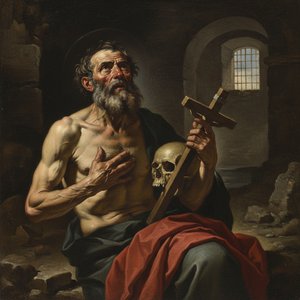
Jusepe de Ribera: Dramatic Realism & Spiritual Intensity in the Spanish Golden Age
Explore the powerful Baroque paintings of Jusepe de Ribera, master of tenebrism and dramatic realism. Discover his spiritual intensity, influence on Spanish art, and considerations for collectors. Expert insights at OriginalUniqueArt.
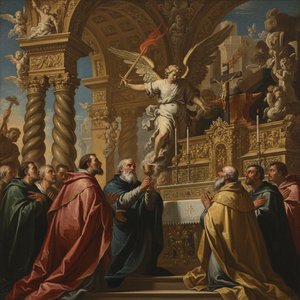
The Golden Age Reforged: Dramatic Realism & Religious Zeal in Spanish Baroque Art
Explore the dramatic world of Spanish Baroque art! Discover masters like Zurbarán & the powerful influence of religious zeal on painting techniques – a guide for collectors and enthusiasts.

A Barokk Mesterek 10 Legikonikusabb Remekműve – OriginalUniqueArt.com
Fedezze fel a barokk művészet 10 legpártosabb remekművét! Caravaggio, Rembrandt és Vermeer alkotásainak története – OriginalUniqueArt.com kínálatában exkluzív reprodukciók és inspiráló dekorációs ötletek várják Önt. Nézze meg most!
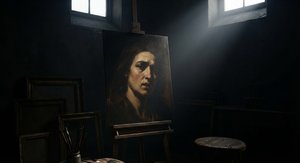
Chiaroscuro & Emotional Resonance: Exploring Dramatic Light in Western Painting
Explore the captivating world of chiaroscuro & tenebrism! Discover Caravaggio's influence, Baroque masters, and the enduring power of dramatic lighting in art history. Learn about these techniques with OriginalUniqueArt.

The Dramatic Flourish: Exploring the Baroque Movement's Enduring Legacy in Art History
Explore the dramatic world of Baroque art! Discover iconic artists like Caravaggio & Rubens, defining techniques, and its lasting impact on art history. Expert insights for collectors & enthusiasts at OriginalUniqueArt.