

 Előnézet
 Megosztás
 Megosztás
 Részletek
 Útmutató

 Letöltés
 Hasonló darabok
 X-ray felvétel
 Diavetítés
 Statisztika
Moving waves


 Tovább olvasom
Az ezen az oldalon megjelenített műalkotások szerzői jogi védelem alatt állnak, ami azt jelenti, hogy törvényileg nem készíthetünk és nem adhatunk el belőlük pontos másolatokat. Ez a védelem olyan nemzetközi megállapodások alapján érvényesül, mint például a Berni Egyezmény és a nemzeti törvények által, beleértve azokat is, amelyeket meghatározott Az USA szerzői jogi törvénye – 17. cím.
Ez a módszer teljes mértékben megfelel a szerzői jogi szabályozásnak, mivel nem tartalmazza a védett műalkotás másolását vagy duplikálását. Ehelyett ez egy kreatív újinterpretáció – egy új festmény, amely az eredetivel való összefüggései miatt hatással van rá, de nem az az.
Giclée / Műnyomat
Múzeumi minőségű giclée vagy vászonnyomat, gyors gyártással és rugalmas finomítási lehetőségekkel. ( Kézzel festett másolat vásárlása Áttérés digitális képre)




































Válasszon előre meghatározott méreteink közül, amelyek megfelelnek a műalkotás eredeti arányainak.

Írja be a keretének vagy a falának megfelelő szélességet és magasságot. A nyomatot csak le lehet vágni, soha nem tehető nagyobbá, mint az eredeti kép, így egy eltérő alakú méretnél a kép egy része elveszik. Mielőtt bármit kinyatintanánk, küldünk egy digitális próbamodellt jóváhagyásra. Az oldalon látható kép nem tartalmazza a valós levágást — ezt csak a próbamodell mutatja meg.
Világszerte történő kiszállítás területére mindössze 2 hét alatt, a szokásos 4-5 hét helyett. (22 október)

Ingyenes globális expressz szállítás

Prémium minőségű len vászon

Teljes körű szállítási biztosítás

Vámvisszatérítési Garancia

Tökéletes színarányosság garancia

100 napos visszaküldési garancia (csak gyártási hibás termékek esetén)

100% pénzvisszatérítési garancia

Több darab vásárlásakor kedvezmény
 Az üvegkeretes opció csak 110 cm alatti méretben érhető el

Moving waves
Giclée / Műnyomat
Reprodukció méretei
-


Összesített ár
Ft 25277
A művész életrajza
Julio Le Parc: A Life in Motion
Julio Le Parc (born September 23, 1928) is an Argentina-born artist celebrated for his pioneering work in both Op Art and Kinetic Art. His career has been marked by a commitment to challenging traditional artistic conventions and engaging viewers through interactive experiences.
Early Life and Education
Le Parc’s early life was shaped by modest economic circumstances. At the age of thirteen, he moved with his mother and brothers to Buenos Aires, where he attended the School of Fine Arts. This period proved formative, exposing him to the burgeoning artistic avant-garde movement in Argentina.
Artistic Development & Influences
Le Parc’s artistic journey began with a growing interest in exploring new forms of visual expression. He was influenced by:
- Constructivism: The emphasis on geometric abstraction and industrial materials resonated with his developing aesthetic.
- Concrete Art: This movement's focus on non-representational art, devoid of symbolic meaning, provided a foundation for his later work.
He quickly became a precursor to both Kinetic and Op Art, seeking to create artworks that engaged the viewer’s perception and challenged static notions of form.
Founding GRAV & International Recognition
A pivotal moment in Le Parc's career was his co-founding of the Groupe de Recherche d’Art Visuel (GRAV) in Paris in 1960. This collective aimed to investigate the possibilities of visual art through experimentation and collaboration. His work gained international acclaim, culminating in winning the Grand Prize for Painting at the 33rd Venice Biennale in 1966.
Key Characteristics & Themes
Le Parc’s artworks are characterized by:
- Geometric Abstraction: He employs precise geometric forms and patterns.
- Optical Illusions: His works often create dynamic visual effects that play with the viewer's perception of space and movement.
- Kinetic Elements: Many of his pieces incorporate actual or implied motion, inviting active participation from the audience.
- Light & Color: He masterfully utilizes light and color to enhance the perceptual experience.
Political Activism & Exile
Le Parc was not only an artist but also a socially conscious individual. In May 1968, he participated in the Atelier Populaire, a workshop that produced protest posters during the student uprisings in France. His involvement led to his expulsion from France, highlighting his commitment to political activism.
Later Life & Legacy
Following his exile, Le Parc continued to live and work in Cachan, France. He has remained a significant figure in modern art history, influencing generations of artists with his innovative approach to visual perception and interactive art. He was again bestowed the Konex Award from Argentina in 2022, recognizing his enduring impact.
Major Achievements & Historical Significance
Julio Le Parc’s contributions have been instrumental in expanding the boundaries of modern art. He:
- Pioneered the development of Op and Kinetic Art.
- Challenged traditional notions of artistic authorship and spectatorship.
- Demonstrated the power of art to engage with social and political issues.
His work continues to be exhibited in museums and galleries worldwide, solidifying his place as a leading figure in 20th and 21st-century art.

Julio Le Parc
1928 - , Argentina
Gyors információk
- Name: Julio Le Parc
- Movement:
- Op Art
- Kinetic Art
- Birth Date: September 23, 1928
- Birth Place: Mendoza, Argentina
- Nationality: Argentinian
- Date Of Birth: 1928
- Notable Works:
- Form in Contortion over Thread
- Moving waves
- Untitled
- Place Of Birth: Mendoza, Argentina
Kapcsolódó cikkek

Absztrakt Expresszionizmus Mesterei: 10 alkotás, ami meghatározta a művészetet | OriginalUniqueArt.com
Fedezze fel a 10 legikonikusabb absztrakt expresszionista alkotást! Ismerje meg Jackson Pollock, Mark Rothko és más mesterek történetét. Művészeti reprodukciók prémium minőségben – OriginalUniqueArt.com.

Geometrikus Absztrakció Mesterei: 10 Alapvető Műalkotás a Lakberendezéshez
Fedezze fel a geometrikus absztrakció 10 legikonikusabb műalkotását! Kandinsky, Mondrian és más mesterek festményeinek története inspirálja otthona dekorációját. Múzeumi minőségű reprodukciók a OriginalUniqueArt.com-on – fedezze fel online!

A Fekete Szín Mesterei: 10 Híres Festmény, Amelyek Elvarázsolnak – OriginalUniqueArt.com
Fedezze fel a 10 leghíresebb, fekete tónusú festményt! Rembrandt, Goya és Manet remekművei elvarázsolják. Művészettörténet, inspiráció otthonába – OriginalUniqueArt.com kínálatából. Fedezze fel a teljes gyűjteményt online!

Kandinsky Mesterművei: 25 Lenyűgöző Festmény a Modern Művészet Gyöngyszemeiből | OriginalUniqueArt
Fedezze fel Wassily Kandinsky 25 legikonikusabb művét! Merüljön el az absztrakt művészet világában, ismerje meg a színek és formák lenyűgöző történetét. Prémium minőségű reprodukciók és inspiráló dekorötletek a OriginalUniqueArt.com-on.
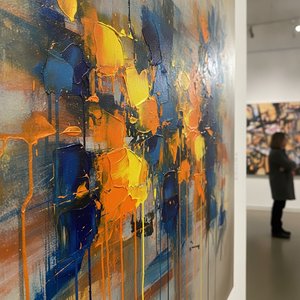
Beyond the Lines: Mastering the High-Impact World of Contemporary Abstraction
Master the high-impact world of contemporary abstraction. Discover how bold colors, textures, and modern movements like Abstract Expressionism can transform your space with premium, high-energy art curated for the design-conscious professional.