
 Megtekintés
 Küldés
 Megosztás
 Részletek
 Útmutató

 Letöltés
 Hasonló darabok
 X-ray felvétel
 Diavetítés
 Kérdések és válaszok
 Statisztika
VACHES AU BORD DE L'EAU


 Összes részlet megjelenítése
Giclée / Műnyomat
Múzeumi minőségű giclée vagy vászonnyomat, gyors gyártással és rugalmas finomítási lehetőségekkel. ( Kézzel festett másolat rendelése Áttérés digitális képre)




P118B Ft10

P118H Ft10

P118W Ft10

P438Z Ft10

P508JH Ft12

P508YH Ft12

P805H Ft10

P805Z Ft10

P919BZ Ft10

P919G Ft10

P919XJ Ft10

P959ZH Ft10

P968JZ Ft12

W106C Ft8

W218G Ft10

W218JH Ft8

W218Y Ft10

W307PJ Ft10

W316G Ft10

W316PJ Ft8

W316Y Ft10

W398PJ Ft8

W4111J Ft10

W500HY Ft15

W500JH Ft15

W692G Ft12

W849H Ft8

W940BG Ft15

W953PJ Ft8




Válasszon előre meghatározott méreteink közül, amelyek megfelelnek a műalkotás eredeti arányainak.

Írja be a keretének vagy a falának megfelelő szélességet és magasságot. A nyomatot csak le lehet vágni, soha nem tehető nagyobbá, mint az eredeti kép, így egy eltérő alakú méretnél a kép egy része elveszik. Mielőtt bármit kinyatintanánk, küldünk egy digitális próbamodellt jóváhagyásra. Az oldalon látható kép nem tartalmazza a valós levágást — ezt csak a próbamodell mutatja meg.
Világszerte történő kiszállítás területére mindössze 2 hét alatt, a szokásos 4-5 hét helyett. (7 november)

Ingyenes globális expressz szállítás

Prémium minőségű len vászon

Teljes körű szállítási biztosítás

Vámvisszatérítési Garancia

Hiteles színarányosság garancia

100 napos visszaküldési lehetőség (csak hibás termékek esetén)

100% pénzvisszatérítési garancia

Több darab vásárlásakor kedvezmény
 Az üvegkeretes opció csak 110 cm alatti méretben érhető el

VACHES AU BORD DE L'EAU
Giclée / Műnyomat
Reprodukció mérete
-


Összesített ár
Ft 26460
A Tempestuous Vision of Pastoral Tranquility
In the realm of nineteenth-century landscape painting, few works capture the visceral tension between peace and peril as masterfully as Jules Dupré’s “Vaches au Bord de l'Eau.” Painted in 1875, this evocative piece serves as a profound testament to the Barbizon School’s radical departure from the polished, idealized landscapes of the era. Rather than presenting a mere postcard of rural life, Dupré invites us into a moment of heavy anticipation. The scene, while ostensibly pastoral, is charged with the palpable drama of an impending storm. It is a meditation on the sublime—that breathtaking intersection where beauty meets the overwhelming, untamable forces of nature that remind us of our own smallness in the face of the infinite.
The composition is anchored by a magnificent, gnarled tree that dominates the center of the canvas. Its twisted branches reach across the sky like weathered fingers, acting as a symbol of resilience against the elements. Below this arboreal sentinel, the landscape unfolds in layers of deep, earthy tones. A tranquil body of water reflects the brooding sky, its surface mirroring the soft, diffused light of an overcast afternoon. Near the water's edge, several cows graze with a quiet, rhythmic grace, their presence providing a sense of grounded stability. This juxtaposition—the heavy, dark energy of the clouds against the slow, steady movement of the livestock—creates a psychological depth that draws the viewer into the very heart of the atmosphere.
The Mastery of Light and Texture
Dupré’s technique is a masterclass in en plein air realism. Eschewing the meticulous, almost clinical detail favored by academic painters, he utilized bold, expressive brushstrokes to convey movement and mood. One can almost feel the humidity in the air and the rustle of leaves driven by a rising wind. The artist’s use of color is particularly sonorous; he employs a palette of muted greens, rich browns, and somber grays that coalesce to create a sense of atmospheric perspective. As the eye moves toward the distant hills and buildings, the forms become softer and less defined, mimicking the way mist and moisture blur the horizon during a storm.
For the discerning collector or interior designer, this painting offers more than just visual beauty; it offers an emotional anchor for a space. The texture of the work—the visible impasto in the foliage and the smooth, reflective quality of the water—provides a tactile richness that elevates any room. Whether placed in a sunlit gallery or a moody, sophisticated study, “Vaches au Bord de l'Eau” brings with it an aura of historical significance and contemplative depth. It is a piece that does not merely decorate a wall but commands the atmosphere, inviting anyone who gazes upon it to pause and listen to the silent, approaching thunder of the natural world.
Kérdések és válaszok
A „VACHES AU BORD DE L'EAU”, Jules Dupré alkotása a művész honcountryjában található?
Nem – a műtárgy külföldön található. Jules Dupré Francia-ban született, a „VACHES AU BORD DE L'EAU” eredeti darabja pedig France-ban található múzeum gyűjteményében található.
Szabad-e jogilag másolni a(z) Louvre gyűjteményében található „VACHES AU BORD DE L'EAU”, Jules Dupré alkotása alkotást?
A "VACHES AU BORD DE L'EAU" eredeti műve a Louvre gyűjteményében található, az alkotás pedig közösségi tulajdon – a szerzői jog lejártt státuszú.
Szabadon reprodukálható-e a/az „VACHES AU BORD DE L'EAU”, Jules Dupré alkotása képe?
A „VACHES AU BORD DE L'EAU”, Jules Dupré alkotása szerzői jogi státusza: a mű közösségi tulajdon – a szerzői jog lejártt. Ez határozza meg, hogy a kép másolatai szabadon készíthetők-e.
A művész életrajza
A Barbizon drámai lelke
Jules Dupré (1811–1889) a Barbizon Iskola egyik alapköveként áll fent, egy olyan művészeti mozgalomként, amely a tájfestészetben a nyers megfigyelést és az érzelmi rezonanciát hirdette. Ellentétben kortársai dengan, például Corottal, akik gyakran a lírai szépséget és a nyugodt csendet keresték, Dupré a természet sötétenebb, viharosabb oldalával küzdött. Egyedülálló képességgel rendelkezett a viharok dühének, az alkonyat melankolikus pompájának és az elemek könyörtelen energiájának megörökítésében, ezeket a tapasztalatokat páratlan intenzitással közvetítve. Franciaország, Nantes városában született Dupré művészeti utazása a természetvilág iránti növekvő vonzalommmal és annak mély, gyakran viharos emberi érzéseket kiváltó képességével kezdődött.
Korai évei a részletek aprólékos figyelmére és a kézműves tudás becsülésére épített alapot biztosítottak, minőségeket, amelyeket apja porcelángyártó vállalkozása finomított. Ez a formáló tapasztalat később átültethetővé vált saját művészeti törekvéseiben, ami különösen korai munkáiban volt látható, amelyek a kerámia díszítés bonyolultságát kutatták. Porcelánfestő tanoncként megtanulta a finom vonalak és textúrák fegyelmét, egy olyan készségét, amely végül mesteri szintűvá vált az atmoszférik mélységének és az organikus formák tudatos kezelésében.
Viharként és égboltként formálódó vízió
Dupré pályájának irányát irrevocálisan meghatározta találkozása John Constable úttörő vászonaiéval. Az angol tájfestészeti hagyományoknak való ez a felfedezése felgyújtotta benne a vágyat, hogy megörökítse a természet dinamizmusának lényegét – a szél által mozgatott lombkorona könyörtelen ingadozását és a fény és árnyék drámatikus játékát a nap legváltozóbb óráiban. 1831-ben Great Brittániába utazva Dupré mély tanulmányokat végzett ezekről az angol mesterekről, és Franciaországba egy olyan képi gyűjteménnyel tért vissza, amely újradefiniálta a tájhoz való viszonyát.
Különös inspirációforrást talált Southampton és Plymouth környéki partvidéki területeken. A viharos égboltot tükröző hatalmas víztöredékek tökéletes laboratóriumot biztosított számára a viharfelhők zord mozgásának és a tenger hullámainak tanulásához. Ennek időszakának festményei nem csupán tájképek; érzelmi és hangulatközpontú kifejezések, amelyek tapintható drámaiságot és akár bánatot is sugároznak. A Barbizon esztétikájának befogadásával Dupré az expresszív színpalettákat és a határozott ecsetvonásokat részesítette előnyben az idealizált vagy csiszolt ábrázolások helyett, lehetővé téve, hogy maga a festék textúrája is tükrözze a föld tereptísztaságát.
A Barbizon mester öröksége
A Barbizon csoport kulcsfontosságú tagjaként Dupré szoros kapcsolatokat ápolt más legendás festőkkel, köztük Théodore Rousseauval. A francia művészeti életben való térnyerését jelentős mérföldkövek jellemezték, mint a Salonba való beavatása és a tájképeiért elismert hivatalos kitüntetései. Művészete összvonódott egy bizonyos hangzatos és rezonáló színharmóniával, ahol a lemenő nap fénye vagy egy közeledő vihar sötétségét a néző nemcsak láthatta, hanem érezhette is.
Napjainkban Jules Dupré a 19. századi francia tájfestészet egyik legbefolyásosabb művészeként él a nemzet emlékezetében. Művészeti hozzájárulása abban rejlik, hogy képes volt áthidalni a szakadékot a tiszta megfigyelés és a romantikus érzelem között. Olyan alkotásokon keresztül, mint a La Petite Charrette, a Cows Crossing a Ford, valamint folyóvidék lenyűgöző ábrázolása révén megtanította a művészek generációit, hogy a természet nem csupán festendő tárgy, hanem egy hatalmas erő, amelyet át kell élni. Öröksége bele van vésve a nehéz, atmoszférikus textúrákba és a drámai, lélegző égboltokba, amelyek ma is lenyűgözik a modern képzeletet.

Jules Dupré
1811 - 1889 , Francia
Rövid információk
- Artistic Movement Or Style: Barbizon-iskola
- Artists Or Movements Influenced By This Artist: ['Romantikus festészet']
- Artists Who Influenced This Artist: ['Constable']
- Date Of Birth: Nantes, Francia (1811)
- Date Of Death: 1889. október 6.
- Full Name: Jules Dupré
- Nationality: Franciai
- Notable Artworks:
- Reggeli és esti jelenet a Louvre-ban
- Szakadék átkelése a Wallace gyűjteményében
- Place Of Birth: Francia
Kapcsolódó cikkek

Evoking Nature's Sublime: A Comprehensive Exploration of 19th-Century Landscape Painting
Explore the captivating world of 19th-century landscape painting! Discover renowned artists like Friedrich & Monet, key movements, and find the perfect artwork to bring nature's serenity into your home. Expert insights at OriginalUniqueArt.
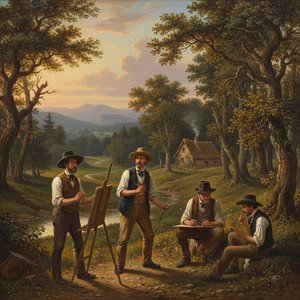
The Barbizon School: Pioneering Realism & the Pastoral Vision in 19th-Century French Painting
Explore the Barbizon School's pivotal role in 19th-century French painting. Discover how these artists revolutionized landscape art with their commitment to Realism and a profound connection to nature. Learn about key figures like Rousseau, Millet & Corot.
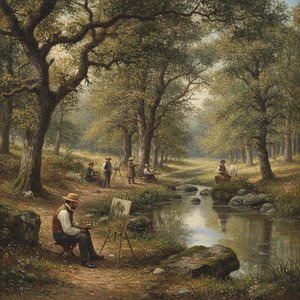
The Barbizon School: The Revolution of Naturalism and the Birth of Plein Air Landscape Painting
Explore the profound impact of the Barbizon School on landscape painting. Discover how masters like Rousseau and Corot revolutionized art through plein air naturalism, moving from academic idealism to the authentic beauty of the French countryside.

Idyllic Visions: Exploring the Pastoral Scene in Art History – From Arcadia to Modern Interpretations
Explore the captivating history of pastoral art from classical Arcadia to modern masterpieces. Discover key artists like Millet & Cole at OriginalUniqueArt. Find serene landscape paintings for your home.

The Barbizon School: A Professional Guide to Naturalism and Landscape Mastery for Interior Designers
Explore the Barbizon School's mastery of naturalism. An expert guide for hotel designers and procurement managers on sourcing high-quality landscape reproductions to elevate hospitality and corporate interiors with authentic, large-scale fine art solutions.