
 Megtekintés
 Küldés
 Megosztás
 Részletek
 Útmutató

 Letöltés
 Hasonló darabok
 X-ray felvétel
 Diavetítés
 Q&A
Q&A Statisztika
Pietà

- 161.0 x 144.0 cm


 Összes részlet megjelenítése
Giclée / Műnyomat
Múzeumi minőségű giclée vagy vászonnyomat, gyors gyártással és rugalmas finomítási lehetőségekkel. ( Kézzel festett másolat rendelése Áttérés digitális képre)




P118B Ft10

P118H Ft10

P118W Ft10

P438Z Ft10

P508JH Ft12

P508YH Ft12

P805H Ft10

P805Z Ft10

P919BZ Ft10

P919G Ft10

P919XJ Ft10

P959ZH Ft10

P968JZ Ft12

W106C Ft8

W218G Ft10

W218JH Ft8

W218Y Ft10

W307PJ Ft10

W316G Ft10

W316PJ Ft8

W316Y Ft10

W398PJ Ft8

W4111J Ft10

W500HY Ft15

W500JH Ft15

W692G Ft12

W849H Ft8

W940BG Ft15

W953PJ Ft8




Válasszon előre meghatározott méreteink közül, amelyek megfelelnek a műalkotás eredeti arányainak.

Írja be a keretének vagy a falának megfelelő szélességet és magasságot. A nyomatot csak le lehet vágni, soha nem tehető nagyobbá, mint az eredeti kép, így egy eltérő alakú méretnél a kép egy része elveszik. Mielőtt bármit kinyatintanánk, küldünk egy digitális próbamodellt jóváhagyásra. Az oldalon látható kép nem tartalmazza a valós levágást — ezt csak a próbamodell mutatja meg.
Világszerte történő kiszállítás területére mindössze 2 hét alatt, a szokásos 4-5 hét helyett. (1 november)

Ingyenes globális expressz szállítás

Prémium minőségű len vászon

Teljes körű szállítási biztosítás

Vámvisszatérítési Garancia

Hiteles színarányosság garancia

100 napos visszaküldési lehetőség (csak hibás termékek esetén)

100% pénzvisszatérítési garancia

Több darab vásárlásakor kedvezmény
 Az üvegkeretes opció csak 110 cm alatti méretben érhető el

Pietà
Giclée / Műnyomat
Reprodukció mérete
-


Összesített ár
Ft 26198
The Heart of Sorrow: An Exploration of Valdés Leal’s Pietà
Juan de Valdés Leal's 1657 “Pietà” is not merely a depiction of grief; it’s an immersion into the profound sorrow and spiritual weight of Christian iconography. Born in Seville during the height of the Spanish Baroque, Leal was deeply influenced by the traditions of theatrical sculpture, particularly the evocative “pasos”—elaborate processions featuring religious figures rendered with intense emotion—a practice common in Spain. This painting transcends simple representation, aiming instead to evoke a visceral response from the viewer, mirroring the agony of Mary Magdalene cradling the lifeless body of Christ.
The subject itself – the Pietà – has resonated through Western art for centuries. It’s a timeless image: the Virgin Mary, serene yet heartbroken, holding her son after his crucifixion. Leal masterfully captures this essence, moving beyond the idealized beauty often associated with depictions of the Madonna. Instead, we see a woman marked by sorrow, her expression a complex blend of grief and acceptance. The composition is deliberately tight, drawing our focus entirely to the central figures – a deliberate choice that intensifies the emotional impact. The diagonal line created by Christ’s body, sloping from left to right, guides the eye through the scene, mirroring the descent into despair.
Baroque Drama: Technique and Composition
Leal's mastery lies in his skillful deployment of Baroque techniques. The painting is dominated by *chiaroscuro*, a dramatic contrast between light and dark that sculpts the figures and imbues the scene with an almost theatrical quality. Light focuses intensely on Mary Magdalene and Christ’s body, casting deep shadows around them – these aren't merely stylistic choices; they symbolize the darkness of sin and suffering. The artist employs impasto—thickly applied paint—to create a richly textured surface, adding depth and physicality to the figures. Brushstrokes are bold and expressive, conveying movement and emotion with every mark.
The flattened perspective, characteristic of Baroque art, prioritizes emotional impact over strict realism. Leal doesn’t strive for photographic accuracy; instead, he uses color and form to create a heightened sense of drama and immediacy. The muted palette—primarily dark browns, reds, and blues—contributes to the somber atmosphere, reinforcing the theme of loss and mourning. The use of strong lines further emphasizes the dynamism of the scene, preventing it from feeling static or lifeless.
Symbolism and Spiritual Resonance
Beyond its visual power, the “Pietà” is rich in symbolism. The image directly references Christian iconography, but Leal imbues it with a distinctly Spanish sensibility. The gruesome details of Christ’s suffering—a hallmark of Spanish religious art—are not presented gratuitously; they serve to heighten the spiritual fervor and underscore the sacrifice made for humanity's salvation. Mary Magdalene’s posture – cradling the body with unwavering devotion – represents faith, loyalty, and acceptance of God’s will.
The scene as a whole speaks to universal themes of grief, loss, and redemption. It invites contemplation on mortality, suffering, and the enduring power of love and compassion. Leal's “Pietà” is more than just a religious painting; it’s a profound meditation on the human condition, rendered with breathtaking skill and emotional intensity.
Kérdések és válaszok
Hogyan írható le „Pietà”, Juan de Valdés Leal alkotása hangulata?
„Pietà”, Juan de Valdés Leal alkotása művészeti alkotásának összhangulata Dramatic. Ez az érzet foglalja össze a mű általános atmoszféráját.
Mennyire erős a kontraszt a(z) „Pietà”, Juan de Valdés Leal alkotása alkotásban?
A „Pietà”, Juan de Valdés Leal alkotása Gentle kontrasztot mutat a világos és sötét részek között.
Mely paletta és domináns szín határozza meg a "Pietà" alkotást?
A „Pietà”, Juan de Valdés Leal alkotása egy Earthy színpalettát használ, melynek domináns színe a Gray (#938366).
A művész életrajza
korai élet és képzés
juan de valdés leal, a Spanyolország egyik leghírveszttebb festője és metszőművésze, 1622. május 4-én született Sevillában. Művészete rendkívüli sokoldalúságot mutatott, hiszen nemcsak festőként, hanem szobrászként és építészként is megmutatta tehetségét a művészeti világban. Már fiatal korában, húszas éveire, Córdobaban antonio del castillo mester tanítványa lett, ahol a barokk kor egyik legfontosabb képességét, a drámai kifejezést finomította.kiemelt művek és együttműködések
valdés leal alkotásai között olyan lenyűgöző darabok találkozhatunk, mint az élias próféta története a karmeliták templomának, vagy a szent andrás vértűje a córdobai san francesco templomban, valamint a kereszttriumf a szevillai la caridad számára. Ezek a művek lenyűgöző módon mutatják meg képességét a sötét és drámai témák megörökítésében, gyakran f着szólva a vanitas, az elmulás és a halandóság motívumairól. Munkássága egyik legmeghatározóbb része az együttműködés bartolomé esteban murillóval, egy olyan kortársaival, akinek stílusa inkább a békés és nyugodt tónusokat idézte; ez a szoros szakmai kapcsolat vezetett a szevillai művészeti akadémia 1656-os alapításához.személyes élet és örökség
valdés leal 1647-ben házasodott össze isabella carasquillával, aki szintén festőművész volt. A házasság során öt gyermek jött életre, akik közül több is követte az apja útját a művészetben, mint például lucas, maria és laura. Valdés leal 1m90. október 15-én távozott el e dünyából Sevillában, de olyan mély nyomot hagyott benne, amely azóta is meghatározza a barokk festészet történetét.műalkotásai megtekintése az OriginalUniqueArt.com oldalon
ha további valdés leal-művek felfedezését szeretné, látogasson el erre a helyre: https://OriginalUniqueArt.com/@/juan de valdés leal, ahol az alábbiakat találhatja:- 165 műalkotás juan de valdés lealtól
- múzeumi minőségű másolatok festményeiről
- a korszakra jellemző barokk művészeti stílus wikipedia: juan de valdés leal
fedezzen fel többet az OriginalUniqueArt.com oldalán
- museo de bellas artes de asturias (spanyolország): fedezze fel a múzeum gyűjteményét, amely az európai művészet 12. századától a 20. század elejéig terjedő kincseit őrzi.
- szevillai szépművészeti múzeum, spanyolország: ismerje meg a múzeum történetét, gyűjteményét és látogatási információit. élje át a művészet világát az OriginalUniqueArt.com segítségével

Juan de Valdés Leal
1622 - 1690 , Spanyolország
Rövid információk
- Artistic Movement Or Style: Baroque painting
- Artists Or Movements Influenced By This Artist: ['Bartolomé Esteban Murillo']
- Artists Who Influenced This Artist:
- Antonio del Castillo
- Francisco de Herrera
- Date Of Birth: May 4, 1622
- Date Of Death: October 15, 1690
- Full Name: Juan de Nisa Valdés Leal
- Nationality: Spanish
- Notable Artworks:
- History of the Prophet Elias
- Martyrdom of St. Andrew
- Triumph of the Cross
- Place Of Birth: Seville, Spain
Kapcsolódó cikkek

Barokk dráma: A nagyság és az érzelem bevonása a kortárs belső terekbe
Fedezze fel a barokk stílus nagyságát és drámáját! Ismerje meg a belsőépítészet jellegzetességeit, inspirálódjon híres enteriőrökből, és valósítsa meg álmai luxus otthonát szakértő útmutatásunkkal.

Rólunk
Fedezze fel történetünket! A világ legjobb művészetét hozzuk az életébe szakértő válogatással, egyedi alkotásokkal és ingyenes betekintésekkel. Magánszemélyek és vállalkozások számára is elismert 2000 óta.
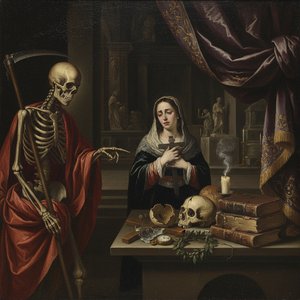
Juan de Valdés Leal: Baroque Realism, Memento Mori & Theatricality of Spanish Grief
Explore the powerful Baroque realism of Juan de Valdés Leal (1622-1690). Discover his somber masterpieces, iconic 'In Ictu Oculi', and profound explorations of mortality. Museum-quality reproductions available at OriginalUniqueArt.

Goya Mesterművei: A Spanyol Lélek 25 Legikonikus Képe – OriginalUniqueArt
Fedezze fel Goya 25 leglenyűgözőbb mesterművét! Ismerje meg a spanyol festő életművét, portréit és ikonikus képeit. Vásároljon prémium minőségű reprodukciókat a OriginalUniqueArt.com-on, és teremtsen egyedi otthoni dekorációt klasszikus művészettel! Explore the full collection online.

The Dramatic Flourish: Exploring the Baroque Movement's Enduring Legacy in Art History
Explore the dramatic world of Baroque art! Discover iconic artists like Caravaggio & Rubens, defining techniques, and its lasting impact on art history. Expert insights for collectors & enthusiasts at OriginalUniqueArt.
