

 Előnézet
 Megosztás
 Megosztás
 Részletek
 Útmutató

 Letöltés
 Hasonló darabok
 X-ray felvétel
 Diavetítés
 Statisztika
Still Life


 Tovább olvasom
Giclée / Műnyomat
Múzeumi minőségű giclée vagy vászonnyomat, gyors gyártással és rugalmas finomítási lehetőségekkel. ( Kézzel festett másolat vásárlása Áttérés digitális képre)




P118B Ft10

P118H Ft10

P118W Ft10

P438Z Ft10

P508JH Ft12

P508YH Ft12

P805H Ft10

P805Z Ft10

P919BZ Ft10

P919G Ft10

P919XJ Ft10

P959ZH Ft10

P968JZ Ft12

W106C Ft8

W218G Ft10

W218JH Ft8

W218Y Ft10

W307PJ Ft10

W316G Ft10

W316PJ Ft8

W316Y Ft10

W398PJ Ft8

W4111J Ft10

W500HY Ft15

W500JH Ft15

W692G Ft12

W849H Ft8

W940BG Ft15

W953PJ Ft8




Válasszon előre meghatározott méreteink közül, amelyek megfelelnek a műalkotás eredeti arányainak.

Írja be a keretének vagy a falának megfelelő szélességet és magasságot. A nyomatot csak le lehet vágni, soha nem tehető nagyobbá, mint az eredeti kép, így egy eltérő alakú méretnél a kép egy része elveszik. Mielőtt bármit kinyatintanánk, küldünk egy digitális próbamodellt jóváhagyásra. Az oldalon látható kép nem tartalmazza a valós levágást — ezt csak a próbamodell mutatja meg.
Világszerte történő kiszállítás területére mindössze 2 hét alatt, a szokásos 4-5 hét helyett. (24 október)

Ingyenes globális expressz szállítás

Prémium minőségű len vászon

Teljes körű szállítási biztosítás

Vámvisszatérítési Garancia

Tökéletes színarányosság garancia

100 napos visszaküldési garancia (csak gyártási hibás termékek esetén)

100% pénzvisszatérítési garancia

Több darab vásárlásakor kedvezmény
 Az üvegkeretes opció csak 110 cm alatti méretben érhető el

Still Life
Giclée / Műnyomat
Reprodukció méretei
-


Összesített ár
Ft 25718
Juan de Arellano: A Master of Floral Still Life
Juan de Arellano (1614 – 1676) stands as a singular figure in the Baroque art landscape of Spain, celebrated primarily for his breathtaking floral still life paintings. Born in Santorcaz, near Madrid—a city that would become synonymous with his artistic legacy—Arellano’s life unfolded amidst the opulent patronage of Philip III and witnessed the burgeoning influence of Flemish and Italian artistic traditions. While biographical details remain somewhat sparse, he emerged as a student under Juan de Solís, whose landscapes offered a contrasting aesthetic to Arellano's focused dedication to botanical representation. His work embodies the spirit of the era—a fascination with observation, meticulous detail, and an attempt to capture not merely what is seen but also what is felt.- Style: Arellano’s style firmly rooted itself within the Baroque tradition, inheriting its dramatic chiaroscuro techniques and embracing a humanist sensibility that prioritized natural beauty and contemplation. However, unlike many of his contemporaries who sought grandeur and spectacle, he opted for a quieter, more intimate portrayal of nature—a deliberate choice reflecting the prevailing taste for decorative art during Philip III’s reign.
- Technique: Arellano excelled in oil painting on linen, utilizing layering and glazing methods to achieve remarkable luminosity and depth. He painstakingly rendered individual petals, stems, and leaves with astonishing accuracy, capturing subtle variations in color and texture—a testament to his mastery of observation and artistic skill. The artist’s meticulous approach ensured that each flower seemed to pulsate with life on the canvas.
The Influence of Flemish Masters
Like many artists of his era, Arellano absorbed the stylistic precepts of Flemish masters such as Daniel Seghers and Mario Nuzzi. These influences instilled in him a meticulous attention to detail and a masterful command of chiaroscuro—the dramatic interplay of light and shadow—techniques characteristic of Northern Baroque painting. Seghers’ landscapes taught Arellano how to convey atmosphere and perspective, while Nuzzi's flower paintings demonstrated the importance of capturing delicate nuances of color and form. This synthesis of artistic influences resulted in a distinctive visual language that distinguishes Arellano’s oeuvre from other Spanish painters of his time.Symbolism and Emotional Resonance
Beyond mere aesthetic beauty, Arellano's floral still lifes carried profound symbolic meaning—a hallmark of Baroque art. Flowers were frequently employed to convey concepts of mortality, remembrance, and spiritual contemplation, reflecting the anxieties of a society grappling with religious dogma and facing imminent death. The artist’s careful composition—often featuring birds perched atop vases or flowers—reinforced these themes, inviting viewers to engage in introspection and consider the ephemeral nature of existence. His paintings evoke a sense of serenity and melancholy, capturing the fleeting beauty of the natural world while simultaneously prompting reflection on human mortality.Notable Works
Among Arellano’s most celebrated pieces are “Bouquet of Flowers” (c.1660), currently housed in the Museo del Prado, Madrid—a masterful depiction of roses and lilies bathed in soft light—and “Garland of Flowers, Birds and Butterfly,” displayed at The Louvre. He also executed commissions for the sacristy of San Jerónimo el Real, showcasing his versatility as an artist. Furthermore, reproductions of his paintings can be found in museums across Europe, including Bilbao Fine Arts Museum and The Royal Academy of Fine Arts of San Fernando. Examining these artworks offers a glimpse into the artistic sensibilities of a pivotal moment in Spanish Baroque history.Gyakran Ismételt Kérdések
A „Still Life”, Juan De Arellano alkotása művész honcountryban található?
Nem – a műtárgy külföldön található. A „Still Life” mű Amerikai Egyesült Államok múzeumának gyűjteményében található, míg Juan De Arellano Spanyolország országban született.
A dátum alapján Still Life melyik szakaszába tartozik Juan De Arellano pályájának?
A 1600 évszám a "Still Life" alkotást Juan De Arellano fejlődésének Mature Period szakaszába helyezi.
Ki a "Still Life" alkotója?
A "Still Life" alkotója Juan De Arellano. A mű Juan De Arellano nevére van katalógusozva.
A művész életrajza
A botanikai pomp mestere
A spanyol barokk aranykorában kevés olyan művész képesettel foglalta volna össze a természet múló szépségét annyira pontosan és szenvedélyesen, mint Juan de Arellano. 1614-ben született Santorcazban, Madrid vibráló szíve közelében; Arellano egy olyan évszázad egyedülálló erejévé vált, amelyet gyakran a drámai vallási fervor és a komoly, sötét realizmus határoz meg. Miközben kortársai gyakran fordultak a monumentális történelmi narratívák vagy az intenzív mártíriumjelenetek felé, Arellano a sziromok és szárak finom, néma nyelvében találta hivatását. Élete és művészete a spanyol érzékesség és a flamandi, valamint az olasz iskolák dús, díszes hagyományai mesteri találkozását képviseli, olyan örökséget teremtve, amely a xvii. századi virágnaturétás festészet egyik alapköve maradt.
Arellano művészetének alapjait Juan de Solís irányítása alatt fektette, egy olyan festő segítetében, akinek tájfestészeti szakértelme strukturális hátteret biztosított a művész növekvő botanikai érdeklődéséhez. Azonban az európai művészeti áramlatok szélesebb körű hatása formálta igazán látásmódját. Daniel Seghers flamandi mesterek aprólékos, szinte tudományos precizitásának és olyan olasz festők, mint Mario Nuzzi, drámai, fényáztatott kompozícióinak befogadásával Arellano egy egyedi stilisztikai szavazatrendszert fejlesztett ki. Mesterévé vált a chiaroscuro-nak, a fény és árnyék mély kölcsönhatásának használatának, amely élettel töltötte meg minden ábrázolt rózsát, tulipánt és liliomt.
A precizitás és a pragmatizmus látomása
Fascináló dualitás rejlik Arellano karrierjének történetében – a művészeti elkötelezettség és a éles szakmai intelligencia ötvözete. A történelmi feljegyzések arra utalnak, hogy a művész tudatos döntés alapján szakosodott kizárólag a virágnaturéták felé. Ez nem csupán esztétikai preferencia volt, hanem pragmatikus döntés is; ezzel az egyedi műfajra összpontosítva hatékonyabban navigálhatott a fejlődő művészeti piacon, olyan keresett botanikai tanulmányokat kínálva, amelyek egyszerre jövedelmezőek és kevésbé igényesek voltak, mint az oltáris festményekhez szükséges monumentális vásznak. Ez a fókusz lehetővé tette számára, hogy el reaches elválaszthatatlan technikai mesterségességet, minden egyes vásznat a hiperrealista szépség ablakává változtatva.
Kompozíciói messze túlmutatnak az egyszerű növényi tömegrendezéseken; ezek a színek és formák gondosan megorchestrált drámái. Az ő kezében egy csokor összetett szövegvé válik a textúra és a fény történetéről. Rendkívüli képességgel rendelkezett arra, hogy megragadja egy virág virágzásának legátmenetibb pillanatait – egy hervadó szirom enyhe behajlását, egy levél harmatos csillogását vagy egy napsugár által megvilágított szirom áttetszőségét. Ecsetvonásán keresztül a néző egy békés kontempláció térszét kap, ahol a természet világának múló szépsége örök, vibráló tökéletességben fagyasztva áll.
Örökség és művészeti jelentőség
Juan de Arellano történelmi jelentősége abban rejlik, hogy képes volt emelni a virágnaturétást egy másodlagos műfajból a művészeti kifejezés mély médiumává. Művészete létfontosságú összekötőelem a korai barokk nehéz, szimbolikus hagyományai és a későbbi, dekoratívabb, fénygazdag esztétika között. Festményein keresztül látjuk az nemzetközi stílusok hatását, amelyek egyértelműen spanyol eleganciával harmonizálnak, olyan alkotást alkotva, amely határokat áthidal.
Napjutageleg Arellano életművének hatása a világ számos neves múzeumának csarnokaiban érezhető, ahol ikonikus virágcsokrai ma is lenyűgözik a közönséget. Művészeti hozzájárulásai közé tartozik:
- Technikai innováció: A fény és árnyék kifinomult alkalmazása a háromdimenziós botanikai realizmus megteremtéséhez.
- Műfaj emelése: A virágnaturéta átalakítása egy tekintélyes témává, amely képes mély érzelmi és szimbolikus mélységre.
- Kulturális szintézis: A flamandi részletesség és az olasz dráma, valamint a spanyol kegység sikeres egyesítése, egy egyedülálló európai esztétika létrehozása.
Ahogy műremekei, például híres Bouquet of Flowers (Virágcsokor) című alkotása előtt állunk, emlékeztet minket arra, hogy a valódi művészet az apróságban rejlő végtelenség és a legkegyesebb, legátmenetebb dolgokban rejlő örök szépség megtalálásának képessége.

Juan De Arellano
1614 - 1676 , Spanyolország
Gyors információk
- Artistic Movement Or Style: Barokk
- Artists Or Movements Influenced By This Artist: ['Daniel Seghers']
- Artists Who Influenced This Artist: ['Juan de Solís']
- Date Of Birth: 1614
- Date Of Death: 1676
- Full Name: Juan de Arellano
- Nationality: Spanyol
- Notable Artworks:
- Virágcs束
- Virágkoszorú
- Place Of Birth: Santorcaz, Spanyolország
Kapcsolódó cikkek

A Hollandi Barokk 10 Mesterműve: Festmények, Amelyek Megváltoztatták a Világot | OriginalUniqueArt
Fedezze fel a holland barokk 10 legikonikusabb műalkotását! Rembrandt, Vermeer és más mesterek festményeinek története, technikája és időtálló szépsége. Művészeti reprodukciók prémium minőségben – OriginalUniqueArt.com.
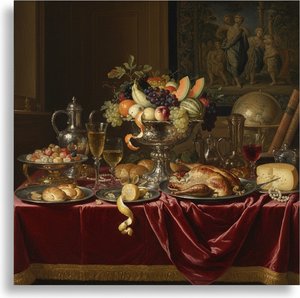
Abraham Hendricksz van Beyeren: Pioneering Dutch Still Life & the Banquet Tradition
Explore the captivating world of Dutch Golden Age still life with Abraham van Beyeren. Discover his innovative techniques, symbolic banquet scenes & lasting influence on art history. Learn about collecting these masterpieces.
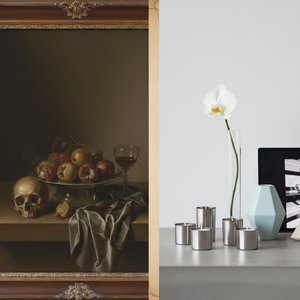
The Enduring Appeal of Still Life: A Historical & Contemporary Exploration
Explore the rich history & symbolism of still life painting with OriginalUniqueArt. Discover masterpieces from the Dutch Golden Age, learn about vanitas art, and find expert guidance for collecting timeless artworks.

Silent Narratives: Exploring the Enduring Appeal of Still Life Painting Across Centuries
Explore the rich history of still life painting with OriginalUniqueArt. Discover Dutch Masters, decode vanitas symbolism & learn about collecting timeless art. Expert insights and museum-quality reproductions.

Golden Age Reflections: Dutch Baroque Painting & Cultural Innovation
Explore the Dutch Golden Age of painting! Discover key artists like Vermeer & ter Borch, their innovative techniques, and the rich cultural context behind these Baroque masterpieces. Learn about collecting & appreciating this iconic art period.