
 Megtekintés
 Küldés
 Megosztás
 Részletek

 Letöltés
 Hasonló darabok
 X-ray felvétel
 Diavetítés
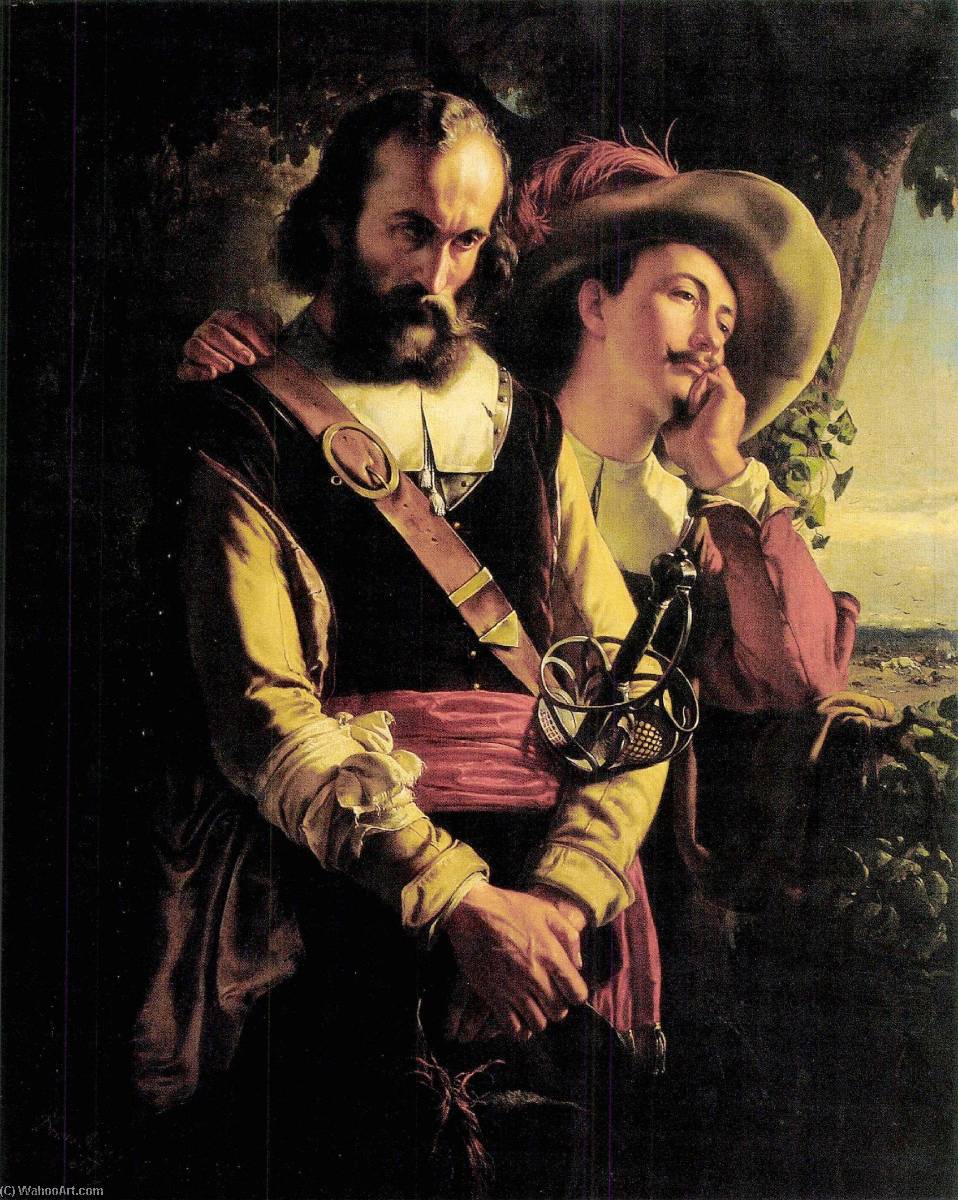
After the Battle
 1854
1854 131.0 x 106.0 cm
 Neue Galerie am Landesmuseum Joanneum
 Összes részlet megjelenítése
Vásároljon nagy felbontású, javított digitális képet, amely minőségében messze felülmúlja az online előnézetet.
Minden fájlt szakembereink a legmodernebb eszközök és precíz, kézi retusálás segítségével készítenek el aprólékosan. Gondoskodunk arról, hogy minden kép kivételes tisztasággal, pontos színhelyességgel és részletgazdag finomsággal rendelkezzen.
A végleges fájl 72 órán belül e-mailben megérkezik, professzionális, szerkesztői és nyomtatási környezetbe optimalizálva az azonnali használathoz. Ez ugyanaz a minőség, amelyben a legmeghatározóbb tervezőstúdiók, kiadók és galériák is megbízhatnak.
Digitális kép
Töltsön le nagy felbontású fájlt személyes kiállításokhoz, nyomtatáshoz és kreatív projektekhez. ( Nyomat rendelése Kézzel festett másolat rendelése)
Minden digitális kép rendeléséhez tartozó extrák
Szakértői digitális kézbesítés, garantáltan
Amikor a OriginalUniqueArt.com szolgáltatást választja, nem csupán egy képet kap – professzionálisan felmagasított digitális műalkotást kap, amely precizitással készült, és amelyet megelégsedési gwarancia tesz biztoslássá. Az alábbiakban automatikusan minden benne 】

Gyors e-mail teslimítés
A nagy felbontású digitális képmásolatát a megrendelést követő 72 órán belül e-mailben elküldjük Önnek – azonnal használható formátumban.

MI-alapú digitális fejlesztésű fájl
Műve professzionális módon kerül optimalizálásra fejlett mesterséges intelligencia eszközök és manuális szerkesztés segítségével, biztosítva a maximális részletességet, tisztaságot és színpontosságot.

Örök életű ingyenes újradelivery
Véletlenül törölted vagy elvesztetted a fájlodat? Ne aggódj – bármikor ingyen újra megküldjük neked.

Nincs importköltség – soha
Élvezze műalkotásait azonnal, vám, illeték vagy szállítási költség nélkül – a digitális letöltések mindig adamentesek.

Színpontosság garantálása
Professzionális eszközök és színkezelés segítségével garantáljuk, hogy digitális képe a lehető legpontosabban tükrözze az eredeti színeket.

60 napos elégedettségi garancia
Ha nemມີ elégedett a digitális képpel, 60 napon belül átmunkáljuk azt, vagy 100% visszatérítjük az amountot – kérdés nélkül.

100% Pénzvisszatérítési garancia
Nem érheted el a teljes elégedettséget? 60 napon belül teljes visszatérítést kapsz a digitális fájlod megérkezése után – kérdés nélkül.

Tömegrendelési kedvezmények
Vásároljon 3 képet, spóroljon 10%-et - Vásároljon 5-öt, spóroljon 15%-et - Vásároljon 10+ képet, spóroljon 20%-at. Kiváló kreatív projektekhez, galériákhoz és ügynökségekhez.
A művész életrajza
A Life Painted in Light: The World of József Borsos
József Borsos, a name perhaps less familiar than some of his contemporaries, nevertheless occupies a significant niche within the tapestry of 19th-century Hungarian art. Born in 1821, Borsos was a man caught between worlds – a skilled portraitist steeped in the traditions of Biedermeier aesthetics who found himself increasingly challenged by the burgeoning power of photography. His life story is one of artistic promise, societal success, financial hardship, and ultimately, adaptation in the face of change. He wasn’t merely a painter; he was a chronicler of his time, capturing the essence of distinguished Hungarians and offering glimpses into the everyday lives of the middle class with a delicate realism that resonated deeply with his patrons.Vienna's Embrace and Early Success
Borsos received his formal artistic training in Vienna, a city then brimming with cultural energy and serving as a vital crossroads for European artistic movements. It was here that he honed his skills, developing a style characterized by meticulous detail, harmonious compositions, and a subtle yet powerful use of color. His early work quickly garnered attention, particularly his portraits of prominent figures within Hungarian society. These were not simply likenesses; they were statements of status, carefully constructed images designed to convey the sitter’s importance and refinement. Alongside these commissions, Borsos also found success with his “genre” paintings – scenes depicting everyday life, imbued with a quiet dignity and emotional warmth. Works like Portrait of Kristóf Hegedűs (1844), Wine, Woman, Love (1847) and Girls after the Ball (1850) exemplify this period, showcasing his ability to capture both individual character and a broader sense of social atmosphere. The popularity of these paintings stemmed from their accessibility; they offered viewers a relatable window into a world they aspired to or recognized as their own.The Allure of Biedermeier and Artistic Style
Borsos is most often categorized as an artist of the Biedermeier period, and rightly so. This artistic movement, flourishing in the post-Napoleonic era, emphasized domesticity, sentimentality, and a focus on middle-class life. However, Borsos’s work transcends simple categorization. While he embraced the typically Biedermeier palette – realistic, strong yet delicate colors – his compositions possessed a sophistication that elevated him above many of his peers. He wasn't simply replicating scenes; he was interpreting them through a lens of refined observation and technical skill. His paintings are characterized by a sense of harmonic balance, achieved through careful attention to light, shadow, and the arrangement of figures within the frame. There’s a quiet intimacy in his work, a feeling that the viewer is privy to a private moment, carefully preserved on canvas. He excelled at portraying textures – the sheen of silk, the warmth of wood, the delicate flush of skin – bringing a tangible quality to his depictions.From Pest's Patronage to Photographic Pursuits
In 1861, Borsos made the move from Vienna to Pest (now part of Budapest). This relocation was precipitated by financial setbacks following losses in the stock exchange, a harsh reminder that artistic success did not always equate to economic security. The art market in Pest was thriving, but it was also becoming increasingly competitive. More significantly, photography was rapidly gaining popularity, posing a direct threat to the traditional portrait painting business. Unable to compete with the speed and affordability of photographic reproduction, Borsos astutely adapted to the changing times by opening his own photographic studio. This transition speaks volumes about his pragmatism and willingness to embrace new technologies. While he continued to paint, photography became his primary source of income. He ultimately died as the owner of a restaurant named “Szép Juhászné”, a poignant end for an artist who had once captured the portraits of Hungary’s elite.A Lasting Legacy: Works and Historical Significance
Despite the challenges he faced, József Borsos left behind a substantial body of work that continues to offer valuable insights into 19th-century Hungarian society and artistic sensibilities. His paintings – including Alms, Sunset, The Letter, Grapes or a Kiss, National Guard, Bathing Women, portraits of Zitterbach the architect, and Ferenc Pulszky – are scattered across museums and private collections. While perhaps not as widely celebrated as some of his contemporaries, Borsos’s work is increasingly recognized for its technical skill, emotional depth, and historical significance. He stands as a testament to the adaptability of artists in the face of technological change, and his paintings remain captivating glimpses into a bygone era – a world painted with light, realism, and a quiet dignity that continues to resonate with viewers today. His connection to Villa Róma and the Rippl-Rónai Museum further solidifies his place within Hungary’s rich artistic heritage.
józsef borsos
1821 - 1883
Érdekességek
- Artistic Movement Or Style: Biedermeier
- Artists Or Movements Influenced By This Artist: ['Romanticism']
- Artists Who Influenced This Artist: ['Gustav Klimt']
- Date Of Death: 1883
- Full Name: József Borsos
- Nationality: Hungarian
- Notable Artworks:
- Girls after the Ball
- Alms
- Sunset
- The Letter
- Grape or Kiss
- National Guard
- Bathing Women
- The Portrait of Zichy
- Pigeon Post
- Place Of Birth: Vienna, Austria

