

 Megtekintés
 Küldés
 Megosztás
 Részletek

 Letöltés
 Hasonló darabok
 X-ray felvétel
 Diavetítés
 Statisztika
Mr. Oldham and his Friends
 Oil On Canvas
- WallArt
- Rococo Period
 1750
1750- Early Modern
 105.0 x 130.0 cm
 Tate Galéria
 Összes részlet megjelenítése
Giclée / Műnyomat
Múzeumi minőségű giclée vagy vászonnyomat, gyors gyártással és rugalmas finomítási lehetőségekkel. ( Kézzel festett másolat rendelése Áttérés digitális képre)




P118B $10

P118H $10

P118W $10

P438Z $10

P508JH $12

P508YH $12

P805H $10

P805Z $10

P919BZ $10

P919G $10

P919XJ $10

P959ZH $10

P968JZ $12

W106C $8

W218G $10

W218JH $8

W218Y $10

W307PJ $10

W316G $10

W316PJ $8

W316Y $10

W398PJ $8

W4111J $10

W500HY $15

W500JH $15

W692G $12

W849H $8

W940BG $15

W953PJ $8




Válasszon előre meghatározott méreteink közül, amelyek megfelelnek a műalkotás eredeti arányainak.

Megadhat saját méreteket is egy konkrét kerethez vagy helyszínhez igazítva. Amennyiben a kiválasztott méret nem egyezik az eredeti kép arányokkal, a műalkotást le fogjuk vágni, vagy kiegészítjük a képet tükrözött vagy egyszínű szélekkel. A gyártás megkezdése előtt egy digitális tervezetet küldünk jóváhagyásra.
Kérjük, vegye figyelembe, hogy a képernyőn látható előnézet nem tükrözi a tényleges levágást vagy kiegészítést. Csak a tervezet mutatja pontosan a végső kompozíciót.
Bár az egyedi méretek is elérhetőek, az eredeti arányok megőrzése érdekében azt javasoljuk, hogy válasszon a előre meghatározott listából származó méretet.
Világszerte történő kiszállítás területére mindössze 2 hét alatt, a szokásos 4-5 hét helyett. (17 szeptember)

Ingyenes globális expressz szállítás

Prémium minőségű len vászon

Teljes körű szállítási biztosítás

Vámvisszatérítési Garancia

Hiteles színpontosság garancia

100 napos visszaküldési lehetőség (csak hibás termékek esetén)

100% pénzvisszatérítési garancia

Több darab vásárlása esetén kedvezmény
 Az üvegkeretes opció csak 110 cm alatti méretben érhető el

Mr. Oldham and his Friends
Giclée / Műnyomat
Reprodukció mérete
-


Összesített ár
$ 80
A Glimpse into Georgian Camaraderie
In the soft, amber glow of an imagined mid-eighteenth-century evening, Joseph Highmore’s “Mr. Oldham and his Friends” invites the viewer to step into a world of refined leisure and quiet intellectual intimacy. Painted in 1750, this masterpiece serves as a window into the heart of Georgian England, capturing a moment that transcends mere portraiture to become a celebration of social bond and shared experience. The composition centers on four gentlemen gathered around a mahogany table, their relaxed postures and engaged expressions suggesting a conversation caught mid-sentence. There is an undeniable warmth in the scene; the subtle presence of wine glasses and a communal bowl hints at a ritual of conviviality, where the boundaries between formal status and personal friendship blur under the light of mutual respect.
Highmore, a painter who masterfully navigated the transition from the grandiosity of the Baroque to the delicate grace of the Rococo, utilizes this scene to showcase his profound ability to capture character. One gentleman, distinguished by a hat perched elegantly atop his head, adds a touch of aristocratic flair that anchors the group in their social stratum, yet the overall atmosphere remains remarkably accessible and human. For the collector or interior designer, this piece offers more than just a historical record; it provides an emotional anchor for a room, evoking a sense of timeless stability and the enduring value of companionship.
Mastery of Light and Texture
Technically, the painting is a triumph of chiaroscuro, a technique Highmore adapted from the great Baroque masters like Rembrandt to breathe life into his subjects. By employing dramatic contrasts between deep, velvety shadows and luminous highlights, he sculpts the figures, giving them a three-dimensional presence that feels almost tactile. This play of light does more than define form; it directs the eye through the narrative of the painting, drawing attention to the glint of glass, the rich grain of the wood, and the intricate folds of fine fabrics. The artist’s meticulous attention to detail—the way light catches the rim of a wine glass or the subtle texture of a gentleman's waistcoat—demonstrates a level of craftsmanship that elevates the work from a simple "conversation piece" to a profound study in materiality.
The Rococo influence is felt in the painting’s lighter, more graceful tonal palette, which avoids the heavy somberness of earlier eras in favor of an air of elegance. This delicate balance between shadow and light creates a psychological depth, suggesting that beneath the surface of this pleasant gathering lies a rich inner life and a history of shared secrets and intellectual pursuits. Such technical sophistication makes a high-quality reproduction of this work an exquisite addition to any curated collection, offering a sophisticated interplay of light and shadow that can transform the ambiance of a sophisticated study or a grand dining hall.
Symbolism and the Spirit of an Era
Beyond its aesthetic allure, “Mr. Oldham and his Friends” is steeped in the cultural symbolism of the 1750s. The very act of gathering around wine serves as a metaphor for the era's values: indulgence, pleasure, and the cultivation of taste. In the context of Georgian England, such scenes were not merely decorative but were statements of social identity. The painting subtly underscores the importance of patronage and the role of the landed gentry in fostering a culture of refinement and intellectual curiosity. The presence of the mahogany table—a luxury item of the period—further reinforces the themes of prosperity and the global reach of British commerce during this era.
For those looking to bring a piece of history into their contemporary spaces, this artwork offers a profound sense of continuity. It speaks to the universal human desire for connection and the beauty found in quiet, shared moments. Whether placed in a modern minimalist setting to provide a classical counterpoint or integrated into a traditional period room, Highmore’s work continues to resonate, offering an evocative narrative of friendship that remains as relevant today as it was two and a half centuries ago.
A művész életrajza
A Life Dedicated to Likeness and Narrative
Joseph Highmore, born in London in 1692, emerged as a pivotal figure within the evolving landscape of 18th-century English art. His journey began amidst familial expectations geared towards a legal career—a path he ultimately abandoned at seventeen to wholeheartedly pursue his artistic inclinations. This decisive turn led him to the studios of Sir Godfrey Kneller and anatomy lectures delivered by William Cheselden, foundational experiences that shaped his technical skill and profound understanding of the human form. Initially influenced by the grand Baroque tradition exemplified by Kneller, Highmore’s style would gradually embrace the more delicate aesthetics of the Rococo period, a shift reflective of broader cultural currents sweeping across Europe. He wasn't merely a painter; he was a keen observer of society, and his canvases became mirrors reflecting the lives, manners, and moral concerns of Georgian England.Early Influences and Artistic Training
Highmore’s formative years were marked by rigorous artistic training—a cornerstone of his enduring success. Recognizing the importance of anatomical accuracy, he attended William Cheselden's anatomy lectures at University College London, gaining invaluable insight into human musculature and skeletal structure. This knowledge directly informed his meticulous rendering of figures in portraits and genre scenes alike. Simultaneously, he honed his skills under Sir Godfrey Kneller’s tutelage at Kneller’s Academy, absorbing the Baroque master’s techniques for capturing dramatic lighting and conveying psychological depth—a style that would initially dominate his oeuvre. Kneller's emphasis on realism and theatrical presentation instilled in Highmore a commitment to portraying subjects with profound sensitivity and conviction. These influences combined to establish him as one of the foremost portraitists of his era, securing commissions from prominent figures across England.Royal Patronage and Artistic Flourishing
Highmore’s early career benefited significantly from royal patronage—a circumstance that propelled him to artistic prominence during the 1730s and 40s. King George II recognized Highmore's talent and commissioned numerous portraits, including a striking depiction of General James Wolfe—a monumental achievement demonstrating not only his technical prowess but also an exceptional ability to capture character and presence. This patronage afforded him access to unparalleled resources and opportunities for experimentation, allowing him to refine his artistic vision and solidify his reputation as England’s most celebrated portraitist. Furthermore, Highmore embarked on a transformative journey through the Netherlands and France between 1732 and 1734—a formative experience that exposed him to the masterpieces of Rubens and van Dyck. These encounters broadened his artistic horizons and instilled in him an appreciation for classical ideals of beauty and composition.The Rococo Style and Genre Painting
As the Baroque tradition waned, Highmore skillfully adapted to evolving tastes within Georgian society—a hallmark of his enduring artistic vitality. He embraced the Rococo style, characterized by its graceful curves, pastel hues, and playful ornamentation—a stylistic choice that reflected the prevailing aesthetic sensibilities of the time. Unlike many artists who adhered rigidly to established conventions, Highmore demonstrated a remarkable versatility, venturing into genre painting alongside portraiture. His “conversation pieces”—group portraits depicting families or friends engaged in informal gatherings—became particularly beloved by his patrons, capturing the nuances of domestic life and social interaction with unparalleled subtlety. These works exemplify Highmore’s ability to convey emotion and psychological complexity through carefully crafted compositions and nuanced tonal palettes. Consider his depiction of *Mr Matthew Bell*, where the sitter's gaze conveys quiet dignity amidst an opulent interior—a testament to Highmore’s mastery of capturing human expression.Legacy and Recognition
Highmore’s artistic legacy extends beyond his individual portraits; he profoundly influenced subsequent generations of painters. His meticulous anatomical studies established him as a pioneer in scientific illustration, furthering the burgeoning interest in natural history during the Enlightenment. Moreover, his commitment to portraying subjects with psychological depth—a hallmark of Rococo realism—inspired artists to explore the inner lives of their sitters and imbue their canvases with emotional resonance. He passed away peacefully in Canterbury in 1780 at the age of eighty-seven, leaving behind a substantial body of work that continues to captivate audiences today. Joseph Highmore’s enduring fame rests on his unparalleled skill as a portraitist—a testament to his dedication to artistic excellence and his profound understanding of human nature. His canvases stand as timeless reminders of Georgian elegance and intellectual curiosity—a legacy secured through the unwavering pursuit of beauty and truth.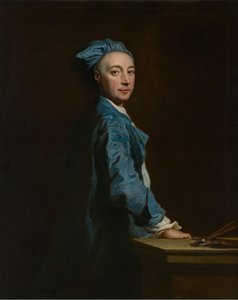
Highmore József
1692 - 1780 , Egyesült Királyság
A művészről röviden
- Artistic Movement Or Style: Rococo
- Artists Who Influenced This Artist:
- Kneller
- Rubens
- van Dyck
- Date Of Birth: 1692
- Date Of Death: 1780
- Full Name: Joseph Highmore
- Nationality: Britannia
- Notable Artworks:
- Pamela illustrations
- Mr Matthew Bell
- Hagar and Ishmael
- Place Of Birth: London, UK
Kapcsolódó cikkek

The Allure of Elegance in Art: A Historical & Aesthetic Exploration of Refinement & Grace
Explore the exquisite world of Rococo art! Discover its history, masters (Watteau, Boucher & more), and defining elegance. Expert insights for collectors seeking museum-quality reproductions & custom portraits.

A Rokoko Mesterek: 10 alkotás, mely meghatározta a művészetet | OriginalUniqueArt.com
Fedezze fel a Rokoko művészet 10 legikonikusabb remekművét! Ismerje meg Watteau, Boucher és Fragonard festményeinek történetét. Elegáns dekorációk inspirációja – OriginalUniqueArt.com kínálatában megtalálható minden művészi nyomat. Explore the full collection online!

The Rococo Aesthetic: Opulence, Rebellion & the Pursuit of Pleasure in 18th-Century Art
Explore the opulent world of Rococo art! Discover its origins, key artists like Watteau & Boucher, and lasting influence on design. Expert insights for collectors & enthusiasts.
Cultivating Ambiance: A Curatorial Guide to Art Selection for Wine Cellars and Tasting Rooms – Enhancing Oenological Experience Through Landscape, Symbolism, and Interior Harmony
Elevate your wine cellar or tasting room with curated art! Expert guidance on landscape paintings, symbolism & lighting to enhance the oenological experience. Discover how art transforms spaces and tells your winery's story.

Joseph Highmore: Moral Tales & Domestic Genre in 18th-Century British Art
Explore the captivating world of Joseph Highmore, a leading British Rococo painter. Discover his elegant portraits, insightful 'Pamela' illustrations & contributions to 18th-century art history. Learn more at OriginalUniqueArt.