

 Megtekintés
 Küldés
 Megosztás
 Részletek
 Útmutató

 Letöltés
 Hasonló darabok
 X-ray felvétel
 Diavetítés
 Statisztika
CORNELIE, MERE DE GRACQUES


 Összes részlet megjelenítése
Kézzel készített olajfestmény reprodukció
Kézzel festett olajvastú vászon, az Ön által választott méretben és keretben, művészeink készítik meglévőre. ( Váltás nyomtatványra Áttérés digitális képre)




P118B Ft10

P118H Ft10

P118W Ft10

P438Z Ft10

P508JH Ft12

P508YH Ft12

P805H Ft10

P805Z Ft10

P919BZ Ft10

P919G Ft10

P919XJ Ft10

P959ZH Ft10

P968JZ Ft12

W106C Ft8

W218G Ft10

W218JH Ft8

W218Y Ft10

W307PJ Ft10

W316G Ft10

W316PJ Ft8

W316Y Ft10

W398PJ Ft8

W4111J Ft10

W500HY Ft15

W500JH Ft15

W692G Ft12

W849H Ft8

W940BG Ft15

W953PJ Ft8




Válasszon előre meghatározott méreteink közül, amelyek megfelelnek a műalkotás eredeti arányainak.

Írja be a kívánt szélességet és magasságot, hogy illeszkedjen a keretéhez vagy a falához. Mivel ez kézzel festett alkotás, egy eltérő formájú méret esetén a művész akár festhet is valamivel többet a kép körül, vagy korolathat is belőle — az Ön döntésének megfelelően. A festés megkezdése előtt küldünk egy digitális tervezetet jóváhagyásra. Az oldalon látható kép nem tartalmazza a végeredményt — csak a tervezet mutatja meg a valódi eredményt.
A rendelést követően a OriginalUniqueArt.com csapata e-mailt küld az ügyfélnek az instrukciókért, és biztosít egy előnézeti képet (mockup).
Világszerte elérhető szállítás () 3-4 hét alatt a szokásos 5 hét helyett. (26 október). A minőség nem kérdőjelezhető.

Ingyenes globális expressz szállítás

Prémium minőségű len vászon

Teljes körű szállítási biztosítás

Vámvisszatérítési Garancia

Hiteles színarányosság garancia

100 napos visszaküldési lehetőség (csak hibás termékek esetén)

100% pénzvisszatérítési garancia

Több darab vásárlásakor kedvezmény
 Az üvegkeretes opció csak 110 cm alatti méretben érhető el

CORNELIE, MERE DE GRACQUES
Reprodukciós technika
Reprodukció mérete
-


Összesített ár
Ft 160264
Cornelia, Mother of the Gracchi – A Neoclassical Portrait of Roman Dignity
The painting “Cornelia, Mother of the Gracchi,” attributed to Joseph-Benoît Suvée, is more than just a portrait; it’s a carefully constructed tableau vivant, a window into the idealized world of late 18th-century Neoclassicism. Executed around 1795, this work captures a pivotal moment – Cornelia, the formidable mother of the celebrated Roman brothers Tiberius and Gaius Gracchus, imparting wisdom and guidance to her children. The scene unfolds within a meticulously rendered interior, reminiscent of a Roman villa or atrium, subtly hinting at both classical grandeur and domestic intimacy. Suvée’s masterful handling of light, color, and composition elevates this depiction beyond simple representation, imbuing it with an enduring sense of dignity, maternal love, and the weight of Roman history.Composition and Style – Echoes of Antiquity
Suvée’s approach is firmly rooted in the Neoclassical movement, a reaction against the excesses of the Rococo style. The composition adheres to strict principles of symmetry and balance, mirroring the order and rationality prized by the classical world. A central grouping dominates the foreground: Cornelia, seated with an air of serene authority, faces her two sons. Their postures are attentive, suggesting a receptive audience to her words. Architectural elements – arches, columns, and statues – frame the scene, creating a sense of depth and reinforcing the connection between the domestic interior and the broader Roman landscape. The painting’s overall effect is one of controlled elegance, reflecting the movement's emphasis on clarity, restraint, and idealized forms. The influence of artists like Nicolas Poussin and Claude Lorrain, masters of historical and mythological scenes, is readily apparent in Suvée’s careful attention to perspective and his ability to evoke a sense of timelessness.Technique – The Brushstroke as a Language
Suvée's technical skill is evident in the meticulous detail with which he renders every element of the scene. He employs a smooth, polished technique, characteristic of oil painting on canvas, achieved through careful blending and layering of colors. Note the subtle variations in brushstrokes – the rougher texture applied to the stone walls contrasts sharply with the smoother surfaces of the figures’ clothing and faces. This textural contrast not only adds visual interest but also contributes to the sense of depth and realism within the composition. The use of light is particularly noteworthy, creating a diffused illumination that highlights key features while casting subtle shadows, adding volume and dimension to the forms. The artist's ability to capture the nuances of fabric – the folds of Cornelia’s gown, the texture of her children’s clothing – speaks volumes about his observational skills and technical mastery.Symbolism and Historical Context – A Mother’s Legacy
“Cornelia, Mother of the Gracchi” is not merely a portrait; it's a carefully orchestrated symbol of Roman virtue and maternal authority. Cornelia’s pose—seated with her hands resting gracefully on her lap—evokes images of ancient Roman matrons, revered for their piety, wisdom, and dedication to family. The presence of the statues in the background further reinforces this connection to antiquity, suggesting that Cornelia embodies a lineage of noble women who have shaped the course of Roman history. The Gracchi brothers themselves were figures of immense historical significance – reformers who challenged the established order and ultimately met violent ends. By depicting Cornelia as their devoted mother, Suvée subtly elevates her status, portraying her as a guardian of Roman values and a source of strength for her sons. The painting was created during the tumultuous years of the French Revolution, when ideals of republicanism and civic virtue were being fiercely debated. Cornelia’s image resonated with those seeking to reclaim the legacy of classical Rome as a model for a just and equitable society.Emotional Impact – A Portrait of Enduring Strength
Despite its historical context, “Cornelia, Mother of the Gracchi” transcends mere representation to evoke a profound sense of emotional resonance. The painting’s serene atmosphere, combined with Cornelia's dignified expression, conveys an enduring message of maternal love, wisdom, and resilience. The scene suggests a quiet moment of connection between mother and children—a testament to the power of familial bonds. It is a portrait that invites contemplation on themes of legacy, virtue, and the enduring influence of individuals who shape the course of history. The painting’s timeless quality ensures its continued appeal as a powerful symbol of maternal strength and Roman ideals.Kérdések és válaszok
Hogyan építhető be „CORNELIE, MERE DE GRACQUES”, Joseph-Benoît Suvée alkotása a lakberendezésbe?
A(z) „CORNELIE, MERE DE GRACQUES”, Joseph-Benoît Suvée alkotása esetében a(z) Statement használatát és a(z) Living Room helyiségben való elhelyezést javasoljuk.
Milyen típusú alkotás a "CORNELIE, MERE DE GRACQUES"?
A „CORNELIE, MERE DE GRACQUES”, Joseph-Benoît Suvée alkotása művészeti alkotás a WallArt kategóriába tartozik. Ez a besorolás határozza meg az eredeti alkotás típusát.
„CORNELIE, MERE DE GRACQUES”, Joseph-Benoît Suvée alkotása színei élénkek vagy fakók?
A „CORNELIE, MERE DE GRACQUES”, Joseph-Benoît Suvée alkotása színei Balanced Soft telítettséget és Balanced intenzitást mutatnak be.
A művész életrajza
Joseph-Benoît Suvée neoklasszikus víziója
Az európai művészet hatalmas, összefonódott szövetének 18. századában kevés olyan szál ragyog olyan akadémiai precizitással és drámai eleganciával, mint amilyenokat Joseph-Benoît Suvée szőtt. 1743-ban, Brugzsben született művész flamand gyökereiből emelkedett ki, hogy neoklasszikus kor egyik meghatározó hangjává váljon. Útja a Nyersen Alacsony Országoktól Franciaország tekintélyes művészeti köreiéig nem csupán földrajzi változást jelentett; ez a fel éclairment (felvilágosodás) eszméi felé irányuló vándorlás volt. Festőként Suvée birtokában volt az a ritka képesség, hogy az akadémiai képzés szigorú fegyelmét mély érzelmi rezonanciával ötvözze, olyan műveket erschorbva, amelyek egyszerre voltak időtlenek és sürgetően emberi.
Suvée művészeti fejlődése mélyen gyökerezett a történelmi és mitológiai narratívák mesterfokú uralmában. Egy olyan korban, amelyben a művészet a rokokó játékos, könnyed díszítőmottaival a neoklasszicizmus strukturált, erkölcsöntető súlyossága felé mozdult, Suvée végre megtalálta hivatását. A görög és római klasszikus antikvitás felé tekintett vissza, nem csupán formáinak utánzójaként, hanem azért, hogy új életet lehessen fújni a legendákba. Vászai gyakran szolgálnak epikus drámák színpadjaként, ahol minden mozdulat a hatás érdekében készült, és minden árnyék a kibontakozó történet feszültségét növeli.
A narratíva és a technika mesterfoka
Suvée életművének jellegzetessége az összetétel és a fény feletti uralmában rejlik. Egy olyan alkotást megtekinteni, mint a 'Cornelia, a Gracchi anya', a 18. századi akadémiai kiválóság csúcspontának tanúbizonysága. Az ilyen darabokon ő nem csupán egy jelenetet ábrázol; vizuális nyelvén keresztül egy erkölcsi leckét épít fel. Technikai tudása a részletek apró odafigyelésében mutatkozik – egy toga nehéz levert sorsa, a bőr finom ragyogása a lágy fény alatt, és alakjai építészeti stabilitása – amelyek mind együtt a méltóság és az örökletesség érzetét keltik.
Pályájának kulcsfontosságú pillérjei között az alábbi eredmények ismerhetők fel:
- Akadémiai kiválóság: Francia akadémiai hagyományokkal való mély kapcsolata lehetővé tette számára, hogy elsajátítsa a monumentális történelmi festészet összetett követelményeit.
- Mitológiai mélység: A klasszikus mitoszok értelmezésével vizuális nyelvet biztosított a felvilágosodás intellektuális törekvéseihez.
- A Prix de Rome öröksége: Ennek a tekintélyes kitüntetésnek győzteseként Suvée az olyan művészek elit vonalának része volt, akik Európa esztétikai színvonalát formálták.
- Érzelmi rezonancia: Más merevebb kortársaihoz képest Suvée egyfajta melegséget és fluiditást tartott fenn, ami megakadályozta, hogy neoklasszicizmusát sterilnek érezzük.
Tartós örökség a művészettörténetben
Bár a művészettörténet hullámai végül a romantikán túlra is sodródtak, Joseph-Benoît Suvée jelentősége továbbra is az ép hidakként töltött szerepében marad veretesen rögzítve. A hagyomány és az innováció kereszteződésén állt, megörökítve a múlt díszes eleganciájának átmenetét a jövő strukturált idealizmusába. Művei, amelyek közül számos megtalálta helyét a Louvre szentélyeiben, továbbra is létfontosságú mérföldkőként szolgálnak mindenki számára, aki az európai festészet fejlődését tanulmányozza.
Napjainkban Suvée nem csupán flamand festőként él atrimenti a múlt emlékezetében, hanem az emberi létezés mestereként. Képes volt a történelmi anekdotákat mély vizuális meditatívá alakítani, és ezzel biztosította, hogy az antik örömök továbbra is szóljanak a modern lélekhez. Öröksége az egyensúlyról szól: tökéletes egyensúly az intellektum és a szem között, a történelem súlya és a művészi elegancia könnyedsége között.
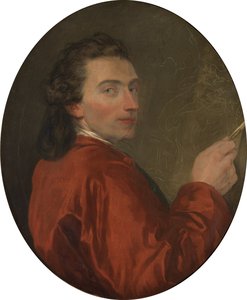
Joseph-Benoît Suvée
1743 - 1807 , Belgium
Rövid információk
- Artistic Movement Or Style: Neoclassicizmus, Történetfestészet
- Artists Or Movements Influenced By This Artist: ['Dán Királyi Akadémia']
- Artists Who Influenced This Artist:
- Mandelberg
- Wiedewelt
- Claude Lorrain
- Nicolas Poussin
- Date Of Birth: 1743. szeptember 11.
- Date Of Death: 1809. június 4.
- Full Name: Nicolai Abraham Abildgaard
- Nationality: Dán
- Notable Artworks:
- Christiansborg Friz
- Fredensborg Terem
- Levetzau Lépcső
- Place Of Birth: Koppenhága, Dánia
Kapcsolódó cikkek

Neoclassicism Explained: The Enlightenment’s Return to Order, Reason, and Classical Grandeur
Explore the profound shift of Neoclassicism, from the rejection of Rococo excess to the embrace of Enlightenment reason. Discover how archaeological finds and classical ideals reshaped art, architecture, and sculpture in a timeless return to order and grandeur.
Neoclassicism Explained: The Timeless Elegance of Order, Reason, and the Classical Ideal
Explore the profound elegance of Neoclassicism. Discover how the Enlightenment era embraced Greek and Roman ideals of order, reason, and symmetry to redefine art history through masters like Mengs and Hamilton. A definitive guide for history lovers and art collectors.

Neoclassicism Unveleed: The Timeless Return to Order, Symmetry, and Elegance in Art History
Explore the grandeur of Neoclassicism. Discover how the principles of symmetry, order, and classical antiquity continue to inspire timeless elegance in art history and sophisticated modern interiors through expert analysis and museum-quality mastery.
Neoclassicism Defined: The Enlightenment’s Return to Order, Reason, and Ancient Grandeur
Explore the profound shift of Neoclassicism from Rococo excess to Enlightenment reason. Discover how the rediscovery of antiquity shaped a movement defined by order, symmetry, and classical grandeur through an expert art-historical lens.

Joseph Henry Sharp: Capturing the Spirit of the Plains – Life, Art & Legacy
Explore the life & art of Joseph Henry Sharp, a founding member of the Taos Society of Artists renowned for his realistic depictions of Native American culture and Western landscapes. Discover his legacy with OriginalUniqueArt.
