

 Megosztás
 Megosztás
 Részletek
 Útmutató

 Letöltés
 Hasonló darabok
 Diavetítés
 Statisztika
Apollo


 Tovább olvasom
Kézzel készített olajfestmény reprodukció
Kézzel festett olajvastú vászon, az Ön által választott méretben és keretben, művészeink készítik meglévőre. ( Váltás nyomtatványra Áttérés digitális képre)




































Válasszon előre meghatározott méreteink közül, amelyek megfelelnek a műalkotás eredeti arányainak.

Írja be a kívánt szélességet és magasságot, hogy illeszkedjen a keretéhez vagy a falához. Mivel ez kézzel festett alkotás, egy eltérő formájú méret esetén a művész akár festhet is valamivel többet a kép körül, vagy korolathat is belőle — az Ön döntésének megfelelően. A festés megkezdése előtt küldünk egy digitális tervezetet jóváhagyásra. Az oldalon látható kép nem tartalmazza a végeredményt — csak a tervezet mutatja meg a valódi eredményt.
A rendelést követően a OriginalUniqueArt.com csapata e-mailt küld az ügyfélnek az instrukciókért, és biztosít egy előnézeti képet (mockup).
Világszerte elérhető szállítás () 3-4 hét alatt a szokásos 5 hét helyett. (21 október). A minőség nem kérdőjelezhető.

Ingyenes globális expressz szállítás

Prémium minőségű len vászon

Teljes körű szállítási biztosítás

Vámvisszatérítési Garancia

Tökéletes színarányosság garancia

100 napos visszaküldési garancia (csak gyártási hibás termékek esetén)

100% pénzvisszatérítési garancia

Több darab vásárlásakor kedvezmény
 Az üvegkeretes opció csak 110 cm alatti méretben érhető el

Apollo
Reprodukciós technika
Reprodukció méretei
-


Összesített ár
Ft 94790
José Álvarez Cubero’s Apollo: A Testament to Neoclassical Ideal
The sculpture “Apollo” by José Álvarez Cubero stands as a cornerstone of Spanish Neoclassicism, embodying the artistic fervor that swept across Europe in the early 19th century. Created in 1808 during a period marked by royal patronage and burgeoning influence from Italian sculptural traditions, this marble masterpiece transcends mere representation; it speaks to enduring ideals of beauty, harmony, and divine grace.Subject Matter & Mythological Significance
Apollo, revered as the Greek god of music, poetry, light, healing, and prophecy, occupies a central position in Western mythology. Cubero’s depiction captures the youthful Apollo in a pose that reflects both physical strength and contemplative serenity—a deliberate choice designed to elevate him beyond a simple figure into an embodiment of human perfection. The laurel wreath adorning his head symbolizes victory and honor, referencing Apollo's triumphs over rivals and reinforcing his status as a divine hero. This selection of subject matter wasn’t accidental; Neoclassical artists sought inspiration from classical antiquity, believing it represented the pinnacle of civilized achievement and moral virtue.Style & Technique: Embracing Classical Form
Cubero meticulously adhered to the principles of Neoclassicism, prioritizing balance, symmetry, and restraint—characteristics that distinguished this movement from its Romantic predecessor. The sculpture’s form is characterized by a masterful contrapposto stance, subtly shifting weight onto one leg to create a naturalistic curve in Apollo's torso. This technique, honed through training under Miguel Verdiguier and further refined during his studies in Paris and Rome, demonstrates an unwavering commitment to anatomical accuracy and classical proportions. The sculptor skillfully carved the marble from a single block using chisels and hammers—a laborious process that demanded exceptional skill and patience. Lines dominate the composition, delineating Apollo’s musculature and drapery with precision, mirroring the stylistic conventions of artists like Antonio Canova who championed similar approaches.Historical Context & Artistic Influences
The sculpture's creation coincided with King Charles IV’s reign in Spain, a period witnessing significant artistic renewal fueled by European intellectual currents. Cubero’s formative years were spent absorbing the teachings of Miguel Verdiguier and honing his craft at the Academy of San Fernando in Madrid—institutions that actively promoted Neoclassical ideals. Crucially, he was profoundly impacted by the sculptural achievements of Antonio Canova, whose works championed idealized beauty and anatomical realism. This influence is palpable in Cubero’s meticulous attention to detail and his unwavering devotion to classical forms.Emotional Impact & Legacy
“Apollo” transcends its material form, conveying a sense of timeless elegance and spiritual contemplation. The sculpture's diffused lighting enhances the marble’s texture, emphasizing Apollo’s physique and creating an atmosphere of solemn grandeur. It serves as a poignant reminder of Neoclassicism’s aspiration to capture the sublime—the awe-inspiring beauty that inspires reverence and elevates the human spirit. Today, reproductions of “Apollo” continue to captivate audiences worldwide, cementing Cubero's place among Spain’s most celebrated sculptors and securing his legacy as an artist who successfully translated classical ideals into enduring artistic expression.Gyakran Ismételt Kérdések
Mi a „Apollo”, José Álvarez Cubero alkotása általános hangulata?
A "Apollo" Serene hangulatú.
Mely korszakból származik a "Apollo"?
A "Apollo" a 19th Century korszakba tartozik.
Milyen reprodukciós méretet javasol a „Apollo”, José Álvarez Cubero alkotása alkotáshoz?
A „Apollo”, José Álvarez Cubero alkotása alkotáshoz egy Medium méretű reprodukciót javasolunk. A méret az arányok megőrzésével módosítható.
A művész életrajza
José Álvarez Cubero: A Life in Neoclassical Sculpture
Early Life and Education
- Born: 23 April 1768, Priego de Córdoba, Spain.
- José Álvarez Cubero began his artistic journey as the son of a stonemason, displaying an early aptitude for drawing and modeling.
- He received formal training from the French sculptor Miguel Verdiguier in Cordova and later at the Academy of San Fernando in Madrid.
Career Development & Influences
- Royal Patronage: In 1799, King Charles IV awarded Cubero a pension to study art in Paris and Rome – pivotal cities for Neoclassical sculpture.
- Influences: While in these artistic hubs, he was profoundly influenced by the works of Antonio Canova, adopting and refining the principles of Neoclassicism.
- His early work demonstrated a growing mastery of anatomical detail and classical forms.
Major Works & Artistic Style
- “Ganymede” (1804): Executed in Paris, this sculpture brought Cubero immediate acclaim and established his reputation as a leading sculptor.
- “Antilochus and Memnon” (1818): Commissioned by Ferdinand VII, this marble group is considered one of his most successful works and now resides in the Museum of Madrid.
- Portrait Busts: He also created remarkable portrait busts of prominent figures like Ferdinand VII, Gioacchino Rossini, and the Duchess of Alba, noted for their vigor and fidelity.
- “The Defence of Zaragoza” (1823): A significant work depicting a heroic scene from Spanish history.
Political Challenges & Later Life
- Imprisonment: Cubero’s refusal to acknowledge Joseph Bonaparte as King of Spain led to his imprisonment in Rome, demonstrating his strong patriotic convictions.
- Following his release, he briefly worked for Napoleon I decorating the Quirinal Palace.
- Court Sculptor: In 1816, he was appointed court sculptor to Ferdinand VII, solidifying his position within Spanish artistic circles.
- Upon returning to Madrid, Cubero dedicated himself to teaching at the Academy of San Fernando.
Legacy & Historical Significance
- Mentorship: He mentored a new generation of Spanish sculptors, including Ponciano Ponzano, who became one of the most celebrated Neoclassical sculptors of his time.
- Neoclassical Contribution: Cubero played a crucial role in establishing and promoting Neoclassical sculpture in Spain, bridging the gap between Italian and Spanish artistic traditions.
- Death: José Álvarez Cubero died on 26 November 1827, in Madrid, leaving behind a legacy of refined craftsmanship and patriotic dedication.

José Álvarez Cubero
1768 - 1827 , Spain
Gyors információk
- Name: José Álvarez Cubero
- Movement: Neoclassical
- Birth Date: 23 April 1768
- Death Date: 26 November 1827
- Influenced: Ponciano Ponzano
- Birth Place: Priego de Córdoba, Spain
- Nationality: Spanish
- Date Of Birth: 1768
- Date Of Death: 1827
- Influenced By: Miguel Verdiguier, Antonio Canova
- Notable Works:
- Ganymede
- The Defence of Zaragoza
- Antilochus and Memnon
- Place Of Birth: Priego de Córdoba, Spain
Kapcsolódó cikkek

The Enduring Allure of Marble in Art History: From Classical Sculpture to Modern Abstraction
Explore the captivating history of marble sculpture from ancient Greece to modern art. Discover renowned artists like Canova & Michelangelo, carving techniques, and investment insights at OriginalUniqueArt.
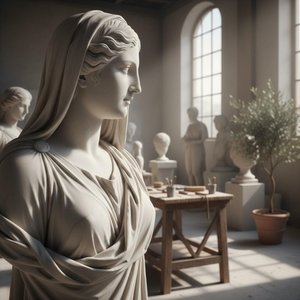
Timeless Elegance: A Complete Guide to the Sublime Beauty and Artistry of Marble Sculpture
Discover the sublime beauty of marble art through an expert exploration of Renaissance and Neoclassical masterpieces. From the delicate textures of Carpeaux to the grandeur of Sansovino, immerse yourself in a guide to timeless elegance and sculptural perfection.

A művészettörténet 10 legikonikusabb bronzszobra – OriginalUniqueArt.com
Fedezze fel a művészettörténet 10 legikonikusabb bronzszobrát! Ismerje meg Rodint, Michelangelót és más mestereket. Luxus minőségű nyomatok otthonába – OriginalUniqueArt.com.
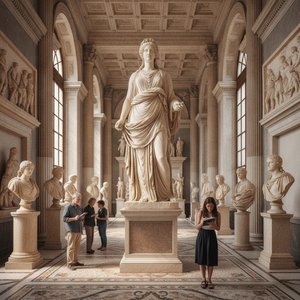
Timeless Grandeur: Exploring the Eternal Beauty and Art-Historical Legacy of Marble Sculpture
Explore the profound legacy of marble sculpture, from Classical antiquity to Neoclassical mastery. A definitive guide for elite collectors and designers seeking to integrate the luminous, eternal beauty of stone into sophisticated, high-end architectural spaces.
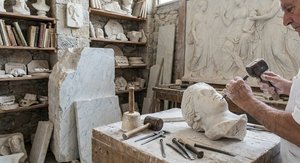
The Enduring Legacy of Marble: A Comprehensive Exploration of Technique, Symbolism & Artistic Expression
Explore the rich history of marble sculpture from antiquity to the Renaissance! Discover key techniques, influential artists & enduring themes in classical art. Expert insights for collectors and enthusiasts at OriginalUniqueArt.