
 Megtekintés
 Küldés
 Megosztás
 Részletek
 Útmutató

 Letöltés
 Hasonló darabok
 X-ray felvétel
 Diavetítés
 Kérdések és válaszok
 Statisztika
Francis Glisson (1599 –1677)

- 76.0 x 64.0 cm


 Összes részlet megjelenítése
Giclée / Műnyomat
Múzeumi minőségű giclée vagy vászonnyomat, gyors gyártással és rugalmas finomítási lehetőségekkel. ( Kézzel festett másolat rendelése Áttérés digitális képre)




P118B Ft10

P118H Ft10

P118W Ft10

P438Z Ft10

P508JH Ft12

P508YH Ft12

P805H Ft10

P805Z Ft10

P919BZ Ft10

P919G Ft10

P919XJ Ft10

P959ZH Ft10

P968JZ Ft12

W106C Ft8

W218G Ft10

W218JH Ft8

W218Y Ft10

W307PJ Ft10

W316G Ft10

W316PJ Ft8

W316Y Ft10

W398PJ Ft8

W4111J Ft10

W500HY Ft15

W500JH Ft15

W692G Ft12

W849H Ft8

W940BG Ft15

W953PJ Ft8




Válasszon előre meghatározott méreteink közül, amelyek megfelelnek a műalkotás eredeti arányainak.

Írja be a keretének vagy a falának megfelelő szélességet és magasságot. A nyomatot csak le lehet vágni, soha nem tehető nagyobbá, mint az eredeti kép, így egy eltérő alakú méretnél a kép egy része elveszik. Mielőtt bármit kinyatintanánk, küldünk egy digitális próbamodellt jóváhagyásra. Az oldalon látható kép nem tartalmazza a valós levágást — ezt csak a próbamodell mutatja meg.
Világszerte történő kiszállítás területére mindössze 2 hét alatt, a szokásos 4-5 hét helyett. (6 november)

Ingyenes globális expressz szállítás

Prémium minőségű len vászon

Teljes körű szállítási biztosítás

Vámvisszatérítési Garancia

Hiteles színarányosság garancia

100 napos visszaküldési lehetőség (csak hibás termékek esetén)

100% pénzvisszatérítési garancia

Több darab vásárlásakor kedvezmény
 Az üvegkeretes opció csak 110 cm alatti méretben érhető el

Francis Glisson (1599 –1677)
Giclée / Műnyomat
Reprodukció mérete
-


Összesített ár
Ft 26492
John Wollaston (1672–1749) - Pioneer of Rococo in America
John Wollaston stands as a singular figure in the annals of American art history—a British painter who irrevocably shaped the aesthetic landscape of the burgeoning colonies. While overshadowed by contemporaries like Benjamin West and Gilbert Stuart, Wollaston’s contribution lies not merely in quantity but in introducing the elegance and sophistication of Rococo painting to North America, marking it as one of the first truly European styles to flourish across the Atlantic. His influence extended beyond mere visual representation; he fostered a burgeoning artistic dialogue between Britain and its colonies, establishing a precedent for stylistic experimentation that would resonate throughout subsequent generations. Little biographical detail survives about Wollaston's formative years. He was born in London, likely the son of a painter—though conflicting accounts regarding his father’s name vary between John Wollaston and John Woolston, bolstered by Horace Walpole’s anecdotes of artistic circles in England during 1765. Walpole suggests Wollaston’s father changed his name to Wollaston, mirroring the broader trend of aristocratic families adopting more prestigious titles. This renaming underscores a significant cultural shift—a desire for social elevation and an embrace of refined European traditions that would characterize the era.The Rococo Aesthetic: A Delicate Balance
Wollaston's artistic vision was firmly rooted in the Rococo movement, originating in France during the reign of Louis XV. Unlike the grandeur and solemnity of Baroque art—characterized by monumental scale and dramatic chiaroscuro—Rococo prioritized lightness, ornamentation, and playful asymmetry. Artists sought to evoke feelings of pleasure and delight through pastel hues, curvilinear forms, and intricate decorative motifs inspired by nature. Wollaston expertly captured this aesthetic sensibility in his portraits and landscapes, prioritizing subtlety and grace over forceful expression. The meticulous attention to detail—particularly in rendering fabrics and textures—demonstrates a profound understanding of Rococo technique.Francis Glisson (1599?–1677): A Subject Steeped in Symbolism
The portrait depicts Francis Glisson, a prominent physician and anatomist of the period. Glisson’s dignified pose and serene gaze convey an aura of intellectual contemplation—a reflection of the Enlightenment's emphasis on reason and observation. Wollaston skillfully employs Rococo principles to portray Glisson not merely as an individual but as a symbol of humanist ideals: knowledge, compassion, and moral virtue. The muted palette—dominated by creams and browns—creates a harmonious backdrop that allows Glisson’s features to emerge with clarity and nuance. Furthermore, the inclusion of drapery—particularly around Glisson's torso—adds visual richness and reinforces the symbolic significance of his character.Technical Mastery: Oil on Canvas – A Delicate Medium
Wollaston’s masterful execution is evident in his choice of medium—oil paint on canvas. This technique allowed for unparalleled tonal range and textural depth, enabling Wollaston to achieve a remarkable level of realism while simultaneously adhering to the stylistic conventions of Rococo. The artist meticulously blended pigments to create subtle gradations of color—a hallmark of Rococo painting—resulting in luminous surfaces that shimmer with reflected light. Careful layering of glazes further enhanced the painting’s visual impact, capturing the nuances of skin tone and fabric texture with exquisite precision. This meticulous approach exemplifies Wollaston's dedication to artistic excellence and underscores his mastery of oil paint as a vehicle for conveying beauty and emotion.A Legacy Enduring Through Reproduction
Today, reproductions of Glisson offer art enthusiasts a tangible connection to this pivotal moment in European art history. High-quality prints allow viewers to appreciate Wollaston’s stylistic innovations and the profound symbolic resonance of his masterpiece—a testament to the enduring power of Rococo painting and John Wollaston's indelible contribution to American artistic culture.Kérdések és válaszok
Milyen színintenzitással rendelkezik a „Francis Glisson (1599 –1677)”, John Wollaston alkotása?
A „Francis Glisson (1599 –1677)”, John Wollaston alkotása színei Monochromatic intenzitásúak.
Elérhető-e a "Francis Glisson (1599 –1677)" minőségi nyomtatványként?
A „Francis Glisson (1599 –1677)”, John Wollaston alkotása nyomata közvetlenül a következő oldalon rendelhető meg: Művészeti nyomtatvány: minőségi giclée nyomat pamutvászonon vagy archiváló vászonpapíron.
Milyen más neveken ismert John Wollaston?
John Wollaston a következő más néven is ismert: Johannes Wollaston londoniensis.
A művész életrajza
The Elegance of the Atlantic: The Life and Legacy of John Wollaston
In the mid-eighteenth century, as the American colonies began to stir with a burgeoning sense of identity, a sophisticated breeze from London arrived on their shores, carried by the brush of John Wollaston. A painter of profound grace and technical finesse, Wollaston stands as a singular figure in the annals of American art history—a British master who irrevocably shaped the aesthetic landscape of the colonies. While later giants like Benjamin West and Gilbert Stuart would command the spotlight of American portraiture, Wollaston’s true contribution lies in his role as a pioneer, introducing the delicate elegance and shimmering sophistication of the Rococo style to North America. He was more than a mere chronicler of faces; he was an ambassador of European refinement, marking one of the first instances where a truly continental artistic movement flourished across the Atlantic.
The early life of Wollaston remains shrouded in the soft mists of history, leaving much to the imagination of scholars. Born in London, he was likely the scion of a painter, though the records of his lineage are famously contested. Some accounts identify his father as John Wollaston, while others, drawing from the witty anecdotes of Horace Walpole, suggest the name was originally Woolston—a change made to mirror the era's aristocratic trend of adopting more prestigious titles. While his formal training is not documented in detail, the evidence of his skill is undeniable. The letters of Charles Willson Peale hint that Wollaston studied the intricate art of drapery with a London master, a specialty that would become his hallmark. Whether he was mentored by his father or influenced by the celebrated drapery painter Joseph van Aken, Wollaston emerged with a command over fabric and light that mirrored the finest talents of the British Rococo tradition.
A Vision of Rococo Splendor
Wollaston’s artistic identity was deeply rooted in the English Rococo, a style characterized by its lightness, grace, and an almost tactile obsession with texture. His work bears an unmistakable resemblance to the portraits of Thomas Hudson and Allan Ramsay, capturing not just the likeness of his subjects but the very essence of their social standing. He possessed a remarkable ability to render the heavy sheen of silk, the delicate lace of a collar, and the complex folds of velvet, creating a visual language of luxury that captivated the colonial elite. This mastery of drapery was not merely decorative; it served to imbue his subjects with a sense of movement and vitality, making the static medium of portraiture feel alive and breathing.
His journey across the Atlantic in 1749 marked a transformative chapter for both the artist and the colonies. Settling initially in New York City, Wollaston began a nomadic period of intense creativity, traveling along the Atlantic seaboard to bring the latest London fashions to American patrons. His presence fostered a burgeoning artistic dialogue between Britain and its colonies, establishing a precedent for stylistic experimentation that would resonate through subsequent generations. Despite his travels, Wollaston remained profoundly connected to his English roots. This steadfast identity is poignantly captured in the inscription on the back of his portrait of William Smith, Jr., where he identified himself as "Johnannes Wollaston Londoniensis," a proud declaration of his London origins amidst the American wilderness.
Historical Significance and Lasting Impact
Though his life was tragically short, ending in 1775, the impact of John Wollaston’s career remains etched in the history of early American art. He provided the colonial upper class with a visual mirror that reflected their aspirations toward European sophistication. His ability to translate the high fashion of London into the colonial context allowed for a shared cultural vocabulary between the Old and New Worlds. The following elements define his enduring historical footprint:
- Introduction of Rococo: He was instrumental in transplanting the light, ornamental, and fabric-rich Rococo style from Europe to the American colonies.
- Technical Mastery: His specialized skill in rendering drapery set a new standard for portraiture in North America, influencing the way texture and light were perceived by future generations of painters.
- Cultural Bridge: Through his travels from New York through the southern colonies, he acted as a vital link in the transmission of European aesthetic values to the burgeoning American landscape.
- Foundational Influence: By establishing a precedent for high-style portraiture, he paved the way for the later development of a distinctively American school of painting.
Today, when we look upon the works attributed to Wollaston, we see more than just portraits of the colonial past; we see the arrival of an era of elegance. His brush captured a moment in time when the colonies were beginning to dream of grandeur, and through his art, that dream was rendered in silk, lace, and light.

John Wollaston
1742 - 1775
Rövid információk
- Artistic Movement Or Style: Rococo Painting
- Artists Or Movements Influenced By This Artist: ['Baroque Painting']
- Artists Who Influenced This Artist:
- Thomas Hudson
- Allan Ramsay
- Date Of Birth: 1742
- Date Of Death: 1775
- Full Name: John Wollaston
- Nationality: English
- Notable Artworks:
- George Whitefield Portrait
- Officer of the British Navy Portrait
- Thomas Willis Portrait
- Joseph Reade Portrait
- Place Of Birth: London
Kapcsolódó cikkek

John Constable 25 Mesterműve: A Természet Lényege Vászonon – OriginalUniqueArt.com
Fedezze fel John Constable 25 legszebb művészeti alkotását! Ismerje meg a romantika ikonikus tájképeit, Dedham Vale szépségét és a természet lenyűgöző ábrázolásait. Vászonkép reprodukcióinkkal eleganciát csempészhet otthonába – OriginalUniqueArt.com

Baroque vs. Rococo: A Definitive Guide to the Drama of Grandeur and the Elegance of Grace
Explore the profound differences between Baroque drama and Rococo elegance. Our expert guide delves into art history, chiaroscuro, and the evolution of European masterpieces for collectors and enthusiasts seeking deep historical context.

Francis Bacon legkiemelkedőbb művei: 25 lenyűgöző alkotás a modern művészetben | OriginalUniqueArt.com
Fedezze fel Francis Bacon 25 legkiemelkedőbb művét! Ismerje meg a modern művészet ikonikus festőjének sötét, érzelmes világát. Vászonképek, portrék és absztrakt alkotások – inspiráció otthonába. OriginalUniqueArt.com: múzeumi minőségű reprodukciók és exkluzív dekorációk online.
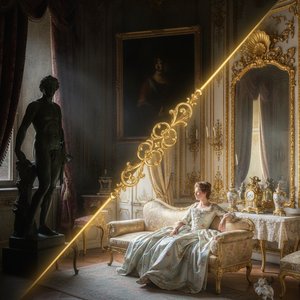
Baroque vs. Rococo: A Definitive Guide to High-Drama Shadows and Golden Elegance
Explore the dramatic evolution from Baroque's intense chiaroscuro to Rococo's golden elegance. Our expert guide decodes the shift from high-drama shadows to playful, ornate grace for art enthusiasts and collectors seeking deep historical insight.

John Singer Sargent 25 Mesterműve: Elegancia és Portrék a OriginalUniqueArt Galériában
Fedezze fel John Singer Sargent 25 legikonikusabb művészeti alkotását! Portrék, impresszionista stílus és a fény játéka – inspirálódjon Sargent életrajzából és vászonképeiből. Művészeti reprodukciók otthonába a OriginalUniqueArt-on!