Megtekintés
 Küldés
 Megosztás
 Részletek

 Letöltés
 Hasonló darabok
 X-ray felvétel
 Diavetítés
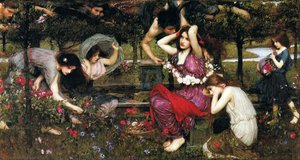
The Danaides
 Oil On Canvas
- WallArt
- Pre-Raphaelite Brotherhood
 1906
1906- 19th Century
 163.0 x 127.0 cm
 Összes részlet megjelenítése
Kézzel készített olajfestmény reprodukció
Kézzel festett olajvastú vászon, az Ön által választott méretben és keretben, művészeink készítik meglévőre. ( Nyomat rendelése Kép letöltése)




P118B $10

P118H $10

P118W $10

P438Z $10

P508JH $12

P508YH $12

P805H $10

P805Z $10

P919BZ $10

P919G $10

P919XJ $10

P959ZH $10

P968JZ $12

W106C $8

W218G $10

W218JH $8

W218Y $10

W307PJ $10

W316G $10

W316PJ $8

W316Y $10

W398PJ $8

W4111J $10

W500HY $15

W500JH $15

W692G $12

W849H $8

W940BG $15

W953PJ $8




Válasszon előre meghatározott méreteink közül, amelyek megfelelnek a műalkotás eredeti arányainak.

Ön megadhat saját méreteket egy adott kerethez vagy térhez igazításhoz. Ha a kiválasztott méret nem egyezik az eredeti kép arányával, akkor a műalkotást levágjuk, vagy további kézzel festett elemekkel meghosszabbítjuk a festményt. A gyártás megkezdése előtt küldünk Önnek egy digitális előnézetet jóváhagyásra.
Kérjük, vegye figyelembe, hogy a képernyőn megjelenő előnézet nem tükrözi a tényleges vágást vagy kiterjesztést. Csak az előnézet fog pontosan mutatni a végső kompozíciót.
Bár egyedi méretek állnak rendelkezésre, javasoljuk, hogy válasszon egy méretet az előre meghatározott listából az eredeti arányok megőrzése érdekében.
A rendelést követően a OriginalUniqueArt.com csapata e-mailt küld az ügyfélnek az instrukciókért, és biztosít egy előnézeti képet (mockup).
Világszerte elérhető szállítás () 3-4 hét alatt a szokásos 5 hét helyett. (21 augusztus). A minőség nem kérdőjelezhető.

Ingyenes globális expressz szállítás

Prémium minőségű len vászon

Teljes körű szállítási biztosítás

Vámvisszatérítési Garancia

Hiteles színpontosság garancia

60 napos visszaküldési lehetőség (csak hibás termékek esetén)

100% pénzvisszatérítési garancia

Több darab vásárlása esetén kedvezmény
 Az üvegkeretes opció csak 110 cm alatti méretben érhető el

The Danaides
Reprodukciós technika
Reprodukció mérete
-


Összesített ár
$ 300
A műalkotás leírása
The Echoes of Myth: Exploring The Danaides
To gaze upon John William Waterhouse's depiction of The Danaides is to step directly into the shimmering, dramatic heart of classical mythology. This painting is not merely a collection of figures; it is a tableau vivant, capturing a moment charged with potent emotion and ancient consequence. The subject matter itself—the Danaides, those legendary women whose jealousy fueled their tragic fate—immediately draws the viewer into a narrative steeped in divine displeasure and human passion. Waterhouse masterfully composes a scene where every gesture, from the tilt of a head to the careful pour of water, seems weighted with untold history.
A Tapestry Woven in Romantic Brushstrokes
Waterhouse’s signature style, deeply rooted in the romanticism that blossomed during his time, lends this piece an almost dreamlike luminescence. While drawing upon classical themes—a nod to his formative years steeped in Italian antiquity—the execution possesses a lush, evocative quality characteristic of Pre-Raphaelite sensibilities filtered through a later, more mature hand. Observe the handling of the drapery; it seems less like painted cloth and more like liquid silk caught in an eternal breeze. The composition guides the eye naturally around the central action: the ritualistic pouring of water into the large urn. This technique allows the viewer to absorb the drama gradually, moving from the foreground figures to the background narrative elements.
Symbolism and the Weight of Water
The symbolism within The Danaides is as rich as the pigments themselves. The water, poured methodically into the central vessel, acts as a potent visual metaphor. It speaks not only of their actions but perhaps of the relentless passage of time or the uncontrollable nature of emotion itself. Scattered throughout the scene are various cups and vessels, each potentially holding a different facet of their plight—a symbol of lost innocence, misplaced devotion, or inescapable destiny. The inclusion of the male figure amidst the women further complicates the emotional landscape, suggesting the nexus point where jealousy, love, and fate intersect.
Bringing Antiquity Home: Decorating with Myth
For the collector or designer seeking to infuse a space with depth and storied elegance, this reproduction offers unparalleled narrative power. The scale of 163 x 127 cm ensures that The Danaides commands attention, serving as a magnificent focal point in any grand drawing-room or gallery setting. Owning a piece like this is acquiring more than just art; it is curating an atmosphere steeped in the romance of antiquity and the enduring power of myth. It invites conversation, contemplation, and a deep appreciation for the masterful skill required to translate such dramatic storytelling onto canvas.
A művész életrajza
A Roman Beginning: The Early Life and Influences of John William Waterhouse
John William Waterhouse, a name synonymous with the romantic allure of Pre-Raphaelite painting, began his artistic journey far from the fog-laden landscapes often associated with the movement. Born in Rome in 1849 to English parents, his earliest years were steeped in the classical beauty of Italy – an environment that would profoundly shape his aesthetic sensibilities. This formative period instilled within him a deep appreciation for ancient Roman art and mythology, themes that would recur throughout his prolific career. The Waterhouse family returned to England in 1854, settling in South Kensington, London, a location strategically chosen for its proximity to the burgeoning Victoria and Albert Museum. Here, young John was exposed to an unparalleled collection of classical sculpture and decorative arts, further nurturing his fascination with antiquity. His initial training was conventional, encompassing studies at the Royal Academy Schools, where he honed his technical skills in drawing and painting, but it was the atmosphere of intellectual curiosity and artistic innovation that truly ignited his passion. Even early works reveal a meticulous attention to detail and a commitment to historical accuracy, qualities that would become hallmarks of his style.Embracing the Pre-Raphaelite Brotherhood
While Waterhouse’s initial work displayed classical leanings reminiscent of artists like Alma-Tadema and Frederic Leighton, he gradually gravitated towards the ideals of the Pre-Raphaelite Brotherhood. This artistic collective, founded in 1848, championed a return to the detailed observation of nature and the vibrant colors found in early Italian Renaissance art – before what they perceived as the stylistic decline initiated by Raphael. Waterhouse didn’t join the brotherhood itself, but he wholeheartedly embraced its principles, infusing his paintings with a lyrical beauty and emotional depth that resonated deeply with audiences. His 1874 painting, Sleep and his Half-Brother Death, exhibited at the Royal Academy, marked a turning point, demonstrating his growing mastery of symbolic narrative and atmospheric effects. This success paved the way for consistent inclusion in the annual exhibitions, establishing him as a rising star within the London art scene. He wasn’t merely replicating Pre-Raphaelite techniques; he was interpreting them through his own unique lens, blending classical precision with romantic sensibility.Mythological Visions and Arthurian Echoes
Waterhouse's most celebrated works are those that draw inspiration from mythology and Arthurian legend. He possessed a remarkable ability to breathe life into ancient stories, portraying goddesses, nymphs, and tragic heroines with an exquisite blend of beauty and pathos. The Lady of Shalott, perhaps his most iconic painting, exists in three versions (1888, 1894, and 1916), each a testament to his enduring fascination with Tennyson’s poem. The image of the doomed lady, adrift on her river barge, became emblematic of Victorian romanticism and the plight of artistic isolation. Similarly, his depictions of Ophelia, capturing the moment before her tragic demise, are imbued with a haunting melancholy. He didn't simply illustrate these tales; he explored their psychological depths, focusing on the emotional states of his subjects. Hylas and the Nymphs, Ariadne, and Penelope and the Suitors are further examples of his ability to transform classical narratives into visually stunning and emotionally resonant works of art. His paintings weren’t just beautiful; they were imbued with a sense of narrative power, inviting viewers to contemplate the complexities of human experience.Technique and Style
Waterhouse's distinctive style was characterized by several key elements. He meticulously researched historical details, ensuring accuracy in costumes, settings, and props. His paintings often featured rich, saturated colors—particularly deep blues, greens, and reds—creating a sense of atmosphere and drama. A hallmark of his work is the use of soft, diffused light, reminiscent of Pre-Raphaelite influences but with a more refined and controlled approach. He employed a technique known as "burnishing," applying paint in thin layers to create a smooth, almost glazed surface. This gave his paintings a luminous quality, enhancing their visual impact. Waterhouse’s compositions were typically balanced and symmetrical, reflecting a classical sensibility. However, he skillfully introduced elements of movement and dynamism through the placement of figures and the use of flowing drapery. His meticulous attention to detail, combined with his expressive use of color and light, resulted in paintings that are both visually stunning and emotionally evocative.Legacy and Lasting Influence
John William Waterhouse continued to paint prolifically until his death in 1917, achieving widespread recognition and acclaim during his lifetime. He was elected a full Academician in 1895 and dedicated time to teaching at the St. John's Wood Art School, nurturing the next generation of artists. While his popularity waned somewhat after World War I, there has been a significant resurgence of interest in his work in recent decades. Today, Waterhouse is celebrated as one of the most important figures of the Pre-Raphaelite movement and a master of Victorian painting. His paintings continue to captivate audiences with their exquisite beauty, emotional depth, and timeless appeal. He left behind a legacy of romantic visions, mythological interpretations, and tragic heroines that continue to inspire artists and art lovers alike. The enduring power of his work lies in its ability to transport viewers to another world – a realm of myth, legend, and profound human emotion.
John William Waterhouse
1849 - 1917 , Olaszország
A művészről röviden
- Artistic Movement Or Style: Preraffaelita, Viktória
- Artists Or Movements Influenced By This Artist: ['Impressionista']
- Artists Who Influenced This Artist:
- Alma-Tadema
- Frederic Leighton
- Date Of Birth: 1849. április 6.
- Date Of Death: 1917. február 10.
- Full Name: John William Waterhouse
- Nationality: Angol
- Notable Artworks:
- A Lady of Shalott
- Ophelia
- Hylas és a nümfe
- Penelope
- Place Of Birth: Róma, Olaszország
Kapcsolódó cikkek

OriginalUniqueArt.com F.A.Q.: Elevate Your Decor with Premium Textured Giclée Prints
Discover the distinction of OriginalUniqueArt.com premium textured Giclée prints. Expertly crafted with archival 12-color pigments and museum-grade substrates, our prints offer unparalleled vividness for the discerning collector seeking luxury, durability, and timeless elegance.