

 Megtekintés
 Küldés
 Megosztás
 Részletek
 Útmutató

 Letöltés
 Hasonló darabok
 X-ray felvétel
 Diavetítés
 Statisztika
Mrs.John Scoally (Mercy Greenleaf)
 Oil On Canvas
- WallArt
- Neo-Classicism
 1763
1763 88.0 x 68.0 cm
 Összes részlet megjelenítése
Kézzel készített olajfestmény reprodukció
Kézzel festett olajvastú vászon, az Ön által választott méretben és keretben, művészeink készítik meglévőre. ( Váltás nyomtatványra Áttérés digitális képre)




P118B Ft10

P118H Ft10

P118W Ft10

P438Z Ft10

P508JH Ft12

P508YH Ft12

P805H Ft10

P805Z Ft10

P919BZ Ft10

P919G Ft10

P919XJ Ft10

P959ZH Ft10

P968JZ Ft12

W106C Ft8

W218G Ft10

W218JH Ft8

W218Y Ft10

W307PJ Ft10

W316G Ft10

W316PJ Ft8

W316Y Ft10

W398PJ Ft8

W4111J Ft10

W500HY Ft15

W500JH Ft15

W692G Ft12

W849H Ft8

W940BG Ft15

W953PJ Ft8




Válasszon előre meghatározott méreteink közül, amelyek megfelelnek a műalkotás eredeti arányainak.

Írja be a kívánt szélességet és magasságot, hogy illeszkedjen a keretéhez vagy a falához. Mivel ez kézzel festett alkotás, egy eltérő formájú méret esetén a művész akár festhet is valamivel többet a kép körül, vagy korolathat is belőle — az Ön döntésének megfelelően. A festés megkezdése előtt küldünk egy digitális tervezetet jóváhagyásra. Az oldalon látható kép nem tartalmazza a végeredményt — csak a tervezet mutatja meg a valódi eredményt.
A rendelést követően a OriginalUniqueArt.com csapata e-mailt küld az ügyfélnek az instrukciókért, és biztosít egy előnézeti képet (mockup).
Világszerte elérhető szállítás () 3-4 hét alatt a szokásos 5 hét helyett. (25 október). A minőség nem kérdőjelezhető.

Ingyenes globális expressz szállítás

Prémium minőségű len vászon

Teljes körű szállítási biztosítás

Vámvisszatérítési Garancia

Hiteles színarányosság garancia

100 napos visszaküldési lehetőség (csak hibás termékek esetén)

100% pénzvisszatérítési garancia

Több darab vásárlásakor kedvezmény
 Az üvegkeretes opció csak 110 cm alatti méretben érhető el

Mrs.John Scoally (Mercy Greenleaf)
Reprodukciós technika
Reprodukció mérete
-


Összesített ár
Ft 96158
A Glimpse into Enlightenment Introspection
To stand before John Singleton Copley's Mrs. John Scoally (Mercy Greenleaf) is to step directly into the refined, thoughtful atmosphere of the mid-eighteenth century. This painting, executed in 1763, transcends a mere portrait; it is a carefully composed meditation on domestic elegance and intellectual depth. Copley, a master chronicler of colonial life, captures Mercy Greenleaf not just as a sitter, but as a figure caught in a moment of profound contemplation. Her posture—seated with one hand delicately resting beneath her chin—invites the viewer to lean in, to share in the quiet weight of her thoughts. The richness of the oil on canvas allows Copley's technique to breathe life into every fold of her brown dress and the delicate lace at her collar, making the material world feel tangible against the backdrop of deep emotion.
The Echoes of Neo-Classicism
Stylistically, the work is a quintessential example of Neo-Classicism, an aesthetic movement deeply rooted in the rediscovered ideals of Ancient Greece and Rome. This was an era that prized order, reason, and classical simplicity, and Copley embodies these principles with remarkable grace. While the subject matter remains intimate—a portrait within a domestic setting—the composition itself speaks to grander ideals of balance. The inclusion of the dramatic red curtain serves not only as a vibrant splash of color but also functions architecturally, framing the central figures and adding an element of theatrical depth that elevates the scene beyond simple genre painting. Observe how Copley balances Mercy against the two other figures visible—one standing attentively behind her, another receding into the distance; this arrangement speaks to a harmonious social structure.
Mastery in Technique and Composition
Copley’s technical prowess is undeniable. The use of oil on canvas grants the pigments a luminosity that endures centuries later. Notice the subtle gradations of shadow and light across Mercy's face; these are not merely highlights, but carefully modulated passages that suggest inner life. The composition is a masterclass in visual equilibrium. Everything—the curve of her neck, the drape of the fabric, the vertical lines suggested by the standing figures—works together to create a sense of poised harmony. For those who appreciate fine art reproduction for their interiors, this piece offers an immediate focal point: its controlled drama and rich color palette will anchor any sophisticated drawing-room or study.
Symbolism and Enduring Allure
The symbolism within the painting is subtle but potent. The contemplative pose suggests a woman of intellect, whose inner life is as richly textured as her attire. The setting, while seemingly private, hints at the broader social tapestry of colonial Boston—a world of burgeoning wealth and refined manners. Owning a reproduction of Mrs. John Scoally allows one to connect with this historical moment, not just as an admirer of portraiture, but as someone who appreciates the enduring human capacity for introspection. It is a piece that whispers tales of Enlightenment refinement, making it a treasured acquisition for any collector or designer seeking art imbued with history and quiet dignity.
Kérdések és válaszok
Mennyire tel愈t a "Mrs.John Scoally (Mercy Greenleaf)" színpalettája?
A „Mrs.John Scoally (Mercy Greenleaf)”, John Singleton Copley alkotása alkotás Subtle Color telítettségű színekkel készült.
A „Mrs.John Scoally (Mercy Greenleaf)” John Singleton Copley pályájának mely szakaszát képviseli?
A "Mrs.John Scoally (Mercy Greenleaf)" John Singleton Copley pályájának a Mature Period szakaszába tartozik. Ez a besorolás összekapcsolja a művet a művész fejlődésével.
Ki a szerzője és mikor készült a "Mrs.John Scoally (Mercy Greenleaf)"?
A "Mrs.John Scoally (Mercy Greenleaf)" alkotását John Singleton Copley készítette 1763 évben.
A művész életrajza
A Pioneer Bridging Worlds: The Life and Art of John Singleton Copley
John Singleton Copley, született 1738-ban Bostonban, egyedülálló és kulcsfontosságú helyet foglal el az amerikai művészet történetében. Nem csupán festő volt; egy kulturális híd is, amely angolszász esztétikát formált a politikai és társadalmi felkavarodások időszakában. Élete egy önfegyelmes brillanciával, szívós ambícióval és a társaik lényegének megörökítésének csínytevésével volt tarkított. Kora évei a koloniális Bostonban jártak, egy városban, amely tele volt kereskedőkkel, hajókészítőkkel és virágzó gazdagsággal. Apja, Richard Copley, rövid idő alatt megszületése után távozott, de anyai édesapja, Peter Pelham, az értékes graffikus és liminér (képző, aki portrékat vellum vagy pergamenre festett) nyújtott neki első irányokat. Bár Pelham útmutatása volt, Copley tehetsége nagyrészt önfegyelmes gyakorlással és tanulással lett fejlesztve. Elolvasott minden elérhető vetkőzését, szigorúan utánozta őket a technikát, és gyorsabban felülmúlta a stepfatherét.A Koloniális Portréista Árpai
A 1760-as években Copley lett Boston vezető portréfestője, aki az város elit körében kínálta szolgáltatását. Sikere nem csupán a művészi készsége volt; hanem a képessége, hogy a portréit pszichológiai mélységnek örvendezzen, ami ritka volt a koloniális amerikai művészetben. A reprezentációk fölémenve, Copley arra törekedett, hogy megörökölje a társaik karakterét és társadalmi státuszát. Ez magában foglalta a részletekre való odafigyelést – a szövetek pontos ábrázolását, ékszereket és berendezéseket – de a testtartás, a kifejezés és a gesztusok megértésére is összpontosított. Copley portréi nem csupán képek voltak; hanem társadalmi kijelentések is. Győződött meg róla, hogy a gazdagság, a hatalom és a társadalmi aspirációk tükröződnek bennük. Szabályosan integrálta szimbólumokat a kompozícióiba, finoman utalva a társaik foglalkozására vagy érdekeire. Például egy kereskedő portréjában a háttérben importált termékeket ábrázolt, egy ügyvéd pedig jogi szövegeket, egy tengerészeti tiszt pedig tengeri eszközöket. Ez a részletesség és szimbólumok használata felmagasította a munkáját egyszerű portréfestéstől, átalakítva azt egyfajta társadalmi kommentárrá. A *Mrs. Ezekiel Gondthwait (Elizabeth Lewis)* című alkotása példa erre – az elegáns póz, a luxus szövetek és a finom részletek mind-mind egyfajta kifinomultságot és státuszt sugallnak.Ambíciók és Európa Hívása
Bár sikeres volt Bostonban, Copley ambíciói kiterjedtek a koloniális művészeti világon túlra. Érdeklődött a londoni és római művészi körök elismerése iránt, és tesztelte képességeit az európai mesterekkel szemben. 1766-ban elküldte *Boy with a Flying Squirrel* című olajfestményét a Londoni Művész Társaság számára, ahol Joshua Reynolds és Benjamin West, a brit művészek vezető alakjai nagy elismerést éltek vele. Ez az ösztönzés felerősítette Copley vágyát további tanulásra és kiállításra. Azonban a családi kötelezettségek és egy virágzó műhely akadályozta, hogy távozjon Bostonból további tíz évig. Végül 1774-ben, felesége, Susanna Farnsworth Clarke és gyermekeivel együtt elindult Európába, a célja, hogy tanuljon az öreg mesterségektől és megalapítsa magát egy európai festőként. Az amerikai forradalom hamarosan következett, ami megnehezítette helyzetét, miközben művészi céljai érdekében próbált navigálni a politikai környezetben.Történelmi Narratívák és Örökség
Londonban Copley találkozott lehetőségekkel és kihívásokkal is. Folytatta portréfestését, ahol megkapta a brit prominens személyiségek megbízásait, de figyelmét fordította a történelmi festészetre is – egy műfajra, amely az időben tekintélyesebbnek számított. Legnagyobb ambiciózus munkája ebben a tekintetben *The Death of Major Peirson* című alkotás volt, amely egy jelenetet ábrázolt a Jersey-i csatából a forradalom idején. Bár művészi szempontból kiemelkedő volt, a kritikák vegyesen voltak, néhányan megkérdőjelezték kompozícióját és drámai hatását. Copley későbbi történelmi festményei, mint például *The Colapse of the Earl of Chatham in the House of Lords*, sikeresebbek lettek, bizonyítva, hogy képesek komplex érzelmeket és drámai pillanatokat ábrázolni. Bár soha nem ért el aiban kívánt elismerést Európában, John Singleton Copley hagyománytermi és művészi örökségét megőrizte az amerikai és brit művészettörténetben. Egyedülálló angolszász stílust formált, amely ötvözte a európai technikákat egyedi koloniális érzékenységgel. Portréi értékes történelmi dokumentumok, amelyek betekintést nyújtanak egy elhunyt kor életével és értékivel kapcsolatban. Ő nem csak művészi képessége miatt emlékezetes, hanem azért is, mert formálta az amerikai identitást művészetén keresztül.Hatások és Művészi Fejlődés
- Korai Hatások: Copley korai művészi fejlődése nagyban befolyásolta a szigorúan utánozott vetkőzésének részletei, különösen a holland és francia mesterek alkotásai.
- Peter Pelham útmutatása: A stepfatherje, Peter Pelham nyújtott neki első tanácsokat a portréfestés és a grafika technikáiban, amely megalapozta jövőbeli sikereit.
- Joshua Reynolds & Benjamin West ösztönzése: Ezek a vezető brit művészek támogatása és visszajelzése Copley korai bemutatói során a londoni kiállításokon kulcsfontosságú volt az ambícióinak és művészi irányának kształtásában.
- Rococo Stílusa: Kezdetben Copley fogadta el a rokokó stílust, ami a finom színek, elegáns pózok és díszes részletek használatában nyilvánult meg. Azonban fokozatosan távolodott ettől, egy realistább és visszafogottabb irányba mozgott.
- Történelmi festés inspirációja: Benjamin West történelmi festményeihez való expozíció ösztönözte őt, hogy ezt a műfajt is felfedezze, bár gyakran küzdött azzal, hogy ez megfeleljen természetes képességeinek a portréfestéssel szemben.
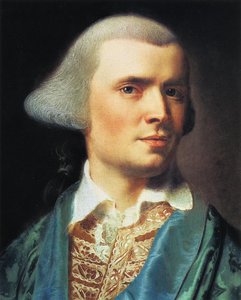
John Singleton Copley
1738 - 1815 , Egyesült Királyság
Rövid információk
- Artistic Movement Or Style: Portréfestészet, Realizmus
- Artists Or Movements Influenced By This Artist: ['Korszerű festészet']
- Artists Who Influenced This Artist:
- Rembrandt van Rijn
- Antoine Watteau
- Date Of Birth: 1738. július 3.
- Date Of Death: 1815. szeptember 9.
- Full Name: John Singleton Copley
- Nationality: Angol-amerikai
- Notable Artworks:
- Earl of Chatham
- Mr. & Mrs. Izard
- Watson and the Shark
- Place Of Birth: Boston, Anglia
Kapcsolódó cikkek

A Neoklasszicizmus 10 Mesterműve: Klasszikus Stílusú Festmények és Dekorációk a OriginalUniqueArt-on
Fedezze fel a neoklasszicizmus 10 legikonikusabb műalkotását! Jacques-Louis David, Ingres és más mesterek klasszikus festményeinek története. Vászonképek, faliképek - inspirálja otthonát OriginalUniqueArt.com kínálatával! Fedezze fel a teljes gyűjteményt online.
The Enduring Legacy of Classicism: Principles, Evolution & Influence in Western Art
Explore the enduring legacy of Classicism in Western art! Discover its historical context, key principles, iconic masterpieces & lasting influence. Learn about Renaissance and Neoclassical movements with OriginalUniqueArt.

Neo-Classicism Reimagined: The Bold Return of Order, Power, and Timeless Aesthetic Authority
Explore the resurgence of Neo-Classicism. Discover how the bold return of order, symmetry, and mythic power is redefining modern luxury interiors through museum-quality, hand-painted reproductions and bespoke classical commissions for the discerning art collector.

Oil on Canvas: A Historical & Technical Exploration of a Timeless Artistic Medium
Explore the rich history & enduring techniques of oil painting on canvas. Discover the science behind its longevity, conservation practices, and contemporary relevance. Expert insights for art enthusiasts.

The Enduring Legacy of Oil on Canvas: Technique, History & Aesthetic Impact
Explore the rich history & techniques of oil painting – from Renaissance masters to Impressionism. Discover pigments, layering methods, and why this timeless medium endures. Expert insights for artists & art enthusiasts.


