

 Előnézet
 Megosztás
 Megosztás
 Részletek
 Útmutató

 Letöltés
 Hasonló darabok
 X-ray felvétel
 Diavetítés
 Statisztika
Mrs. Cecil Wade
 Olajfestmény vászonon
- Falfeliratok és faldekoráció
- Realista portréfestészet
 1886
1886 162.0 x 134.0 cm
 Nelson-Atkins Múzeum
 Tovább olvasom
Giclée / Műnyomat
Múzeumi minőségű giclée vagy vászonnyomat, gyors gyártással és rugalmas finomítási lehetőségekkel. ( Kézzel festett másolat vásárlása Áttérés digitális képre)




P118B Ft10

P118H Ft10

P118W Ft10

P438Z Ft10

P508JH Ft12

P508YH Ft12

P805H Ft10

P805Z Ft10

P919BZ Ft10

P919G Ft10

P919XJ Ft10

P959ZH Ft10

P968JZ Ft12

W106C Ft8

W218G Ft10

W218JH Ft8

W218Y Ft10

W307PJ Ft10

W316G Ft10

W316PJ Ft8

W316Y Ft10

W398PJ Ft8

W4111J Ft10

W500HY Ft15

W500JH Ft15

W692G Ft12

W849H Ft8

W940BG Ft15

W953PJ Ft8




Válasszon előre meghatározott méreteink közül, amelyek megfelelnek a műalkotás eredeti arányainak.

Írja be a keretének vagy a falának megfelelő szélességet és magasságot. A nyomatot csak le lehet vágni, soha nem tehető nagyobbá, mint az eredeti kép, így egy eltérő alakú méretnél a kép egy része elveszik. Mielőtt bármit kinyatintanánk, küldünk egy digitális próbamodellt jóváhagyásra. Az oldalon látható kép nem tartalmazza a valós levágást — ezt csak a próbamodell mutatja meg.
Világszerte történő kiszállítás területére mindössze 2 hét alatt, a szokásos 4-5 hét helyett. (22 október)

Ingyenes globális expressz szállítás

Prémium minőségű len vászon

Teljes körű szállítási biztosítás

Vámvisszatérítési Garancia

Tökéletes színarányosság garancia

100 napos visszaküldési garancia (csak gyártási hibás termékek esetén)

100% pénzvisszatérítési garancia

Több darab vásárlásakor kedvezmény
 Az üvegkeretes opció csak 110 cm alatti méretben érhető el

Mrs. Cecil Wade
Giclée / Műnyomat
Reprodukció méretei
-


Összesített ár
Ft 25565
Egy Finom Elegancia Portréja: John Singer Sargent Mrs. Cecil Wade-ról
John Singer Sargent Mrs. Cecil Wade című műve, amelyet 1886-ban festettek és amely ma az Nelson-Atkins Művészeti Múzeum szent pilléiben tartózkodik, több, mint egyszerű portré; ez a Bújikori (Gilded Age) esztétikai elveinek gondosan megalkotott destillátuma. A festmény azonnal felkelti az tekintetet a műval anyjára – Mrs. Cecil Wade-re –, egy olyan nőre, aki visszafogott eleganciával sugárzik, ami sok dolgot mesél a társadalmi státuszáról és az belső nyugalmáról. Sargent mesteri használata a fény és árnyék között, amely jellemzően az impressionista vonalakkal temperált realizmista pontossággal ötvöződik, egy ragyogó minőséget kölcsön Mrs. Wade körül, kiemelve ruhájának finom textúráját és kézében összekörölt kezei lágy görbületét, ami csendes gondolkodás gesztusát sugallja.
A jelenet egy kényelmesen elrendezett stábóban vagy talán kifinomult étnehézben zajlik. Az elrendezés – egy puha pad, stratégiailag elhelyezett székek, egy virágok cseréjezelő vázával díszített asztal, és egy növényekkel gazdagító cserép – a nevelkedett háztartás hangulatára utal. Ezek az elemek nem csupán dekoratívak; jelentősen hozzájárulnak a festmény narratívájához, sugallva egy olyan lányot, aki luxusban élt, és körülvéve szépség tárgyakkal. Sargent nem egyszerűen ábrázol egy szobát; ő gondosan megtervezett táblát épít fel, amely megerősíti Mrs. Wade helyét a kiváltság világában.
A Formák Nyelve: Sargent Technikája és Kompozíciója
Sargent technikája azonnal látható az azoknak a laza, szinte csillogó kefestékvonásokban, amelyek meghatározzák Mrs. Wade ruhájának anyagát. Egy szakított színtechnikát alkalmaz, vékony festékrétegek rétegezésével, hogy mélység és mozgás illúzióját hozzon létre – különösen látható a hálós díszítésben. Ez az elközelés, kombinálva abban képességével, hogy megfogja a fény átmeneti pillanatait, rendkívüli azonosság érzetét kölcsön az ábrázolásnak. A kompozíció maga rendkívül kiegyensúlyozott; a pad által létrehozott diagonális vonal rögzíti a tekintetet, miközben lehetővé teszi, hogy a szemszörnyéke elszántassa a szoba átmeneti területein, felszívva az elrendezés részleteit és árnyalatait.
Meglepő módon Sargent kerülja a túlzottan drámai pozíciókat vagy a színházszerű világítást, inkább egy közvetlen tekintetet választva, amely közvetlenül felhívja az néző figyelmét. Ez az intimitás tovább erősödik Mrs. Wade arcának mesterséges ábrázolásával – kifejezése nyugodt mégis finoman intelligens, arra utalva, hogy komplex belső élete van. A gondos figyelem a szemeire, a lágy görbületű szájára és a fény enyhe játékára az ő bőréjén mind hozzájárul egy portréhez, amely rendkívül élőnek tűnik.
Egy Kor Ablakzárja: Történelmi Kontextus és Társadalmi Jelentőség
Mrs. Cecil Wade mélyen gyökerezik az 19. százch második felének amerikai kontextusába – egy időszakba, amelyet gyakran a Bújikor néven emlékeznek meg; amely rendkívüli gazdagsággal, gyors ipari forradalommal és egy növekvő társadalmi ambíció érzetével zeichnetelődik. Sargent portréit gyakran kérték ki az elismert iparmunkások és személyek, amelyek nem csak vizuális reprezentációként, hanem státuszuk és befolyásuk szimbólumaiként is szolgáltak. A festmény tükrözi ezt a társadalmi ragyogást az megjelenés iránti foglalkozással és egy gondosan kialakított kép fenntartásának fontosságával.
Továbbá, Mrs. Wade maga reprezentálja egy specifikus archetípusot azokban az években: egy nevelkedett szabadidőn töltő asszonyot, aki kényelmesen érez magát társadalmi körében és csendes dzignitás légkörével rendelkezik. Az öltözéke – a fehér ruha, a hálós díszítés és az elegáns frizura – mind a korszak divatos stílusának jelképei, tükrözve Párizsából származó jelenlegi trendeket. Sargent képessége, hogy ezt az lényeget ilyen pontossággal fogja meg, kiemeli művészeti technikájáról és az ő korának társadalmi dinamikáiról való megértését is.
Érzelmi Hangulat és Tartós Örökség
Technikai kiválóságán és történelmi jelentőségén túl, Mrs. Cecil Wade mély érzelmi rezonanciát hordoz. A festmény egy nyugalom és visszafogott szépség érzetét kelt – egy időben megfogott csendes pillanatot. Ez nem egy portré, amely figyelmet követel; inkább arra ösztönzi a nézőt, hogy megálljon, megfigyelje, és elgondolkodjon az alany belső világán. Sargent műve ma is képes elköritni a közönséget, demonstrálva tartós örökségét mint az 19. század egyik legbefolyásosabb művésze.
Egy magas minőségű reprodukciója Mrs. Cecil Wade egy kiváló lehetőséget nyújt arra, hogy ezt a csodálatos műalkotást otthonába vagy irodájába hozzák. Az időtlen eleganciája és hangulatát ösztönző atmoszférája kétségkívül inspiráció forrásává és hommage-ként szolgál Sargent művészi látásának tartós erejéhez.
Gyakran Ismételt Kérdések
Milyen technikával és milyen stílusban készült a "Mrs. Cecil Wade"?
A "Mrs. Cecil Wade" alkotás Olajfestmény vászonon technikával készült, a Realista portréfestészet stílusban.
Mit ábrázol a „Mrs. Cecil Wade”, John Singer Sargent alkotása, és milyen hangulatot közvetít?
A „Mrs. Cecil Wade”, John Singer Sargent alkotása a portréfestészet, elegancia, háló, belsőépítészet, gazella, sargent, viktorian, finomhangulat elemeit ötvözi egy Elegáns hangulatú környezettel.
Ki a "Mrs. Cecil Wade" alkotója?
A „Mrs. Cecil Wade” műtémét John Singer Sargent alkotójának tulajdonítják.
A művész életrajza
A Life Immersed in Light and Society
John Singer Sargent, a name synonymous with the Gilded Age and its shimmering portraits of elegance, was an American artist who spent most of his life cultivating his craft within the European art world. Born in Florence, Italy, in 1856 to American expatriate parents, Fitzwilliam and Mary Newbold Sargent, his upbringing was anything but conventional. The family’s nomadic existence – constantly traversing France, Germany, Italy, and Switzerland – instilled in young John a cosmopolitan sensibility and an early exposure to the artistic treasures of Europe. Rather than formal schooling, his education unfolded within museum halls and ancient churches, fostering a visual literacy that would profoundly shape his artistic vision. This itinerant childhood, while lacking traditional structure, provided a rich tapestry of cultural experiences that fueled his developing talent. His father, a surgeon, and his mother, an amateur artist, encouraged his inclinations, recognizing early on the remarkable acuity of his observational skills. It was clear from a young age that John’s path lay not in medicine or conventional pursuits, but within the realm of art.From Parisian Atelier to Portrait Master
In 1874, at the age of eighteen, Sargent embarked on a pivotal chapter of his artistic development by entering the Paris studio of Carolus-Duran. This mentorship proved transformative. Duran’s emphasis on *direct painting* – a technique eschewing preliminary sketches in favor of immediate application of paint to canvas – honed Sargent's already impressive technical facility and instilled within him an astonishing ability to capture likenesses with speed and precision. It was a revolutionary approach, encouraging boldness and spontaneity, and it became the hallmark of Sargent’s style. He absorbed Duran’s lessons wholeheartedly, mastering the art of capturing not just physical resemblance but also the very essence of his sitters. Simultaneously, he enrolled at the École des Beaux-Arts, further refining his skills in drawing from casts and life models. However, it was the influence of Spanish masters like Velázquez, encountered during a formative trip to Spain in 1879, that truly ignited Sargent’s artistic imagination. He became captivated by Velázquez’s masterful use of light, brushwork, and psychological insight – qualities he would strive to emulate throughout his career.Navigating Fame, Scandal, and Artistic Evolution
Sargent quickly established himself as a sought-after portraitist in Paris, attracting commissions from the city’s elite. His ability to capture not just physical likeness but also the personality and social standing of his subjects made him immensely popular. However, his ascent was not without its challenges. The unveiling of *Madame X* (Portrait of Madame Pierre Gautreau) at the 1884 Salon ignited a scandal that threatened to derail his burgeoning career. The painting’s daring depiction of socialite Virginie Amélie Avegno Gautreau – with her pale complexion, suggestive pose, and fallen strap – was deemed provocative and scandalous by Parisian society. Though Sargent later repainted the strap, the damage was done. Disheartened by the controversy, he relocated to London in 1886, where he found a more receptive audience for his talents. In London, he continued to paint portraits of the wealthy and prominent, capturing the opulence and social dynamics of Edwardian society with unparalleled skill. Yet, Sargent’s artistic ambitions extended beyond the confines of commissioned portraiture. He yearned for greater creative freedom and increasingly devoted himself to landscape painting and plein-air studies, embracing an Impressionistic style characterized by loose brushwork, vibrant colors, and a focus on capturing fleeting moments of light and atmosphere. These landscapes reveal a different side of Sargent – one less concerned with social status and more attuned to the beauty of the natural world.Influences and Artistic Kinships
- Carolus-Duran: His teacher, who instilled in him a direct painting technique and encouraged spontaneity.
- Diego Velázquez: Sargent deeply admired Velázquez’s mastery of light, brushwork, and psychological insight, particularly evident in his Spanish works.
- Impressionism: The Impressionists' emphasis on capturing fleeting moments and atmospheric effects profoundly impacted his landscape paintings, leading to a looser, more expressive style.
- James Abbott McNeill Whistler: Sargent shared with Whistler an interest in aestheticism and the pursuit of “art for art’s sake,” influencing his approach to composition and color.
A Lasting Legacy
While celebrated as “the leading portrait painter of his generation,” John Singer Sargent’s artistic legacy extends far beyond his masterful depictions of society figures. His major works, such as *El Jaleo*, a dynamic portrayal of Spanish flamenco dancers, and *Carnation, Lily, Lily, Rose*, a serene depiction of two young girls in an English garden, demonstrate his versatility and technical brilliance. Later in life, he embarked on ambitious mural projects, including the monumental cycle at the Boston Public Library, showcasing his ability to translate his artistic vision onto a grand scale. His influence can be seen in the work of subsequent generations of artists who admired his technical skill, his bold brushwork, and his ability to capture both physical likeness and psychological depth. The rediscovery of his previously overlooked male nudes in the 1980s further broadened our understanding of Sargent’s artistic range and revealed a more complex and nuanced artist than previously recognized. *His paintings continue to captivate audiences worldwide*, offering a fascinating glimpse into a bygone era while simultaneously transcending time through their enduring beauty and technical mastery. He remains, undeniably, one of the most significant American artists of his generation, whose work continues to inspire and provoke admiration.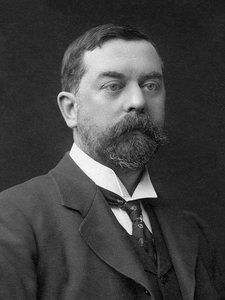
John Singer Sargent
1856 - 1925 , Olaszország
Gyors információk
- Artistic Movement Or Style: Impressionista
- Artists Or Movements Influenced By This Artist:
- Whistler
- Impressionisták
- Artists Who Influenced This Artist:
- Carolus-Duran
- Velázquez
- Date Of Birth: 1856. jan 12.
- Date Of Death: 1925. ápr 15.
- Full Name: John Singer Sargent
- Nationality: Amerikai
- Notable Artworks:
- Madame X
- El Jaleo
- Carnation Lily Lily Rose
- Place Of Birth: Firenze, Olaszország
Kapcsolódó cikkek

John Constable 25 Mesterműve: A Természet Lényege Vászonon – OriginalUniqueArt.com
Fedezze fel John Constable 25 legszebb művészeti alkotását! Ismerje meg a romantika ikonikus tájképeit, Dedham Vale szépségét és a természet lenyűgöző ábrázolásait. Vászonkép reprodukcióinkkal eleganciát csempészhet otthonába – OriginalUniqueArt.com

John Singer Sargent 25 Mesterműve: Elegancia és Portrék a OriginalUniqueArt Galériában
Fedezze fel John Singer Sargent 25 legikonikusabb művészeti alkotását! Portrék, impresszionista stílus és a fény játéka – inspirálódjon Sargent életrajzából és vászonképeiből. Művészeti reprodukciók otthonába a OriginalUniqueArt-on!
John Singer Sargent: Capturing the Gilded Age with Impressionistic Brilliance
Explore the life & art of John Singer Sargent, premier portraitist of the Gilded Age. Discover his Impressionistic masterpieces, technical brilliance, and enduring legacy. Expert insights for collectors.
Mastering Light and Elegance: The Timeless Brilliance of John Singer Sargent
Discover the luminous mastery of John Singer Sargent. Explore an expert analysis of his legendary light, Gilded Age elegance, and technical brilliance, perfect for fine art enthusiasts seeking to bring timeless classical beauty into their modern collections.
Capturing Elegance: The Timeless Allure of John Singer Sargent's Masterpieces
Discover the breathtaking elegance of John Singer Sargent's masterpieces. From iconic Gilded Age portraits to impressionistic landscapes, explore the technical brilliance and timeless allure of this American master through our premium, hand-painted fine art reproductions.


