

 Megtekintés
 Küldés
 Megosztás
 Részletek
 Útmutató

 Letöltés
 Hasonló darabok
 X-ray felvétel
 Diavetítés
 Q&A
Q&A Statisztika
Queen Adelaide (1792–1849)
 Neoclassicism
 1832
1832 272.0 x 179.0 cm
 Összes részlet megjelenítése
Giclée / Műnyomat
Múzeumi minőségű giclée vagy vászonnyomat, gyors gyártással és rugalmas finomítási lehetőségekkel. ( Kézzel festett másolat rendelése Áttérés digitális képre)




P118B Ft10

P118H Ft10

P118W Ft10

P438Z Ft10

P508JH Ft12

P508YH Ft12

P805H Ft10

P805Z Ft10

P919BZ Ft10

P919G Ft10

P919XJ Ft10

P959ZH Ft10

P968JZ Ft12

W106C Ft8

W218G Ft10

W218JH Ft8

W218Y Ft10

W307PJ Ft10

W316G Ft10

W316PJ Ft8

W316Y Ft10

W398PJ Ft8

W4111J Ft10

W500HY Ft15

W500JH Ft15

W692G Ft12

W849H Ft8

W940BG Ft15

W953PJ Ft8




Válasszon előre meghatározott méreteink közül, amelyek megfelelnek a műalkotás eredeti arányainak.

Írja be a keretének vagy a falának megfelelő szélességet és magasságot. A nyomatot csak le lehet vágni, soha nem tehető nagyobbá, mint az eredeti kép, így egy eltérő alakú méretnél a kép egy része elveszik. Mielőtt bármit kinyatintanánk, küldünk egy digitális próbamodellt jóváhagyásra. Az oldalon látható kép nem tartalmazza a valós levágást — ezt csak a próbamodell mutatja meg.
Világszerte történő kiszállítás területére mindössze 2 hét alatt, a szokásos 4-5 hét helyett. (30 október)

Ingyenes globális expressz szállítás

Prémium minőségű len vászon

Teljes körű szállítási biztosítás

Vámvisszatérítési Garancia

Hiteles színarányosság garancia

100 napos visszaküldési lehetőség (csak hibás termékek esetén)

100% pénzvisszatérítési garancia

Több darab vásárlásakor kedvezmény
 Az üvegkeretes opció csak 110 cm alatti méretben érhető el

Queen Adelaide (1792–1849)
Giclée / Műnyomat
Reprodukció mérete
-


Összesített ár
Ft 26157
A művész életrajza
John Simpson: A Life in Portraiture
Early Life and Training
- Born in London in 1782, John Simpson embarked on a career as a portrait painter during a vibrant period of British art.
- He received his foundational training at the prestigious Royal Academy, honing his skills and establishing himself within the artistic community.
- Crucially, Simpson spent several years as an assistant to Sir Thomas Lawrence, PRA – a leading portraitist of the era. This mentorship profoundly shaped his style and approach to capturing likenesses.
Artistic Development and Style
- Simpson’s early work reflects the influence of Sir Thomas Lawrence, characterized by a refined technique and attention to detail. He quickly gained recognition for his ability to create flattering and accurate portraits.
- He exhibited regularly at the Royal Academy from 1807 until his death, demonstrating consistent productivity and engagement with the art world.
- While primarily a portraitist, Simpson’s work occasionally ventured beyond conventional society portraiture, hinting at a broader artistic sensibility.
Major Achievements and Commissions
- Royal Patronage: In 1834, Simpson received a significant commission to travel to Portugal and paint portraits in Lisbon.
- His success led to an appointment as Painter to the Queen of Portugal, solidifying his reputation on the international stage.
- Notable Sitters: Simpson painted numerous prominent figures, including William IV and many other notable individuals of his time. His portraits provide valuable visual records of British society during the 19th century.
‘The Captive Slave’ and Rediscovery
- A Turning Point: Simpson's painting, ‘The Captive Slave,’ created a significant shift in his artistic legacy. It remained largely unseen for nearly 180 years.
- Acquisition and Recognition: The Art Institute of Chicago acquired the work in 2008, bringing it to public attention.
- Abolitionist Significance: ‘The Captive Slave’ is now recognized as a powerful statement against slavery. It demonstrates Simpson's capacity for venturing beyond conventional portraiture and engaging with important social issues.
Legacy and Historical Significance
- Despite some contemporary criticism suggesting his work lacked “instinct and penetration,” John Simpson established a successful career as a respected portrait painter.
- Family of Artists: He had two sons who also pursued artistic careers – Charles, who died young, and Philip, who found success with small domestic subjects.
- Enduring Impact: The rediscovery of ‘The Captive Slave’ has elevated Simpson's status, highlighting his talent and the painting’s importance as a symbol of the abolitionist movement. He is now recognized not only for his technical skill but also for his contribution to social commentary through art.

John Simpson
1782 - 1847 , United Kingdom
Rövid információk
- Name: John Simpson
- Movement: Portraiture
- Birth Date: 1782
- Death Date: 1847
- Birth Place: London, United Kingdom
- Nationality: British
- Date Of Birth: 1782
- Date Of Death: 1847
- Influenced By: Sir Thomas Lawrence
- Notable Works: The Captive Slave
- Place Of Birth: London, United Kingdom
Kapcsolódó cikkek
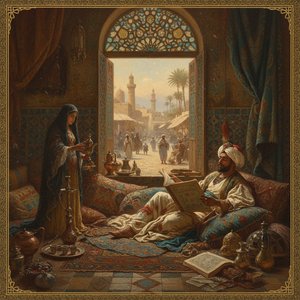
John Frederick Lewis: Orientalism, Detail & Genre Painting in 19th-Century British Art
Explore the captivating Orientalist paintings of John Frederick Lewis! Discover his mastery of detail, genre scenes & influence on 19th-century British art. Learn about his life, techniques & legacy at OriginalUniqueArt.
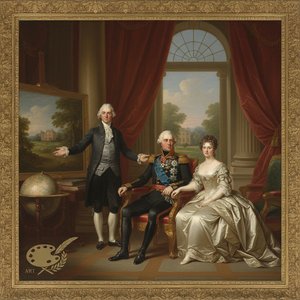
John Hoppner: Portraiture, Patronage & British Identity in the Late Georgian Era
Explore the life & work of John Hoppner, a leading Georgian portraitist. Discover his vibrant style, influential patrons, and lasting impact on British art history. Expert insights for collectors.
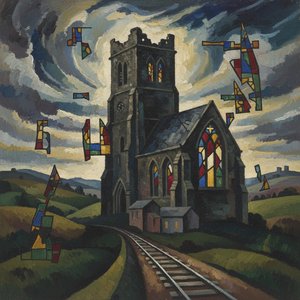
John Piper: A Spiritual Vision of British Landscape & Modernism's Embrace
Explore the captivating world of John Piper, a celebrated British painter whose evocative landscapes & iconic church art captured the spirit of his time. Discover his legacy and find high-quality reproductions at OriginalUniqueArt.

John Constable 25 Mesterműve: A Természet Lényege Vászonon – OriginalUniqueArt.com
Fedezze fel John Constable 25 legszebb művészeti alkotását! Ismerje meg a romantika ikonikus tájképeit, Dedham Vale szépségét és a természet lenyűgöző ábrázolásait. Vászonkép reprodukcióinkkal eleganciát csempészhet otthonába – OriginalUniqueArt.com

John Singer Sargent 25 Mesterműve: Elegancia és Portrék a OriginalUniqueArt Galériában
Fedezze fel John Singer Sargent 25 legikonikusabb művészeti alkotását! Portrék, impresszionista stílus és a fény játéka – inspirálódjon Sargent életrajzából és vászonképeiből. Művészeti reprodukciók otthonába a OriginalUniqueArt-on!