

 Előnézet
 Megosztás
 Megosztás
 Részletek
 Útmutató

 Letöltés
 Hasonló darabok
 X-ray felvétel
 Diavetítés
 Statisztika
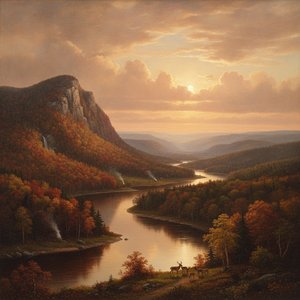
The River Bend

 Tovább olvasom
Giclée / Műnyomat
Múzeumi minőségű giclée vagy vászonnyomat, gyors gyártással és rugalmas finomítási lehetőségekkel. ( Kézzel festett másolat vásárlása Áttérés digitális képre)




































Válasszon előre meghatározott méreteink közül, amelyek megfelelnek a műalkotás eredeti arányainak.

Megadhat saját méreteket is egy konkrét kerethez vagy helyszínhez igazítva. Amennyiben a kiválasztott méret nem egyezik az eredeti kép arányokkal, a műalkotást le fogjuk vágni, vagy kiegészítjük a képet tükrözött vagy egyszínű szélekkel. A gyártás megkezdése előtt egy digitális tervezetet küldünk jóváhagyásra.
Kérjük, vegye figyelembe, hogy a képernyőn látható előnézet nem tükrözi a tényleges levágást vagy kiegészítést. Csak a tervezet mutatja pontosan a végső kompozíciót.
Bár az egyedi méretek is elérhetőek, az eredeti arányok megőrzése érdekében azt javasoljuk, hogy válasszon a előre meghatározott listából származó méretet.
Világszerte történő kiszállítás területére mindössze 2 hét alatt, a szokásos 4-5 hét helyett. (30 szeptember)

Ingyenes globális expressz szállítás

Prémium minőségű len vászon

Teljes körű szállítási biztosítás

Vámvisszatérítési Garancia

Tökéletes színarányosság garancia

100 napos visszaküldési garancia (csak gyártási hibás termékek esetén)

100% pénzvisszatérítési garancia

Több darab vásárlásakor kedvezmény
 Az üvegkeretes opció csak 110 cm alatti méretben érhető el

The River Bend
Giclée / Műnyomat
Reprodukció méretei
-


Összesített ár
Ft 25360
The River Bend: A Glimpse of 19th-Century American Landscape
- Subject & Description: "The River Bend" by John Mix Stanley presents a captivating landscape scene, showcasing a river gracefully curving around rocky terrain. The foreground is dominated by natural elements – rocks and trees—while the background features a majestic mountain range, with one peak prominently rising above the others. Two figures are subtly incorporated into the composition, providing a sense of scale and human connection within this otherwise serene environment.
John Mix Stanley: Artist-Explorer of the American West
- Biography: John Mix Stanley (1814-1872) was more than just a painter; he was an artist-explorer who dedicated his life to documenting the landscapes and cultures of 19th-century America. Born in Canandaigua, New York, Stanley began his artistic journey painting signs and portraits before venturing westward in 1842. His travels took him through territories undergoing significant change, allowing him to capture scenes of Native American life, frontier settlements, and the vast, untamed wilderness. He famously exhibited extensive collections of his work, including a monumental panorama of Western scenes in Washington D.C., though he struggled financially despite widespread recognition.
Style & Technique: Capturing the Essence of the Landscape
- Artistic Style: Stanley’s style is rooted in American Romanticism, emphasizing emotional response and the sublime beauty of nature. "The River Bend" exemplifies this approach through its detailed depiction of natural forms and the evocative atmosphere it creates. While influenced by earlier landscape traditions, Stanley developed a distinct voice characterized by his meticulous observation and ability to convey the grandeur of the Western landscapes.
- Painting Technique: While specific details about the materials used for "The River Bend" are currently unknown, Stanley was known for employing oil paints to achieve rich colors and textures. His technique involved careful layering and blending to create a sense of depth and realism. The visible brushstrokes, even in reproductions, hint at his dedication to capturing the nuances of light and shadow within the landscape.
Historical Context & Symbolism
- The Era: "The River Bend" was created during a period of rapid westward expansion in the United States. The painting reflects the nation's fascination with, and exploitation of, its natural resources and the displacement of Native American populations. Stanley’s work offers a valuable visual record of this transformative era.
- Symbolism: The river itself can be interpreted as symbolizing the flow of time and progress, while the mountains represent enduring strength and resilience. The inclusion of human figures suggests humanity's relationship with nature—a connection that was both celebrated and threatened during this period. The overall composition evokes a sense of awe and wonder at the vastness and beauty of the American wilderness.
Emotional Impact & Legacy
- The Viewer’s Experience: "The River Bend" invites viewers to immerse themselves in the tranquility of the landscape. The painting's serene atmosphere, combined with its detailed depiction of natural elements, evokes a sense of peace and contemplation. It serves as a reminder of the enduring power of nature and the importance of preserving it.
- Stanley’s Contribution: Despite facing financial hardship throughout his career, John Mix Stanley left behind a significant body of work that continues to resonate with audiences today. His paintings provide invaluable insights into 19th-century American life and landscape, solidifying his place as a pioneering figure in American art history.
A művész életrajza
A Pioneer of the American West: The Life and Art of John Mix Stanley
John Mix Stanley, a name perhaps less familiar than some of his contemporaries, stands as a crucial figure in documenting the landscapes and peoples of the 19th-century American West. His life story is one woven with threads of resilience, artistic dedication, and an unwavering spirit of exploration—a testament to a man shaped by hardship yet driven by a profound desire to capture the essence of a rapidly changing frontier. Born in Canandaigua, New York, on January 17, 1814, Stanley’s early years were marked by loss and apprenticeship, experiences that instilled within him a remarkable self-reliance—a quality that would define his adventurous career. Orphaned at the tender age of twelve, he was thrust into a world of responsibility, apprenticed to a coach maker by fourteen, learning not just the craft but also the value of hard work and independent skill. It was through diligent self-teaching, fueled by an innate artistic talent, that he ultimately embarked on his extraordinary journey as a painter.From Sign Painter to Frontier Observer
Stanley’s artistic trajectory began modestly in Detroit, Michigan, where he established himself as an itinerant sign and portrait painter in 1832. This initial period wasn't merely about mastering technical skills; it was a crucial phase of observation—a deep immersion into the rhythms of daily life, the nuances of light and shadow, and the expressive potential of human faces. He meticulously studied his subjects, absorbing their personalities and capturing them with remarkable accuracy. However, Stanley’s artistic ambitions soon extended beyond the commissions of local businesses. Inspired by the burgeoning interest in depicting Native American cultures—a trend spearheaded by artists like George Catlin—he began to seek opportunities to document these vibrant and often misunderstood communities. This shift marked a turning point in his career, leading him westward in 1842 alongside Sumner Dickerman, an artist from Troy, New York, on a deliberate expedition to the American Southwest.Documenting Native Cultures in Indian Territory
The journey to the American Southwest was more than just a scenic excursion; it was a deeply purposeful quest—a commitment to preserving a vanishing way of life. Establishing himself at Fort Gibson in what is now Oklahoma (Indian Territory), Stanley immersed himself fully within the cultures of the various tribes inhabiting the region. He attended significant councils, such as the one between Cherokee and Texas representatives at Tahlequah, meticulously recording these events through portraits and scenes of daily life. His commitment to documentation extended beyond mere observation; he sought to understand the social structures, customs, and spiritual beliefs of these Native American communities. This period yielded a remarkable body of work—over 85 paintings that offered an unprecedented visual record of a rapidly changing world. The scale of this undertaking was ambitious, reflecting Stanley’s dedication to his mission.Military Service and Panoramic Visions
The outbreak of the Mexican-American War in 1846 presented another opportunity for Stanley to contribute his artistic skills. He joined Colonel Stephen Watts Kearney's expedition to California and the Oregon Territory as a draftsman, producing detailed sketches and paintings that captured the drama and scope of the military campaign. These images weren’t simply illustrations of battles; they were attempts to document the landscape, the people, and the challenges faced by the American forces. Following his service in the Mexican-American War, Stanley continued to explore the West, traveling north to Oregon and Washington, where he painted landscapes and documented various Native American tribes. In 1854, he even mounted a monumental panorama of Western scenes in Washington, D.C., showcasing over 42 distinct scenes—a testament to his ambition and artistic vision. Sadly, this ambitious project was lost when the Smithsonian Institution burned down in 1865, taking with it much of Stanley’s work.A Legacy Preserved – and a Tragic Loss
Despite the devastating loss of many of his paintings in the Smithsonian fire, Stanley's legacy endures through the surviving works held by museums across the nation—including the Buffalo Historical Society, the Detroit Institute of Arts, the Gilcrease Museum in Tulsa, Oklahoma, and the Stark Museum of Art in Orange, Texas. These paintings offer invaluable insights into 19th-century frontier life and Native American cultures, serving as a poignant reminder of a time when the West was being rapidly transformed. Stanley’s work is not merely aesthetically pleasing; it's a historical record—a visual testament to the encounters, conflicts, and cultural exchanges that shaped the American West. His dedication to documenting these experiences, often in the face of adversity, solidifies his place as a pioneering artist and a crucial chronicler of a vanishing world. John Mix Stanley was more than just an artist; he was a visual anthropologist who captured the essence of the American West during a period of profound transformation.- Pioneering Documentation: Stanley was among the first artists to systematically document Native American cultures through painting.
- Extensive Travel: His travels across the American West and Hawaii resulted in a vast body of work depicting diverse landscapes and peoples.
- Historical Record: Surviving paintings provide valuable insights into 19th-century frontier life and Native American cultures.

John Mix Stanley
1814 - 1872 , Egyesült Államok
Gyors információk
- Artistic Movement Or Style: Realista romantikus
- Artists Or Movements Influenced By This Artist: ['George Catlin']
- Artists Who Influenced This Artist: ['George Catlin']
- Date Of Birth: 17 janvier 1814
- Date Of Death: 10 avril 1872
- Full Name: John Mix Stanley
- Nationality: Amerikai
- Notable Artworks:
- Ko rak koo kiss
- Tengerparti táj
- Szívócsillag
- Place Of Birth: Canandaigua, USA
Kapcsolódó cikkek

A Hudson River Iskola 10 Mesterműve: Tájképfestészet és Amerika Lelke – OriginalUniqueArt
Fedezze fel a Hudson River Iskola 10 legikonikusabb műalkotását! Frederic Church, Thomas Cole és más amerikai festők romantikus tájképei. Vászonkép másolatok, faliképek otthonába – OriginalUniqueArt.com kínálatából. Explore the full collection online!

John Frederick Kensett: Luminosity, Landscape & the American Identity
Explore the luminous landscapes of John Frederick Kensett, a master of Luminism and key figure in the Hudson River School. Discover his serene paintings & enduring legacy with OriginalUniqueArt.

John Constable 25 Mesterműve: A Természet Lényege Vászonon – OriginalUniqueArt.com
Fedezze fel John Constable 25 legszebb művészeti alkotását! Ismerje meg a romantika ikonikus tájképeit, Dedham Vale szépségét és a természet lenyűgöző ábrázolásait. Vászonkép reprodukcióinkkal eleganciát csempészhet otthonába – OriginalUniqueArt.com

John Singer Sargent 25 Mesterműve: Elegancia és Portrék a OriginalUniqueArt Galériában
Fedezze fel John Singer Sargent 25 legikonikusabb művészeti alkotását! Portrék, impresszionista stílus és a fény játéka – inspirálódjon Sargent életrajzából és vászonképeiből. Művészeti reprodukciók otthonába a OriginalUniqueArt-on!
The Hudson River School: A Definitive Guide to America's Romantic Landscape Tradition
Explore the profound legacy of the Hudson River School. Discover how masters like Thomas Cole captured the American sublime through Romanticism and Luminism. A definitive guide for art historians and collectors seeking to understand America's wild beauty.
