

 Előnézet
 Megosztás
 Megosztás
 Részletek
 Útmutató

 Letöltés
 Hasonló darabok
 X-ray felvétel
 Diavetítés
 Statisztika
Andalusia


 Tovább olvasom
Giclée / Műnyomat
Múzeumi minőségű giclée vagy vászonnyomat, gyors gyártással és rugalmas finomítási lehetőségekkel. ( Kézzel festett másolat vásárlása Áttérés digitális képre)




P118B $10

P118H $10

P118W $10

P438Z $10

P508JH $12

P508YH $12

P805H $10

P805Z $10

P919BZ $10

P919G $10

P919XJ $10

P959ZH $10

P968JZ $12

W106C $8

W218G $10

W218JH $8

W218Y $10

W307PJ $10

W316G $10

W316PJ $8

W316Y $10

W398PJ $8

W4111J $10

W500HY $15

W500JH $15

W692G $12

W849H $8

W940BG $15

W953PJ $8




Válasszon előre meghatározott méreteink közül, amelyek megfelelnek a műalkotás eredeti arányainak.

Megadhat saját méreteket is egy konkrét kerethez vagy helyszínhez igazítva. Amennyiben a kiválasztott méret nem egyezik az eredeti kép arányokkal, a műalkotást le fogjuk vágni, vagy kiegészítjük a képet tükrözött vagy egyszínű szélekkel. A gyártás megkezdése előtt egy digitális tervezetet küldünk jóváhagyásra.
Kérjük, vegye figyelembe, hogy a képernyőn látható előnézet nem tükrözi a tényleges levágást vagy kiegészítést. Csak a tervezet mutatja pontosan a végső kompozíciót.
Bár az egyedi méretek is elérhetőek, az eredeti arányok megőrzése érdekében azt javasoljuk, hogy válasszon a előre meghatározott listából származó méretet.
Világszerte történő kiszállítás területére mindössze 2 hét alatt, a szokásos 4-5 hét helyett. (25 szeptember)

Ingyenes globális expressz szállítás

Prémium minőségű len vászon

Teljes körű szállítási biztosítás

Vámvisszatérítési Garancia

Tökéletes színarányosság garancia

100 napos visszaküldési garancia (csak gyártási hibás termékek esetén)

100% pénzvisszatérítési garancia

Több darab vásárlásakor kedvezmény
 Az üvegkeretes opció csak 110 cm alatti méretben érhető el

Andalusia
Giclée / Műnyomat
Reprodukció méretei
-


Összesített ár
$ 80
The Sun-Drenched Landscape of Andalusia
John Frederick Lewis’s “Andalusia,” painted in 1835, is more than just a depiction of a rural scene; it's a meticulously crafted window into the Romantic era’s fascination with the exotic and the idealized. The painting captures a moment of quietude – a man seated on the ground beside a horse, both enveloped by a simple blanket, while two figures observe from a distance. This seemingly straightforward composition is imbued with layers of meaning, reflecting Lewis's deep engagement with Orientalist themes and his masterful command of watercolor technique. The scene unfolds within a landscape bathed in the warm light of the Spanish sun, immediately evoking a sense of languid beauty and timelessness. The muted palette – ochres, browns, and subtle greens – creates an atmosphere of hazy serenity, characteristic of Lewis’s approach to capturing the atmospheric qualities of the Mediterranean region.A Painter's Journey: John Frederick Lewis and Orientalism
Born in London in 1804, John Frederick Lewis embarked on a remarkable artistic journey that took him across Europe and ultimately settled in Egypt for several years. His early training under Sir Thomas Lawrence provided a solid foundation in classical composition and technique, but it was his travels to Spain and Morocco – documented through extensive sketches and watercolors – that truly shaped his distinctive style. Lewis wasn’t merely recording landscapes; he sought to capture the essence of a culture, its people, and its way of life. This is evident in the careful attention to detail—the texture of the blanket, the bridle on the horse, the subtle expressions of the figures—and the integration of local elements into the scene. His decision to return to England after his time in Egypt allowed him to refine his skills and produce a series of highly polished paintings that became immensely popular with the British public.Technique and Detail: The Watercolor Master
Lewis’s skill as a watercolorist is immediately apparent in “Andalusia.” He employed a layering technique, building up color gradually to achieve remarkable depth and luminosity. Notice how he uses washes of diluted pigment to create the hazy atmosphere, while sharper lines define the forms of the horse and figures. The painting's surface possesses an almost tactile quality—one can practically feel the roughness of the ground beneath the man’s hands. The artist’s meticulous observation is further emphasized by the inclusion of small details, such as the folds in the blanket or the subtle variations in the horse’s coat. This level of detail wasn't simply decorative; it served to convey a sense of realism and authenticity, reflecting Lewis’s commitment to portraying his subjects with accuracy and sensitivity. The lithograph-like quality of the image, likely a later reproduction, adds an intriguing layer of historical context, suggesting that the original painting was intended for a wider audience through printmaking.Symbolism and Emotional Resonance
Beyond its technical brilliance, “Andalusia” resonates with deeper symbolic meanings. The solitary figure seated by the horse can be interpreted as representing contemplation, perhaps even a yearning for escape or a connection to nature. The horse, ready for riding, symbolizes movement, adventure, and the potential for exploration – themes central to the Romantic sensibility. The two figures in the background, observing from afar, introduce an element of mystery and invite speculation about their relationship to the scene. They could be landowners overseeing their property, travelers pausing for rest, or simply witnesses to a quiet moment in rural life. The overall mood is one of peacefulness and serenity, suggesting a harmony between humanity and nature—a sentiment that was particularly appealing during the 19th century. “Andalusia” offers viewers a glimpse into a world far removed from the bustle of urban life, inviting them to slow down, reflect, and appreciate the beauty of the natural world.A művész életrajza
John Frederick Lewis: A Life in Orientalist Painting
John Frederick Lewis, a remarkable English painter, emerged onto the art scene in the early 19th century, leaving behind a legacy of exquisitely detailed and evocative paintings depicting the landscapes and cultures of the Middle East and North Africa. Born on July 14, 1804, in London, his artistic journey was deeply intertwined with his family’s background – his father, Frederick Christian Lewis, was an engraver and landscape painter, providing a foundational understanding of visual representation. This familial connection to art undoubtedly shaped young John's early development, nurturing within him a keen eye for observation and composition.
Lewis’s formal training began under the tutelage of Sir Thomas Lawrence, a celebrated portraitist known for his ability to capture both likeness and character. Lawrence instilled in Lewis a solid understanding of classical techniques – perspective, anatomy, and the skillful use of light and shadow – skills that would prove invaluable as he embarked on his own artistic explorations. This early education provided him with a strong technical base, allowing him to later develop his distinctive style.
Early Travels and Spanish/Moroccan Influences (1832-1834)
Lewis’s artistic career truly took flight during a pivotal period of travel between 1832 and 1834. He journeyed to Spain and Morocco, experiences that profoundly impacted his artistic vision and established the foundation for his most celebrated work: his Orientalist paintings. These travels weren't merely sightseeing expeditions; they were immersive encounters with a world vastly different from his native England. He meticulously documented these landscapes, customs, and people through watercolor and later, lithographs. The resulting “Sketches and Drawings of the Alhambra” (1835) and “Lewis’s Sketches of Spain and Spanish Character” (1836) became immensely popular, showcasing his ability to capture not just visual details but also the atmosphere and spirit of these exotic lands.
The stark beauty of the Moorish architecture in Spain and the vibrant culture of Morocco ignited a passion within Lewis. He was particularly fascinated by the intricate patterns, rich colors, and the daily life of the people he encountered. These experiences moved beyond simple documentation; they fueled his desire to portray these cultures with sensitivity and respect, laying the groundwork for his later success in Egypt.
The Egyptian Period (1841-1851): A Masterpiece of Detail
Lewis’s most productive and arguably most influential period occurred during his sojourn in Cairo between 1841 and 1851. This extended stay allowed him to fully immerse himself in the world of Islamic art and culture, transforming his artistic style into a refined and poetic representation of Egyptian life. He established a lavish home as his studio, frequently hosting notable figures like William Makepeace Thackeray, further enriching his understanding of the local society.
During this time, Lewis produced some of his most celebrated works – paintings that showcased both realistic genre scenes depicting everyday life in Cairo and idealized depictions of upper-class Egyptian interiors. His meticulous attention to detail was unparalleled; he captured the textures of fabrics, the gleam of gold, and the intricate patterns of Islamic tiles with astonishing precision. Works like “A Young Turkish Woman” exemplify this mastery, revealing a deep understanding of both artistic technique and cultural nuance.
Notable Works and Artistic Style
Lewis’s oeuvre is characterized by its remarkable detail, vibrant colors, and evocative atmosphere. Some of his most recognized paintings include:
- A Bedouin (Yale Center for British Art, New Haven): A stunning watercolor that exemplifies his ability to capture the rugged beauty of the desert landscape and the dignity of its inhabitants.
- The Ramesseum at Thebes (Yale Center for British Art, New Haven): This painting demonstrates Lewis’s extraordinary skill in rendering architectural detail, transporting the viewer back in time to witness the grandeur of ancient Egypt.
- A Young Turkish Woman (Yale Center for British Art, New Haven): A captivating portrait that reveals Lewis's sensitivity to human expression and his ability to capture the elegance and grace of Egyptian women.
Lewis’s artistic style can be described as a synthesis of observation, technical skill, and cultural understanding. He wasn’t simply copying what he saw; he was interpreting it through the lens of his own experience and artistic sensibility. His paintings are not merely representations of reality but rather carefully constructed narratives that invite viewers to contemplate the beauty, complexity, and mystery of the Middle East.
Legacy and Historical Significance
John Frederick Lewis’s contribution to the art world is significant for several reasons. He played a pivotal role in popularizing Orientalist painting – a genre that depicted scenes from the Near and Distant East – among Western audiences. His meticulous representations of Islamic architecture, furnishings, and costumes set new standards for realism within the genre, moving beyond simplistic stereotypes and offering a more nuanced and sophisticated portrayal of these cultures.
Lewis’s work continues to be studied and admired today for its artistic merit and historical insight into 19th-century perceptions of the Orient. His paintings offer a valuable window into a world that was both exotic and alluring, shaping Western imaginations and influencing generations of artists. He died on August 15, 1876, leaving behind a body of work that remains a testament to his talent, vision, and dedication.

John Frederick Lewis
1804 - 1876 , Egyesült Királyság
Gyors információk
- Artistic Movement Or Style: Orientalista
- Artists Or Movements Influenced By This Artist: ['Orientalizmus']
- Artists Who Influenced This Artist: Thomas Lawrence
- Date Of Birth: 1804. 7. 14.
- Date Of Death: 1876. 8. 15.
- Full Name: John Frederick Lewis
- Nationality: Angol
- Notable Artworks:
- A Bedouin
- Rameszeum
- Török nő
- Place Of Birth: London, Anglia
Kapcsolódó cikkek

John Frederick Kensett: Luminosity, Landscape & the American Identity
Explore the luminous landscapes of John Frederick Kensett, a master of Luminism and key figure in the Hudson River School. Discover his serene paintings & enduring legacy with OriginalUniqueArt.
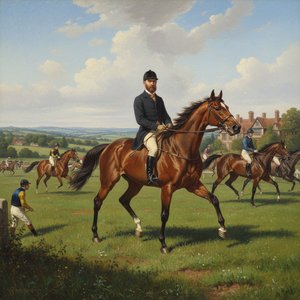
John Frederick Herring Sr.: Equestrian Mastery & the Rise of Sporting Art in Victorian England
Explore the life & work of John Frederick Herring Sr., a leading Victorian equestrian artist. Discover his masterpieces, patronage, techniques & investment potential. Expert insights for collectors.
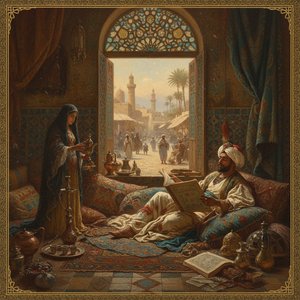
John Frederick Lewis: Orientalism, Detail & Genre Painting in 19th-Century British Art
Explore the captivating Orientalist paintings of John Frederick Lewis! Discover his mastery of detail, genre scenes & influence on 19th-century British art. Learn about his life, techniques & legacy at OriginalUniqueArt.

John Singer Sargent 25 Mesterműve: Elegancia és Portrék a OriginalUniqueArt Galériában
Fedezze fel John Singer Sargent 25 legikonikusabb művészeti alkotását! Portrék, impresszionista stílus és a fény játéka – inspirálódjon Sargent életrajzából és vászonképeiből. Művészeti reprodukciók otthonába a OriginalUniqueArt-on!

John Constable 25 Mesterműve: A Természet Lényege Vászonon – OriginalUniqueArt.com
Fedezze fel John Constable 25 legszebb művészeti alkotását! Ismerje meg a romantika ikonikus tájképeit, Dedham Vale szépségét és a természet lenyűgöző ábrázolásait. Vászonkép reprodukcióinkkal eleganciát csempészhet otthonába – OriginalUniqueArt.com