

 Nyomat vásárlása Kép letöltése
 Megosztás
 Megosztás
 Részletek
 Kedvencekhez ad

 Letöltés
 Hasonló alkotások
 X-ray felvétel
 Diavetítés
A Bedouin


 Tovább olvasom
Kézzel készített olajfestmény reprodukció
Kézzel festett olajvastú vászon, az Ön által választott méretben és keretben, művészeink készítik meglévőre.




P118B $10

P118H $10

P118W $10

P438Z $10

P508JH $12

P508YH $12

P805H $10

P805Z $10

P919BZ $10

P919G $10

P919XJ $10

P959ZH $10

P968JZ $12

W106C $8

W218G $10

W218JH $8

W218Y $10

W307PJ $10

W316G $10

W316PJ $8

W316Y $10

W398PJ $8

W4111J $10

W500HY $15

W500JH $15

W692G $12

W849H $8

W940BG $15

W953PJ $8




Válasszon előre meghatározott méreteink közül, amelyek megfelelnek a műalkotás eredeti arányainak.

Ön megadhat saját méreteket egy adott kerethez vagy térhez igazításhoz. Ha a kiválasztott méret nem egyezik az eredeti kép arányával, akkor a műalkotást levágjuk, vagy további kézzel festett elemekkel meghosszabbítjuk a festményt. A gyártás megkezdése előtt küldünk Önnek egy digitális előnézetet jóváhagyásra.
Kérjük, vegye figyelembe, hogy a képernyőn megjelenő előnézet nem tükrözi a tényleges vágást vagy kiterjesztést. Csak az előnézet fog pontosan mutatni a végső kompozíciót.
Bár egyedi méretek állnak rendelkezésre, javasoljuk, hogy válasszon egy méretet az előre meghatározott listából az eredeti arányok megőrzése érdekében.
A rendelést követően a OriginalUniqueArt.com csapata e-mailt küld az ügyfélnek az instrukciókért, és biztosít egy előnézeti képet (mockup).
Világszerte elérhető szállítás () 3-4 hét alatt a szokásos 5 hét helyett. (22 július). A minőség nem kérdőjelezhető.

Ingyenes globális expressz szállítás

Prémium minőségű len vászon

Teljes szállítási biztosítás

Vámvisszatérítési Garancia

Tökéletes színpontosság garancia

60 napos visszaküldési lehetőség (csak gyártási hibák esetén)

100%-os pénzvisszatérítési garancia

Kedvezmény több termény esetén
 Az üvegkeretes opció csak 110 cm alatti méretben érhető el

A Bedouin
Reprodukciós technika
A reprodukció mérete
-


Összesített ár
-
A műalkotás leírása
A Bedouin - John Frederick Lewis: Capturing Desert Tranquility
John Frederick Lewis’s “A Bedouin” stands as a testament to the Victorian fascination with Orientalism—a genre that sought to depict exotic lands and cultures through idealized representations, often imbued with moral lessons. Painted in 1851 during his second expedition to Egypt, this watercolor captures a serene moment of Bedouin life against the backdrop of Mount Sinai’s rugged landscape. Lewis meticulously observed daily rituals and customs, striving for accuracy while simultaneously elevating them into symbols of noble simplicity and spiritual contemplation.- Subject Matter: The painting portrays a solitary Bedouin man standing upright with his arms crossed, gazing towards the horizon. Beside him are two books—likely representing knowledge and reflection—and a handbag suggesting practicality amidst the desert environment.
- Style & Technique: Lewis employed a masterful watercolor technique characterized by delicate washes of color and subtle tonal variations. His meticulous attention to detail is evident in the rendering of the man’s clothing, the turban adorning his head, and the textured surface of the beige wove paper. The artist skillfully blended realism with idealized beauty, reflecting Victorian sensibilities about portraying distant cultures.
- Historical Context: Lewis's work emerged during a period of intense exploration and scientific inquiry into Egyptology. Artists like Gérôme were attempting to portray Egyptian life in ways that challenged conventional European perceptions. Lewis’s depiction aligns with this broader trend—presenting an image of Bedouin culture as dignified, pious, and harmonious with nature.
- Symbolism: The solitary figure embodies resilience and contemplation amidst the vastness of the desert. The books symbolize intellectual pursuits and moral virtue – values highly esteemed in Victorian society. Furthermore, the positioning of the man suggests a connection to divine presence, mirroring prevalent religious beliefs of the time.
- Emotional Impact: “A Bedouin” evokes feelings of tranquility, introspection, and admiration for the beauty of untouched landscapes. Lewis’s masterful brushwork conveys a sense of stillness and serenity—a deliberate contrast to the turbulent political climate of Victorian Britain. It invites viewers to contemplate themes of spirituality and moral fortitude.
A művész életrajza
John Frederick Lewis: A Life in Orientalist Painting
John Frederick Lewis, a remarkable English painter, emerged onto the art scene in the early 19th century, leaving behind a legacy of exquisitely detailed and evocative paintings depicting the landscapes and cultures of the Middle East and North Africa. Born on July 14, 1804, in London, his artistic journey was deeply intertwined with his family’s background – his father, Frederick Christian Lewis, was an engraver and landscape painter, providing a foundational understanding of visual representation. This familial connection to art undoubtedly shaped young John's early development, nurturing within him a keen eye for observation and composition.
Lewis’s formal training began under the tutelage of Sir Thomas Lawrence, a celebrated portraitist known for his ability to capture both likeness and character. Lawrence instilled in Lewis a solid understanding of classical techniques – perspective, anatomy, and the skillful use of light and shadow – skills that would prove invaluable as he embarked on his own artistic explorations. This early education provided him with a strong technical base, allowing him to later develop his distinctive style.
Early Travels and Spanish/Moroccan Influences (1832-1834)
Lewis’s artistic career truly took flight during a pivotal period of travel between 1832 and 1834. He journeyed to Spain and Morocco, experiences that profoundly impacted his artistic vision and established the foundation for his most celebrated work: his Orientalist paintings. These travels weren't merely sightseeing expeditions; they were immersive encounters with a world vastly different from his native England. He meticulously documented these landscapes, customs, and people through watercolor and later, lithographs. The resulting “Sketches and Drawings of the Alhambra” (1835) and “Lewis’s Sketches of Spain and Spanish Character” (1836) became immensely popular, showcasing his ability to capture not just visual details but also the atmosphere and spirit of these exotic lands.
The stark beauty of the Moorish architecture in Spain and the vibrant culture of Morocco ignited a passion within Lewis. He was particularly fascinated by the intricate patterns, rich colors, and the daily life of the people he encountered. These experiences moved beyond simple documentation; they fueled his desire to portray these cultures with sensitivity and respect, laying the groundwork for his later success in Egypt.
The Egyptian Period (1841-1851): A Masterpiece of Detail
Lewis’s most productive and arguably most influential period occurred during his sojourn in Cairo between 1841 and 1851. This extended stay allowed him to fully immerse himself in the world of Islamic art and culture, transforming his artistic style into a refined and poetic representation of Egyptian life. He established a lavish home as his studio, frequently hosting notable figures like William Makepeace Thackeray, further enriching his understanding of the local society.
During this time, Lewis produced some of his most celebrated works – paintings that showcased both realistic genre scenes depicting everyday life in Cairo and idealized depictions of upper-class Egyptian interiors. His meticulous attention to detail was unparalleled; he captured the textures of fabrics, the gleam of gold, and the intricate patterns of Islamic tiles with astonishing precision. Works like “A Young Turkish Woman” exemplify this mastery, revealing a deep understanding of both artistic technique and cultural nuance.
Notable Works and Artistic Style
Lewis’s oeuvre is characterized by its remarkable detail, vibrant colors, and evocative atmosphere. Some of his most recognized paintings include:
- A Bedouin (Yale Center for British Art, New Haven): A stunning watercolor that exemplifies his ability to capture the rugged beauty of the desert landscape and the dignity of its inhabitants.
- The Ramesseum at Thebes (Yale Center for British Art, New Haven): This painting demonstrates Lewis’s extraordinary skill in rendering architectural detail, transporting the viewer back in time to witness the grandeur of ancient Egypt.
- A Young Turkish Woman (Yale Center for British Art, New Haven): A captivating portrait that reveals Lewis's sensitivity to human expression and his ability to capture the elegance and grace of Egyptian women.
Lewis’s artistic style can be described as a synthesis of observation, technical skill, and cultural understanding. He wasn’t simply copying what he saw; he was interpreting it through the lens of his own experience and artistic sensibility. His paintings are not merely representations of reality but rather carefully constructed narratives that invite viewers to contemplate the beauty, complexity, and mystery of the Middle East.
Legacy and Historical Significance
John Frederick Lewis’s contribution to the art world is significant for several reasons. He played a pivotal role in popularizing Orientalist painting – a genre that depicted scenes from the Near and Distant East – among Western audiences. His meticulous representations of Islamic architecture, furnishings, and costumes set new standards for realism within the genre, moving beyond simplistic stereotypes and offering a more nuanced and sophisticated portrayal of these cultures.
Lewis’s work continues to be studied and admired today for its artistic merit and historical insight into 19th-century perceptions of the Orient. His paintings offer a valuable window into a world that was both exotic and alluring, shaping Western imaginations and influencing generations of artists. He died on August 15, 1876, leaving behind a body of work that remains a testament to his talent, vision, and dedication.

John Frederick Lewis
1804 - 1876 , Egyesült Királyság
Rövid tények
- Artistic Movement Or Style: Orientalista
- Artists Or Movements Influenced By This Artist: ['Orientalizmus']
- Artists Who Influenced This Artist: Thomas Lawrence
- Date Of Birth: 1804. 7. 14.
- Date Of Death: 1876. 8. 15.
- Full Name: John Frederick Lewis
- Nationality: Angol
- Notable Artworks:
- A Bedouin
- Rameszeum
- Török nő
- Place Of Birth: London, Anglia
Kapcsolódó cikkek
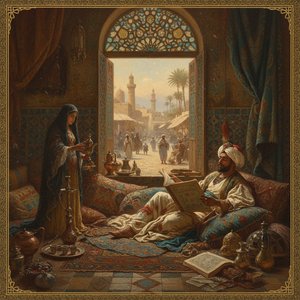
John Frederick Lewis: Orientalism, Detail & Genre Painting in 19th-Century British Art
Explore the captivating Orientalist paintings of John Frederick Lewis! Discover his mastery of detail, genre scenes & influence on 19th-century British art. Learn about his life, techniques & legacy at OriginalUniqueArt.
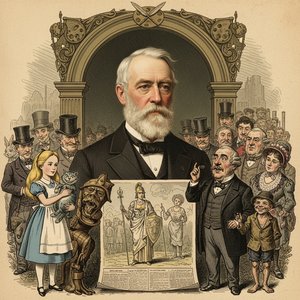
Sir John Tenniel: A Visual Chronicler of Victorian Society – Caricature, Illustration & Cultural Impact
Explore the life & work of Sir John Tenniel, Victorian England's master illustrator & political cartoonist. Discover his iconic 'Alice in Wonderland' art and lasting impact on satire & visual culture.

John Frederick Kensett: Luminosity, Landscape & the American Identity
Explore the luminous landscapes of John Frederick Kensett, a master of Luminism and key figure in the Hudson River School. Discover his serene paintings & enduring legacy with OriginalUniqueArt.

John Augustus Atkinson: Romantic Visions of Rural England & Genre Painting's Evolution
Explore the captivating world of John Augustus Atkinson (1775-1830), a key figure in British Romanticism and genre painting. Discover his stunning Russian history scenes, naval art & delicate watercolors. Learn about his legacy at OriginalUniqueArt.

John Leech: Satirical Visions of Victorian Society – A Comprehensive Examination of His Art & Influence
Explore the satirical world of John Leech, Victorian England's master caricaturist! Discover his iconic work for Punch magazine, illustrations with Dickens, and lasting impact on social commentary & art history. A comprehensive analysis.

