
 Megtekintés
 Küldés
 Megosztás
 Részletek
 Útmutató

 Letöltés
 Hasonló darabok
 X-ray felvétel
 Diavetítés
 Kérdések és válaszok
 Statisztika
Catherine Harrison Murchie


 Összes részlet megjelenítése
Giclée / Műnyomat
Múzeumi minőségű giclée vagy vászonnyomat, gyors gyártással és rugalmas finomítási lehetőségekkel. ( Kézzel festett másolat rendelése Áttérés digitális képre)




P118B Ft10

P118H Ft10

P118W Ft10

P438Z Ft10

P508JH Ft12

P508YH Ft12

P805H Ft10

P805Z Ft10

P919BZ Ft10

P919G Ft10

P919XJ Ft10

P959ZH Ft10

P968JZ Ft12

W106C Ft8

W218G Ft10

W218JH Ft8

W218Y Ft10

W307PJ Ft10

W316G Ft10

W316PJ Ft8

W316Y Ft10

W398PJ Ft8

W4111J Ft10

W500HY Ft15

W500JH Ft15

W692G Ft12

W849H Ft8

W940BG Ft15

W953PJ Ft8




Válasszon előre meghatározott méreteink közül, amelyek megfelelnek a műalkotás eredeti arányainak.

Írja be a keretének vagy a falának megfelelő szélességet és magasságot. A nyomatot csak le lehet vágni, soha nem tehető nagyobbá, mint az eredeti kép, így egy eltérő alakú méretnél a kép egy része elveszik. Mielőtt bármit kinyatintanánk, küldünk egy digitális próbamodellt jóváhagyásra. Az oldalon látható kép nem tartalmazza a valós levágást — ezt csak a próbamodell mutatja meg.
Világszerte történő kiszállítás területére mindössze 2 hét alatt, a szokásos 4-5 hét helyett. (5 november)

Ingyenes globális expressz szállítás

Prémium minőségű len vászon

Teljes körű szállítási biztosítás

Vámvisszatérítési Garancia

Hiteles színarányosság garancia

100 napos visszaküldési lehetőség (csak hibás termékek esetén)

100% pénzvisszatérítési garancia

Több darab vásárlásakor kedvezmény
 Az üvegkeretes opció csak 110 cm alatti méretben érhető el

Catherine Harrison Murchie
Giclée / Műnyomat
Reprodukció mérete
-


Összesített ár
Ft 26301
A Glimpse into Colonial Elegance
In the quiet, dignified strokes of John Durand’s 1782 masterpiece, Catherine Harrison Murchie, we find more than just a portrait; we find a window into the vanished world of the colonial American gentry. This exquisite oil on canvas serves as a poignant testament to an era defined by tradition, status, and the delicate art of lineage. As a companion piece to the portrait of her husband, John Murchie, this work embodies the English tradition of wedding portraits, commissioned not merely for vanity, but to weave a visual tapestry of family connections and social standing within the burgeoning Virginia colony.
The subject herself radiates a serene, almost melancholic grace. Captured from the waist up against a dark, indistinct background, Catherine emerges from the shadows with a luminous presence. Her attire is a marvel of 18th-century craftsmanship, featuring a lush green gown accented by delicate white lace and a soft pink bow at the neckline. The meticulous rendering of her ornate wig, adorned with pearls and tiny blossoms, speaks to the opulence of her station. Every thread and every pearl seems to whisper stories of a life lived amidst the refined customs of the colonial elite.
Symbolism and Artistic Mastery
Beyond the surface beauty, Durand employs a sophisticated language of symbolism that resonates with the romantic sensibilities of the late 18th century. In her hands, Catherine holds a small bouquet, while a basket overflowing with red roses rests nearby. These floral elements are far from mere decoration; they serve as timeless emblems of femininity, beauty, and the fleeting nature of youth. The contrast between the vibrant red of the roses and the deep, somber tones of the background creates a visual tension that draws the eye directly to the subject’s face, highlighting her tranquil yet soulful expression.
Technically, the painting is a triumph of the period's realist style. Durand utilizes a soft, diffused light—reminiscent of natural morning light—to sculpt the contours of Catherine’s features and the heavy textures of her garments. The artist’s ability to layer oil paint creates a rich saturation of color and a tactile quality that makes the lace appear fragile and the silk gown appear weighty. For the discerning collector or interior designer, this piece offers a profound sense of depth and historical weight, making it an ideal centerpiece for spaces that value classical sophistication and narrative richness.
An Enduring Legacy for the Modern Collector
To possess a reproduction of Catherine Harrison Murchie is to invite a piece of American history into one's personal sanctuary. The painting does not merely decorate a wall; it anchors a room with its gravity and elegance. Whether placed in a formal library, a grand dining hall, or a curated gallery space, the artwork provides an atmospheric touch of Old World charm and colonial heritage. It serves as a conversation piece that bridges the gap between the 18th century and the present day, offering an emotional connection to the enduring themes of love, legacy, and the quiet dignity of the human spirit.
Kérdések és válaszok
Milyen módon ötvöződik az érzelmi töltet és az ajándékozás alkalma a(z) „Catherine Harrison Murchie”, John Durand (Painter) alkotása alkotással?
A "Catherine Harrison Murchie" Melancholic érzetet áraszt, ajándékként pedig Anniversary ajánljuk.
Ki készítette a(t) "Catherine Harrison Murchie"-t, és melyik évben?
John Durand (Painter) a "Catherine Harrison Murchie" című művet 1782-ben készítette.
Hogyan írható le „Catherine Harrison Murchie”, John Durand (Painter) alkotása hangulata?
A „Catherine Harrison Murchie”, John Durand (Painter) alkotása hangulata Classic, ami segíthet a mű megfelelő környezetbe illesztésében.
A művész életrajza
life and artistic journey
john durand (active 1765–1782), a colonial american portraitist, remains shrouded in mystery. despite his significant contributions to the art world, details about his origins, training, or upbringing are scarce. this enigmatic figure is known for his work in new york city during the 1760s, alongside fellow artists john mare, abraham delanoy, and lawrence kilburn.artistic travels and notable works
* a 1768 advertisement in the connecticut journal indicates durand's intention to spend several months in the colony, highlighting his itinerant nature. * his trip to bermuda further solidifies his transient artistic career. * by 1770, he was in virginia, working in williamsburg and later in petersburg, leaving behind a trail of portraits, including those of mr. and mrs. gray briggs of dinwiddie county, dated 1775.later life and speculations
* durand's artistic presence wanes after 1775, with the last known reference being a painting from virginia (1781) and an entry in the dinwiddie county tax rolls (1782). * claims of his return to england lack substantial evidence, leaving his final years shrouded in mystery.legacy and accessible art
* despite the scarcity of information on durand's life, his work can be found in various online platforms, such as OriginalUniqueArt, which offers a glimpse into his colonial american portraiture. * explore more about colonial american art and its evolution through the centuries on wahoo art timeline.- discover durand's style, characterized by the use of oil on canvas, a common medium for portraitists of his time.
- learn about other artists from the same period and their contributions to american art history through sylvia plimack mangold's work, showcasing the diversity of american artistic expression.
- visit jerome myers: east 22nd street, new york, a painting that captures the essence of new york city's streets during the early 20th century.

John Durand (Painter)
1765 - 1782 , United States of America
Rövid információk
- Full Name: Giovanni Paolo Panini
- Nationality: Italian
- Date Of Birth: 1765
- Date Of Death: 1782
- Place Of Birth: New York City, United States of America
- Notable Artworks:
- The Lottery Draw
- Views of Rome
- Artistic Movement Or Style: Painter of views
- Artists Who Influenced This Artist: ['Hubert Robert']
- Artists Or Movements Influenced By This Artist: ['Canaletto']
Kapcsolódó cikkek
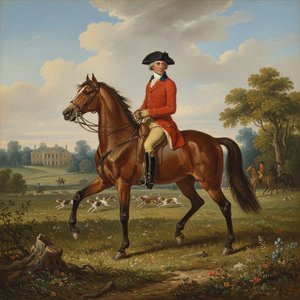
John Nost Sartorius: Equestrian Portraiture & the Shifting Social Landscape of 18th-Century England
Explore the captivating equestrian art of John Nost Sartorius (1759-1828). Discover his detailed paintings of racehorses, hunting scenes & aristocratic life. Learn about collecting Sartorius's work and its lasting value.

John Singer Sargent 25 Mesterműve: Elegancia és Portrék a OriginalUniqueArt Galériában
Fedezze fel John Singer Sargent 25 legikonikusabb művészeti alkotását! Portrék, impresszionista stílus és a fény játéka – inspirálódjon Sargent életrajzából és vászonképeiből. Művészeti reprodukciók otthonába a OriginalUniqueArt-on!

Asher Brown Durand: Luminism, Landscape & the American Ideal – A Comprehensive Exploration
Explore the life & art of Asher Brown Durand, a founding member of the Hudson River School. Discover his masterful landscapes, Luminist techniques, and lasting impact on American painting. Learn about key works like 'Kindred Spirits' & collecting Durand today.

John Constable 25 Mesterműve: A Természet Lényege Vászonon – OriginalUniqueArt.com
Fedezze fel John Constable 25 legszebb művészeti alkotását! Ismerje meg a romantika ikonikus tájképeit, Dedham Vale szépségét és a természet lenyűgöző ábrázolásait. Vászonkép reprodukcióinkkal eleganciát csempészhet otthonába – OriginalUniqueArt.com

A 18. Század Mesterei: 10 Képi Gyöngyem a Történelemből | OriginalUniqueArt
Fedezze fel a 18. század legikonikusabb műalkotásait! Jacques-Louis David, Fragonard és más mesterek remekművei rokokó stílusban, barokk eleganciával. Művészeti reprodukciók prémium minőségben – inspirálja otthonát a OriginalUniqueArt.com kínálatával! Explore the full collection online.