

 Előnézet
 Megosztás
 Megosztás
 Részletek
 Útmutató

 Letöltés
 Hasonló darabok
 X-ray felvétel
 Diavetítés
 Statisztika
maria bicknell (mrs. john constable) -


 Tovább olvasom
Vásároljon nagy felbontású, javított digitális képet, amely minőségében messze felülmúlja az online előnézetet.
Minden fájlt szakembereink a legmodernebb eszközök és precíz, kézi retusálás segítségével készítenek el aprólékosan. Gondoskodunk arról, hogy minden kép kivételes tisztasággal, pontos színhelyességgel és részletgazdag finomsággal rendelkezzen.
A végleges fájl 72 órán belül e-mailben megérkezik, professzionális, szerkesztői és nyomtatási környezetbe optimalizálva az azonnali használathoz. Ez ugyanaz a minőség, amelyben a legmeghatározóbb tervezőstúdiók, kiadók és galériák is megbízhatnak.
Digitális kép
Töltsön le nagy felbontású fájlt személyes kiállításokhoz, nyomtatáshoz és kreatív projektekhez. ( Váltás nyomtatványra Kézzel festett másolat vásárlása)
Minden digitális kép rendeléséhez tartozó extrák
Szakértői digitális kézbesítés, garantáltan
Amikor a OriginalUniqueArt.com szolgáltatást választja, nem csupán egy képet kap – professzionálisan felmagasított digitális műalkotást kap, amely precizitással készült, és amelyet megelégsedési gwarancia tesz biztoslássá. Az alábbiakban automatikusan minden benne 】

Gyors e-mail teslimítés
A nagy felbontású digitális képmásolatát a megrendelést követő 72 órán belül e-mailben elküldjük Önnek – azonnal használható formátumban.

MI-alapú digitális képjavítás
Műve professzionális módon kerül optimalizálásra fejlett mesterséges intelligencia eszközök és manuális szerkesztés segítségével, biztosítva a maximális részletességet, tisztaságot és színpontosságot.

Örök életű ingyenes újradatás
Véletlenül törölted vagy elvesztetted a fájlodat? Ne aggódj – bármikor ingyen újra megküldjük neked.

Nincs importköltség – soha
Élvezze műalkotásait azonnal, vám, illeték vagy szállítási költség nélkül – a digitális letöltések mindig adamentesek.

Színpontosság garantálása
Professzionális eszközök és színkezelés segítségével garantáljuk, hogy digitális képe a lehető legpontosabban tükrözze az eredeti színeket.

100 napos elégedettségi garancia
Ha nemມີ elégedett a digitális képével, 100 napon belül felülvizsgáljuk vagy 100% visszatérítjük az amountot – kérdés बिना.

100% Pénzvisszatérítési garancia
Nem tetszett a vásárlás? 100 napon belül teljes visszatérítést garantálunk a digitális fájl megvételétől számítva – kérdés nélkül.

Tömegrendelési kedvezmények
Vásároljon 3 képet, spóroljon 10%-et - Vásároljon 5-öt, spóroljon 15%-et - Vásároljon 10+ képet, spóroljon 20%-at. Kiváló kreatív projektekhez, galériákhoz és ügynökségekhez.
Maria Bicknell (Mrs. John Constable) – A Portrait of Romantic Devotion
John Constable’s Maria Bicknell (Mrs. John Constable) stands as a poignant emblem of the Romantic era’s preoccupation with emotion and personal experience—a stark contrast to the grand narratives favored by earlier artistic movements.
Painted in 1816 during a period marked by societal disapproval surrounding Constable’s relationship with Maria Bicknell, this portrait transcends mere likeness; it embodies the profound affection that bound him to his beloved. Their union defied convention, fueled by an unwavering commitment despite familial objections and social pressures—a narrative woven into the very fabric of the artwork.
Artistic Elements: Soft Light and Delicate Detail
Constable’s masterful technique employs oil paint on canvas, prioritizing subtle tonal gradations to evoke a sense of serenity. The muted palette—dominated by earthy browns and creams—creates an atmosphere of intimacy and introspection. Maria Bicknell is depicted in repose, her gaze directed slightly to the left, conveying thoughtfulness and vulnerability. Her long brown hair cascades gracefully around her shoulders, framing her face with elegance, while her white dress subtly ornamented with a delicate necklace underscores her refinement.
Constable’s meticulous attention to detail captures the nuances of human expression—the subtle curve of her lips, the gentle tilt of her head. These elements contribute to the painting's emotional resonance, inviting viewers to contemplate the complexities of love and devotion amidst societal constraints.
Historical Context: Romantic Sentimentality
The portrait emerged during a time when Romanticism championed subjective experience and idealized beauty—a reaction against Enlightenment rationalism’s emphasis on reason. Constable’s depiction aligns perfectly with this aesthetic sensibility, prioritizing emotional truth over formal conventions. The inclusion of supporting figures—presumably Maria Bicknell's family—adds layers to the narrative, hinting at the societal disapproval faced by the couple.
Furthermore, the clock in the background serves as a visual reminder of time’s passage and the inevitability of change—a motif prevalent throughout Romantic art. It underscores the fragility of human relationships and the bittersweet beauty of fleeting moments.
Legacy: Beyond Portraiture – A Window into Constable's Soul
While Maria Bicknell (Mrs. John Constable) is undeniably a portrait in the traditional sense—a celebration of beauty and grace—it represents something far deeper: Constable’s unwavering devotion to Maria Bicknell and his profound connection with nature.
Like Constable's celebrated landscapes, such as The Hay Wain, this painting speaks to universal themes of love, longing, and the human condition—solidifying Constable’s place as one of the foremost artists of his era.
For those seeking inspiration or contemplating acquiring a stunning reproduction, John Constable: Portrait of Maria Bicknell offers an unparalleled glimpse into the artist’s artistic vision and emotional depth.
Gyakran Ismételt Kérdések
Milyen hangulatot hozna létre a "maria bicknell (mrs. john constable) -" egy térben?
A „maria bicknell (mrs. john constable) -”, John Constable alkotása Romantikus hangulatot áraszt, és egy Nappali helyiségbe ajánlott. A hangulat az az érzés, amelyet a mű közvetít a környezetében lévő tér felé.
Hol függene jól a „maria bicknell (mrs. john constable) -”, John Constable alkotása reprodukciója?
A Portrait formájú, a „maria bicknell (mrs. john constable) -” című alkotás reprodukcióját egy Nappali számára javasoljuk.
Melyik évben készült a „maria bicknell (mrs. john constable) -”, John Constable alkotása?
A "maria bicknell (mrs. john constable) -" művészeti alkotás 1816-ból származik. A dátum John Constable pályájának és az adott korszaknak is meghatározó pontjaként szolgál.
Művész életrajza
A Life Rooted in the English Landscape
John Constable (East Bergholt, Suffolk, 1776. június 11. – London, 1837. április 1.) angol tájképfestő. Jelentős szerepe volt az angol romantikus tájképfestészet történetében és alkotói stílusa meghatározó befolyást gyakorolt a francia romantikus festőkre, a barbizoni iskolára és az impresszionistákra. A Királyi Művészeti Akadémia (Royal Academy of Arts, London) tagja volt.Élete és munkássága
Suffolkban született, édesapja molnár volt. Vidéki környezetben nőtt fel, akárcsak Rembrandt. Korán elkezdett rajzolni, 21 éves korától azonban atyja munkáját kellett segítenie, majd csak 1800-ban ment el Londonba tanulni. Romantikus házasságot kötött, azaz szerelmi házasságot. A fiatal leány Maria Bicknell – evangélikus lelkész nagyapja ellenkezésére nem hallgatva – feleségül ment a festőhöz. Házasságukból született néhány gyermek, de 1828-ban a feleség tüdőbajban meghalt. Constable kiváló arcképfestő is lehetett volna, erről tanúskodik felesége képe 1816-ből. Constable sokkal fontosabbnak tartotta a tájképfestést, mint a portréfestést. Művészeti hitvallása szerint a természet közvetlen és beható tanulmányozása a legfontosabb. Próbálkozott történelmi és vallási témák feldolgozásával is pályája kezdetén, de mindig visszatért a tájképfestéshez. Pályájának kezdetén több 17. századi holland festő (Ruisdael, Koninck, Claude Lorrain (1600–1682), Rubens) és egy 18. század]i angol tájképfestő (Thomas Girtin (1775–1802) volt rá hatással. Azonban e hatások nem voltak tartósak, Constable saját megérzései és meglátásai alapján festett. Constable két jeles kortárs tájképfestővel Turnerrel és Boningtonnal indította el a 19. századi modern tájképfestészetet.Breaking with Convention: A New Vision of Nature
Constable’s artistic development was marked by a deliberate rejection of prevailing academic conventions. Dissatisfied with the idealized and often theatrical landscapes favored by the Royal Academy, he sought instead a truthful representation of nature, imbued with personal feeling. He wasn't interested in grand historical narratives or mythological scenes; his focus remained steadfastly on the familiar countryside surrounding him. This commitment to depicting ordinary subjects – hay wains, farm buildings, village life – was initially met with resistance from critics who deemed his work too commonplace and lacking in ambition. However, Constable persevered, driven by a conviction that beauty resided in the everyday. He pioneered a technique of *plein air* painting, venturing outdoors to directly observe and capture the fleeting effects of light and weather. This direct engagement with nature allowed him to infuse his canvases with an immediacy and vitality previously unseen in British landscape art. His brushwork became increasingly loose and expressive, employing impasto – thick layers of paint – to create texture and convey a sense of movement and atmosphere. He wasn’t simply recording what he saw; he was translating his emotional response to the land into visual form.Iconic Works and Lasting Influence
Constable's most celebrated works stand as testaments to his unique vision. The Hay Wain (1821), perhaps his most recognizable painting, depicts a quintessential rural scene on the River Stour, capturing the tranquility and harmony of agricultural life. Hadleigh Castle (1829) showcases his dramatic use of light and atmospheric effects, transforming a crumbling ruin into a powerful symbol of time’s passage. The series of paintings depicting Salisbury Cathedral from the Meadows (1831) demonstrates his ability to evoke different moods and times of day, revealing the cathedral as an integral part of the natural landscape. Netley Abbey (1824), with its evocative depiction of architectural grandeur amidst encroaching nature, exemplifies his skill in blending human creation with the wild beauty of the countryside. Despite facing initial struggles for recognition in England, Constable achieved considerable acclaim in France, where his innovative techniques and emotional depth resonated deeply with artists seeking a more naturalistic approach to landscape painting. He profoundly influenced the Barbizon School, a group of French painters who shared his commitment to *plein air* painting and direct observation of nature.Personal Life & Final Years
Constable’s personal life was marked by both joy and sorrow. He married Maria Bicknell in 1816, and they had seven children, though sadly several did not survive infancy. His marriage provided him with emotional support but also financial strain. Elected a Royal Academician in 1829, he continued to face criticism from some quarters, particularly regarding his unconventional techniques. His later years were shadowed by Maria’s declining health and eventual death in 1828, an event that deeply affected him. Despite these hardships, Constable remained dedicated to his art, continuing to paint until his own passing on March 31, 1837. He left behind a rich artistic legacy—a testament to his unwavering commitment to capturing the beauty and emotional resonance of the English countryside. His paintings remain powerful evocations of a bygone era, inviting viewers to experience the landscape through his uniquely sensitive eyes.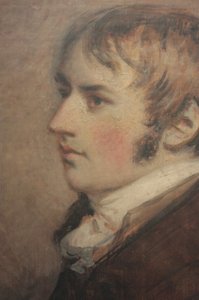
John Constable
1776 - 1837 , Egyesült Királyföld
Rövid tények
- Artistic Movement Or Style: Romantika
- Artists Or Movements Influenced By This Artist: ['Barbizon Schule']
- Artists Who Influenced This Artist:
- Claude Lorrain
- Ruisdael
- Date Of Birth: 1776. június 11.
- Date Of Death: 1837. április 31.
- Full Name: John Constable
- Nationality: Angol
- Notable Artworks:
- A fehér ló
- Dedham Vale
- Salisbury katedrális
- Place Of Birth: East Bergholt, Anglia