
 Megtekintés
 Küldés
 Megosztás
 Részletek
 Útmutató

 Letöltés
 Hasonló darabok
 X-ray felvétel
 Diavetítés
 Kérdések és válaszok
 Statisztika
A Boat at the Sluice (sketch)

- 104.0 x 130.0 cm


 Összes részlet megjelenítése
Szerezzen be nyomtatásra kész fájlt, amely messze túlmutat a webes előnézeten. Minden általunk értékesített digitális kép az adatbázisunkban található nagy felbontású mesterfájlból származik – általában 5 000 és 15 000 pixel szélességű –, így magabiztosan nyomtathat nagy méretben, sokat vághat a képen, vagy reprodukálhatja a legfinomabb részleteket is.
Stúdiómból egyetlen fájl sem távozik feltartózkodás nélkül. Egy digitális szakértő az eredeti festménnyel összehasonlítja a színeket, és szükség esetén korrigálja azokat, majd professzionális retusználó eszközökkel javítja a tisztaságot és a részletgazdagságot — miközben mindig hű marad a művész vonalvezetéséhez és stílusához. Az eredmény egy olyan kép, amely úgy néz ki, mint egy festmény, és nem úgy, mint egy szűrőzött szkenn.
A végső munka befejezése előtt jóvá kell hagynia a képet: szakértőnk 72 órán belül elküldi azt e-mailben ellenőrzésre. Nem tetszett? Kérhet javításokat vagy korrekciókat, illetve visszatérítést kérhet, amennyiben a minőség nem felel meg az elvárásoknak.
Ez az a minőség, amelyre a kiadók, a design stúdiók, a galériák és a nyomdaték megbízhatnak.
Digitális kép
Töltsön le nagy felbontású fájlt személyes kiállításokhoz, nyomtatáshoz és kreatív projektekhez. ( Váltás nyomtatványra Kézzel festett másolat rendelése)
Minden digitális kép rendeléséhez tartozó extrák
Szakértői digitális kézbesítés, garantáltan
Amikor a OriginalUniqueArt.com szolgáltatást választja, nem csupán egy képet kap – professzionálisan felmagasított digitális műalkotást kap, amely precizitással készült, és amelyet megelégsedési gwarancia tesz biztoslássá. Az alábbiakban automatikusan minden benne 】

Gyors e-mail teslimítés
A nagy felbontású digitális képmásolatát a megrendelést követő 72 órán belül e-mailben elküldjük Önnek – azonnal használható formátumban.

MI-alapú digitális fájljavítás
Műve professzionális módon kerül optimalizálásra fejlett mesterséges intelligencia eszközök és manuális szerkesztés segítségével, biztosítva a maximális részletességet, tisztaságot és színpontosságot.

Örök életű ingyenes újradelivery
Véletlenül törölted vagy elvesztetted a fájlodat? Ne aggódj – bármikor ingyen újra megküldjük neked.

Nincs importköltség – soha
Élvezze műalkotásait azonnal, vám, illeték vagy szállítási költség nélkül – a digitális letöltések mindig adamentesek.

Színpontosság garantálása
Professzionális eszközök és színkezelés segítségével garantáljuk, hogy digitális képe a lehető legpontosabban tükrözze az eredeti színeket.

100 napos elégedettségi garancia
Ha nemມີ elégedett a digitális képével, 100 napon belül felülvizsgáljuk vagy 100% visszatérítjük az amountot – kérdés बिना.

100% Pénzvisszatérítési garancia
Nem tetszett a vásárlás? 100 napon belül teljes visszatérítést garantálunk a digitális fájl megvételétől számítva – kérdés nélkül.

Tömegrendelési kedvezmények
Vásároljon 3 képet, spóroljon 10%-et - Vásároljon 5-öt, spóroljon 15%-et - Vásároljon 10+ képet, spóroljon 20%-at. Kiváló kreatív projektekhez, galériákhoz és ügynökségekhez.
A Moment of Rural Reverie: Unpacking Constable’s “A Boat at the Sluice”
John Constable's "A Boat at the Sluice" isn’t merely a depiction of a riverside scene; it’s a carefully constructed meditation on light, atmosphere, and the quiet drama of the English countryside. Completed around 1821-1824, this sketch offers a glimpse into Constable’s evolving artistic philosophy – a profound engagement with nature that moved beyond simple representation to capture the very essence of a place and time. The painting immediately draws the eye with its dramatic sky, swirling clouds hinting at an impending storm or the recent release of rain, a motif frequently found in Constable's work reflecting his deep connection to the weather patterns of Suffolk.
The composition is deceptively simple yet remarkably effective. A solitary figure, rendered almost as a silhouette against the vast landscape, stands near a sluice gate – a crucial element of rural drainage and a subtle symbol of humanity’s interaction with the natural world. Constable masterfully employs receding planes to create a sense of depth, guiding the viewer's eye towards the distant horizon where the sky merges seamlessly with the land. This isn’t a static landscape; it breathes with movement, suggested by the loose, gestural brushstrokes that define the clouds and foliage – a hallmark of Constable’s Romantic style.
The Language of Light and Color: Technique and Atmosphere
Constable's palette is dominated by muted earth tones—grays, browns, and greens—reflecting the overcast conditions. However, he skillfully introduces subtle highlights in the clouds and on the water’s surface, creating a dynamic interplay of light and shadow that imbues the scene with a palpable sense of atmosphere. The artist’s technique is characterized by visible brushstrokes, a deliberate choice that adds texture and immediacy to the work. These aren't smooth, polished surfaces; instead, we see the evidence of his hand – a testament to his commitment to capturing the fleeting qualities of light and weather.
The rendering of the sluice gate is particularly noteworthy. While the surrounding landscape dissolves into atmospheric haze, Constable meticulously defines its structure with more precise lines, providing a grounding element within the otherwise fluid composition. This contrast between defined form and diffused atmosphere highlights his ability to balance observation with artistic interpretation.
Symbolism and Emotional Resonance: A Portrait of Contemplation
“A Boat at the Sluice” transcends a simple landscape depiction, resonating with deeper symbolic meanings. The solitary figure evokes feelings of introspection and perhaps even melancholy – a sense of being alone in the face of nature’s power. The sluice gate itself can be interpreted as a metaphor for human intervention within the natural order, a subtle reminder of our relationship to the environment. Constable's work frequently explores themes of solitude, observation, and the sublime—the awe-inspiring beauty and power of the natural world.
The painting’s somber mood is further amplified by the stormy sky, which suggests both vulnerability and resilience. It speaks to a deeper connection between humanity and the elements – a recognition that we are part of something larger than ourselves. It's a scene ripe with quiet contemplation, inviting the viewer to pause and reflect on their own place within the vastness of nature.
Bringing Constable’s Vision Home: A High-Quality Reproduction
OriginalUniqueArt offers meticulously crafted hand-painted reproductions of “A Boat at the Sluice,” allowing you to experience the beauty and emotional depth of this iconic work in your own space. Each reproduction is created using traditional oil painting techniques, faithfully capturing Constable’s nuanced color palette, atmospheric effects, and distinctive brushwork. Whether for a study, a gallery wall, or simply as a source of inspiration, a OriginalUniqueArt reproduction provides an authentic connection to one of the most beloved landscapes in British art history.
Kérdések és válaszok
Hogyan írható le „A Boat at the Sluice (sketch)”, John Constable alkotása hangulata?
A "A Boat at the Sluice (sketch)" Romantic hangulatú.
„A Boat at the Sluice (sketch)”, John Constable alkotása egy világos vagy egy sötét tónusú alkotás?
Összességében a "A Boat at the Sluice (sketch)" alkotás deep_shadow fényerőséget mutat. A tapasztalt fényerő azt írja le, hogy a mű mennyire tűnik világosnak vagy sötétnek.
Mely korszakban készült a „A Boat at the Sluice (sketch)”, John Constable alkotása?
A „A Boat at the Sluice (sketch)”, John Constable alkotása a Modern korszakból származik. Ez az időszak adja meg a mű történelmi kontextusát.
Művész életrajza
A Life Rooted in the English Landscape
John Constable (East Bergholt, Suffolk, 1776. június 11. – London, 1837. április 1.) angol tájképfestő. Jelentős szerepe volt az angol romantikus tájképfestészet történetében és alkotói stílusa meghatározó befolyást gyakorolt a francia romantikus festőkre, a barbizoni iskolára és az impresszionistákra. A Királyi Művészeti Akadémia (Royal Academy of Arts, London) tagja volt.Élete és munkássága
Suffolkban született, édesapja molnár volt. Vidéki környezetben nőtt fel, akárcsak Rembrandt. Korán elkezdett rajzolni, 21 éves korától azonban atyja munkáját kellett segítenie, majd csak 1800-ban ment el Londonba tanulni. Romantikus házasságot kötött, azaz szerelmi házasságot. A fiatal leány Maria Bicknell – evangélikus lelkész nagyapja ellenkezésére nem hallgatva – feleségül ment a festőhöz. Házasságukból született néhány gyermek, de 1828-ban a feleség tüdőbajban meghalt. Constable kiváló arcképfestő is lehetett volna, erről tanúskodik felesége képe 1816-ből. Constable sokkal fontosabbnak tartotta a tájképfestést, mint a portréfestést. Művészeti hitvallása szerint a természet közvetlen és beható tanulmányozása a legfontosabb. Próbálkozott történelmi és vallási témák feldolgozásával is pályája kezdetén, de mindig visszatért a tájképfestéshez. Pályájának kezdetén több 17. századi holland festő (Ruisdael, Koninck, Claude Lorrain (1600–1682), Rubens) és egy 18. század]i angol tájképfestő (Thomas Girtin (1775–1802) volt rá hatással. Azonban e hatások nem voltak tartósak, Constable saját megérzései és meglátásai alapján festett. Constable két jeles kortárs tájképfestővel Turnerrel és Boningtonnal indította el a 19. századi modern tájképfestészetet.Breaking with Convention: A New Vision of Nature
Constable’s artistic development was marked by a deliberate rejection of prevailing academic conventions. Dissatisfied with the idealized and often theatrical landscapes favored by the Royal Academy, he sought instead a truthful representation of nature, imbued with personal feeling. He wasn't interested in grand historical narratives or mythological scenes; his focus remained steadfastly on the familiar countryside surrounding him. This commitment to depicting ordinary subjects – hay wains, farm buildings, village life – was initially met with resistance from critics who deemed his work too commonplace and lacking in ambition. However, Constable persevered, driven by a conviction that beauty resided in the everyday. He pioneered a technique of *plein air* painting, venturing outdoors to directly observe and capture the fleeting effects of light and weather. This direct engagement with nature allowed him to infuse his canvases with an immediacy and vitality previously unseen in British landscape art. His brushwork became increasingly loose and expressive, employing impasto – thick layers of paint – to create texture and convey a sense of movement and atmosphere. He wasn’t simply recording what he saw; he was translating his emotional response to the land into visual form.Iconic Works and Lasting Influence
Constable's most celebrated works stand as testaments to his unique vision. The Hay Wain (1821), perhaps his most recognizable painting, depicts a quintessential rural scene on the River Stour, capturing the tranquility and harmony of agricultural life. Hadleigh Castle (1829) showcases his dramatic use of light and atmospheric effects, transforming a crumbling ruin into a powerful symbol of time’s passage. The series of paintings depicting Salisbury Cathedral from the Meadows (1831) demonstrates his ability to evoke different moods and times of day, revealing the cathedral as an integral part of the natural landscape. Netley Abbey (1824), with its evocative depiction of architectural grandeur amidst encroaching nature, exemplifies his skill in blending human creation with the wild beauty of the countryside. Despite facing initial struggles for recognition in England, Constable achieved considerable acclaim in France, where his innovative techniques and emotional depth resonated deeply with artists seeking a more naturalistic approach to landscape painting. He profoundly influenced the Barbizon School, a group of French painters who shared his commitment to *plein air* painting and direct observation of nature.Personal Life & Final Years
Constable’s personal life was marked by both joy and sorrow. He married Maria Bicknell in 1816, and they had seven children, though sadly several did not survive infancy. His marriage provided him with emotional support but also financial strain. Elected a Royal Academician in 1829, he continued to face criticism from some quarters, particularly regarding his unconventional techniques. His later years were shadowed by Maria’s declining health and eventual death in 1828, an event that deeply affected him. Despite these hardships, Constable remained dedicated to his art, continuing to paint until his own passing on March 31, 1837. He left behind a rich artistic legacy—a testament to his unwavering commitment to capturing the beauty and emotional resonance of the English countryside. His paintings remain powerful evocations of a bygone era, inviting viewers to experience the landscape through his uniquely sensitive eyes.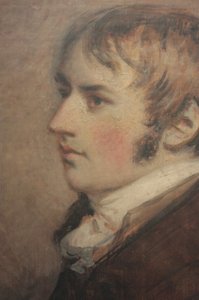
John Constable
1776 - 1837 , Egyesült Királyföld
Érmeradatok
- Artistic Movement Or Style: Romantika
- Artists Or Movements Influenced By This Artist: ['Barbizon Schule']
- Artists Who Influenced This Artist:
- Claude Lorrain
- Ruisdael
- Date Of Birth: 1776. június 11.
- Date Of Death: 1837. április 31.
- Full Name: John Constable
- Nationality: Angol
- Notable Artworks:
- A fehér ló
- Dedham Vale
- Salisbury katedrális
- Place Of Birth: East Bergholt, Anglia