
 Előnézet
 Megosztás
 Megosztás
 Részletek
 Útmutató

 Letöltés
 Hasonló darabok
 X-ray felvétel
 Diavetítés
 Statisztika
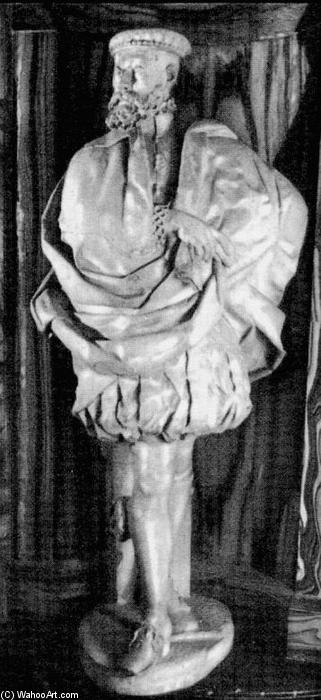
Sir Thomas Gresham


 Tovább olvasom
Kézzel készített olajfestmény reprodukció
Kézzel festett olajvastú vászon, az Ön által választott méretben és keretben, művészeink készítik meglévőre. ( Váltás nyomtatványra Áttérés digitális képre)




































Válasszon előre meghatározott méreteink közül, amelyek megfelelnek a műalkotás eredeti arányainak.

Ön megadhat saját méreteket egy adott kerethez vagy térhez igazításhoz. Ha a kiválasztott méret nem egyezik az eredeti kép arányával, akkor a műalkotást levágjuk, vagy további kézzel festett elemekkel meghosszabbítjuk a festményt. A gyártás megkezdése előtt küldünk Önnek egy digitális előnézetet jóváhagyásra.
Kérjük, vegye figyelembe, hogy a képernyőn megjelenő előnézet nem tükrözi a tényleges vágást vagy kiterjesztést. Csak az előnézet fog pontosan mutatni a végső kompozíciót.
Bár egyedi méretek állnak rendelkezésre, javasoljuk, hogy válasszon egy méretet az előre meghatározott listából az eredeti arányok megőrzése érdekében.
A rendelést követően a OriginalUniqueArt.com csapata e-mailt küld az ügyfélnek az instrukciókért, és biztosít egy előnézeti képet (mockup).
Világszerte elérhető szállítás () 3-4 hét alatt a szokásos 5 hét helyett. (27 szeptember). A minőség nem kérdőjelezhető.

Ingyenes globális expressz szállítás

Prémium minőségű len vászon

Teljes körű szállítási biztosítás

Vámvisszatérítési Garancia

Tökéletes színarányosság garancia

100 napos visszaküldési garancia (csak gyártási hibás termékek esetén)

100% pénzvisszatérítési garancia

Több darab vásárlásakor kedvezmény
 Az üvegkeretes opció csak 110 cm alatti méretben érhető el

Sir Thomas Gresham
Reprodukciós technika
Reprodukció méretei
-


Összesített ár
$ 300
A művész életrajza
The Eccentric Visionary: The Life and Legacy of John Bushnell
In the annals of British art history, few figures possess a narrative as captivatingly turbulent as John Bushnell (1636–1701). A sculptor whose hands shaped the very stone of London’s most sacred spaces, his life was a dramatic tapestry woven with prodigious talent, international wanderlust, and an increasingly erratic temperament. Born in Holborn, London, to a humble plumber, Bushnell’s early years were defined by the sudden loss of his father, a hardship that thrust him into the rigorous world of craftsmanship at a young age. Around 1650, he entered an apprenticeship under the stonemason Thomas Burman, where he began to master the foundational language of marble and monument. Yet, this formative period was also marked by scandal; falsely accused of impropriety involving his master's maidservant, Bushnell fled England, taking a portion of his master's funds with him—a flight that would begin a twenty-two-year odyssey across the European continent.
This period of self-enforced exile proved to be the crucible of his artistic development. Traveling through France and eventually settling in the vibrant cultural hubs of Italy, Bushnell immersed himself in the grandeur of the Baroque and the burgeoning classical ideals of the era. In Rome and Venice, he breathed the same air as the legacies of Bernini and Caravaggio, absorbing a sophisticated understanding of movement, light, and drama. His time in Venice was particularly transformative; it was here that he executed monumental works, such as a striking depiction of the Siege of Candia, which showcased his ability to translate complex naval battles and historical triumphs into static, yet breathing, stone. These international experiences imbued his later English commissions with a continental elegance and a technical mastery that set him apart from his domestic contemporaries.
Mastery in Stone and the Shadows of Eccentricity
Returning to England around 1670, Bushnell emerged not merely as a craftsman, but as a sculptor of significant renown, tasked with decorating the most prestigious civic and religious landmarks. His work for the Royal Exchange—including statues of Charles I, Charles II, and Sir Thomas Gresham—demonstrated a profound command over the portraiture of power and prestige. He became a master of the funeral monument, creating lasting tributes within the hallowed halls of Westminster Abbey and various English churches. His ability to blend the solemnity of death with the intricate beauty of classical ornamentation allowed him to capture the very essence of Restoration England’s social hierarchy.
However, as his technical skill reached its zenith, so too did his personal instability. The man who could command marble with such precision struggled to command his own mind. Historical accounts from contemporaries like George Vertue paint a portrait of an artist increasingly defined by haughtiness and eccentricity. One of the most enduring legends of his life involves a grand, failed ambition: the construction of a massive timber Trojan Horse, intended to prove the practical possibility of the ancient myth. The project, which cost him a staggering £500, ended in disaster when a storm wrecked the structure, leaving Bushnell disillusioned and further fracturing his reputation. This descent into obsession and erratic behavior cast a long shadow over his later years, turning a celebrated sculptor into a figure of both awe and pity.
The tragedy of Bushnell’s legacy is perhaps most poignantly felt in the fate of his unfinished works. Following his death in 1701, much of what remained of his private collection and ongoing projects fell into neglect. His widow and sons, living in a half-finished house near Hyde Park, were forced to guard against curious strangers who sought to glimpse his remaining sculptures—works that were, over time, gradually destroyed or lost to history. Despite this, the monuments that remain stand as silent, powerful witnesses to a man who, for a brief and brilliant moment, bridged the gap between the rugged grit of London craftsmanship and the sublime elegance of the European Baroque.

john bushnell
1701
Gyors információk
- Artistic Movement Or Style: Neoclassical Sculpture
- Artists Or Movements Influenced By This Artist:
- George Vertue
- Palladianism
- Artists Who Influenced This Artist:
- Thomas Burman
- Gian Lorenzo Bernini
- Date Of Death: 1701
- Full Name: John Bushnell
- Nationality: English
- Notable Artworks:
- Monument of Alvise Mocenigo
- Charles II and Catherine of Braganza
- Funeral effigy for the Duke of Albemarle's funeral
- Charles I, Charles II, and Sir Thomas Gresham
- Monument to Henry Stanley
- Monument of Lord Mordaunt
- Monument to Elizabeth, Lady Myddleton
- Monument to Sir Palmes Fairborne
- Monument to Abraham Cowley
- Monument to William Ashburnham
- Monument to Lady Henrietta Wentworth
- Monument to the Earl of Thomund
- Place Of Birth: Holborn, London