
 Megtekintés
 Küldés
 Megosztás
 Részletek
 Útmutató

 Letöltés
 Hasonló darabok
 X-ray felvétel
 Diavetítés
 Q&A
Q&A Statisztika
Self Portrait

- 33.0 x 31.0 cm


 Összes részlet megjelenítése
Giclée / Műnyomat
Múzeumi minőségű giclée vagy vászonnyomat, gyors gyártással és rugalmas finomítási lehetőségekkel. ( Kézzel festett másolat rendelése Áttérés digitális képre)




P118B Ft10

P118H Ft10

P118W Ft10

P438Z Ft10

P508JH Ft12

P508YH Ft12

P805H Ft10

P805Z Ft10

P919BZ Ft10

P919G Ft10

P919XJ Ft10

P959ZH Ft10

P968JZ Ft12

W106C Ft8

W218G Ft10

W218JH Ft8

W218Y Ft10

W307PJ Ft10

W316G Ft10

W316PJ Ft8

W316Y Ft10

W398PJ Ft8

W4111J Ft10

W500HY Ft15

W500JH Ft15

W692G Ft12

W849H Ft8

W940BG Ft15

W953PJ Ft8




Válasszon előre meghatározott méreteink közül, amelyek megfelelnek a műalkotás eredeti arányainak.

Írja be a keretének vagy a falának megfelelő szélességet és magasságot. A nyomatot csak le lehet vágni, soha nem tehető nagyobbá, mint az eredeti kép, így egy eltérő alakú méretnél a kép egy része elveszik. Mielőtt bármit kinyatintanánk, küldünk egy digitális próbamodellt jóváhagyásra. Az oldalon látható kép nem tartalmazza a valós levágást — ezt csak a próbamodell mutatja meg.
Világszerte történő kiszállítás területére mindössze 2 hét alatt, a szokásos 4-5 hét helyett. (2 november)

Ingyenes globális expressz szállítás

Prémium minőségű len vászon

Teljes körű szállítási biztosítás

Vámvisszatérítési Garancia

Hiteles színarányosság garancia

100 napos visszaküldési lehetőség (csak hibás termékek esetén)

100% pénzvisszatérítési garancia

Több darab vásárlásakor kedvezmény
 Az üvegkeretes opció csak 110 cm alatti méretben érhető el

Self Portrait
Giclée / Műnyomat
Reprodukció mérete
-


Összesített ár
Ft 26198
A Window into the Soul: Johann Zoffany’s “Self Portrait as David with the Head of Goliath”
Johann Zoffany's "Self Portrait as David with the Head of Goliath," painted in 1805, is far more than a simple depiction of an artist contemplating his own likeness. It’s a meticulously constructed tableau vivant—a staged scene brimming with classical allusion, theatricality, and a subtle, almost unsettling, exploration of identity and artistic ambition. This remarkable work, housed within the Google Art Project, offers a captivating glimpse into the mind of a master portraitist navigating the complex social landscape of 18th-century England.
Zoffany’s genius lay in his ability to seamlessly blend historical references with contemporary life. The painting immediately draws the eye to the central figure, a man strikingly resembling Zoffany himself, posed dramatically as David, victorious over Goliath. However, this isn't a straightforward homage to Michelangelo’s iconic sculpture; rather, it’s a carefully orchestrated layering of symbolism. The head of Goliath, prominently displayed on a table beside him, is not merely a prop but a deliberate reference to the biblical narrative—a potent emblem of triumph and artistic skill. The inclusion of this severed head speaks volumes about Zoffany's own aspirations: he sought recognition as a master craftsman, capable of capturing both the physical likeness and the spirit of his subjects.
The Stage is Set: Context and Composition
Beyond the central figure, the composition unfolds like a miniature theatrical scene. Two statues—one depicting Venus and the other Diana—stand sentinel on either side, adding an element of classical grace and subtly elevating the entire arrangement. These figures, reminiscent of Roman sculptures, serve as silent witnesses to Zoffany’s self-portrait, grounding the scene in antiquity while simultaneously suggesting a dialogue between past and present. The carefully chosen setting – a richly furnished room with a vibrant tapestry and a collection of intriguing objects—further enhances this sense of layered meaning. The inclusion of a violoncello, a symbol of musical refinement and intellectualism, hints at Zoffany’s own appreciation for the arts and his desire to be associated with the elite circles of London society.
Zoffany's meticulous attention to detail is evident in every aspect of the painting. The lighting, expertly rendered, creates a sense of depth and drama, drawing the viewer into the scene. The textures—the velvet upholstery, the polished wood of the furniture, the rough surface of the stone statues—are all depicted with remarkable realism. This commitment to accuracy reflects Zoffany’s training as a decorative painter and his understanding of how to create convincing illusions of space and form.
A Reflection on Identity: The Artist's Gaze
Perhaps the most compelling aspect of “Self Portrait as David with the Head of Goliath” is its subtle exploration of identity. Zoffany isn’t simply portraying himself; he’s presenting a carefully constructed image of himself—an artist, a scholar, and a man of refined taste. The direct gaze of his self-portrait invites the viewer to engage in a silent dialogue, questioning the nature of representation and the relationship between art and reality. The inclusion of the severed head of Goliath can be interpreted as a symbolic challenge – a reminder that artistic success often requires confronting difficult truths and overcoming formidable obstacles.
Furthermore, the painting’s creation occurred during a period of significant social and political change in England. The rise of the middle class, the burgeoning interest in classical art and literature, and the expansion of the British Empire all contributed to a climate of intellectual ferment. Zoffany's work reflects these shifting values, capturing the spirit of an era defined by ambition, innovation, and a fascination with the past.
Collecting the Echoes: Reproduction and Legacy
Reproductions of “Self Portrait as David with the Head of Goliath” offer a remarkable opportunity to experience the richness and complexity of Zoffany’s masterpiece. Whether displayed in a grand salon or a smaller study, this painting continues to captivate viewers with its intricate details, evocative symbolism, and profound insights into the human condition. It serves as a testament to the enduring power of art to illuminate our understanding of ourselves and the world around us.
Kérdések és válaszok
Elérhető diaporáma a(z) „Self Portrait”, Zoffany alkotása alkotáshoz?
A "Self Portrait" diaporámája megtekinthető a mű Diaváltás oldalán.
Milyen szín vezeti a „Self Portrait”, Zoffany alkotása kompozícióját?
A(z) Black (#0d0d0b) a(z) „Self Portrait”, Zoffany alkotása domináns színe.
A „Self Portrait” művészeti alkotás mentes a szerzői jogoktól?
A „Self Portrait”, Zoffany alkotása közösségi tulajdon – a szerzői jog lejártt státuszú mű. Ez a jogi státusz határozza meg, hogy a mű képmásolata hogyan reproduzható.
A művész életrajza
Johann Zoffany: A Master of Conversation and Observation
Johann Zoffany, born Johannes Josephus Zaufallij in Frankfurt am Main in 1733, stands as a pivotal figure in the history of 18th-century art. His career, spanning from his formative years in Germany to his flourishing period in England and India, is marked by an extraordinary ability to capture not just likenesses but also the very essence of social interaction and cultural nuance. Zoffany’s legacy rests primarily on his innovative “conversation pieces,” a genre that redefined portraiture and offered unprecedented glimpses into the lives of Britain's elite – a remarkable feat achieved through meticulous observation, technical skill, and a keen understanding of human psychology.
Zoffany’s early artistic training was a crucial foundation for his later success. Initially apprenticed to a sculptor in Ellwangen, he then studied under Martin Speer in Regensburg, absorbing the foundational principles of classical composition and technique. These initial experiences instilled in him a rigorous approach to artmaking, which would later manifest in the astonishing detail and realism of his paintings. His relocation to Rome in 1750 proved equally formative, allowing him to immerse himself within the vibrant artistic environment of the Italian Baroque tradition under the tutelage of Agostino Masucci. This exposure to Italian artistry broadened his stylistic horizons and honed his skills in color, light, and shadow – elements that would become hallmarks of his distinctive style.
The English Stage: Patronage and Artistic Innovation
In 1760, Zoffany embarked on a new chapter of his career by migrating to England. Initially finding work as a decorative designer for the clocks of Stephen Rimbault, he quickly gained recognition for his ability to create intricate and visually arresting patterns. However, it was his burgeoning relationship with King George III and Queen Charlotte that truly propelled him to artistic prominence. The Royal couple’s patronage afforded Zoffany unparalleled access to high society, allowing him to document their lives in informal settings – a departure from the stiff formality of traditional court portraits. These “conversation pieces,” as they became known, were not merely representations of individuals; they were carefully constructed narratives that captured the dynamics of social gatherings, revealing the personalities and relationships within the group.
Zoffany’s genius lay in his ability to portray subjects in moments of relaxed interaction. He eschewed static poses and instead focused on capturing fleeting expressions, subtle gestures, and the unspoken connections between individuals. His masterpiece, *Queen Charlotte and Her Two Eldest Children* (1765), exemplifies this approach – a remarkably intimate portrayal of the royal family that feels less like a formal portrait and more like a candid snapshot of domestic life. This painting, along with others such as *The Cope Family* (1775) and *Colonel Mordaunt's Cock Match* (1784-1786), established Zoffany’s reputation as the “master of conversation pieces” – an artist who had redefined the possibilities of portraiture.
A Journey to India: Exotic Subjects and New Perspectives
Driven by a restless spirit and a desire for new artistic challenges, Zoffany embarked on a significant sojourn to India in 1783. This extended period marked a profound shift in his subject matter and artistic style. He spent several years documenting the lives of prominent Indian figures – including Warren Hastings and Asaf-ud-Daula – capturing their regality and cultural richness with remarkable detail. The experience profoundly impacted Zoffany’s work, introducing elements of exoticism and a heightened awareness of diverse cultures into his oeuvre. The vibrant colors, intricate costumes, and dynamic compositions of these Indian portraits stand in stark contrast to the more restrained palette and formal arrangements of his earlier English works.
Legacy and Influence
Johann Zoffany’s artistic legacy extends far beyond his individual masterpieces. He was a pivotal figure in the development of British portraiture, pioneering a new approach that emphasized informality, psychological insight, and social observation. His “conversation pieces” not only captured the likenesses of prominent individuals but also offered invaluable insights into the customs, values, and social dynamics of 18th-century England and India. Zoffany’s influence can be seen in the works of subsequent artists who followed in his footsteps, demonstrating the enduring impact of his innovative techniques and artistic vision. His paintings remain treasured possessions within major museums worldwide, offering a captivating window into a bygone era.
Historical Significance
Johann Zoffany’s paintings provide invaluable insights into the social customs, intellectual life, and cultural values of his time. His “conversation pieces” offer intimate portraits of prominent individuals and their world, while his depictions of India contribute to our understanding of colonial history. He remains a significant figure in the history of art, celebrated for his technical skill, insightful observations, and unique artistic vision.

Zoffany
1733 - 1810 , Németország
Rövid információk
- Artistic Movement Or Style: Neoklasszicizmus, Realizmus
- Artists Or Movements Influenced By This Artist: ['Fuseli']
- Artists Who Influenced This Artist:
- Masucci
- Speer
- Date Of Birth: 1733. március 13.
- Date Of Death: 1810. november 11.
- Full Name: Johann Zoffany
- Nationality: Német
- Notable Artworks:
- Uffizi Tribuna
- Dr Hunter
- Királyi család
- Csellós játék
- Place Of Birth: Frankfurt, Németország
Kapcsolódó cikkek
A Neoklasszicizmus 10 Mesterműve: Klasszikus Stílusú Festmények és Dekorációk a OriginalUniqueArt-on
Fedezze fel a neoklasszicizmus 10 legikonikusabb műalkotását! Jacques-Louis David, Ingres és más mesterek klasszikus festményeinek története. Vászonképek, faliképek - inspirálja otthonát OriginalUniqueArt.com kínálatával! Fedezze fel a teljes gyűjteményt online.
The Enduring Legacy of Classicism: Principles, Evolution & Influence in Western Art
Explore the enduring legacy of Classicism in Western art! Discover its historical context, key principles, iconic masterpieces & lasting influence. Learn about Renaissance and Neoclassical movements with OriginalUniqueArt.
Reflecting the Self: A History of Portraiture & Psychological Insight
Explore the fascinating history of self-portraiture from Renaissance masters like Dürer & Rembrandt to modern interpretations. Discover the psychological insights and artistic techniques behind these iconic works. Expert analysis for art enthusiasts.
Timeless Resonance: Exploring Classic Vibe in Art – A Historical & Aesthetic Analysis
Explore the rich history & enduring aesthetic of Classicism art! Discover key movements, iconic artists like Raphael & David, and its lasting influence on Western art. Deepen your appreciation today.
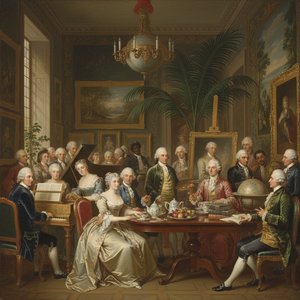
Johann Zoffany: Capturing Georgian Society with Brushstrokes of Cosmopolitan Flair
Explore the captivating world of Johann Zoffany, master portraitist of Georgian society. Discover his unique 'conversation pieces,' imperial commissions & lasting legacy. A guide for discerning collectors.


