- Főoldal

- Olajfestmény reprodukció
- johann lucas kracker
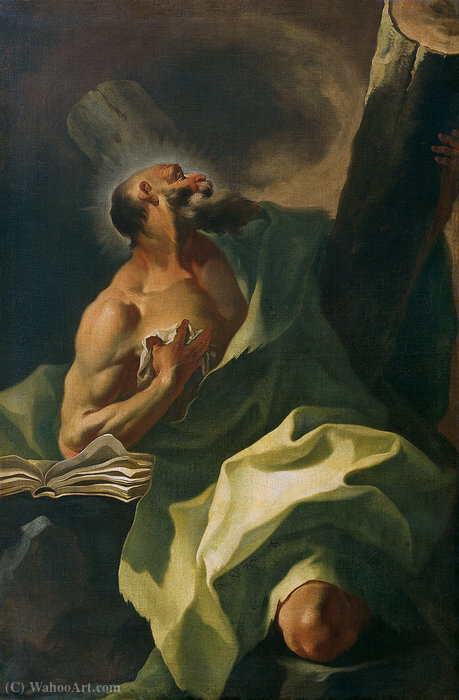
- Saint andrew
 Előnézet
 Megosztás
 Megosztás
 Részletek

 Letöltés
 Hasonló alkotások
 X-ray felvétel
 Diavetítés
Saint andrew
 Tovább olvasom
Kézzel készített olajfestmény reprodukció
Kézzel festett olajvastú vászon, az Ön által választott méretben és keretben, művészeink készítik meglévőre. ( Váltás nyomtatványra Képváltás)




































Válasszon előre meghatározott méreteink közül, amelyek megfelelnek a műalkotás eredeti arányainak.

Ön megadhat saját méreteket egy adott kerethez vagy térhez igazításhoz. Ha a kiválasztott méret nem egyezik az eredeti kép arányával, akkor a műalkotást levágjuk, vagy további kézzel festett elemekkel meghosszabbítjuk a festményt. A gyártás megkezdése előtt küldünk Önnek egy digitális előnézetet jóváhagyásra.
Kérjük, vegye figyelembe, hogy a képernyőn megjelenő előnézet nem tükrözi a tényleges vágást vagy kiterjesztést. Csak az előnézet fog pontosan mutatni a végső kompozíciót.
Bár egyedi méretek állnak rendelkezésre, javasoljuk, hogy válasszon egy méretet az előre meghatározott listából az eredeti arányok megőrzése érdekében.
A rendelést követően a OriginalUniqueArt.com csapata e-mailt küld az ügyfélnek az instrukciókért, és biztosít egy előnézeti képet (mockup).
Világszerte elérhető szállítás () 3-4 hét alatt a szokásos 5 hét helyett. (1 augusztus). A minőség nem kérdőjelezhető.

Ingyenes globális expressz szállítás

Prémium minőségű len vászon

Teljes szállítási biztosítás

Vámvisszatérítési Garancia

Tökéletes színpontosság garancia

60 napos visszaküldési lehetőség (csak gyártási hibák esetén)

100%-os pénzvisszatérítési garancia

Kedvezmény több termény esetén
 Az üvegkeretes opció csak 110 cm alatti méretben érhető el

Saint andrew
Reprodukciós technika
A reprodukció mérete
-


Összesített ár
$ 300
A művész életrajza
The Celestial Brush of the Late Baroque: The Life of Johann Lucas Kracker
In the grand, sweeping tapestry of Central European art, few names evoke the spiritual drama and architectural splendor of the late Baroque period as poignently as Johann Lucas Kracker. Born in Vienna in 1717, Kracker emerged from a lineage deeply rooted in the tactile world of sculpture, being the son of the sculptor Josef Kracker. This early exposure to the three-dimensional weight of form would later inform his approach to two-dimensional surfaces, allowing him to breathe a sculptural vitality into his frescoes and altarpieces. His journey was one of movement and light, traversing the great artistic hubs of the 18th century—from the academic rigor of Vienna to the vibrant religious landscapes of Moravia and Hungary.
Kracker’s artistic soul was forged in the prestigious halls of the Academy of Fine Arts Vienna. Under the mentorship of Anton Hertzog, he mastered the foundational principles of classical composition, yet it was his time spent alongside masters such as Paul Troger and Michelangelo Unterberger that truly refined his ability to capture the divine. These influences instilled in him a sense of Baroque dynamism—a way to manipulate light and shadow to create an illusion of infinite space. His early work at the Schlosskirche St. Martin in Graz, though tragically lost to fire, served as a monumental testament to his burgeoning mastery, signaling the arrival of a painter capable of transforming stone and plaster into windows to the heavens.
A Journey Through Sacred Spaces
As Kracker’s reputation grew, so too did the geographical scope of his commissions. His career was a pilgrimage through the heart of the Holy Roman Empire's religious landscape. In Brno and throughout Moravia, he established himself as a premier craftsman, navigating the complexities of local guilds and ecclesiastical patronage with remarkable skill. Even when faced with the professional hurdles of Prague’s Painters' Guild, Kracker’s ambition remained undeterred, leading him to undertake the ambitious decoration of the Church of St. Nikolaus in Malá Strana—a project that solidified his status as a daring visionary who refused to be constrained by convention.
The breadth of his oeuvre is best understood through the subjects he chose to immortalize:
- Religious Iconography: His ability to render the profound sanctity of figures like Saint Andrew and John of Nepomuk allowed worshippers to feel a direct, emotional connection to the divine.
- Dramatic Narratives: In works such as The Council in Trident, Kracker utilized rich colors and intricate architectural details to recreate the historical gravity of pivotal religious gatherings.
- Devotional Scenes: From the tender intimacy of The Holy Family to the missionary fervor found in St. Francis of Solano Baptizing Indians, his brush captured the full spectrum of Christian emotion.
Legacy and the Eger Twilight
The final chapter of Kracker’s life saw him settling in Eger, where he found a prestigious sanctuary under the patronage of Bishop Karl von Esterhazy. It was here, amidst the breathtaking frescoes of the Minorite Church, that his talent reached a state of serene maturity. His work in Eger remains a cornerstone of Hungarian Baroque heritage, showcasing a seamless integration of painting and architecture that continues to inspire awe. When he passed away in 1779, Kracker left behind more than just paintings; he left a legacy of spiritual transcendence. Through his mastery of color, light, and movement, he ensured that the grandeur of the Baroque era would endure, etched forever into the ceilings and altars of Europe.

johann lucas kracker
1719 - 1779 , Austria
Rövid tények
- Artistic Movement Or Style: Baroque
- Artists Or Movements Influenced By This Artist: ['Tobias Kracker']
- Artists Who Influenced This Artist:
- Paul Troger
- Michelangelo Unterberger
- Date Of Birth: March 3, 1717
- Full Name: Johann Lucas Kracker
- Nationality: Austrian-Czech
- Notable Artworks:
- Saint Andrew
- John of Nepomuk
- Place Of Birth: Vienna, Austria

