

 Megtekintés
 Küldés
 Megosztás
 Részletek
 Útmutató

 Letöltés
 Hasonló darabok
 X-ray felvétel
 Diavetítés
 Statisztika
Untitled (D2X6GG)
 Oil On Canvas
- WallArt
- Baroque
 1626
1626- Early Modern
 99.0 x 126.0 cm
 Metropolitan Művészeti Múzeum
 Összes részlet megjelenítése
Giclée / Műnyomat
Múzeumi minőségű giclée vagy vászonnyomat, gyors gyártással és rugalmas finomítási lehetőségekkel. ( Kézzel festett másolat rendelése Áttérés digitális képre)




P118B Ft10

P118H Ft10

P118W Ft10

P438Z Ft10

P508JH Ft12

P508YH Ft12

P805H Ft10

P805Z Ft10

P919BZ Ft10

P919G Ft10

P919XJ Ft10

P959ZH Ft10

P968JZ Ft12

W106C Ft8

W218G Ft10

W218JH Ft8

W218Y Ft10

W307PJ Ft10

W316G Ft10

W316PJ Ft8

W316Y Ft10

W398PJ Ft8

W4111J Ft10

W500HY Ft15

W500JH Ft15

W692G Ft12

W849H Ft8

W940BG Ft15

W953PJ Ft8




Válasszon előre meghatározott méreteink közül, amelyek megfelelnek a műalkotás eredeti arányainak.

Írja be a keretének vagy a falának megfelelő szélességet és magasságot. A nyomatot csak le lehet vágni, soha nem tehető nagyobbá, mint az eredeti kép, így egy eltérő alakú méretnél a kép egy része elveszik. Mielőtt bármit kinyatintanánk, küldünk egy digitális próbamodellt jóváhagyásra. Az oldalon látható kép nem tartalmazza a valós levágást — ezt csak a próbamodell mutatja meg.
Világszerte történő kiszállítás területére mindössze 2 hét alatt, a szokásos 4-5 hét helyett. (28 október)

Ingyenes globális expressz szállítás

Prémium minőségű len vászon

Teljes körű szállítási biztosítás

Vámvisszatérítési Garancia

Hiteles színarányosság garancia

100 napos visszaküldési lehetőség (csak hibás termékek esetén)

100% pénzvisszatérítési garancia

Több darab vásárlásakor kedvezmény
 Az üvegkeretes opció csak 110 cm alatti méretben érhető el

Untitled (D2X6GG)
Giclée / Műnyomat
Reprodukció mérete
-


Összesített ár
Ft 25827
A Moment Frozen in Time: The Quiet Drama of Saint Mary Magdalen
In the vast tapestry of the 17th-century Baroque era, where the theatrical shadows of Caravaggio and the luminous interiors of Vermeer often command the spotlight, there exists a more intimate, whispered form of storytelling. Johann Liss’s “The Temptation of Saint Mary Magdalen,” completed around 1626, serves as a profound testament to this subtle mastery. The painting captures a pivotal moment of spiritual and psychological tension, inviting the viewer into a sacred space where the boundary between the divine and the earthly becomes perilously thin. Rather than relying on grand, sweeping gestures, the work finds its power in the palpable stillness of a single, transformative breath.
The narrative unfolds through a delicate arrangement of three figures, each contributing to a complex web of desire and devotion. At the heart of the composition is Mary Magdalene, her gaze directed upward in a poignant expression that oscillates between vulnerability and a burgeoning defiance. She stands at a crossroads of the soul, confronted by a shadowy figure—an entity whose true nature as either an angel or a tempter remains tantalizingly ambiguous to the observer. As he proffers an apple, a universal symbol of original sin and worldly temptation, the tension in the room becomes almost tactile. A third woman watches from the periphery, her silent presence acting as a pillar of purity, grounding the scene in a sense of watchful, quiet sanctity.
The Mastery of Light and Texture
Technically, the work is a triumph of diffused light and meticulous surface detail. Eschewing the harsh, dramatic chiaroscuro that defined much of the period, the artist employs a softer, more atmospheric illumination. This gentle light source washes over the figures, casting subtle shadows that do not obscure but rather reveal the intricate textures of the scene. One can almost feel the heavy weight of the folds in Mary Magdalene’s robes and the delicate softness of her shawl, rendered with a precision that speaks to an extraordinary command of oil on canvas.
This focus on texture serves a deeper symbolic purpose; by emphasizing the physical reality of the drapery and the skin, the artist anchors the spiritual struggle in the tangible world. The rich, warm color palette enhances this effect, creating an atmosphere of contemplative warmth that draws the eye deep into the composition. For the collector or interior designer, such a piece offers more than mere decoration; it provides a focal point of profound depth, capable of anchoring a room with its sophisticated balance of light and shadow.
A Timeless Legacy for the Discerning Collector
To possess a reproduction of this caliber is to invite a piece of art history into one's personal sanctuary. The painting does not merely depict a biblical event; it explores the universal human condition—the eternal struggle between our higher aspirations and our earthly impulses. It is a work that rewards repeated viewing, revealing new layers of psychological complexity with every glance at the subtle interplay of expressions.
Whether placed in a curated gallery setting or as a centerpiece in a thoughtfully designed living space, this artwork brings an air of intellectual rigor and emotional resonance. It appeals to those who appreciate the understated elegance of the Dutch and German Baroque traditions—a style that finds the extraordinary within the ordinary, and the divine within the quietest moments of human existence.
Kérdések és válaszok
Hová sorolható a "Untitled (D2X6GG)" Johann Liss ismétlődő témái közé?
A "Untitled (D2X6GG)" a saint mary magdalen, temptation, devil, apple, biblical scene, light, color palette ábrázol, míg Johann Liss dokumentált témái a caravaggio influence, religious temptation, baroque style, biblical narrative, artist legacy. A kettő összevetése megmutatja, hogyan kapcsolódik ez a mű a művész megszokott motívumaihoz.
Milyen telítettséget és intenzitást mutat „Untitled (D2X6GG)”, Johann Liss alkotása?
A "Untitled (D2X6GG)" színe Subtle Color telítettségű és Monochromatic intenzitású.
Ki a "Untitled (D2X6GG)" szerzője, és mely művészeti irányból származik?
Johann Liss a Baroque irányzatban alkototta meg a "Untitled (D2X6GG)" című művét.
Kapcsolódó cikkek

Golden Age Reflections: Dutch Baroque Painting & Cultural Innovation
Explore the Dutch Golden Age of painting! Discover key artists like Vermeer & ter Borch, their innovative techniques, and the rich cultural context behind these Baroque masterpieces. Learn about collecting & appreciating this iconic art period.

Mastering Light and Shadow: A Definitive Guide to the Chiaroscuro of the Dutch Baroque Era
Explore the dramatic mastery of the Dutch Baroque era. Discover how masters like Rembrandt used chiaroscuro to manipulate light and shadow, creating profound emotional depth and timeless beauty in art history's most captivating masterpieces.

A Hollandi Barokk 10 Mesterműve: Festmények, Amelyek Megváltoztatták a Világot | OriginalUniqueArt
Fedezze fel a holland barokk 10 legikonikusabb műalkotását! Rembrandt, Vermeer és más mesterek festményeinek története, technikája és időtálló szépsége. Művészeti reprodukciók prémium minőségben – OriginalUniqueArt.com.
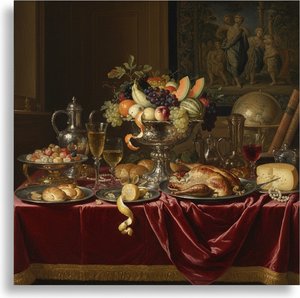
Abraham Hendricksz van Beyeren: Pioneering Dutch Still Life & the Banquet Tradition
Explore the captivating world of Dutch Golden Age still life with Abraham van Beyeren. Discover his innovative techniques, symbolic banquet scenes & lasting influence on art history. Learn about collecting these masterpieces.

A Barokk Mesterek 10 Legikonikusabb Remekműve – OriginalUniqueArt.com
Fedezze fel a barokk művészet 10 legpártosabb remekművét! Caravaggio, Rembrandt és Vermeer alkotásainak története – OriginalUniqueArt.com kínálatában exkluzív reprodukciók és inspiráló dekorációs ötletek várják Önt. Nézze meg most!

