
 Megtekintés
 Küldés
 Megosztás
 Részletek

 Letöltés
 Hasonló darabok
 X-ray felvétel
 Diavetítés
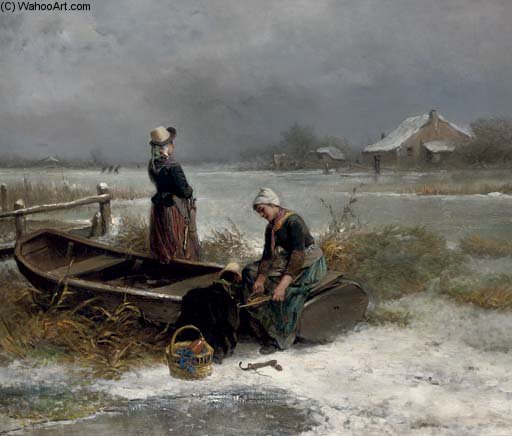
Pulling On The Ice Skates

 Összes részlet megjelenítése
Giclée / Műnyomat
Múzeumi minőségű giclée vagy vászonnyomat, gyors gyártással és rugalmas finomítási lehetőségekkel. ( Kézzel festett másolat rendelése Kép letöltése)




































Válasszon előre meghatározott méreteink közül, amelyek megfelelnek a műalkotás eredeti arányainak.

Megadhat saját méreteket is egy konkrét kerethez vagy helyszínhez igazítva. Amennyiben a kiválasztott méret nem egyezik az eredeti kép arányokkal, a műalkotást le fogjuk vágni, vagy kiegészítjük a képet tükrözött vagy egyszínű szélekkel. A gyártás megkezdése előtt egy digitális tervezetet küldünk jóváhagyásra.
Kérjük, vegye figyelembe, hogy a képernyőn látható előnézet nem tükrözi a tényleges levágást vagy kiegészítést. Csak a tervezet mutatja pontosan a végső kompozíciót.
Bár az egyedi méretek is elérhetőek, az eredeti arányok megőrzése érdekében azt javasoljuk, hogy válasszon a előre meghatározott listából származó méretet.
Világszerte történő kiszállítás területére mindössze 2 hét alatt, a szokásos 4-5 hét helyett. (20 augusztus)

Ingyenes globális expressz szállítás

Prémium minőségű len vászon

Teljes körű szállítási biztosítás

Vámvisszatérítési Garancia

Hiteles színpontosság garancia

60 napos visszaküldési lehetőség (csak hibás termékek esetén)

100% pénzvisszatérítési garancia

Több darab vásárlása esetén kedvezmény
 Az üvegkeretes opció csak 110 cm alatti méretben érhető el

Pulling On The Ice Skates
Giclée / Műnyomat
Reprodukció mérete
-


Összesített ár
$ 80
A művész életrajza
Johan Mari Henri Ten Kate: A Dutch Romantic Landscape Painter
Johan Mari Henri Ten Kate (1859 – 1896) emerged as a prominent figure in the Dutch Romantic landscape movement, captivating audiences with his masterful depictions of serene Dutch countryside and evocative portrayals of human figures amidst natural beauty. Though overshadowed by contemporaries like Israëls and Maris during his lifetime, Ten Kate’s distinctive style—characterized by luminous color palettes and meticulous attention to detail—continues to resonate with collectors and art historians today. Early Life & Artistic Training: Born in Amsterdam in 1859, Ten Kate received a formal artistic education at the Koninklijke Academie voor Beeldende Künsten (Royal Academy of Fine Arts) in Antwerp, Belgium. His instructors included Willem Maris and Anton Mauve, influential figures who championed Impressionistic techniques and encouraged students to capture fleeting moments of light and atmosphere—a crucial element shaping Ten Kate’s artistic vision. He benefited from the guidance of his father, J.M.H. ‘Mari’ ten Kate, a respected Romantic genre painter, whose influence undoubtedly shaped his own artistic sensibilities. A Distinctive Romantic Style: Ten Kate's oeuvre distinguishes itself from the prevailing trends of his era through an extraordinary sensitivity to color and texture. Unlike many artists who favored muted tones—a stylistic preference common during the Victorian period—he embraced vibrant hues—particularly blues and greens—to convey the grandeur and tranquility of Dutch landscapes. His brushstrokes were deliberate yet fluid, layering pigments with painstaking precision to achieve an unparalleled sense of realism while simultaneously imbuing his canvases with emotional depth. He skillfully rendered atmospheric effects like mist and haze, creating scenes that felt alive with movement and imbued with a palpable feeling for the natural world—a hallmark of Romantic painting’s ambition to capture sublime beauty. Notable Landscapes: Among Ten Kate’s most celebrated works are “Kite Flying” (1883) and “Seeking Shelter,” both capturing quintessential Dutch vistas. These paintings exemplify his ability to convey not merely visual accuracy but also psychological resonance—the viewer is transported into the quiet contemplation of a breezy afternoon or the comforting embrace of a sheltered grove. The meticulous detail with which he depicted foliage, water reflections, and distant mountains underscored his commitment to portraying nature in its fullest splendor. “The Young Couple,” depicting a serene pastoral scene, exemplifies Ten Kate’s masterful technique for capturing human emotion amidst natural beauty—a testament to his artistic skill and humanist sensibilities. Influences & Artistic Development: Ten Kate's artistic journey was profoundly impacted by the Impressionist movement, spearheaded by Claude Monet and Pierre-Auguste Renoir. He absorbed their techniques for capturing light and color, adapting them to his own distinctive style. Furthermore, he drew inspiration from Romantic painters like Casper David Friedrich and Eugène Delacroix, whose emphasis on sublime landscapes and dramatic emotional narratives shaped his artistic sensibilities. These influences combined to forge a unique aesthetic that blended realism with lyrical beauty—a stylistic hallmark of the period. Legacy & Historical Significance: Despite facing relative obscurity during his lifetime, Johan Mari Henri Ten Kate’s legacy persists as an exemplar of Dutch Romantic landscape painting. His canvases continue to captivate viewers with their luminous color palettes and masterful rendering of atmospheric effects—a reminder of the enduring power of art to evoke emotion and capture the essence of a particular place and time. Today, Ten Kate's work is appreciated for its understated elegance and profound connection to the natural world, securing his position as an important contributor to Dutch artistic history. He remains a significant figure in understanding the Romantic movement’s exploration of beauty and spirituality within the context of the Dutch landscape.
Johan Mari Henri Ten Kate
1859 - 1896 , Holland
A művészről röviden
- Artistic Movement Or Style: Romanticism Art
- Artists Or Movements Influenced By This Artist: ['Jan Cornelisz. Vermeyen']
- Artists Who Influenced This Artist: ['Guilliam du Gardijn']
- Date Of Birth: Amsterdam, Netherlands (1859)
- Full Name: Johan Mari Henri Ten Kate
- Nationality: Dutch
- Notable Artworks:
- Seeking Shelter
- The Young Couple
- Place Of Birth: Amsterdam
Kapcsolódó cikkek

Masterpieces of Light: A Definitive Guide to the Landscapes of the Dutch Golden Age
Discover the luminous mastery of Dutch Golden Age landscapes. Our expert guide explores the atmospheric realism of masters like Van Goyen and Cuyp. Elevate your space with museum-quality, hand-painted oil reproductions from OriginalUniqueArt.com. Art history, beautifully realized.

Golden Light & Dutch Skies: The Timeless Magic of Dutch Golden Age Landscapes
Discover the breathtaking beauty of Dutch Golden Age landscapes. Explore the mastery of light, chiaroscuro, and 17th-century realism through an expert art history lens, celebrating the enduring legacy of the Dutch Masters for discerning collectors and art lovers.
Charles Leickert: Capturing the Dutch Golden Age Light – A Comprehensive Study of Technique, Context, and Legacy
Explore the captivating winter landscapes of Charles Leickert, a master of Dutch Golden Age light & atmosphere. Discover his techniques, symbolism, and lasting legacy – a comprehensive study for art enthusiasts and collectors.
A Tájkép Mesterei: 10 Képi Gyöngyem a Természet Szerelemről – OriginalUniqueArt.com
Fedezze fel a 10 legikonikusabb tájkép festményt! Monet, Van Gogh és más mesterek művei inspirálnak. Művészeti reprodukciók magas minőségben – tökéletes dekoráció otthonába. Böngésszen OriginalUniqueArt.com-on!

Golden Light & Dutch Skies: Bringing the Magic of Dutch Golden Age Landscapes into Your Home
Transform your home with the breathtaking light of Dutch Golden Age landscapes. Discover how hand-painted oil reproductions of masterworks like Ruisdael and Vermeer bring timeless elegance, atmosphere, and soulful texture to modern interiors. Elevate your space with museum-quality art.

