

 Megtekintés
 Küldés
 Megosztás
 Részletek

 Letöltés
 Hasonló darabok
 X-ray felvétel
 Diavetítés
El disco rojo


 Összes részlet megjelenítése
Vásároljon nagy felbontású, javított digitális képet, amely minőségében messze felülmúlja az online előnézetet.
Minden fájlt szakembereink a legmodernebb eszközök és precíz, kézi retusálás segítségével készítenek el aprólékosan. Gondoskodunk arról, hogy minden kép kivételes tisztasággal, pontos színhelyességgel és részletgazdag finomsággal rendelkezzen.
A végleges fájl 72 órán belül e-mailben megérkezik, professzionális, szerkesztői és nyomtatási környezetbe optimalizálva az azonnali használathoz. Ez ugyanaz a minőség, amelyben a legmeghatározóbb tervezőstúdiók, kiadók és galériák is megbízhatnak.
Digitális kép
Töltsön le nagy felbontású fájlt személyes kiállításokhoz, nyomtatáshoz és kreatív projektekhez. ( Nyomat rendelése Kézzel festett másolat rendelése)
Minden digitális kép rendeléséhez tartozó extrák
Szakértői digitális kézbesítés, garantáltan
Amikor a OriginalUniqueArt.com szolgáltatást választja, nem csupán egy képet kap – professzionálisan felmagasított digitális műalkotást kap, amely precizitással készült, és amelyet megelégsedési gwarancia tesz biztoslássá. Az alábbiakban automatikusan minden benne 】

Gyors e-mail teslimítés
A nagy felbontású digitális képmásolatát a megrendelést követő 72 órán belül e-mailben elküldjük Önnek – azonnal használható formátumban.

MI-alapú digitális fejlesztésű fájl
Műve professzionális módon kerül optimalizálásra fejlett mesterséges intelligencia eszközök és manuális szerkesztés segítségével, biztosítva a maximális részletességet, tisztaságot és színpontosságot.

Örök életű ingyenes újradelivery
Véletlenül törölted vagy elvesztetted a fájlodat? Ne aggódj – bármikor ingyen újra megküldjük neked.

Nincs importköltség – soha
Élvezze műalkotásait azonnal, vám, illeték vagy szállítási költség nélkül – a digitális letöltések mindig adamentesek.

Színpontosság garantálása
Professzionális eszközök és színkezelés segítségével garantáljuk, hogy digitális képe a lehető legpontosabban tükrözze az eredeti színeket.

60 napos elégedettségi garancia
Ha nemມີ elégedett a digitális képpel, 60 napon belül átmunkáljuk azt, vagy 100% visszatérítjük az amountot – kérdés nélkül.

100% Pénzvisszatérítési garancia
Nem érheted el a teljes elégedettséget? 60 napon belül teljes visszatérítést kapsz a digitális fájlod megérkezése után – kérdés nélkül.

Tömegrendelési kedvezmények
Vásároljon 3 képet, spóroljon 10%-et - Vásároljon 5-öt, spóroljon 15%-et - Vásároljon 10+ képet, spóroljon 20%-at. Kiváló kreatív projektekhez, galériákhoz és ügynökségekhez.
A gyűjtemény részletei
El Disco Rojo: A Burst of Energy from Miró’s Abstract World
El Disco Rojo (The Red Disc) is a captivating example of Joan Miró's distinctive abstract expressionist style, radiating an untamed energy and inviting viewers into a realm of subconscious imagery. Created during a period of significant artistic experimentation for the artist, this piece exemplifies his move away from purely representational forms towards a more symbolic and emotionally driven language.Decoding the Visual Language
The composition is dominated by a dynamic interplay of shapes and colors against a dark, atmospheric background. A central, intensely red circle immediately commands attention – a focal point that seems to pulse with life. Surrounding this “disc,” swirling forms in shades of white, gray, and interspersed with subtle touches of blue create a sense of movement and depth.- The shapes are largely organic and fluid, eschewing rigid lines for an impression of spontaneous creation.
- Visible brushstrokes and splatters contribute to a textured surface, emphasizing the physicality of the painting process.
- The layering of paint creates depth and complexity, drawing the eye into the swirling vortex of forms.
Miró’s Artistic Journey & Influences
Born in Barcelona in 1893, Joan Miró was a pivotal figure in both Surrealism and abstract art. His early work showed influences from Fauvism, Cubism, and the Catalan countryside – all of which contributed to his unique visual vocabulary. El Disco Rojo reflects his mature style, where he sought to express inner emotions and subconscious thoughts through simplified forms and bold colors. Miró’s exploration of automatism—a technique championed by Surrealists that aimed to unlock the creative potential of the unconscious mind—is evident in the seemingly unrestrained energy of this piece.Symbolism & Interpretation
The symbolism within El Disco Rojo is deliberately ambiguous, allowing for a multitude of interpretations.- The red circle could be seen as representing the sun, a source of vital energy, or even an eye – a window into the soul.
- The swirling shapes might symbolize chaos, emotion, or the constant flux of life.
- The contrasting colors—the vibrant red against the cool whites and grays—create a sense of tension and dynamism.
Emotional Impact & Interior Design Considerations
El Disco Rojo evokes a powerful sense of energy, movement, and mystery. Its abstract nature allows it to seamlessly integrate into various interior design schemes.- Its bold color palette makes it a striking focal point in modern or contemporary spaces.
- The dynamic composition adds visual interest to minimalist interiors.
- The painting’s emotional depth can create a stimulating and thought-provoking atmosphere.
A művész életrajza
A Catalan Visionary: The Life and Art of Joan Miró
Joan Miró i Ferrà, born in Barcelona in 1893, stands as one of the most significant figures in 20th-century art. His journey was not merely a progression through styles but an exploration of inner worlds, translating dreams, memories, and Catalan identity onto canvas with a uniquely poetic visual language. From humble beginnings marked by illness and initial parental reservations about his artistic pursuits, Miró persevered, driven by an innate need to express the intangible—the emotions, sensations, and subconscious currents that lie beneath the surface of reality. His early life was steeped in the traditions of Barcelona, a city brimming with architectural marvels thanks to Antoni Gaudí, whose organic forms would subtly influence Miró’s later abstractions. The goldsmithing profession of his father instilled an appreciation for meticulous craftsmanship, while the rugged Catalan landscape became a recurring motif and source of inspiration throughout his career.Early Influences and the Path to Surrealism
Miró's formal artistic training began at La Llotja in Barcelona, where he honed his skills in traditional techniques. However, it was exposure to the avant-garde movements sweeping through Paris that truly ignited his creative evolution. The vibrant colors of Fauvism and the fragmented forms of Cubism resonated deeply, prompting him to move to Paris in 1920. This period proved pivotal as he encountered artists like Pablo Picasso and began experimenting with increasingly abstract compositions. Yet, Miró didn’t simply adopt these styles; he synthesized them, forging a path toward his own distinctive aesthetic. He sought to distill forms to their essence, stripping away representational details in favor of symbolic shapes and evocative colors. This exploration led him to the Surrealist group in 1924, aligning him with artists such as Max Ernst and Salvador Dalí. While embracing the Surrealist interest in the subconscious, Miró maintained a unique sensibility—his work was less about shocking imagery or Freudian symbolism than it was about creating a world of playful forms and poetic suggestion. He rejected the prevailing artistic conventions of his time, prioritizing intuition and imagination over rational representation.The Language of Symbols: Key Works and Artistic Innovations
Throughout the 1920s and 30s, Miró developed his signature visual vocabulary—a universe populated by biomorphic shapes, floating forms, and vibrant colors. The Farm (1922), often considered a cornerstone of his oeuvre, exemplifies this transition. It’s not merely a depiction of rural life but an evocation of Catalan identity and a symbolic representation of the natural world. The painting utilizes bold hues—primarily yellows and reds—to convey a sense of energy and vitality, mirroring the dynamism of the Catalan landscape. Miró's technique involved layering paint onto canvas in multiple passes, creating textured surfaces that contribute to the overall atmosphere of dreamlike wonder. His collaborative spirit led to innovative techniques like *grattage*, pioneered with Max Ernst in 1926 for designs intended for Sergei Diaghilev's ballet, where textures were revealed by scraping paint across canvas. The Dutch Interiors (1928) series demonstrated his ability to reinterpret the Old Masters through a distinctly modern lens, transforming domestic scenes into dreamlike abstractions. He skillfully employed geometric shapes—circles and squares—to juxtapose with organic forms, creating visual tension that reflects the complexities of human experience. Painting (1933), with its striking palette and simplified compositions, encapsulates Miró’s exploration of the subconscious and his rejection of conventional artistic boundaries. This monumental canvas embodies his belief in art as a vehicle for conveying profound emotional truths. Beyond painting, Miró fearlessly experimented with sculpture, ceramics, and printmaking, expanding his creative horizons and demonstrating a remarkable versatility.Legacy and Enduring Influence
Joan Miró's impact on 20th-century art is undeniable. He wasn’t simply a painter; he was a visionary who challenged the very definition of artistic expression. His work paved the way for abstract expressionism and continues to inspire artists across disciplines. He established two foundations—the Fundació Joan Miró in Barcelona (1975) and the Fundació Pilar i Joan Miró in Palma de Mallorca (1981)—ensuring that his legacy would endure, providing spaces for artistic exploration and education. Throughout his long career, he remained committed to pushing boundaries, questioning conventions, and exploring the depths of human imagination. Miró’s art is a testament to the power of abstraction, symbolism, and poetic expression—a vibrant celebration of life, dreams, and the enduring spirit of Catalan culture. His work continues to resonate with audiences worldwide, inviting us to enter a world where anything is possible and the boundaries between reality and fantasy blur into a captivating dance of color and form. He died in Palma de Mallorca in 1983, leaving behind an unparalleled body of work that remains a beacon of artistic innovation and imaginative vision.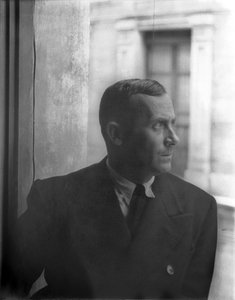
Joan Miró
1893 - 1983 , Spanyolország
Érdekességek
- Artistic Movement Or Style: Szürrealizmus
- Artists Who Influenced This Artist:
- Van Gogh
- Cézanne
- Date Of Birth: 1893
- Date Of Death: 1983
- Full Name: Joan Miró i Ferrà
- Nationality: Spanyolország
- Notable Artworks:
- Háza a pálmalébennel
- Nude with Mirror
- A Tűzeső a Flamboyant Tollak
- Place Of Birth: Barcelona, Spanien

