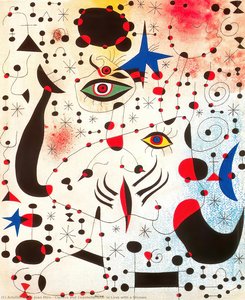
Előnézet
 Megosztás
 Megosztás
 Részletek
 Útmutató

 Letöltés
 Hasonló darabok
 X-ray felvétel
 Diavetítés
 Statisztika
Apunts per al llibre Lapidari 3


 Tovább olvasom
Giclée / Műnyomat
Múzeumi minőségű giclée vagy vászonnyomat, gyors gyártással és rugalmas finomítási lehetőségekkel. ( Kézzel festett másolat vásárlása Áttérés digitális képre)




P118B $10

P118H $10

P118W $10

P438Z $10

P508JH $12

P508YH $12

P805H $10

P805Z $10

P919BZ $10

P919G $10

P919XJ $10

P959ZH $10

P968JZ $12

W106C $8

W218G $10

W218JH $8

W218Y $10

W307PJ $10

W316G $10

W316PJ $8

W316Y $10

W398PJ $8

W4111J $10

W500HY $15

W500JH $15

W692G $12

W849H $8

W940BG $15

W953PJ $8




Válasszon előre meghatározott méreteink közül, amelyek megfelelnek a műalkotás eredeti arányainak.

Megadhat saját méreteket is egy konkrét kerethez vagy helyszínhez igazítva. Amennyiben a kiválasztott méret nem egyezik az eredeti kép arányokkal, a műalkotást le fogjuk vágni, vagy kiegészítjük a képet tükrözött vagy egyszínű szélekkel. A gyártás megkezdése előtt egy digitális tervezetet küldünk jóváhagyásra.
Kérjük, vegye figyelembe, hogy a képernyőn látható előnézet nem tükrözi a tényleges levágást vagy kiegészítést. Csak a tervezet mutatja pontosan a végső kompozíciót.
Bár az egyedi méretek is elérhetőek, az eredeti arányok megőrzése érdekében azt javasoljuk, hogy válasszon a előre meghatározott listából származó méretet.
Világszerte történő kiszállítás területére mindössze 2 hét alatt, a szokásos 4-5 hét helyett. (21 szeptember)

Ingyenes globális expressz szállítás

Prémium minőségű len vászon

Teljes körű szállítási biztosítás

Vámvisszatérítési Garancia

Tökéletes színarányosság garancia

100 napos visszaküldési garancia (csak gyártási hibás termékek esetén)

100% pénzvisszatérítési garancia

Több darab vásárlásakor kedvezmény
 Az üvegkeretes opció csak 110 cm alatti méretben érhető el

Apunts per al llibre Lapidari 3
Giclée / Műnyomat
Reprodukció méretei
-


Összesített ár
$ 80
A Glimpse into Miró’s Dreamscape: “Apunts per al llibre Lapidari 3”
Joan Miró's "Apunts per al llibre Lapidari 3" isn’t merely a sketch; it’s a portal. A deceptively simple study in white lines against a stark black backdrop, this artwork embodies the core tenets of Miró’s Surrealist vision – a world where logic yields to intuition, and childhood wonder intertwines with profound symbolism. Created around 1936-1937, during a period of intense creative exploration, it offers a rare glimpse into the artist's process, revealing the genesis of his iconic imagery. The piece feels both immediate and deeply layered, inviting viewers to lose themselves in its playful yet enigmatic universe.
Form and Technique: A Dance of Line
The artwork’s power resides largely in its masterful execution of line. Miró employs a fluid, gestural technique—a dance of pencil or pen across the paper—that suggests both urgency and spontaneity. The lines aren't precise; they possess an organic quality, mimicking the curves of limbs, the swell of a face, and the unpredictable flow of dreams. Notice how some lines thicken and thin, creating subtle textural variations that add depth and visual interest. This deliberate irregularity is characteristic of Miró’s approach, rejecting rigid geometric forms in favor of a more intuitive and expressive style. The stark contrast between the white sketch and the black background isn't just aesthetic; it serves to isolate the figure, elevating its importance and emphasizing its vulnerability.
Symbolism and Emotional Resonance: Innocence and Duality
Reduced to its essential elements – a simplified face and torso – “Apunts per al llibre Lapidari 3” evokes a profound sense of innocence and naivety. The childlike quality of the drawing, with its rounded eyes and gently curved mouth, speaks to a primal state of being, untouched by the complexities of adult life. Yet, beneath this surface simplicity lies a potent undercurrent of symbolism. The stark black background could represent darkness, uncertainty, or even death – forces that are confronted and ultimately transcended by the luminous white figure. Miró frequently employed duality in his work; here, we might interpret the contrast as representing opposing forces, suggesting a struggle for balance and harmony within the self. Considering Miró’s Catalan heritage, one can also see echoes of traditional Catalan folklore and symbolism woven into this piece.
Contextualizing the Masterpiece: Miró's Creative Journey
Born in Barcelona in 1893, Joan Miró was a pivotal figure in the Surrealist movement. His early life, marked by illness and familial reservations about his artistic ambitions, fueled an intense desire to express the intangible—the hidden emotions and subconscious thoughts that shaped his world. Influenced by the organic architecture of Antoni Gaudí and the vibrant culture of Barcelona, Miró developed a unique visual language characterized by dreamlike imagery, playful abstraction, and a deep connection to Catalan identity. As evidenced in related works like “Apunts per al llibre Lapidari 1” and “Apunts per al llibre Lapidari 7,” this series of sketches served as preparatory studies for larger paintings and installations, offering invaluable insight into Miró’s creative process. The Fundació Joan Miró (located in Barcelona) houses a vast collection of his works, providing an unparalleled opportunity to delve deeper into the artist's extraordinary vision.
Bringing Miró Home: A High-Quality Reproduction
OriginalUniqueArt offers meticulously crafted hand-painted reproductions of “Apunts per al llibre Lapidari 3,” allowing you to experience the full impact of this iconic artwork in your own space. Our skilled artists faithfully recreate Miró’s distinctive style, capturing the delicate balance between spontaneity and control that defines his oeuvre. Choose from a range of sizes to perfectly complement your décor, and enjoy the assurance of owning an authentic piece of art history. Explore our selection today!
A művész életrajza
A Catalan Visionary: The Life and Art of Joan Miró
Joan Miró i Ferrà, born in Barcelona in 1893, stands as one of the most significant figures in 20th-century art. His journey was not merely a progression through styles but an exploration of inner worlds, translating dreams, memories, and Catalan identity onto canvas with a uniquely poetic visual language. From humble beginnings marked by illness and initial parental reservations about his artistic pursuits, Miró persevered, driven by an innate need to express the intangible—the emotions, sensations, and subconscious currents that lie beneath the surface of reality. His early life was steeped in the traditions of Barcelona, a city brimming with architectural marvels thanks to Antoni Gaudí, whose organic forms would subtly influence Miró’s later abstractions. The goldsmithing profession of his father instilled an appreciation for meticulous craftsmanship, while the rugged Catalan landscape became a recurring motif and source of inspiration throughout his career.Early Influences and the Path to Surrealism
Miró's formal artistic training began at La Llotja in Barcelona, where he honed his skills in traditional techniques. However, it was exposure to the avant-garde movements sweeping through Paris that truly ignited his creative evolution. The vibrant colors of Fauvism and the fragmented forms of Cubism resonated deeply, prompting him to move to Paris in 1920. This period proved pivotal as he encountered artists like Pablo Picasso and began experimenting with increasingly abstract compositions. Yet, Miró didn’t simply adopt these styles; he synthesized them, forging a path toward his own distinctive aesthetic. He sought to distill forms to their essence, stripping away representational details in favor of symbolic shapes and evocative colors. This exploration led him to the Surrealist group in 1924, aligning him with artists such as Max Ernst and Salvador Dalí. While embracing the Surrealist interest in the subconscious, Miró maintained a unique sensibility—his work was less about shocking imagery or Freudian symbolism than it was about creating a world of playful forms and poetic suggestion. He rejected the prevailing artistic conventions of his time, prioritizing intuition and imagination over rational representation.The Language of Symbols: Key Works and Artistic Innovations
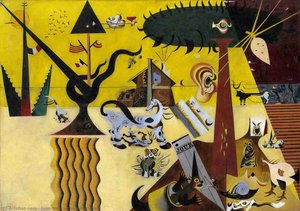
Throughout the 1920s and 30s, Miró developed his signature visual vocabulary—a universe populated by biomorphic shapes, floating forms, and vibrant colors. The Farm (1922), often considered a cornerstone of his oeuvre, exemplifies this transition. It’s not merely a depiction of rural life but an evocation of Catalan identity and a symbolic representation of the natural world. The painting utilizes bold hues—primarily yellows and reds—to convey a sense of energy and vitality, mirroring the dynamism of the Catalan landscape. Miró's technique involved layering paint onto canvas in multiple passes, creating textured surfaces that contribute to the overall atmosphere of dreamlike wonder. His collaborative spirit led to innovative techniques like *grattage*, pioneered with Max Ernst in 1926 for designs intended for Sergei Diaghilev's ballet, where textures were revealed by scraping paint across canvas. The Dutch Interiors (1928) series demonstrated his ability to reinterpret the Old Masters through a distinctly modern lens, transforming domestic scenes into dreamlike abstractions. He skillfully employed geometric shapes—circles and squares—to juxtapose with organic forms, creating visual tension that reflects the complexities of human experience. Painting (1933), with its striking palette and simplified compositions, encapsulates Miró’s exploration of the subconscious and his rejection of conventional artistic boundaries. This monumental canvas embodies his belief in art as a vehicle for conveying profound emotional truths. Beyond painting, Miró fearlessly experimented with sculpture, ceramics, and printmaking, expanding his creative horizons and demonstrating a remarkable versatility.Legacy and Enduring Influence
Joan Miró's impact on 20th-century art is undeniable. He wasn’t simply a painter; he was a visionary who challenged the very definition of artistic expression. His work paved the way for abstract expressionism and continues to inspire artists across disciplines. He established two foundations—the Fundació Joan Miró in Barcelona (1975) and the Fundació Pilar i Joan Miró in Palma de Mallorca (1981)—ensuring that his legacy would endure, providing spaces for artistic exploration and education. Throughout his long career, he remained committed to pushing boundaries, questioning conventions, and exploring the depths of human imagination. Miró’s art is a testament to the power of abstraction, symbolism, and poetic expression—a vibrant celebration of life, dreams, and the enduring spirit of Catalan culture. His work continues to resonate with audiences worldwide, inviting us to enter a world where anything is possible and the boundaries between reality and fantasy blur into a captivating dance of color and form. He died in Palma de Mallorca in 1983, leaving behind an unparalleled body of work that remains a beacon of artistic innovation and imaginative vision.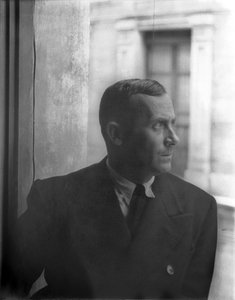
Joan Miró
1893 - 1983 , Spanyolország
Gyors információk
- Artistic Movement Or Style: Szürrealizmus
- Artists Who Influenced This Artist:
- Van Gogh
- Cézanne
- Date Of Birth: 1893
- Date Of Death: 1983
- Full Name: Joan Miró i Ferrà
- Nationality: Spanyolország
- Notable Artworks:
- Háza a pálmalébennel
- Nude with Mirror
- A Tűzeső a Flamboyant Tollak
- Place Of Birth: Barcelona, Spanien
Kapcsolódó cikkek
A szürrealizmus 10 legikonikusabb festménye: művészeti remekművek otthonába – OriginalUniqueArt
Fedezze fel a szürrealizmus 10 legmeghatározóbb festményét! Salvador Dalí, René Magritte és más művészek álomvilágába kalauzoljuk. Vászonképek, faliképek – inspirálódjon otthonához a OriginalUniqueArt-on! Fedezze fel a teljes gyűjteményt online.
The Eloquent Line: Exploring the Artistic Significance of Sketches Across Movements and Media
Explore the profound artistic significance of sketches throughout history. From Renaissance masters to modern innovators like Van Gogh & Guston, discover how these foundational works reveal technique, emotion, and vision. Learn more at OriginalUniqueArt.
A szürrealizmus 10 legikonikusabb műalkotása – OriginalUniqueArt.com
Fedezze fel a szürrealizmus 10 legmeghatározóbb műalkotását! Salvador Dalí, René Magritte és más mesterek álomképei – történetükkel és inspirációjukkal. Vászonkép, falikép otthonába? OriginalUniqueArt.com - a minőségi reprodukciók galériája.

A Fekete Szín Mesterei: 10 Híres Festmény, Amelyek Elvarázsolnak – OriginalUniqueArt.com
Fedezze fel a 10 leghíresebb, fekete tónusú festményt! Rembrandt, Goya és Manet remekművei elvarázsolják. Művészettörténet, inspiráció otthonába – OriginalUniqueArt.com kínálatából. Fedezze fel a teljes gyűjteményt online!
Joan Miró 25 Mesterműve: Katalán álomképek a faladra | OriginalUniqueArt.com
Fedezze fel Joan Miró 25 legikonikusabb műalkotását! Ismerje meg a katalán szürrealizmus mesterét, festményeinek történetét és inspiráló színeit. Művészeti reprodukciók prémium minőségben – OriginalUniqueArt.com.