

 Megtekintés
 Küldés
 Megosztás
 Részletek

 Letöltés
 Hasonló darabok
 X-ray felvétel
 Diavetítés
Noel in the Kitchen


 Összes részlet megjelenítése
Vásároljon nagy felbontású, javított digitális képet, amely minőségében messze felülmúlja az online előnézetet.
Minden fájlt szakembereink a legmodernebb eszközök és precíz, kézi retusálás segítségével készítenek el aprólékosan. Gondoskodunk arról, hogy minden kép kivételes tisztasággal, pontos színhelyességgel és részletgazdag finomsággal rendelkezzen.
A végleges fájl 72 órán belül e-mailben megérkezik, professzionális, szerkesztői és nyomtatási környezetbe optimalizálva az azonnali használathoz. Ez ugyanaz a minőség, amelyben a legmeghatározóbb tervezőstúdiók, kiadók és galériák is megbízhatnak.
Digitális kép
Töltsön le nagy felbontású fájlt személyes kiállításokhoz, nyomtatáshoz és kreatív projektekhez. ( Nyomat rendelése Kézzel festett másolat rendelése)
Minden digitális kép rendeléséhez tartozó extrák
Szakértői digitális kézbesítés, garantáltan
Amikor a OriginalUniqueArt.com szolgáltatást választja, nem csupán egy képet kap – professzionálisan felmagasított digitális műalkotást kap, amely precizitással készült, és amelyet megelégsedési gwarancia tesz biztoslássá. Az alábbiakban automatikusan minden benne 】

Gyors e-mail teslimítés
A nagy felbontású digitális képmásolatát a megrendelést követő 72 órán belül e-mailben elküldjük Önnek – azonnal használható formátumban.

MI-alapú digitális fejlesztésű fájl
Műve professzionális módon kerül optimalizálásra fejlett mesterséges intelligencia eszközök és manuális szerkesztés segítségével, biztosítva a maximális részletességet, tisztaságot és színpontosságot.

Örök életű ingyenes újradelivery
Véletlenül törölted vagy elvesztetted a fájlodat? Ne aggódj – bármikor ingyen újra megküldjük neked.

Nincs importköltség – soha
Élvezze műalkotásait azonnal, vám, illeték vagy szállítási költség nélkül – a digitális letöltések mindig adamentesek.

Színpontosság garantálása
Professzionális eszközök és színkezelés segítségével garantáljuk, hogy digitális képe a lehető legpontosabban tükrözze az eredeti színeket.

60 napos elégedettségi garancia
Ha nemມີ elégedett a digitális képpel, 60 napon belül átmunkáljuk azt, vagy 100% visszatérítjük az amountot – kérdés nélkül.

100% Pénzvisszatérítési garancia
Nem érheted el a teljes elégedettséget? 60 napon belül teljes visszatérítést kapsz a digitális fájlod megérkezése után – kérdés nélkül.

Tömegrendelési kedvezmények
Vásároljon 3 képet, spóroljon 10%-et - Vásároljon 5-öt, spóroljon 15%-et - Vásároljon 10+ képet, spóroljon 20%-at. Kiváló kreatív projektekhez, galériákhoz és ügynökségekhez.
A Domestic Symphony in Color: Joan Brown’s *Noel in the Kitchen*
Joan Brown's 1964 painting, *Noel in the Kitchen*, isn’t merely a snapshot of a domestic scene; it’s a vibrant distillation of motherhood, childhood, and the quiet rhythms of everyday life. Emerging from the heart of the Bay Area Figurative movement, Brown masterfully captures a moment of intimate connection within her San Francisco home, transforming an ordinary kitchen into a world brimming with warmth, color, and subtle symbolism. The painting immediately draws the eye with its bold palette – primary hues of red, yellow, and blue dominate, creating a sense of energetic playfulness that contrasts beautifully with the grounded subject matter.
At the center of the composition is Noel, Brown’s toddler son, positioned amidst a delightful chaos of domestic objects. He reaches towards a stack of dirty dishes in the sink, his small hand outstretched as if eager to participate in the adult world. Flanking him are two loyal dogs – a golden retriever and a terrier – their profiles rendered with affectionate detail, suggesting a deep bond within the family. The arrangement isn’t haphazard; it's carefully orchestrated, reflecting Brown’s meticulous attention to detail and her ability to imbue even the most commonplace scenes with profound meaning.
The Language of Abstraction: Technique and Style
Brown’s technique is a fascinating blend of abstraction and figuration. While the figures – Noel, the dogs, and the implied adult – are clearly recognizable, they're rendered with a loose, expressive brushstroke that prioritizes color and form over photographic realism. Thick impasto layers of paint create a tactile surface, inviting the viewer to almost feel the warmth radiating from the scene. The use of polka dots, repeated throughout the canvas, adds an element of playful abstraction, disrupting the sense of stillness and suggesting the dynamic energy of childhood.
Influenced by the Abstract Expressionists like Willem de Kooning and Jackson Pollock, Brown embraced a gestural approach to painting, allowing her emotions and experiences to flow directly onto the canvas. However, unlike the purely abstract works of these artists, *Noel in the Kitchen* retains a strong connection to the tangible world – a testament to Brown’s commitment to portraying personal narratives through recognizable imagery.
Roots in the Bay Area Figurative Movement
*Noel in the Kitchen* is deeply rooted in the context of the Bay Area Figurative movement, which flourished in California during the 1950s and 60s. This group of artists sought to break away from the dominant trends of Abstract Expressionism and explore themes related to American life – family, community, and the landscape. Brown’s work exemplifies this ethos through its focus on domestic scenes and autobiographical subjects. She was particularly influenced by Elmer Bischoff, a key figure in the movement, who encouraged her to embrace bold colors and expressive brushwork.
Furthermore, *Noel in the Kitchen* reflects Brown's own personal experiences as a mother and artist. The painting is often interpreted as a meditation on the joys and challenges of raising a child, capturing the messy beauty of everyday family life. It’s a poignant reminder that art can be found not just in grand gestures but also in the quiet moments shared within the walls of our homes.
Symbolism and Emotional Resonance
Beyond its surface appearance, *Noel in the Kitchen* is rich in symbolism. The stack of dirty dishes represents the mundane tasks of domestic life, while Noel’s outstretched hand symbolizes his desire to connect with the adult world. The dogs embody loyalty and companionship, reinforcing the sense of family unity. The bright colors evoke feelings of warmth, joy, and optimism – a celebration of the simple pleasures of childhood.
Ultimately, *Noel in the Kitchen* is a deeply moving work that speaks to the universal experience of motherhood and the enduring power of family bonds. It’s a testament to Joan Brown's artistic vision and her ability to transform ordinary moments into extraordinary works of art. The painting continues to resonate with viewers today, offering a glimpse into a world filled with love, laughter, and the quiet beauty of everyday life.
A művész életrajza
Joan Brown: A Bold Visionary of the Bay Area Figurative Movement
Joan Vivien Beatty, later known as Joan Brown (February 13, 1938 – October 26, 1990), was an American painter who emerged from San Francisco’s vibrant artistic landscape and became a pivotal figure in the second generation of the Bay Area Figurative Movement. Her life began amidst familial instability—a father grappling with alcoholism and a mother yearning for independence—experiences that profoundly shaped her artistic perspective and fueled her unwavering commitment to portraying inner emotional landscapes with uncompromising honesty.- Early Life & Influences: Born in San Francisco, Joan’s formative years were marked by the strictures of Catholic schooling and exposure to influential artists like Rembrandt and Goya. These experiences instilled within her a deep appreciation for psychological exploration and a desire to capture the complexities of human experience—influences that would permeate her entire artistic career.
- Education & Artistic Beginnings: She pursued her BFA and MFA degrees at the California School of Fine Arts (now San Francisco Art Institute), where she honed her skills under Elmer Bischoff’s guidance. Bischoff encouraged her to embrace life experience as subject matter, a directive that proved instrumental in establishing her distinctive style rooted in abstract expressionism.
- The Bay Area Figurative Movement: Brown joined the burgeoning movement alongside fellow artists like Jay deFeo and Wally Hedrick, contributing to its reputation as a center for artistic innovation. Her work reflected the Beat Generation’s rebellious spirit and embraced Funk Art's playful irreverence—a stylistic blend that distinguished her from many of her contemporaries.
- Style & Technique: Brown’s paintings are characterized by thickly pigmented surfaces, dynamic lighting, and energetic brushstrokes—techniques she adopted to convey raw emotion and psychological depth. She frequently employed self-portraiture as a means of confronting her identity and exploring personal symbolism drawn from ancient cultures.
- Legacy & Recognition: Joan Brown’s contribution to American art was recognized through prestigious awards, including the Louis Comfort Tiffany Award and Guggenheim Fellowship. Her enduring influence continues to inspire artists today, cementing her place as a courageous voice advocating for artistic integrity and emotional vulnerability—a legacy tragically cut short by her untimely death in 1990 during an obelisk installation project.
Exploring Spirituality & Ancient Imagery
A recurring motif in Brown’s oeuvre was her fascination with spirituality, particularly Egyptian art. She drew inspiration from these traditions to imbue her paintings with symbolic animal and human forms—a deliberate choice reflecting her belief that art could serve as a conduit for profound contemplation and understanding. This interest extended beyond mere aesthetic appreciation; it represented a genuine quest for meaning and connection to universal themes.Family Dynamics & Autobiographical Narrative
Brown’s artistic explorations were inextricably linked to her personal life—specifically, her relationship with her son, Noel Elmer Neri. Her paintings documented these familial bonds with sensitivity and honesty, portraying both tenderness and vulnerability. She consistently sought to capture the essence of human experience through autobiographical narratives that resonated deeply with audiences.Notable Achievements & Artistic Influences
Brown’s artistic influences spanned from Old Masters like Rembrandt and Velázquez to contemporary figures such as Peter Voulkos and Frank Lobdell. She absorbed these inspirations not through imitation but through a process of creative synthesis, forging a unique visual language that distinguished her work from others in the movement.A Final Reflection
Joan Brown’s artistic legacy remains vibrant—a testament to her unwavering commitment to portraying inner emotional landscapes with unflinching honesty and breathtaking color. Her courageous exploration of self, spirituality, and family dynamics continues to inspire artists today, solidifying her place as one of the most important American painters of the 20th century.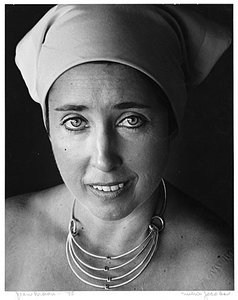
Joan Brown
1938 - 1990 , Egyesült Államok
Érdekességek
- Artistic Movement Or Style: Bay Area Figurative Mozgalom
- Artists Or Movements Influenced By This Artist: ['Funk Art']
- Artists Who Influenced This Artist:
- Elmer Bischoff
- Rembrandt
- Date Of Birth: Feb 13, 1938
- Date Of Death: Oct 26, 1990
- Full Name: Joan Vivien Beatty Brown
- Nationality: Amerikai
- Notable Artworks:
- Mademoiselle
- The Swimming Pool
- Place Of Birth: San Francisco, CA

