

 Előnézet
 Megosztás
 Megosztás
 Részletek
 Útmutató

 Letöltés
 Hasonló darabok
 X-ray felvétel
 Diavetítés
 Statisztika
The Four Elements: Air
 Oil On Canvas
- WallArt
- Dutch Golden Age
 1570
1570 157.0 x 214.0 cm
 Nemzeti Képtár (London)
 Tovább olvasom
Giclée / Műnyomat
Múzeumi minőségű giclée vagy vászonnyomat, gyors gyártással és rugalmas finomítási lehetőségekkel. ( Kézzel festett másolat vásárlása Áttérés digitális képre)




P118B Ft10

P118H Ft10

P118W Ft10

P438Z Ft10

P508JH Ft12

P508YH Ft12

P805H Ft10

P805Z Ft10

P919BZ Ft10

P919G Ft10

P919XJ Ft10

P959ZH Ft10

P968JZ Ft12

W106C Ft8

W218G Ft10

W218JH Ft8

W218Y Ft10

W307PJ Ft10

W316G Ft10

W316PJ Ft8

W316Y Ft10

W398PJ Ft8

W4111J Ft10

W500HY Ft15

W500JH Ft15

W692G Ft12

W849H Ft8

W940BG Ft15

W953PJ Ft8




Válasszon előre meghatározott méreteink közül, amelyek megfelelnek a műalkotás eredeti arányainak.

Type the width and the height you need, to fit your frame or your wall. A print can only be cut, never made bigger than the picture, so a size with a different shape loses a part of the image. We send you a digital mockup to approve before we print anything. The picture shown on this page does not show the real cut — only the mockup does.
Világszerte történő kiszállítás területére mindössze 2 hét alatt, a szokásos 4-5 hét helyett. (14 október)

Ingyenes globális expressz szállítás

Prémium minőségű len vászon

Teljes körű szállítási biztosítás

Vámvisszatérítési Garancia

Tökéletes színarányosság garancia

100 napos visszaküldési garancia (csak gyártási hibás termékek esetén)

100% pénzvisszatérítési garancia

Több darab vásárlásakor kedvezmény
 Az üvegkeretes opció csak 110 cm alatti méretben érhető el

The Four Elements: Air
Giclée / Műnyomat
Reprodukció méretei
-


Összesített ár
Ft 25362
The Four Elements: Air – A Window into 16th-Century Dutch Life
Joachim Beuckelaer’s “The Four Elements: Air,” painted in Antwerp around 1570, is more than just a depiction of a bustling marketplace; it's a vibrant snapshot of daily life, subtly interwoven with religious allegory and masterful artistic technique. This remarkable painting offers a captivating glimpse into the heart of the Dutch Golden Age, revealing not only the economic activity of a thriving town but also the prevailing worldview of its inhabitants. The scene unfolds within a stage-like composition, flattened perspective drawing the viewer into a dynamic tableau of merchants, shoppers, and the bounty of nature itself. The meticulous detail—from the folds of clothing to the textures of wooden stalls and overflowing baskets—is characteristic of Beuckelaer’s style, reflecting a deep engagement with the tangible world.
At first glance, the painting presents a familiar scene: a lively market square filled with activity. However, closer observation reveals layers of meaning. The profusion of food – birds, fruits, vegetables, and an abundance of fish – isn’t merely decorative; it's symbolic. Each element represents one of the four classical elements—earth, water, air, and fire—a concept deeply rooted in Renaissance thought. The air itself is embodied by the poultry market, dominated by a merchant skillfully handling chickens and other fowl. This focus on air subtly connects to the painting’s title and suggests a celebration of breath, vitality, and perhaps even freedom – qualities associated with this element.
A Biblical Backdrop and Subtle Symbolism
Adding another layer of complexity is the inclusion of a biblical scene in the background: the Prodigal Son. This narrative, drawn from Luke’s Gospel, serves as a potent moral counterpoint to the earthly pleasures depicted in the foreground. The young man, identifiable by his red trousers, is shown indulging in lavish living – a stark contrast to the virtuous return of the repentant son. Beuckelaer masterfully integrates this religious tale into the everyday scene, suggesting that worldly pursuits should be tempered with spiritual reflection and a recognition of divine guidance.
Beyond the biblical reference, numerous other symbolic details enrich the painting’s meaning. The careful arrangement of goods—the vibrant colors, the varied textures—evokes prosperity and abundance. The presence of animals, particularly birds, often symbolized hope and renewal in 16th-century art. Even seemingly mundane objects – a wooden coop, a basket overflowing with produce – are rendered with such precision that they become imbued with significance. The artist’s attention to detail isn't simply about realism; it’s about creating a world rich in visual and symbolic resonance.
Technique and the Legacy of Beuckelaer
“The Four Elements: Air” is executed in oil on canvas, utilizing a technique characterized by meticulous brushwork and layered colors to create depth and texture. The artist skillfully employs chiaroscuro – the contrast between light and shadow – to model forms and enhance the sense of volume. Lines are predominantly curved and flowing, mirroring the movement of people and goods within the scene, contributing to its dynamic feel. Beuckelaer’s work stands as a pivotal moment in art history, marking a shift towards celebrating everyday life and elevating commonplace subjects to artistic prominence.
Joachim Beuckelaer's influence extended beyond his own paintings; he was known for incorporating elements from the works of his predecessors, particularly Pieter Aertsen. This practice—known as ‘staffage’—involved adding figures or garments to existing compositions, a technique that further solidified his position as a key figure in the development of still life painting and market scenes. His legacy continues to inspire artists today, demonstrating the power of observation, symbolism, and technical mastery.
Bringing “The Four Elements: Air” Home
OriginalUniqueArt offers exquisite hand-painted reproductions of Joachim Beuckelaer’s “The Four Elements: Air,” allowing you to bring this captivating masterpiece into your home or office. Our skilled artists meticulously recreate the painting's intricate details, vibrant colors, and atmospheric depth, ensuring a faithful representation of Beuckelaer’s original vision. Whether you are an art enthusiast, a collector, or simply seeking a stunning piece of decorative art, our reproduction provides a beautiful and authentic way to experience this remarkable work of art.
Explore the full artwork details and dimensions on our website: The Four Elements: Air.
Gyakran Ismételt Kérdések
Milyen színharmóniát mutat be „The Four Elements: Air”, Beuckelaer Joachim alkotása?
A „The Four Elements: Air”, Beuckelaer Joachim alkotása színei Strong Color Unity harmóniát mutatnak bemutatni. A harmónia azt írja le, hogyan kapcsolódnak egymáshoz a színek.
Milyen érzést kelt „The Four Elements: Air”, Beuckelaer Joachim alkotása színei?
A "The Four Elements: Air" alkotásban a Earthy színek Nostalgic érzetet kölcsönöznek.
Hogyan tölthetem le a(z) „The Four Elements: Air”, Beuckelaer Joachim alkotása képét?
A „The Four Elements: Air”, Beuckelaer Joachim alkotása képe letölthető a mű alkotásának Letöltés oldaláról: magas felbontású digitális kép letöltés.
A művész életrajza
A Mindennapi Életbe Általánosított: Joachim Beuckelaer és a Csendélet Hajnala
Joachim Beuckelaer, akinek a neve talán kevésbé ismerős, mint kortársainak, kulcsfontosságú helyet foglal el a flamand festészet történetében. Körülbelül 1533-ban született Antwerpenben, amely akkoriban az művészi innovációk pulzáló központja volt, és mesterré vált a piacok és konyhák nyüzsgő világát ábrázoló jelenetekben. Ezek nem csupán a mindennapi élet áttételei voltak; gondosan megkomponált történetek, amelyek finom vallási szimbólumokkal szövevényeződtek, jelezték a művészi fókusz eltolódását – egy mozdulat a hagyományos spirituális témák mellett a létezés kézzel fogható valóságainak megfigyelésére és ünneplésére. Beuckelaer nem csupán azt festette, amit látott; az hétköznapiakat is művészi figyelmességre méltó szintre emelte, megalapozva ezzel a csendélet önálló műfajaként való fejlődését. Családja művészetben gyökerezett – apja, Mattheus Beuckeleer és nagybátyja, Pieter Aertsen is elismert festők voltak – ami korán expozíciót és képzést biztosított számára. Pontosan a nagybátyja műhelyében csiszolta ki a készségeit, elsajátítva Aertsennel piacjelenetek úttörő megközelítését, mielőtt végül meghaladta őt a technikai tudásban és árnyalt történetmesélésben.Az Antwerpeni Műhely és a Művészi Fejlődése
Az 16 századi Antwerpen kereskedelem és kultúra virágzó központja volt, és Beuckelaer művészete ezt az energiát tükrözi. 1560-ban független mesterré vált a Szent Lukács Céhben, megerősítve helyét a művészi közösségben. Nem csupán Aertsen stílusát másolta azonban; finomította azt, rétegeket adva hozzá a komplexitáshoz és részletekhez. Miközben Aertsennél gyakran egyfajta kaotikus bőség dominált, Beuckelaer nagyobb rendet és tisztaságot hozott kompozíciói számára. Jelenetei gondosan elrendezettek, minden tárgy lenyűgöző pontossággal van ábrázolva – a halak csillogó pikkelyei, a gyümölcs teltsége, az ónedények fényessége. Ez a realizmus iránti odaadás nem csupán technikai készség volt; arról szólt, hogy ezeket a hétköznapi tárgyakat jelenlévővé és jelentőségteljessé tegye. A *Négyszermű* sorozat tökéletes bizonyítékát adja ennek a megközelítésnek – olyan festmények, amelyek halpiacokat ábrázolnak, miközben finoman utalnak bibliai történetekre, tizenkétféle halat mutatva be az apostolok szimbólumaként, és Krisztus kenyérrel és halakkal való csodája a háttérben bontakozik ki. Ez a profán és a szent zökkenőmentes ötvözésének képessége vált munkájának védjegyévé.Konyhák Vászolnak: Szimbolizmus és Narratíva
A piacjelenetek mellett Beuckelaer kiemelkedett a konyhákat ábrázoló festményekben is – olyan terek, amelyek tevékenységekkel és szimbolikus potenciállal voltak tele. A Konyhai jelenet Krisztussal Emmausban című műve például különösen figemlő példája innovatív megközelítésének. Nem csupán a bibliai történetet ábrázolja egy különálló jelenetben; közvetlenül a konyha nyüzsgő környezetébe integrálja azt, ahol az étel elkészítésére készülnek. Ez a juxtapozíció erős azonnali érzetet kelt és arra ösztönzi a nézőt, hogy elgondolkodjon a mindennapi cselekedetek spirituális jelentőségén. A jelenetben található ételek bősége nem csupán dekoratív elem volt; gyakran szimbolikus súllyal bírt – a jólétet, a termékenységet vagy akár a kísértést is jelképezte. Beuckelaer képessége abban rejlett, hogy ezeknek a látszólag banális helyszíneknek rétegeit adva jelentéssel telivé tette őket, átváltoztatva őket megragadó vizuális narratívává. Merészkedett tiszt csendélet kompozíciók felé is, mint például a Halászati jelenet (1563), amely az egyik legkorábbi datált példa ezen a témán, tovább bizonyítva részletességének és realizmusának mesterségét, valamint a művészi konvenciók határait feszegeti.Örökség és Hatás: Híd Az Új Művészi Horizontokhoz
Joachim Beuckelaer hatása messze túlterjedt saját élete határain. A mindennapi élet részletes ábrázolásai új generációk művészeit terelte el, akik tovább kutatták a csendélet festészetének lehetőségeit. Olyan művészek, mint Frans Snyders, aki gazdag és kidíszített élelmiszerábrázolásokról volt ismert, közvetlenül Beuckelaer által lerakott alapokra építettek. Hatása nem korlátozódtott a Észak-Európára; munkája olasz festőket is megérintett, mint Vincenzo Campi, ami bizonyítja innovatív megközelítésének széleskörű vonzerejét. A vallási témák elsődleges hangsúlyától elmozdulva a profánabb tárgyak felé – miközben finom spirituális alázatot tartott fenn – Beuckelaer kulcsfontosságú szerepet játszott a flamand művészet átalakításában és azokat a művészi trendeket előrevetítette, amelyek meghatározták a következő évszázadokat. Körülbelül 1573-ban halt meg, egy olyan munkakörnyezetet hagyva maga után, amely továbbra is lenyűgözi és inspirálja, emlékeztetve minket az szépségre és jelentőségre, ami a mindennapi élet hétköznapi pillanataiban rejtőzik.
Beuckelaer Joachim
1533 - 1573 , Belgium
Gyors információk
- Halálozási Dátum: kb. 1573
- Jelentős Művek:
- Négy elem sorozat
- Konyhai jelenet Krisztussal
- Hústányér csendélete
- Művészek, Akik Hatottak Rá: ['Pieter Aertsen']
- Művészek/Mozgások, Amelyeket Befolyásolt:
- Frans Snyders
- Vincenzo Campi
- Művészeti Irányzat: Észak-reneszánsz
- Nemzetiség: Flandriai
- Születési Dátum: kb. 1533
- Születési Hely: Antwerpen, Belgium
- Teljes Név: Joachim Beuckelaer
Kapcsolódó cikkek
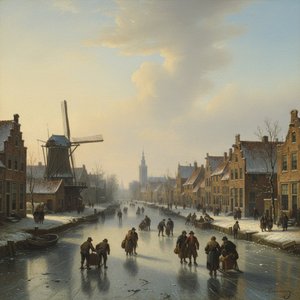
Charles Leickert: Capturing the Dutch Golden Age Light – A Comprehensive Study of Technique, Context, and Legacy
Explore the captivating winter landscapes of Charles Leickert, a master of Dutch Golden Age light & atmosphere. Discover his techniques, symbolism, and lasting legacy – a comprehensive study for art enthusiasts and collectors.

Illuminating Innovation: Exploring the Dutch Golden Age of Painting
Explore the Dutch Golden Age of painting with OriginalUniqueArt. Discover Rembrandt, Vermeer & other Masters. Learn about key characteristics, iconic artworks, and lasting influence. Expert insights for collectors & enthusiasts.

A Hollandi Aranykor 10 Mesterműve: Festmények, Amelyek Megváltoztatták a Világot | OriginalUniqueArt.com
Fedezze fel a Hollandi Aranykor 10 legikonikusabb műalkotását! Rembrandt, Vermeer és más mesterek festményeinek történeteit olvassa el. Barokk stílus, klasszikus művészet – inspirálódjon otthon dekorációjához a OriginalUniqueArt.com-on! Fedezze fel a teljes gyűjteményt online.

Golden Age Reflections: Dutch Baroque Painting & Cultural Innovation
Explore the Dutch Golden Age of painting! Discover key artists like Vermeer & ter Borch, their innovative techniques, and the rich cultural context behind these Baroque masterpieces. Learn about collecting & appreciating this iconic art period.
Illuminating Realism: Exploring the Dutch Golden Age of Painting (1600-1700)
Explore the Dutch Golden Age of painting (1600-1700) with OriginalUniqueArt. Discover Rembrandt, Vermeer & other masters. Learn about techniques, history & find museum-quality reproductions.

