

 Előnézet
 Megosztás
 Megosztás
 Részletek
 Útmutató

 Letöltés
 Hasonló darabok
 X-ray felvétel
 Diavetítés
 Statisztika
NCU rector
 Renaissance Drawing
 1946
1946 66.0 x 78.0 cm
 Nicolaus Copernicus University in Toruń
 Tovább olvasom
Az ezen az oldalon megjelenített műalkotások szerzői jogi védelem alatt állnak, ami azt jelenti, hogy törvényileg nem készíthetünk és nem adhatunk el belőlük pontos másolatokat. Ez a védelem olyan nemzetközi megállapodások alapján érvényesül, mint például a Berni Egyezmény és a nemzeti törvények által, beleértve azokat is, amelyeket meghatározott Az USA szerzői jogi törvénye – 17. cím.
Ez a módszer teljes mértékben megfelel a szerzői jogi szabályozásnak, mivel nem tartalmazza a védett műalkotás másolását vagy duplikálását. Ehelyett ez egy kreatív újinterpretáció – egy új festmény, amely az eredetivel való összefüggései miatt hatással van rá, de nem az az.
Giclée / Műnyomat
Múzeumi minőségű giclée vagy vászonnyomat, gyors gyártással és rugalmas finomítási lehetőségekkel. ( Kézzel festett másolat vásárlása Áttérés digitális képre)




































Válasszon előre meghatározott méreteink közül, amelyek megfelelnek a műalkotás eredeti arányainak.

Írja be a keretének vagy a falának megfelelő szélességet és magasságot. A nyomatot csak le lehet vágni, soha nem tehető nagyobbá, mint az eredeti kép, így egy eltérő alakú méretnél a kép egy része elveszik. Mielőtt bármit kinyatintanánk, küldünk egy digitális próbamodellt jóváhagyásra. Az oldalon látható kép nem tartalmazza a valós levágást — ezt csak a próbamodell mutatja meg.
Világszerte történő kiszállítás területére mindössze 2 hét alatt, a szokásos 4-5 hét helyett. (22 október)

Ingyenes globális expressz szállítás

Prémium minőségű len vászon

Teljes körű szállítási biztosítás

Vámvisszatérítési Garancia

Tökéletes színarányosság garancia

100 napos visszaküldési garancia (csak gyártási hibás termékek esetén)

100% pénzvisszatérítési garancia

Több darab vásárlásakor kedvezmény
 Az üvegkeretes opció csak 110 cm alatti méretben érhető el

NCU rector
Giclée / Műnyomat
Reprodukció méretei
-


Összesített ár
Ft 25565
A művész életrajza
A Life Forged in the Crucible of Conflict
Jerzy Hoppen, born in the vibrant yet turbulent atmosphere of Warsaw in 1891, lived a life that was inextricably woven into the seismic shifts of twentieth-century European history. His early years were not merely defined by the quiet study of aesthetics, but by the profound upheaval of the Great War and the Russian Revolution. Serving within the Russian army and later the Polish 5th Siberian Rifle Division, Hoppen experienced the fragmentation of empires firsthand. This period of immense instability served as a powerful, albeit harrowing, foundation for his artistic development, instilling in him a resilience and a deep understanding of the fragility of culture that would later permeate his work as a painter, graphic artist, and historian.The Architect of Graphic Traditions
As the dust of global conflict began to settle, Hoppen sought to build something enduring from the remnants of chaos. His move to Vilnius marked a transformative era in his career, where he transitioned from a soldier of war to a pioneer of the arts. It was in this historic city that he established the Vilnius School of Graphics, a monumental achievement that brought academic rigor and new creative vitality to the region. Hoppen was far more than a mere practitioner of printmaking; he was a scholar, an educator, and a conservator who approached every line and texture with the precision of an art historian. His influence radiated through the university, where he nurtured a generation of artists, blending the classical traditions of Polish graphic arts with a modern, scholarly depth that resonated across Europe.Artistry Amidst the Shadows of Resistance
The onset of World War II brought a new and perilous chapter to Hoppen’s life, testing the intersection of his creative talent and his moral conviction. During the occupation, he became an active participant in the Polish resistance movement, utilizing his mastery of graphic techniques for a much more clandestine and vital purpose: the production of false documents. In this high-stakes environment, his artistry became a tool of survival and defiance, proving that the hand of the artist could serve as a shield for the oppressed. This period of intense, secret labor underscored the profound social responsibility he felt toward his nation and his craft.A Legacy Reborn in Toruń
In the aftermath of the war's devastation, Hoppen’s journey led him to Toruń in 1946, where he embarked on a final, triumphant chapter of reconstruction. Here, he founded the Toruń School of Graphics, continuing his lifelong mission to institutionalize artistic excellence and preserve the heritage of Polish art. His life's work—spanning painting, graphic arts, and the meticulous study of art history—stands as a testament to the enduring power of the human spirit. Through his dedication to education and his ability to find beauty and utility within the darkest of historical moments, Jerzy Hoppen left an indelible mark on the landscape of Polish culture, ensuring that the traditions he loved would continue to flourish for generations to come.
Jerzy Hoppen
1891 - 1969 , Poland
Gyors információk
- Full Name: Jerzy Hoppen
- Nationality: Polish
- Date Of Birth: 1891
- Date Of Death: 1969
- Place Of Birth: Warsaw, Poland
- Artistic Movement Or Style: Graphic arts, painting
- Artists Or Movements Influenced By This Artist:
- Vilnius School of Graphics
- Toruń School of Graphics
Kapcsolódó cikkek
The Alchemy of Carbon: Mastering Depth, Texture, and Precision in the Art of Graphite Drawing
Discover the sophisticated mastery of graphite drawing. Explore expert techniques for achieving profound depth, intricate texture, and hyper-realistic detail through the alchemy of carbon, curated for the discerning art enthusiast and professional collector.
The Power of Graphite: Mastering Depth, Texture, and Detail in the Art of Pencil Drawing
Explore the profound artistry of graphite drawing. Discover professional techniques for mastering depth, texture, and detail through a lens of art history, from classical sketches to modern masterpieces. Elevate your understanding of the pencil medium with our expert guide.
The Eloquent Line: Exploring the Artistic Significance of Sketches Across Movements and Media
Explore the profound artistic significance of sketches throughout history. From Renaissance masters to modern innovators like Van Gogh & Guston, discover how these foundational works reveal technique, emotion, and vision. Learn more at OriginalUniqueArt.
The Alchemy of Graphite: An Expert Guide to Mastering Detail and Depth in Pencil Sketching
Unlock the secrets of graphite sketching with our expert guide for art students. Learn to master pencil grades, create realistic depth, and capture intricate textures through professional techniques designed to elevate your observational drawing skills.
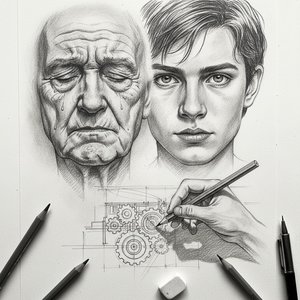
The Nuances of Graphite: Exploring Emotional Depth & Technical Mastery in Pencil Drawing
Explore the captivating world of graphite drawing! Discover its rich history, master essential techniques like chiaroscuro, and learn how artists evoke emotion through this timeless medium. Expert insights for art enthusiasts.