
 Megtekintés
 Küldés
 Megosztás
 Részletek
 Útmutató

 Letöltés
 Hasonló darabok
 X-ray felvétel
 Diavetítés
 Kérdések és válaszok
 Statisztika
Six Fish and Bird

- 122.0 x 202.0 cm


 Összes részlet megjelenítése
Az ezen az oldalon megjelenített műalkotások szerzői jogi védelem alatt állnak, ami azt jelenti, hogy törvényileg nem készíthetünk és nem adhatunk el belőlük pontos másolatokat. Ez a védelem olyan nemzetközi megállapodások alapján érvényesül, mint például a Berni Egyezmény és a nemzeti jogszabályok által, beleértve azokat is, amelyeket meghatározott Az USA szerzői jogi törvénye – 17. cím.
Ez a módszer teljes mértékben megfelel a szerzői jogi szabályozásnak, mivel nem tartalmazza a védett műalkotás másolását vagy duplikálását. Ehelyett ez egy kreatív újinterpretáció – egy új festmény, amely az eredetivel való összefüggései miatt hatással van rá, de nem az az.
Giclée / Műnyomat
Múzeumi minőségű giclée vagy vászonnyomat, gyors gyártással és rugalmas finomítási lehetőségekkel. ( Kézzel festett másolat rendelése Áttérés digitális képre)




P118B Ft10

P118H Ft10

P118W Ft10

P438Z Ft10

P508JH Ft12

P508YH Ft12

P805H Ft10

P805Z Ft10

P919BZ Ft10

P919G Ft10

P919XJ Ft10

P959ZH Ft10

P968JZ Ft12

W106C Ft8

W218G Ft10

W218JH Ft8

W218Y Ft10

W307PJ Ft10

W316G Ft10

W316PJ Ft8

W316Y Ft10

W398PJ Ft8

W4111J Ft10

W500HY Ft15

W500JH Ft15

W692G Ft12

W849H Ft8

W940BG Ft15

W953PJ Ft8




Válasszon előre meghatározott méreteink közül, amelyek megfelelnek a műalkotás eredeti arányainak.

Írja be a keretének vagy a falának megfelelő szélességet és magasságot. A nyomatot csak le lehet vágni, soha nem tehető nagyobbá, mint az eredeti kép, így egy eltérő alakú méretnél a kép egy része elveszik. Mielőtt bármit kinyatintanánk, küldünk egy digitális próbamodellt jóváhagyásra. Az oldalon látható kép nem tartalmazza a valós levágást — ezt csak a próbamodell mutatja meg.
Világszerte történő kiszállítás területére mindössze 2 hét alatt, a szokásos 4-5 hét helyett. (5 november)

Ingyenes globális expressz szállítás

Prémium minőségű len vászon

Teljes körű szállítási biztosítás

Vámvisszatérítési Garancia

Hiteles színarányosság garancia

100 napos visszaküldési lehetőség (csak hibás termékek esetén)

100% pénzvisszatérítési garancia

Több darab vásárlásakor kedvezmény
 Az üvegkeretes opció csak 110 cm alatti méretben érhető el

Six Fish and Bird
Giclée / Műnyomat
Reprodukció mérete
-


Összesített ár
Ft 26492
A Vibrant Symphony of Life: Jean Philippe Arthur Dubuffet’s “Six Fish and Bird”
This captivating artwork, "Six Fish and Bird," produced in 1943 by the pioneering French artist Jean Philippe Arthur Dubuffet, offers a compelling glimpse into the burgeoning world of 20th-century art. Measuring 122 x 202 cm, this piece immediately draws the eye with its exuberant palette and dynamic composition – a testament to Dubuffet’s radical departure from traditional academic painting. The scene unfolds as a lively tableau populated by six fish and four birds, each rendered with a raw, almost primal energy that would come to define Dubuffet's signature style of “Art Brut.” The work speaks to a desire for authenticity and an embrace of the unrefined, qualities that resonated deeply within the artist’s own explorations.
The Roots of Art Brut: A Rejection of Convention
- Dubuffet's Philosophy: Dubuffet emerged as a key figure in the movement known as “Art Brut,” or raw art. This artistic current, championed by artists like Jean Arp and André Masson, sought to liberate painting from the constraints of established academies and bourgeois tastes. “Art Brut” valued direct expression, often utilizing unconventional materials and techniques – a stark contrast to the polished realism favored by many contemporary artists.
- Influence of Surrealism: While distinct from Surrealism’s dreamlike imagery, Dubuffet's work shares a similar impulse toward spontaneity and subconscious exploration. The seemingly random arrangement of fish and birds reflects a desire to tap into primal instincts and unfiltered emotions.
- The Importance of Process: Dubuffet prioritized the act of painting itself over the finished product. His technique involved applying paint with his hands, sticks, or other improvised tools, resulting in textured surfaces and gestural marks that convey a sense of immediacy and energy.
Subject Matter and Composition – A Study in Movement
The composition of “Six Fish and Bird” is deliberately chaotic yet carefully balanced. The six fish, depicted in varying sizes and orientations, create a dynamic flow across the canvas, while the four birds introduce an element of aerial movement. The artist’s focus on everyday subjects – animals found in nature – elevates them to symbolic significance. The fish, often associated with fertility, abundance, and transformation, alongside the birds representing freedom, spirituality, and transcendence, contribute to a layered narrative. The placement of the figures within cramped spaces, reminiscent of Dubuffet's later work, adds a psychological dimension, suggesting a confrontation with the raw realities of human existence.
Historical Context and Emotional Impact
Created in 1943 during World War II, “Six Fish and Bird” reflects the anxieties and uncertainties of the era. The artwork’s bold colors and unrestrained style can be interpreted as a defiant response to the imposed order and control of the time. Dubuffet's focus on simple subjects – animals – offers a grounding element amidst the chaos of war, suggesting an enduring connection to nature and the fundamental rhythms of life. The painting evokes a sense of vitality and primal energy, inviting viewers to contemplate themes of survival, freedom, and the beauty found in the natural world. This reproduction captures that raw emotion and vibrant spirit perfectly.
Kérdések és válaszok
Milyen színintenzitással rendelkezik a „Six Fish and Bird”, Jean Philippe Arthur Dubuffet alkotása?
A "Six Fish and Bird" színtelítettsége Vivid. Az intenzitás azt mutatja meg, mennyire erőteljesnek tűnnek a színek.
Milyen reprodukciós méretet javasol a „Six Fish and Bird”, Jean Philippe Arthur Dubuffet alkotása alkotáshoz?
A „Six Fish and Bird”, Jean Philippe Arthur Dubuffet alkotása ajánlott nyomtatási mérete: Large.
Milyen anyagból készült a "Six Fish and Bird"?
A "Six Fish and Bird" alkotás Acrylic On Canvas technikával készült.
A művész életrajza
Jean Dubuffet: A Rebel of the Canvas
Jean Philippe Arthur Dubuffet, a name synonymous with raw emotion and revolutionary artistic practice, emerged from the vibrant cultural landscape of early 20th-century France. Born in Le Havre on July 31st, 1901, into a family of successful wine merchants – a lineage that would subtly influence his later work – Dubuffet’s life was marked by an initial rejection of conventional artistic training and a relentless pursuit of authenticity. His early years were shaped by the bohemian atmosphere of Paris, where he encountered influential figures like Juan Gris, André Masson, and Fernand Léger, all members of the prestigious Académie Julian. However, disillusioned with the rigid structure of academic art, Dubuffet swiftly departed, embarking on an independent journey fueled by a profound dissatisfaction with established artistic norms. This departure wasn’t merely stylistic; it represented a fundamental rejection of societal expectations and a yearning for a more direct, visceral connection to creative expression.The Genesis of Art Brut
Dubuffet's artistic trajectory took a decisive turn in 1942 with the founding of “Art Brut,” a term he coined himself to describe a unique form of art that existed outside the confines of traditional galleries and institutions. Inspired by the drawings of children, the graffiti of Parisian streets, and the works produced by mentally ill patients – all considered ‘low’ or ‘primitive’ forms of expression – Dubuffet sought to elevate these overlooked creations to the status of genuine artistic merit. He believed that true art resided not in polished technique or adherence to academic rules, but in unfiltered emotion, spontaneous gesture, and a rejection of artificiality. This philosophy extended beyond his own work; he actively collected “Art Brut” pieces, creating a vast and influential collection that served as both inspiration and documentation for his movement. The concept of Art Brut wasn’t simply about embracing the unconventional; it was a deliberate critique of the art establishment and its tendency to privilege certain forms of artistic expression over others.Technique and Materials: A Dialogue with the Unseen
Dubuffet's artistic process was as radical as his philosophical stance. He eschewed traditional painting techniques, favoring instead a visceral approach that involved layering materials such as mud, sand, coal dust, and even burlap onto the canvas. His signature technique, “hautes pâtes” (thick impastoes), created textured surfaces that seemed to pulsate with raw energy. Influenced by Jean Fautrier’s expressive use of mixed media, Dubuffet employed a palette dominated by earthy tones – ochres, browns, and grays – reflecting his fascination with the natural world and its inherent imperfections. He often worked directly on the canvas, applying paint with his hands or using unconventional tools, creating works that were both physically imposing and emotionally charged. This tactile approach wasn’t merely about adding texture; it was a deliberate attempt to break down the barrier between the artist and the material, forging a direct connection through physical engagement.International Recognition and Legacy
Dubuffet's work gained significant recognition in America during the 1960s, largely thanks to the efforts of Pierre Matisse, a prominent dealer and art critic. His exhibitions at Galerie René Drouin in Paris and later at prestigious galleries like the Guggenheim Museum in New York cemented his position as a leading figure in post-war European art. He became associated with movements such as Informel (Informalism), though he resisted being neatly categorized within any single label. Dubuffet’s legacy extends far beyond his own lifetime, profoundly influencing generations of artists who embraced spontaneity, experimentation, and a rejection of conventional artistic values. His pioneering role in the “Art Brut” movement continues to inspire artists worldwide, reminding us that true art can be found in the most unexpected places – in the raw, unfiltered expressions of human experience. He died on May 12th, 1985, leaving behind a body of work that remains both challenging and deeply rewarding.Key Dates
- July 31, 1901: Born in Le Havre, France
- May 12, 1985: Died in Paris, France
Notable Art Movement
- Art Brut

Jean Philippe Arthur Dubuffet
1901 - 1985 , Franciaország
Rövid információk
- Artistic Movement Or Style: École de Paris, Art Brut
- Artists Or Movements Influenced By This Artist: ['Jean fautrier']
- Artists Who Influenced This Artist:
- Juan Gris
- André Masson
- Fernand Léger
- Date Of Birth: 1901. 31. július
- Full Name: Jean Philippe Arthur Dubuffet
- Nationality: Francia
- Notable Artworks:
- Weaver's vision
- Comings and goings
- Scenic triplex
- Place Of Birth: Le Havre, Franciaország
Kapcsolódó cikkek

Fernand Léger Mesterművei: A 25 Legikonikusabb Kép a Modern Művészetben | OriginalUniqueArt
Fedezze fel Fernand Léger 25 legikonikusabb műalkotását! Ismerje meg a kubizmus, a tubizmus mesterét és a gépi kor lenyűgöző festményeit. Múzeumi minőségű vászonképek és poszterek a OriginalUniqueArt-on. Explore the full collection online!

Absztrakt Expresszionizmus Mesterei: 10 alkotás, ami meghatározta a művészetet | OriginalUniqueArt.com
Fedezze fel a 10 legikonikusabb absztrakt expresszionista alkotást! Ismerje meg Jackson Pollock, Mark Rothko és más mesterek történetét. Művészeti reprodukciók prémium minőségben – OriginalUniqueArt.com.

Kandinsky Mesterművei: 25 Lenyűgöző Festmény a Modern Művészet Gyöngyszemeiből | OriginalUniqueArt
Fedezze fel Wassily Kandinsky 25 legikonikusabb művét! Merüljön el az absztrakt művészet világában, ismerje meg a színek és formák lenyűgöző történetét. Prémium minőségű reprodukciók és inspiráló dekorötletek a OriginalUniqueArt.com-on.

Geometrikus Absztrakció Mesterei: 10 Alapvető Műalkotás a Lakberendezéshez
Fedezze fel a geometrikus absztrakció 10 legikonikusabb műalkotását! Kandinsky, Mondrian és más mesterek festményeinek története inspirálja otthona dekorációját. Múzeumi minőségű reprodukciók a OriginalUniqueArt.com-on – fedezze fel online!
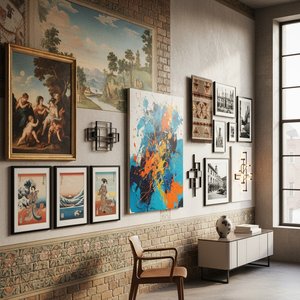
Transforming Spaces: A Comprehensive Exploration of Wall Decor Through Art History & Contemporary Practice
Explore the art of transforming spaces with our comprehensive guide to wall decor. From historical movements to contemporary trends, discover how to curate impactful interiors and commission bespoke artwork for a truly personalized aesthetic.