

 Megtekintés
 Küldés
 Megosztás
 Részletek
 Útmutató

 Letöltés
 Hasonló darabok
 X-ray felvétel
 Diavetítés
 Statisztika
Erő


 Összes részlet megjelenítése
Giclée / Műnyomat
Múzeumi minőségű giclée vagy vászonnyomat, gyors gyártással és rugalmas finomítási lehetőségekkel. ( Kézzel festett másolat rendelése Áttérés digitális képre)




P118B Ft10

P118H Ft10

P118W Ft10

P438Z Ft10

P508JH Ft12

P508YH Ft12

P805H Ft10

P805Z Ft10

P919BZ Ft10

P919G Ft10

P919XJ Ft10

P959ZH Ft10

P968JZ Ft12

W106C Ft8

W218G Ft10

W218JH Ft8

W218Y Ft10

W307PJ Ft10

W316G Ft10

W316PJ Ft8

W316Y Ft10

W398PJ Ft8

W4111J Ft10

W500HY Ft15

W500JH Ft15

W692G Ft12

W849H Ft8

W940BG Ft15

W953PJ Ft8




Válasszon előre meghatározott méreteink közül, amelyek megfelelnek a műalkotás eredeti arányainak.

Írja be a keretének vagy a falának megfelelő szélességet és magasságot. A nyomatot csak le lehet vágni, soha nem tehető nagyobbá, mint az eredeti kép, így egy eltérő alakú méretnél a kép egy része elveszik. Mielőtt bármit kinyatintanánk, küldünk egy digitális próbamodellt jóváhagyásra. Az oldalon látható kép nem tartalmazza a valós levágást — ezt csak a próbamodell mutatja meg.
Világszerte történő kiszállítás területére mindössze 2 hét alatt, a szokásos 4-5 hét helyett. (27 október)

Ingyenes globális expressz szállítás

Prémium minőségű len vászon

Teljes körű szállítási biztosítás

Vámvisszatérítési Garancia

Hiteles színarányosság garancia

100 napos visszaküldési lehetőség (csak hibás termékek esetén)

100% pénzvisszatérítési garancia

Több darab vásárlásakor kedvezmény
 Az üvegkeretes opció csak 110 cm alatti méretben érhető el

Erő
Giclée / Műnyomat
Reprodukció mérete
-


Összesített ár
Ft 25827
Jean Louis Nicolas Jaley és „Erő” – Egy Parisi Elegancia Szimbolizmusának Megköszönése
A francia művészet második fejezete, amikor az École des Beaux-Arts új irányokat mutatott és az impresszionizmus után egy új korszak kezdődött meg, Jean Louis Nicolas Jaley (1802–1866) neve jelentősége nagyra nőtt. Egy olyan szobrász volt, aki nem csak a művészi hagyományokhoz igazult, hanem egy időszak meghatározó alakja lett Franciaország története és kultúrájának megörökítésében.
Jaley életének előtti évei és tanulmányai különösen fontos szerepet játszanak az ő művészi fejlődésében. Szülőhelye Párizs volt, ahol apja, Louis Jaley (1763–1838), egy kiváló öntözőművész volt, aki mély megismerést tanított el neki a részletesség és az aprólékosság művészi értékének szükségességéről. Ez a korai befolyás nagyban hozzájárult Pierre Car ő művészi érzékehez és kreativitához.
A Szobrászat Népi Szerkezete és Érzelmi Mélysége
Jaley művészete egyértelműen a klasszikus hagyományokra épült, ugyanakkor új perspektívákat kínált fel az időszak számára. Az ő művei nem csak technikailag magas színvonalúak voltak, hanem képesek voltak kifejezni az érzelmeket és gondolatokat is. Ez különösen igaz az „Erő” című alkotására.
Az alkotás egy háromnegyedes tájolásban álló szobor, amely egy női alakot ábrázol – gyakran Minerva vagy más istennő szerepéhez köthető –, aki egy kard és egy páncél tartását jelenti. Ez a ruházat jelzi az istennők által használt páncélt, ami tipikus a görög mitológia képviseletében. Az alkotás környezete épületkomponenseket tartalmaz – főként oszlopokat és dísztáblákat –, melyek tovább erősítik az időszak klasszikus estetikai jellegét.
A Palais de Justice Szimbolikus Megköszönése
Az „Erő” szobor egy különleges projekt része volt: a Párizsi Justíciális Palota díszítése. Az épület felújítására 1859 és 1868 között került sor, melyet hat alegóriás alak dekorált – Értelmet és igazságot, Erőt és védelmet képviselő szoborokat alkotottak Dumont, Jaley és Jouffroy művészek közös erővel. Ez volt az új korszak jellemzője: a művészi munka nagy részét szakember végezte el, ami nem eredményezett sokszínű képet – az egyéni művészi személyiség azonban gyakran átlagosan helyettesült.
A szobor kiválóan tükrözte az időszak művészi irányzatát és érzelmi mélységét. Jaley nagy tudása és precizitása lehetővé tette számára, hogy egy igazán maradéktalan alkotást készítsen – egy olyan művet, amely örökké megmarad Franciaország története és kultúrájának szimbolikus bizonyítékaként.
Kérdések és válaszok
Van-e útmutató a(z) „Erő”, Jean Louis Nicolas Jaley alkotása alkotáshoz?
A „Erő”, Jean Louis Nicolas Jaley alkotása Útmutató oldala egy kinyomtatható, kétoldalas információs adatlapot kínál: magát a műalkotást az azonosító táblázattal, egy időrendi sávot, amely a művész életkorába helyezi a alkotást, a művész további treballatait, a megmért színpalettát, valamint négy különböző stílusban, azonnal másolható idézeteket.
Milyen nemzetiség áll a „Erő” Neoclassical Style-ének hátterében?
A Neoclassical Style korszak alkotása, a "Erő", egy France-ban született művész munkája.
A „Erő”, Jean Louis Nicolas Jaley alkotása jogtalanul védett (public domain)?
A szerzői jogokkal kapcsolatban a "Erő" mű közösségi tulajdon – a szerzői jog lejártt.
A művész életrajza
Jean-Louis Nicolas Jaley (1802–1866): Sculptor of Parisian Elegance
Jean-Louis Nicolas Jaley (August 27, 1802 – May 30, 1866) stands as a pivotal figure in the artistic landscape of mid-nineteenth century France, primarily recognized for his contributions to sculpture during the reign of Louis Philippe I and the Second Empire. Though overshadowed by contemporaries like Alexandre Baryshnikov and François Rude, Jaley’s meticulous craftsmanship and dedication to capturing refined beauty cemented his place within the École des Beaux-Arts—the prestigious Parisian art academy that shaped generations of sculptors—and ensured a lasting legacy in monumental works celebrating French history and culture.- Early Life and Education: Born in Paris, Jaley’s artistic inclinations were nurtured under the tutelage of his father, Louis Jaley (1763–1838), a distinguished medal engraver who instilled in him a profound appreciation for detail and precision. This formative influence extended to Pierre Cartellier, another influential sculptor whose teachings further honed Jaley's technical skills.
- The Prix de Rome Triumph: Arguably Jaley’s most celebrated achievement arrived in 1827 when he secured the Prix de Rome—the foremost artistic scholarship awarded by the Académie Française—with a bas-relief depicting Mucius Scævola devant Porsenna. This victory propelled him to prominence and established his reputation as one of France's brightest sculptural talents.
A Sculptor’s Patronage: Collaborations with Royalty and Artistic Movements
Jaley’s artistic career flourished amidst the opulent patronage of the Bourbon monarchy and the burgeoning Second Empire. He became a favored sculptor for Louis Philippe I, undertaking commissions that showcased his mastery in capturing aristocratic grandeur and embodying ideals of civic virtue. Notably, he sculpted statues honoring Jean Sylvain Bailly—the President of the National Convention during the French Revolution—and Victor Riqueti, Marquis de Mirabeau—a charismatic orator who championed constitutional reform—for the Chambre des Députés (National Assembly) in Paris. These monumental works exemplify Jaley’s commitment to commemorating historical figures and conveying profound symbolic meaning.Notable Works: Elegance and Detail
Jaley's artistic output spanned a diverse range of projects, reflecting his versatility as a sculptor. Among his most enduring achievements are the statues representing London and Vienna erected for the Gare du Nord station in Paris—impressive undertakings that demonstrated Jaley’s ability to execute large-scale commissions with remarkable finesse. Furthermore, he created exquisite sculptures portraying female figures—such as Prayer and Modesty—which were exhibited at the Salon of 1831 and 1834 respectively, showcasing his penchant for capturing idealized beauty and conveying spiritual contemplation. These pieces stand as testaments to Jaley’s artistic vision and technical prowess.Legacy and Influence
Jean-Louis Jaley's contribution to French sculpture extends beyond individual masterpieces; he served as a cornerstone of the École des Beaux-Arts, shaping the aesthetic sensibilities of countless aspiring sculptors. His meticulous attention to detail—a hallmark of his style—influenced subsequent generations of artists who sought to emulate his refined craftsmanship and expressive power. Though Jaley’s name may not resonate with widespread familiarity today, his sculptures continue to grace public spaces across Paris, reminding viewers of a period characterized by artistic excellence and unwavering devotion to classical ideals. His enduring legacy resides in the beauty and dignity he instilled within monumental works that celebrate French history and culture—a testament to his profound impact on the art world.
Jean Louis Nicolas Jaley
1802 - 1866 , France
Rövid információk
- Full Name: Jean de La Fontaine
- Nationality: French
- Date Of Birth: 1802
- Date Of Death: 1866
- Place Of Birth: Paris, France
- Notable Artworks:
- The Dream of Vaux
- Mucius Scævola devant Porsenna
- Artistic Movement Or Style: Renaissance
- Artists Who Influenced This Artist:
- Pierre Corneille
- Jean Baptiste Rousseau
Kapcsolódó cikkek

El Greco 25 Mesterműve: A Spanyol Reneszánsz Legkiemelkedőbb Alkotásai – OriginalUniqueArt.com
Fedezze fel El Greco 25 leglenyűgözőbb művészeti alkotását! Ismerje meg a spanyol reneszánsz és manierizmus mesterét, festményeinek történetét és spirituális mélységét. Luxus reprodukciók – OriginalUniqueArt.com.

A művészettörténet 10 legikonikusabb bronzszobra – OriginalUniqueArt.com
Fedezze fel a művészettörténet 10 legikonikusabb bronzszobrát! Ismerje meg Rodint, Michelangelót és más mestereket. Luxus minőségű nyomatok otthonába – OriginalUniqueArt.com.
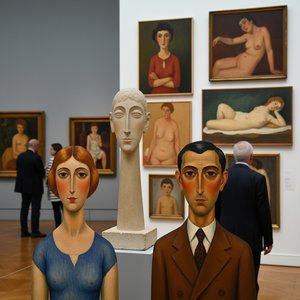
Amedeo Modigliani 25 Mesterműve: Lélek és Forma a Vásznon – OriginalUniqueArt.com
Fedezze fel Amedeo Modigliani 25 legikonikusabb művét! Mélyreható történetek, elemzések és a modern művészet remeklői. Portrék, aktok, expresszionizmus – inspiráló festmények otthonába. OriginalUniqueArt.com: minőségi reprodukciók és dekoráció.
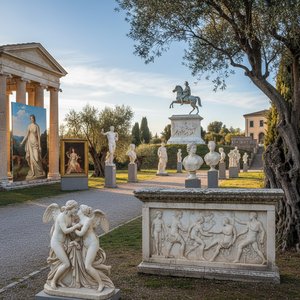
A Neoklasszicizmus 10 Mesterműve: A Történelem Legikonikusabb Festményei és Szobrai
Fedezze fel a neoklasszicizmus 10 legikonikusabb műalkotását! Jacques-Louis David, Ingres és Canova remekművei elmesélnek egy korszakot. Múzeumi minőségű reprodukciók otthonába a OriginalUniqueArt.com kínálatából – inspirációt és eleganciát nyújtunk. Böngésszen online!
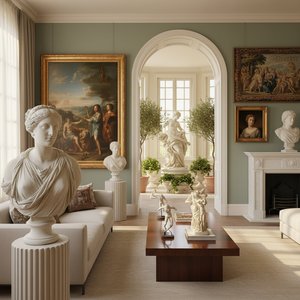
A Neoklasszicizmus 10 Mesterműve: Klasszikus Stílusú Festmények és Dekorációk a OriginalUniqueArt-on
Fedezze fel a neoklasszicizmus 10 legikonikusabb műalkotását! Jacques-Louis David, Ingres és más mesterek klasszikus festményeinek története. Vászonképek, faliképek - inspirálja otthonát OriginalUniqueArt.com kínálatával! Fedezze fel a teljes gyűjteményt online.
