 Előnézet
 Megosztás
 Megosztás
 Részletek
 Útmutató

 Letöltés
 Hasonló darabok
 X-ray felvétel
 Diavetítés
 Statisztika
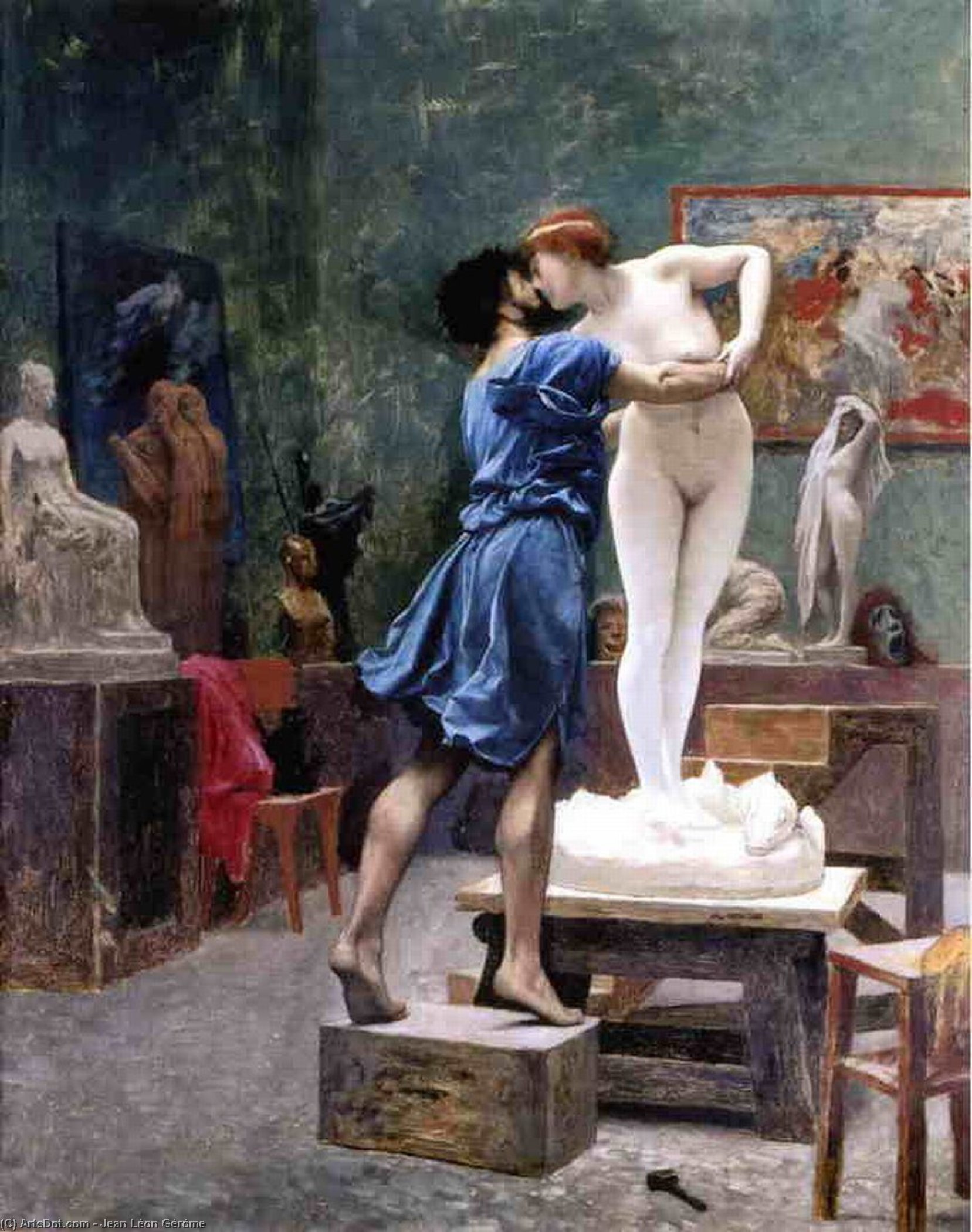
Pygmalion and Galatea (study)
 Oil On Canvas
- WallArt
- Academic Historical Painting
 1890
1890 94.0 x 74.0 cm
 Metropolitan Művészeti Múzeum
 Tovább olvasom
Kézzel készített olajfestmény reprodukció
Kézzel festett olajvastú vászon, az Ön által választott méretben és keretben, művészeink készítik meglévőre. ( Váltás nyomtatványra Áttérés digitális képre)




P118B Ft10

P118H Ft10

P118W Ft10

P438Z Ft10

P508JH Ft12

P508YH Ft12

P805H Ft10

P805Z Ft10

P919BZ Ft10

P919G Ft10

P919XJ Ft10

P959ZH Ft10

P968JZ Ft12

W106C Ft8

W218G Ft10

W218JH Ft8

W218Y Ft10

W307PJ Ft10

W316G Ft10

W316PJ Ft8

W316Y Ft10

W398PJ Ft8

W4111J Ft10

W500HY Ft15

W500JH Ft15

W692G Ft12

W849H Ft8

W940BG Ft15

W953PJ Ft8




Válasszon előre meghatározott méreteink közül, amelyek megfelelnek a műalkotás eredeti arányainak.

Írja be a kívánt szélességet és magasságot, hogy illeszkedjen a keretéhez vagy a falához. Mivel ez kézzel festett alkotás, egy eltérő formájú méret esetén a művész akár festhet is valamivel többet a kép körül, vagy korolathat is belőle — az Ön döntésének megfelelően. A festés megkezdése előtt küldünk egy digitális tervezetet jóváhagyásra. Az oldalon látható kép nem tartalmazza a végeredményt — csak a tervezet mutatja meg a valódi eredményt.
A rendelést követően a OriginalUniqueArt.com csapata e-mailt küld az ügyfélnek az instrukciókért, és biztosít egy előnézeti képet (mockup).
Világszerte elérhető szállítás () 3-4 hét alatt a szokásos 5 hét helyett. (22 október). A minőség nem kérdőjelezhető.

Ingyenes globális expressz szállítás

Prémium minőségű len vászon

Teljes körű szállítási biztosítás

Vámvisszatérítési Garancia

Tökéletes színarányosság garancia

100 napos visszaküldési garancia (csak gyártási hibás termékek esetén)

100% pénzvisszatérítési garancia

Több darab vásárlásakor kedvezmény
 Az üvegkeretes opció csak 110 cm alatti méretben érhető el

Pygmalion and Galatea (study)
Reprodukciós technika
Reprodukció méretei
-


Összesített ár
Ft 95869
A Moment Frozen in Marble and Desire: Jean-Léon Gérôme’s *Pygmalion and Galatea (Study)*
Jean-Léon Gérôme's *Pygmalion and Galatea (Study)*, painted in 1890, isn’t merely a depiction of a classical myth; it’s an exquisitely rendered tableau of longing, creation, and the potent magic of transformation. This intimate study, measuring a modest 94 x 74 cm, offers a rare glimpse into Gérôme's meticulous process – a testament to his dedication to capturing not just the likeness of figures but also the very essence of their emotions. The painting immediately draws the viewer in with its carefully orchestrated composition: a man, presumably Pygmalion himself, kneeling before a statue of Galatea, poised on a simple stool, and initiating a tender kiss. The scene unfolds within a studio setting, subtly suggesting the artist’s own fascination with the act of artistic creation and the blurring lines between reality and imagination.
The Narrative of Myth and Mastery
The story behind *Pygmalion and Galatea* is one of enduring appeal – a tale of a sculptor who, captivated by his own artistry, breathes life into a marble figure. Gérôme masterfully translates this narrative onto canvas, capturing the pivotal moment when Galatea awakens to Pygmalion’s touch. The painting avoids grand theatricality, instead favoring a quiet intimacy that underscores the profound emotional shift occurring within the scene. Gérôme's skill lies not just in his ability to accurately portray the human form – evident in the delicate musculature of Pygmalion and the graceful curve of Galatea’s pose – but also in his capacity to imbue these figures with a palpable sense of vulnerability and nascent joy. The inclusion of the simple chair and table, along with the vase, adds layers of realism and anchors the fantastical narrative within a believable domestic setting.
Technique and the Language of Detail
Gérôme was renowned for his painstaking attention to detail, a hallmark of the academic style he championed. *Pygmalion and Galatea (Study)* exemplifies this approach perfectly. Executed in oil on canvas, the painting boasts a rich, textured surface achieved through countless layers of glazing – a technique that allows Gérôme to build up subtle gradations of light and shadow, creating an astonishingly lifelike effect. Observe how he renders the marble statue itself; it’s not simply painted white but infused with veins and imperfections, suggesting its inherent materiality while simultaneously hinting at its potential for animation. The careful placement of folds in fabric, the sheen on Galatea's skin, and the subtle play of light across Pygmalion’s face all contribute to a remarkable sense of realism that belies the mythological subject matter. The use of warm earth tones – ochres, browns, and reds – further enhances the painting’s depth and richness.
Symbolism and Emotional Resonance
Beyond its narrative power, *Pygmalion and Galatea (Study)* is rich in symbolic meaning. The statue represents not just a creation but also the artist's own idealized vision – a projection of his desires and aspirations. The kiss itself symbolizes the merging of creator and creation, the transcendence of earthly limitations, and the birth of something new. The setting within a studio subtly elevates the work beyond a simple mythological scene; it speaks to the very process of artistic endeavor, highlighting the transformative power of imagination. Ultimately, Gérôme’s painting resonates with viewers on an emotional level, evoking feelings of wonder, longing, and the enduring human fascination with beauty, creation, and the possibility of bringing dreams to life.
A hand-painted reproduction of *Pygmalion and Galatea (Study)* offers a stunning opportunity to bring this captivating artwork into your home or office. Its rich detail and evocative imagery will serve as a constant reminder of the power of art to inspire, move, and transform our understanding of the world.
Gyakran Ismételt Kérdések
Ki árul „Pygmalion and Galatea (study)”, Gérôme alkotása kézzel festett másolatait?
A „Pygmalion and Galatea (study)”, Gérôme alkotása kézzel festett reprodukcióját közvetlenül a(z) Kézzel festett másolat oldalon is megrendelheti: kézzel festett olajfesték reprodukció lino vászonon, egyedi igény szerinti gyártással.
Vannak a „Pygmalion and Galatea (study)” alkotáshoz hasonló művek?
A "Pygmalion and Galatea (study)" alkotással hasonló művek a festmény Hasonló műalkotások oldalán találhatók.
Mennyi éves volt Gérôme, amikor megalkotta a "Pygmalion and Galatea (study)" alkotást 1890 årban?
Gérôme 66 éves korában festette a „Pygmalion and Galatea (study)” című művét. A művész 1824 született, a alkotás dátuma pedig 1890.
A művész életrajza
A Master of Narrative Detail: The Life and Art of Jean-Léon Gérôme
Jean-Léon Gérôme, a name inextricably linked to the academic painting of 19th-century France, was far more than simply a technically proficient artist; he was a masterful storyteller, captivating audiences with meticulously rendered scenes brimming with drama, exotic allure, and an almost cinematic quality. Born in Vesoul in 1824, his artistic journey began under the tutelage of local artist Claude-Basile Cariage, providing him with a foundational understanding that would ultimately shape his distinctive style. A pivotal moment arrived at sixteen when he moved to Paris, enrolling under the guidance of Paul Delaroche, a celebrated master of historical painting, and later benefiting from the rigorous training offered by the prestigious École des Beaux-Arts. However, Gérôme quickly distinguished himself not through mere imitation of established styles, but rather through an innovative synthesis – a seamless blend of painstaking realism with dramatic narrative, a combination that would become his hallmark. His early success with *The Cock Fight* in 1847 swiftly propelled him to prominence within the Neo-Grec movement, a revivalist trend dedicated to reinterpreting classical themes while incorporating meticulous attention to archaeological detail and historical accuracy.From Historical Grandeur to Orientalist Visions
Gérôme’s artistic range was remarkably expansive, demonstrating an impressive ability to tackle diverse subjects with equal skill. He frequently engaged with historical narratives, imbuing them with a palpable sense of immediacy and psychological depth—as evidenced by his monumental mural commission, *The Age of Augustus, the Birth of Christ*, intended as a grand allegory for Napoleon III. This ambitious work showcased Gérôme’s exceptional capacity to manage complex compositions and orchestrate sweeping historical narratives. Yet, it was perhaps in his depictions of the Orient that he truly captured the public imagination. Inspired by extensive travels throughout Turkey, Egypt, and North Africa, Gérôme created a series of paintings that transported viewers to distant lands, portraying scenes of harems, bustling marketplaces, and vast desert landscapes with an exoticism that simultaneously fascinated and, viewed through a modern lens, occasionally perpetuated problematic stereotypes. Paintings such as *Harem Women Feeding Pigeons in a Courtyard* became immensely popular, offering European audiences a glimpse into a world perceived as mysterious, sensual, and profoundly different from their own. These works weren’t simply straightforward representations; they were carefully constructed fantasies—a deliberate fusion of observation, imagination, and artistic license designed to evoke powerful emotional responses. He wasn't merely documenting the Orient; he was actively *creating* it for Western consumption, a practice that would later invite critical scrutiny but undeniably contributed significantly to his widespread acclaim.A Pedagogue and Influential Teacher
Beyond his prolific output as a painter, Gérôme exerted considerable influence as an educator at the École des Beaux-Arts in Paris. His atelier became a vibrant hub for aspiring artists from across Europe and America, attracting students eager to learn under his guidance. Among those who benefited most from his tutelage were Thomas Eakins, John Singer Sargent, and Mary Cassatt—artists whose individual styles were profoundly shaped by Gérôme’s rigorous training, emphasizing meticulous draftsmanship, masterful composition, and a deep appreciation for the study of life. He instilled in them not only technical proficiency but also a profound understanding of artistic principles and the importance of careful observation. While his conservative artistic views sometimes clashed with the burgeoning avant-garde movements of the time, Gérôme’s impact on the development of American art—particularly through his students—was undeniably significant. His legacy extended far beyond his own studio, as these artists carried his teachings and techniques across the Atlantic, establishing their own ateliers and perpetuating the academic tradition he championed.Key Moments in a Remarkable Career
- 1824: Born in Vesoul, France.
- 1840: Moves to Paris to study under Paul Delaroche.
- 1847: Achieves early recognition with *The Cock Fight* at the Paris Salon.
- 1852-1854: Receives commission for *The Age of Augustus, the Birth of Christ* and travels to Constantinople, Greece, and Turkey.
- Late Career: Transitions to sculpture, creating polychrome works inspired by classical antiquity.
- 1904: Dies in Paris, leaving behind a significant artistic legacy.
Legacy and Controversy: A Complex Artistic Inheritance
Jean-Léon Gérôme passed away in Paris in 1904, leaving behind an impressive body of work that continues to be subject to ongoing discussion and critical assessment. While his technical mastery is undeniable—his meticulous realism consistently lauded for its precision and detail—Gérôme’s artistic legacy remains complex and layered. His unwavering commitment to academic conventions, once celebrated as the pinnacle of artistic achievement, has been re-evaluated through a contemporary lens, prompting questions about the potential stifling effects of such a rigid approach. The Orientalist paintings, while visually arresting and undeniably popular during his lifetime, have also faced criticism for their tendency to exoticize and perpetuate colonial stereotypes—a reflection, perhaps, of the prevailing attitudes and prejudices of 19th-century European society. However, it is crucial to understand Gérôme within the historical context in which he lived and worked. He was a product of his era, reflecting the dominant cultural values and artistic trends of the time. His art offers valuable insights into the anxieties, fantasies, and social dynamics of 19th-century Europe—a testament to both the power and the limitations of artistic representation. Today, Gérôme’s paintings are admired not only for their technical brilliance but also for their ability to transport viewers to different times and places, inviting them to contemplate the complexities of history, culture, and the very nature of visual storytelling.
Gérôme
1824 - 1904 , Francia
Gyors információk
- Artistic Movement Or Style: Akadémiai, Orientalista
- Artists Or Movements Influenced By This Artist: ['Neo-Grec']
- Artists Who Influenced This Artist: ['Paul Delaroche']
- Date Of Birth: 1824. május 11.
- Date Of Death: 1904. jan. 10.
- Full Name: Jean-Léon Gérôme
- Nationality: Francia
- Notable Artworks:
- A Kakasviadal
- Pollice verso
- Harem nők
- Place Of Birth: Vesoul, Francia
Kapcsolódó cikkek

Jean-Léon Gérôme: Academic Rigor & Orientalist Visions Shaping 19th-Century French Painting
Explore the captivating world of Jean-Léon Gérôme, a master of 19th-century academic painting & orientalism. Discover his historical works, artistic techniques, and lasting influence on art history.

The Enduring Form: Sculpture Across History, Technique & Emotional Resonance
Explore the rich history of sculpture with OriginalUniqueArt. Discover key techniques, influential artists & investment potential for discerning collectors. Expert insights into valuing and collecting timeless masterpieces.

The Enduring Form: Exploring Themes & Techniques in Sculpture Across Historical Periods
Explore the rich history of sculpture from ancient masterpieces to contemporary innovations. Discover key techniques, influential artists & investment potential for discerning art collectors.

A művészettörténet 10 legikonikusabb bronzszobra – OriginalUniqueArt.com
Fedezze fel a művészettörténet 10 legikonikusabb bronzszobrát! Ismerje meg Rodin, Michelangelo és más mesterek alkotásait. Luxus minőségű reprodukciók otthonába – OriginalUniqueArt.com.

A művészettörténet 10 legikonikusabb bronzszobra – OriginalUniqueArt.com
Fedezze fel a művészettörténet 10 legikonikusabb bronzszobrát! Ismerje meg Rodint, Michelangelót és más mestereket. Luxus minőségű nyomatok otthonába – OriginalUniqueArt.com.