Menü
Text size

() ·

A painting made for you, by hand

Diogenes

Kézzel készített olajfestmény reprodukció

Kézzel festett olajvastú vászon, az Ön által választott méretben és keretben, művészeink készítik meglévőre. ( Váltás nyomtatványra Áttérés digitális képre)

A gyűjtemény leírása

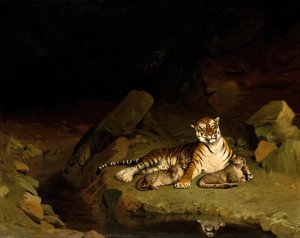
Explore Jean-Léon Gérôme’s ‘Diogenes’! A stunning academic oil painting depicting the philosopher's poverty & resilience. Discover its historical significance and artistic mastery at the Walters Art Museum.

A művész életrajza

Gérôme Jean-Léon (1824–1904): A mester Francia egyik legkiemelkedőbb történelmi és orientális festője, aki a részletesség, a dráma és az egzotikum kombinációjával hódított közönséget. Népszerű művei a Colosseum jeleneteit, a szultánok világát ábrázolták.

from ·

Chapter 1

How large should it be?

Slide to change the size; the picture on the left shows the frame at its real width. The proportions of the original are kept.

Standard méret
egyedi méretű
CM
INCH

Válasszon előre meghatározott méreteink közül, amelyek megfelelnek a műalkotás eredeti arányainak.

szélesség
magasság

Írja be a kívánt szélességet és magasságot, hogy illeszkedjen a keretéhez vagy a falához. Mivel ez kézzel festett alkotás, egy eltérő formájú méret esetén a művész akár festhet is valamivel többet a kép körül, vagy korolathat is belőle — az Ön döntésének megfelelően. A festés megkezdése előtt küldünk egy digitális tervezetet jóváhagyásra. Az oldalon látható kép nem tartalmazza a végeredményt — csak a tervezet mutatja meg a valódi eredményt.

Chapter 2

How should it arrive?

Choose the edges of the stretched canvas

Choose your frame

Corner sample of the WhiteWrap canvas edge finish, stretched on tömörfa bars
White Ft1
Corner sample of the BlurSideWrap canvas edge finish, stretched on tömörfa bars
Blurside Ft1
Corner sample of the ExtendedWrap canvas edge finish, stretched on tömörfa bars
Extended Ft1
Corner sample of the P118B picture frame: formázott polisztirol, 5 cm wide and 3 cm thick
P118B Ft10
Corner sample of the P118H picture frame: formázott polisztirol, 5 cm wide and 3 cm thick
P118H Ft10
Corner sample of the P118W picture frame: formázott polisztirol, 5 cm wide and 3 cm thick
P118W Ft10
Corner sample of the P438Z picture frame: formázott polisztirol, 5.5 cm wide and 3.5 cm thick
P438Z Ft10
Corner sample of the P508JH picture frame: formázott polisztirol, 7 cm wide and 3.5 cm thick
P508JH Ft12
Corner sample of the P508YH picture frame: formázott polisztirol, 7 cm wide and 3.5 cm thick
P508YH Ft12
Corner sample of the P805H picture frame: formázott polisztirol, 5 cm wide and 3.5 cm thick
P805H Ft10
Corner sample of the P805Z picture frame: formázott polisztirol, 5 cm wide and 3.5 cm thick
P805Z Ft10
Corner sample of the P919BZ picture frame: formázott polisztirol, 7 cm wide and 3.5 cm thick
P919BZ Ft10
Corner sample of the P919G picture frame: formázott polisztirol, 7 cm wide and 3.5 cm thick
P919G Ft10
Corner sample of the P919XJ picture frame: formázott polisztirol, 7 cm wide and 3.5 cm thick
P919XJ Ft10
Corner sample of the P959ZH picture frame: formázott polisztirol, 5 cm wide and 3 cm thick
P959ZH Ft10
Corner sample of the P968JZ picture frame: formázott polisztirol, 6 cm wide and 4 cm thick
P968JZ Ft12
Corner sample of the W106C picture frame: tömörfa, 5 cm wide and 3 cm thick
W106C Ft8
Corner sample of the W218G picture frame: tömörfa, 5 cm wide and 3 cm thick
W218G Ft10
Corner sample of the W218JH picture frame: tömörfa, 5 cm wide and 3 cm thick
W218JH Ft8
Corner sample of the W218Y picture frame: tömörfa, 5 cm wide and 3 cm thick
W218Y Ft10
Corner sample of the W307PJ picture frame: tömörfa, 6 cm wide and 3 cm thick
W307PJ Ft10
Corner sample of the W316G picture frame: tömörfa, 6 cm wide and 3 cm thick
W316G Ft10
Corner sample of the W316PJ picture frame: tömörfa, 6 cm wide and 3 cm thick
W316PJ Ft8
Corner sample of the W316Y picture frame: tömörfa, 6 cm wide and 3 cm thick
W316Y Ft10
Corner sample of the W398PJ picture frame: tömörfa, 5 cm wide and 3 cm thick
W398PJ Ft8
Corner sample of the W4111J picture frame: tömörfa, 6.5 cm wide and 3.5 cm thick
W4111J Ft10
Corner sample of the W500HY picture frame: tömörfa, 7 cm wide and 5 cm thick
W500HY Ft15
Corner sample of the W500JH picture frame: tömörfa, 7 cm wide and 5 cm thick
W500JH Ft15
Corner sample of the W692G picture frame: tömörfa, 8 cm wide and 4 cm thick
W692G Ft12
Corner sample of the W849H picture frame: tömörfa, 5 cm wide and 3 cm thick
W849H Ft8
Corner sample of the W940BG picture frame: tömörfa, 7.5 cm wide and 4.5 cm thick
W940BG Ft15
Corner sample of the W953PJ picture frame: tömörfa, 6 cm wide and 3.5 cm thick
W953PJ Ft8
Corner sample of the H24-GOLD picture frame: faragott fa gesszóval, 10 cm wide and 6 cm thick
H24-GOLD Ft30
Corner sample of the H24-SILVER picture frame: faragott fa gesszóval, 10 cm wide and 6 cm thick
H24-SILVER Ft30
Corner sample of the H36-GOLD picture frame: faragott fa gesszóval, 15 cm wide and 6.5 cm thick
H36-GOLD Ft45
Corner sample of the H36-SILVER picture frame: faragott fa gesszóval, 15 cm wide and 6.5 cm thick
H36-SILVER Ft45

Moulding: . Overall size with the frame: .

Chapter 3

Who paints it, and should anything change?

Examples of what can be changed: Replace face with customer photo; Add pet (e.g., replace cat with dog); Include hidden message in background; Change background landscape or elements.
After order, OriginalUniqueArt.com team will email client for instructions and provide a mockup preview

Világszerte elérhető szállítás () 3-4 hét alatt a szokásos 5 hét helyett. (31 október). A minőség nem kérdőjelezhető.

Chapter 4

The finishing touches

A nameplate, as in a museum?

A gravírozott bronztábla részletei

This elegant plaque features the artist's name and the title of the artwork, finely engraved for a timeless presentation.

It is made from bronze with a refined, elegant finish. The text is precisely laser-engraved for a sharp and permanent result. Measuring 9x2 cm, the plaque is compact yet easy to read. It's built to be durable and scratch-resistant, offering a professional, museum-quality look. Mounting is simple thanks to the included adhesive backing.

Átlátszó akril tábla részletei

The plaque includes essential engraved details such as the artist's name, the title of the artwork, the date it was created, the type of media used-like oil on canvas or watercolor-a brief description of the piece, and a QR code that links to the complete artwork information.

It is crafted from clear acrylic, offering a sleek, modern appearance. The text is UV-engraved in black to ensure strong visual contrast. With a size of 10x15 cm, it ensures optimal readability. It comes equipped with two metal hooks for secure wall mounting. The plaque is designed to be weather-resistant, making it suitable for various environments, and it includes interactive features that work seamlessly with smartphone scanning.

Fekete akril tábla részletei

This elegant plaque includes engraved information such as the artist's name, the title of the artwork, the date it was created, the type of media used (like oil on canvas or watercolor), a short description of the artwork, and a QR code for quick access to more information.

The plaque itself is made from refined black acrylic with a premium finish. The text is laser-engraved in white for high contrast and readability. Its size is 10x15 cm, designed to be easy to read. It comes with two metal hooks for professional mounting. The design is sleek and fits any interior style. It is also weather-resistant and durable, with built-in digital integration for mobile compatibility.

A protective varnish?

When do you need it?

Chapter 5

Your painting, as you ordered it

Diogenes

Reprodukciós technika

Reprodukció mérete

-

Kiváló mesterművész

Nagyobb részletesség, finomság és bővített gyártási idő

-

Reprodukció keretezése

-

-

A bármely oldalsó méretét túlszálaló 105 cm (kb. 41 hüvelyk) meghaladó műalkotások vagy reprodukciók esetében a keret összeszerelhető készletként, szétszerelve kerül szállításra. Ez a módszer biztosítja a biztonságos szállítást, és megakadályozza a szállítás során fellépő sérüléseket.

Szakmész összeszerelést igényel – ez nem DIY (önösszeszerelhető) termék.
A készletet egy tapasztalt keretező szakembernek kell összeszerelnie és a vásznat feszítenie kell, fa ragasztó (nem tartalmazza a csomag), vásznfeszítő fogó és szorítók használatával, amelyek a ragasztó száradásáig a keretrészeket egymáshoz vuôngjba tartják. A helytelen összeszerelés vagy a nem egyenletes vásznfeszítés maradandó károsíthatja a műalkotást, és ez nem része a garanciánknak.

  • A készlet tartalmazza az összes tömörfa rudat, pontosan méretre vágva.

  • A mellékelt csavarokkal, valamint a sarokszerekhez szükséges faütő ragasztóval kell összeszerelnie (ez nem tartalmazható a csomagban), így a keretrendezőnek külön kell beszereznie.

  • A csomag nem tartalmazza a szükséges professzionális eszközöket: egy vászonfeszítőt és klipseket a rácsok vízszintes tartásához a ragasztó megszáradásáig.

Fontos:
A sarokcsatlakozásokhoz fánylagra van szükség, a keretrudakat szorítókapcsokkal kell rögzíteni, amíg a rag teljesen meg nem szárad, a kész keretre feszített vászonhoz pedig vászonfeszítő fogat szükséges. Ezek egyike sem található meg a készletben. Kérjük, rendelés előtt győződjön meg róla, hogy rendelkezik tapasztalt keretező szakemberrel.

Névtábla

-

-

Védőréteg (Lakk)

Fényes lakk (intenzívabb színek, védelem a fény és a nedvesség hatása ellen)

-

Műalkotásom egyedi igényre szabása

Példák a módosíthatóságra: az arc kicserélése az ügyfél fotójára; háziállat hozzáadása (pl. macska helyett kutya); rejtett üzenet elhelyezése a háttérben; a háttér tájainak vagy elemeinek megváltoztatása.

-

Sürgős

Világszerte szóló szállítás () mindössze 3-4 hét alatt, a szokásos 5 hét helyett. (31 október). A minőség nem kérdőjelezhető.

-

Express szállítás

Világszerte elérhető szállítás területre 5 héten belül. (7 november).

A szállítás díja tartalmazza

Összesített ár

Ft 98090

Összesített ár Ft 98090

Az üvegkeretes opció csak 110 cm alatti méretben érhető el

Included with every order

  • Ingyenes globális expressz szállítás
  • Prémium minőségű len vászon
  • Teljes körű szállítási biztosítás
  • Vámvisszatérítési Garancia
  • Hiteles színarányosság garancia
  • 100 napos visszaküldési lehetőség (csak hibás termékek esetén)
  • 100% pénzvisszatérítési garancia
  • Több darab vásárlásakor kedvezmény

Diogenes by Jean Léon Gérôme: A Study in Unconventional Wisdom

Jean-Léon Gérôme’s “Diogenes” is more than just a depiction of an ancient philosopher; it's a carefully constructed tableau of ideas, rendered with the meticulous precision that cemented Gérôme’s reputation as one of 19th-century France’s most celebrated artists. Completed in 1860, this oil on canvas measuring 75 x 99 cm immediately draws the viewer into a scene brimming with quiet defiance and profound philosophical questioning. The painting's enduring appeal lies not just in its subject matter – the iconic figure of Diogenes, famously rejecting societal norms – but also in Gérôme’s masterful execution of academic art, showcasing his technical prowess and ability to evoke powerful emotions through detailed observation.

  • Subject Matter: The painting centers on Diogenes, a Cynic philosopher who lived in a barrel and famously sought an honest man in the bustling streets of Athens. His unconventional lifestyle, symbolized by his company of dogs – representing a preference for instinctive loyalty over human vanity – forms the core narrative.
  • Symbolism: The central lamp held aloft by Diogenes is a potent symbol of his relentless pursuit of truth and virtue, a deliberate act of defiance against the superficiality he perceived in society. The surrounding cityscape hints at the complexities of urban life, contrasting sharply with Diogenes’ simple existence.

A Masterclass in Academic Technique

Gérôme's style is firmly rooted in academicism, a movement characterized by its emphasis on technical skill, historical accuracy, and adherence to classical artistic principles. The painting’s oil on canvas medium allows for rich color saturation and subtle gradations of tone, contributing significantly to the work’s dramatic effect. Notice the painstaking detail with which Gérôme renders Diogenes' weathered features, the rough texture of his clothing, and the glistening fur of his canine companions. This level of realism was considered paramount in academic art, demonstrating the artist’s mastery of observation and representation.

  • Composition: The composition is carefully balanced, with Diogenes positioned centrally to command attention. The flanking dogs create a sense of dynamic movement, while the receding cityscape provides depth and context.
  • Color Palette: Dominated by earthy browns, grays, and ochre tones, the palette reinforces the painting’s somber mood and evokes a sense of antiquity.

Historical Context and Legacy

Created in 1860, “Diogenes” reflects the broader artistic trends of its time – the rise of historical painting and the fascination with classical antiquity. Gérôme's work was widely reproduced, solidifying his position as one of the most popular artists of his era. The painting’s enduring legacy lies not only in its aesthetic qualities but also in its exploration of timeless philosophical themes: the pursuit of virtue, the rejection of societal norms, and the value of simple living. It stands as a testament to Gérôme's skill and vision, securing his place within the canon of academic art.

Emotional Impact and Artistic Value

“Diogenes” possesses a quiet power that resonates with viewers across generations. The painting’s depiction of hardship, solitude, and resilience evokes feelings of empathy and contemplation. Its dramatic lighting, rough textures, and carefully constructed composition create a visually arresting experience. A hand-painted reproduction offers an exceptional opportunity to bring this iconic artwork into your home or office, celebrating the enduring legacy of Jean Léon Gérôme’s artistic genius.

Kérdések és válaszok

„Diogenes”, Gérôme alkotása egy világos vagy egy sötét tónusú alkotás?

Összességében a "Diogenes" alkotás balanced fényerőséget mutat. A tapasztalt fényerő azt írja le, hogy a mű mennyire tűnik világosnak vagy sötétnek.

A „Diogenes” Gérôme pályájának mely szakaszát képviseli?

A "Diogenes" Gérôme pályájának a Mature Period szakaszába tartozik. Ez a besorolás összekapcsolja a művet a művész fejlődésével.

„Diogenes”, Gérôme alkotása színei tel愈tek vagy fakók?

A „Diogenes”, Gérôme alkotása színei Subtle Color telítettségűek. A telítettség azt mutatja meg, hogy a színek mennyire élénkek vagy fakók.

More about this painting

Megtekintés AR előnézet Váltás nyomtatványra Áttérés digitális képre Küldés
Részletek Útmutató Kedvencekhez ad Letöltés Hasonló darabok X-ray felvétel Diavetítés Q&A Statisztika

In numbers

  • 1860the year it was painted
  • 29frames to choose from
  • standard sizes, in its own proportions
  • 5weeks to paint and deliver it
Gérôme

Gérôme

1824 - 1904, Francia

Quick facts about Gérôme

  • Artistic Movement Or Style: Akadémiai, Orientalista
  • Artists Or Movements Influenced By This Artist: ['Neo-Grec']
  • Artists Who Influenced This Artist: ['Paul Delaroche']
  • Date Of Birth: 1824. május 11.
  • Date Of Death: 1904. jan. 10.
  • Full Name: Jean-Léon Gérôme
  • Nationality: Francia
  • Notable Artworks:
    • A Kakasviadal
    • Pollice verso
    • Harem nők
  • Place Of Birth: Vesoul, Francia

A művész életrajza

A Master of Narrative Detail: The Life and Art of Jean-Léon Gérôme

Jean-Léon Gérôme, a name inextricably linked to the academic painting of 19th-century France, was far more than simply a technically proficient artist; he was a masterful storyteller, captivating audiences with meticulously rendered scenes brimming with drama, exotic allure, and an almost cinematic quality. Born in Vesoul in 1824, his artistic journey began under the tutelage of local artist Claude-Basile Cariage, providing him with a foundational understanding that would ultimately shape his distinctive style. A pivotal moment arrived at sixteen when he moved to Paris, enrolling under the guidance of Paul Delaroche, a celebrated master of historical painting, and later benefiting from the rigorous training offered by the prestigious École des Beaux-Arts. However, Gérôme quickly distinguished himself not through mere imitation of established styles, but rather through an innovative synthesis – a seamless blend of painstaking realism with dramatic narrative, a combination that would become his hallmark. His early success with *The Cock Fight* in 1847 swiftly propelled him to prominence within the Neo-Grec movement, a revivalist trend dedicated to reinterpreting classical themes while incorporating meticulous attention to archaeological detail and historical accuracy.

From Historical Grandeur to Orientalist Visions

Gérôme’s artistic range was remarkably expansive, demonstrating an impressive ability to tackle diverse subjects with equal skill. He frequently engaged with historical narratives, imbuing them with a palpable sense of immediacy and psychological depth—as evidenced by his monumental mural commission, *The Age of Augustus, the Birth of Christ*, intended as a grand allegory for Napoleon III. This ambitious work showcased Gérôme’s exceptional capacity to manage complex compositions and orchestrate sweeping historical narratives. Yet, it was perhaps in his depictions of the Orient that he truly captured the public imagination. Inspired by extensive travels throughout Turkey, Egypt, and North Africa, Gérôme created a series of paintings that transported viewers to distant lands, portraying scenes of harems, bustling marketplaces, and vast desert landscapes with an exoticism that simultaneously fascinated and, viewed through a modern lens, occasionally perpetuated problematic stereotypes. Paintings such as *Harem Women Feeding Pigeons in a Courtyard* became immensely popular, offering European audiences a glimpse into a world perceived as mysterious, sensual, and profoundly different from their own. These works weren’t simply straightforward representations; they were carefully constructed fantasies—a deliberate fusion of observation, imagination, and artistic license designed to evoke powerful emotional responses. He wasn't merely documenting the Orient; he was actively *creating* it for Western consumption, a practice that would later invite critical scrutiny but undeniably contributed significantly to his widespread acclaim.

A Pedagogue and Influential Teacher

Beyond his prolific output as a painter, Gérôme exerted considerable influence as an educator at the École des Beaux-Arts in Paris. His atelier became a vibrant hub for aspiring artists from across Europe and America, attracting students eager to learn under his guidance. Among those who benefited most from his tutelage were Thomas Eakins, John Singer Sargent, and Mary Cassatt—artists whose individual styles were profoundly shaped by Gérôme’s rigorous training, emphasizing meticulous draftsmanship, masterful composition, and a deep appreciation for the study of life. He instilled in them not only technical proficiency but also a profound understanding of artistic principles and the importance of careful observation. While his conservative artistic views sometimes clashed with the burgeoning avant-garde movements of the time, Gérôme’s impact on the development of American art—particularly through his students—was undeniably significant. His legacy extended far beyond his own studio, as these artists carried his teachings and techniques across the Atlantic, establishing their own ateliers and perpetuating the academic tradition he championed.

Key Moments in a Remarkable Career

  • 1824: Born in Vesoul, France.
  • 1840: Moves to Paris to study under Paul Delaroche.
  • 1847: Achieves early recognition with *The Cock Fight* at the Paris Salon.
  • 1852-1854: Receives commission for *The Age of Augustus, the Birth of Christ* and travels to Constantinople, Greece, and Turkey.
  • Late Career: Transitions to sculpture, creating polychrome works inspired by classical antiquity.
  • 1904: Dies in Paris, leaving behind a significant artistic legacy.

Legacy and Controversy: A Complex Artistic Inheritance

Jean-Léon Gérôme passed away in Paris in 1904, leaving behind an impressive body of work that continues to be subject to ongoing discussion and critical assessment. While his technical mastery is undeniable—his meticulous realism consistently lauded for its precision and detail—Gérôme’s artistic legacy remains complex and layered. His unwavering commitment to academic conventions, once celebrated as the pinnacle of artistic achievement, has been re-evaluated through a contemporary lens, prompting questions about the potential stifling effects of such a rigid approach. The Orientalist paintings, while visually arresting and undeniably popular during his lifetime, have also faced criticism for their tendency to exoticize and perpetuate colonial stereotypes—a reflection, perhaps, of the prevailing attitudes and prejudices of 19th-century European society. However, it is crucial to understand Gérôme within the historical context in which he lived and worked. He was a product of his era, reflecting the dominant cultural values and artistic trends of the time. His art offers valuable insights into the anxieties, fantasies, and social dynamics of 19th-century Europe—a testament to both the power and the limitations of artistic representation. Today, Gérôme’s paintings are admired not only for their technical brilliance but also for their ability to transport viewers to different times and places, inviting them to contemplate the complexities of history, culture, and the very nature of visual storytelling.

Gyors információk

  • Influences: Gérôme
  • Subject or theme: Philosophy, poverty
  • Title: Diogenes
  • Artist: Jean-Léon Gérôme
  • Artistic style: Academic
  • Movement: Academicism