Text size

() ·

A painting made for you, by hand

The Competition

Kézzel készített olajfestmény reprodukció

Kézzel festett olajvastú vászon, az Ön által választott méretben és keretben, művészeink készítik meglévőre. ( Váltás nyomtatványra Áttérés digitális képre)

A gyűjtemény leírása

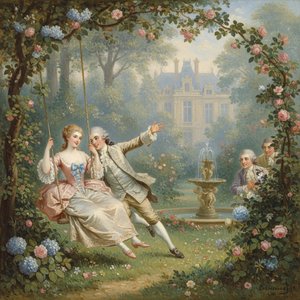
Jean-Honoré Fragonard's "The Competition" (1785) captures a lively scene of children engaged in learning and play, showcasing the artist’s signature Rococo style and masterful brushwork.

A művész életrajza

"HungarianMetaDescription": "Fragonard, a francia rokokó festő, a játékos és szenzualitású műveivel, különösen \"A Hinta\" képeivel világszerte ismert. A 18. századi eleganciát és titkos szerelmeket ábrázolja."

from ·

Chapter 1

How large should it be?

Slide to change the size; the picture on the left shows the frame at its real width. The proportions of the original are kept.

Standard méret
egyedi méretű
CM
INCH

Válasszon előre meghatározott méreteink közül, amelyek megfelelnek a műalkotás eredeti arányainak.

szélesség
magasság

Írja be a kívánt szélességet és magasságot, hogy illeszkedjen a keretéhez vagy a falához. Mivel ez kézzel festett alkotás, egy eltérő formájú méret esetén a művész akár festhet is valamivel többet a kép körül, vagy korolathat is belőle — az Ön döntésének megfelelően. A festés megkezdése előtt küldünk egy digitális tervezetet jóváhagyásra. Az oldalon látható kép nem tartalmazza a végeredményt — csak a tervezet mutatja meg a valódi eredményt.

Chapter 2

How should it arrive?

Choose the edges of the stretched canvas

Choose your frame

Corner sample of the WhiteWrap canvas edge finish, stretched on tömörfa bars
White Ft1
Corner sample of the BlurSideWrap canvas edge finish, stretched on tömörfa bars
Blurside Ft1
Corner sample of the ExtendedWrap canvas edge finish, stretched on tömörfa bars
Extended Ft1
Corner sample of the P118B picture frame: formázott polisztirol, 5 cm wide and 3 cm thick
P118B Ft10
Corner sample of the P118H picture frame: formázott polisztirol, 5 cm wide and 3 cm thick
P118H Ft10
Corner sample of the P118W picture frame: formázott polisztirol, 5 cm wide and 3 cm thick
P118W Ft10
Corner sample of the P438Z picture frame: formázott polisztirol, 5.5 cm wide and 3.5 cm thick
P438Z Ft10
Corner sample of the P508JH picture frame: formázott polisztirol, 7 cm wide and 3.5 cm thick
P508JH Ft12
Corner sample of the P508YH picture frame: formázott polisztirol, 7 cm wide and 3.5 cm thick
P508YH Ft12
Corner sample of the P805H picture frame: formázott polisztirol, 5 cm wide and 3.5 cm thick
P805H Ft10
Corner sample of the P805Z picture frame: formázott polisztirol, 5 cm wide and 3.5 cm thick
P805Z Ft10
Corner sample of the P919BZ picture frame: formázott polisztirol, 7 cm wide and 3.5 cm thick
P919BZ Ft10
Corner sample of the P919G picture frame: formázott polisztirol, 7 cm wide and 3.5 cm thick
P919G Ft10
Corner sample of the P919XJ picture frame: formázott polisztirol, 7 cm wide and 3.5 cm thick
P919XJ Ft10
Corner sample of the P959ZH picture frame: formázott polisztirol, 5 cm wide and 3 cm thick
P959ZH Ft10
Corner sample of the P968JZ picture frame: formázott polisztirol, 6 cm wide and 4 cm thick
P968JZ Ft12
Corner sample of the W106C picture frame: tömörfa, 5 cm wide and 3 cm thick
W106C Ft8
Corner sample of the W218G picture frame: tömörfa, 5 cm wide and 3 cm thick
W218G Ft10
Corner sample of the W218JH picture frame: tömörfa, 5 cm wide and 3 cm thick
W218JH Ft8
Corner sample of the W218Y picture frame: tömörfa, 5 cm wide and 3 cm thick
W218Y Ft10
Corner sample of the W307PJ picture frame: tömörfa, 6 cm wide and 3 cm thick
W307PJ Ft10
Corner sample of the W316G picture frame: tömörfa, 6 cm wide and 3 cm thick
W316G Ft10
Corner sample of the W316PJ picture frame: tömörfa, 6 cm wide and 3 cm thick
W316PJ Ft8
Corner sample of the W316Y picture frame: tömörfa, 6 cm wide and 3 cm thick
W316Y Ft10
Corner sample of the W398PJ picture frame: tömörfa, 5 cm wide and 3 cm thick
W398PJ Ft8
Corner sample of the W4111J picture frame: tömörfa, 6.5 cm wide and 3.5 cm thick
W4111J Ft10
Corner sample of the W500HY picture frame: tömörfa, 7 cm wide and 5 cm thick
W500HY Ft15
Corner sample of the W500JH picture frame: tömörfa, 7 cm wide and 5 cm thick
W500JH Ft15
Corner sample of the W692G picture frame: tömörfa, 8 cm wide and 4 cm thick
W692G Ft12
Corner sample of the W849H picture frame: tömörfa, 5 cm wide and 3 cm thick
W849H Ft8
Corner sample of the W940BG picture frame: tömörfa, 7.5 cm wide and 4.5 cm thick
W940BG Ft15
Corner sample of the W953PJ picture frame: tömörfa, 6 cm wide and 3.5 cm thick
W953PJ Ft8
Corner sample of the H24-GOLD picture frame: faragott fa gesszóval, 10 cm wide and 6 cm thick
H24-GOLD Ft30
Corner sample of the H24-SILVER picture frame: faragott fa gesszóval, 10 cm wide and 6 cm thick
H24-SILVER Ft30
Corner sample of the H36-GOLD picture frame: faragott fa gesszóval, 15 cm wide and 6.5 cm thick
H36-GOLD Ft45
Corner sample of the H36-SILVER picture frame: faragott fa gesszóval, 15 cm wide and 6.5 cm thick
H36-SILVER Ft45

Moulding: . Overall size with the frame: .

Chapter 3

Who paints it, and should anything change?

Examples of what can be changed: Replace face with customer photo; Add pet (e.g., replace cat with dog); Include hidden message in background; Change background landscape or elements.
After order, OriginalUniqueArt.com team will email client for instructions and provide a mockup preview

Világszerte elérhető szállítás () 3-4 hét alatt a szokásos 5 hét helyett. (2 november). A minőség nem kérdőjelezhető.

Chapter 4

The finishing touches

A nameplate, as in a museum?

A gravírozott bronztábla részletei

This elegant plaque features the artist's name and the title of the artwork, finely engraved for a timeless presentation.

It is made from bronze with a refined, elegant finish. The text is precisely laser-engraved for a sharp and permanent result. Measuring 9x2 cm, the plaque is compact yet easy to read. It's built to be durable and scratch-resistant, offering a professional, museum-quality look. Mounting is simple thanks to the included adhesive backing.

Átlátszó akril tábla részletei

The plaque includes essential engraved details such as the artist's name, the title of the artwork, the date it was created, the type of media used-like oil on canvas or watercolor-a brief description of the piece, and a QR code that links to the complete artwork information.

It is crafted from clear acrylic, offering a sleek, modern appearance. The text is UV-engraved in black to ensure strong visual contrast. With a size of 10x15 cm, it ensures optimal readability. It comes equipped with two metal hooks for secure wall mounting. The plaque is designed to be weather-resistant, making it suitable for various environments, and it includes interactive features that work seamlessly with smartphone scanning.

Fekete akril tábla részletei

This elegant plaque includes engraved information such as the artist's name, the title of the artwork, the date it was created, the type of media used (like oil on canvas or watercolor), a short description of the artwork, and a QR code for quick access to more information.

The plaque itself is made from refined black acrylic with a premium finish. The text is laser-engraved in white for high contrast and readability. Its size is 10x15 cm, designed to be easy to read. It comes with two metal hooks for professional mounting. The design is sleek and fits any interior style. It is also weather-resistant and durable, with built-in digital integration for mobile compatibility.

A protective varnish?

When do you need it?

Chapter 5

Your painting, as you ordered it

The Competition

Reprodukciós technika

Reprodukció mérete

-

Kiváló mesterművész

Nagyobb részletesség, finomság és bővített gyártási idő

-

Reprodukció keretezése

-

-

A bármely oldalsó méretét túlszálaló 105 cm (kb. 41 hüvelyk) meghaladó műalkotások vagy reprodukciók esetében a keret összeszerelhető készletként, szétszerelve kerül szállításra. Ez a módszer biztosítja a biztonságos szállítást, és megakadályozza a szállítás során fellépő sérüléseket.

Szakmész összeszerelést igényel – ez nem DIY (önösszeszerelhető) termék.
A készletet egy tapasztalt keretező szakembernek kell összeszerelnie és a vásznat feszítenie kell, fa ragasztó (nem tartalmazza a csomag), vásznfeszítő fogó és szorítók használatával, amelyek a ragasztó száradásáig a keretrészeket egymáshoz vuôngjba tartják. A helytelen összeszerelés vagy a nem egyenletes vásznfeszítés maradandó károsíthatja a műalkotást, és ez nem része a garanciánknak.

  • A készlet tartalmazza az összes tömörfa rudat, pontosan méretre vágva.

  • A mellékelt csavarokkal, valamint a sarokszerekhez szükséges faütő ragasztóval kell összeszerelnie (ez nem tartalmazható a csomagban), így a keretrendezőnek külön kell beszereznie.

  • A csomag nem tartalmazza a szükséges professzionális eszközöket: egy vászonfeszítőt és klipseket a rácsok vízszintes tartásához a ragasztó megszáradásáig.

Fontos:
A sarokcsatlakozásokhoz fánylagra van szükség, a keretrudakat szorítókapcsokkal kell rögzíteni, amíg a rag teljesen meg nem szárad, a kész keretre feszített vászonhoz pedig vászonfeszítő fogat szükséges. Ezek egyike sem található meg a készletben. Kérjük, rendelés előtt győződjön meg róla, hogy rendelkezik tapasztalt keretező szakemberrel.

Névtábla

-

-

Védőréteg (Lakk)

Fényes lakk (intenzívabb színek, védelem a fény és a nedvesség hatása ellen)

-

Műalkotásom egyedi igényre szabása

Példák a módosíthatóságra: az arc kicserélése az ügyfél fotójára; háziállat hozzáadása (pl. macska helyett kutya); rejtett üzenet elhelyezése a háttérben; a háttér tájainak vagy elemeinek megváltoztatása.

-

Sürgős

Világszerte szóló szállítás () mindössze 3-4 hét alatt, a szokásos 5 hét helyett. (2 november). A minőség nem kérdőjelezhető.

-

Express szállítás

Világszerte elérhető szállítás területre 5 héten belül. (9 november).

A szállítás díja tartalmazza

Összesített ár

Ft 98243

Összesített ár Ft 98243

Az üvegkeretes opció csak 110 cm alatti méretben érhető el

Included with every order

  • Ingyenes globális expressz szállítás
  • Prémium minőségű len vászon
  • Teljes körű szállítási biztosítás
  • Vámvisszatérítési Garancia
  • Hiteles színarányosság garancia
  • 100 napos visszaküldési lehetőség (csak hibás termékek esetén)
  • 100% pénzvisszatérítési garancia
  • Több darab vásárlásakor kedvezmény

A Moment of Shared Intensity: Unveiling Fragonard’s “The Competition”

Jean-Honoré Fragonard's "The Competition," painted around 1780-1785, isn’t merely a depiction of a social gathering; it’s a vibrant snapshot of the burgeoning Rococo era, brimming with playful observation and subtle eroticism. Captured in delicate pastel hues and executed with his signature loose brushwork, the scene unfolds within a richly appointed interior – likely a salon belonging to the influential Duc de Chabot – where a group of elegantly dressed individuals are engaged in a spirited contest. The painting immediately draws the eye, not through dramatic action, but through the palpable sense of shared intensity radiating from each participant. It’s a tableau vivant, frozen in a moment of intellectual and social engagement, hinting at unspoken desires and competitive spirit.

Fragonard masterfully employs light to guide our gaze. A warm, diffused glow illuminates the figures, casting soft shadows that accentuate their postures and expressions. Notice how he uses highlights to draw attention to details – the intricate folds of a gown, the focused concentration on a child’s face, the subtle gestures of amusement or frustration. This careful manipulation of light isn't just aesthetic; it contributes significantly to the painting’s overall atmosphere, creating an illusion of depth and inviting us into this intimate scene.

The Rococo Setting: A World of Pleasure and Intrigue

To fully appreciate “The Competition,” one must understand the context of its creation – the height of the Rococo period. This era, characterized by a rejection of rigid formality in favor of elegance, pleasure, and sensuality, profoundly influenced Fragonard’s artistic style. The setting itself is crucial: the opulent interior, with its richly colored fabrics, ornate furniture, and carefully arranged details, speaks to the wealth and sophistication of the patrons who commissioned such works. The presence of two clocks – one on the wall, the other closer to the foreground – subtly underscores the theme of time and competition, adding a layer of complexity to the scene.

Furthermore, the painting reflects the social dynamics of the time. The gathering is not simply a casual meeting; it’s a carefully orchestrated display of status and wit. The children, engrossed in their reading and writing exercises, represent the next generation being groomed for positions of power and influence. The adults, observing their efforts with amusement and encouragement, embody the values of patronage and social obligation. It's a microcosm of 18th-century French society – a world where appearances mattered, and social interactions were often laden with hidden meanings.

Symbolism and Subtext: A Dance of Desire

While outwardly appearing to be a scene of intellectual pursuit, “The Competition” is rife with subtle symbolism. The children’s engagement in reading and writing can be interpreted as a metaphor for the acquisition of knowledge and social skills – essential tools for navigating the complexities of aristocratic life. However, Fragonard doesn't shy away from hinting at more playful interpretations. The glances exchanged between the figures, the suggestive postures, and the overall atmosphere of flirtation suggest an underlying current of desire and intrigue.

The painting’s title itself is deliberately ambiguous. Is it a genuine competition, or merely a pretext for social interaction and veiled courtship? Fragonard leaves this question open to interpretation, inviting viewers to engage with the scene on multiple levels. The artist's skill lies in his ability to create an image that is both visually appealing and intellectually stimulating – a testament to the enduring power of Rococo art.

A Legacy of Grace: Reproduction and Artistic Appreciation

Reproductions of “The Competition” offer a remarkable opportunity to experience Fragonard’s artistry firsthand. OriginalUniqueArt's hand-painted reproductions capture the delicate brushwork, vibrant colors, and nuanced details of the original painting with exceptional fidelity. Whether displayed in a grand salon or a cozy study, this captivating artwork will undoubtedly serve as a conversation starter and a source of aesthetic pleasure for years to come. Consider commissioning a reproduction – a tangible connection to a pivotal moment in art history.

Kérdések és válaszok

Milyen típusú alkotás a "The Competition"?

A katalógusban a „The Competition”, Fragonard alkotása a WallArt kategóriába tartozik. Ez a besorolás segít hasonló művek megtalálásában.

Ki a szerzője és mikor készült a "The Competition"?

Fragonard a "The Competition" című művet 1785-ben készítette.

„The Competition”, Fragonard alkotása erős kontrasztokat vagy lágy harmóniákat használ?

A "The Competition" alkotásban egy Gentle kontraszt párosul egy Unified Palette harmóniával.

More about this painting

Megtekintés AR előnézet Váltás nyomtatványra Áttérés digitális képre Küldés
Részletek Útmutató Kedvencekhez ad Letöltés Hasonló darabok X-ray felvétel Diavetítés Q&A Statisztika

In numbers

  • 1785the year it was painted
  • 29frames to choose from
  • standard sizes, in its own proportions
  • 5weeks to paint and deliver it
Fragonard

Fragonard

1732 - 1806, Franciaország

Quick facts about Fragonard

  • Artistic Movement Or Style: Rokokó
  • Artists Or Movements Influenced By This Artist: ['Későbbiek művészetének']
  • Artists Who Influenced This Artist:
    • Chardin
    • Boucher
  • Date Of Birth: 1732. április 5.
  • Date Of Death: 1806. augusztus 22.
  • Full Name: Jean-Honoré Fragonard
  • Nationality: Francia
  • Notable Artworks:
    • A hinta
    • A lopott csók
    • Fürdő nő
  • Place Of Birth: Grasse, Franciaország

A művész életrajza

A Life Bathed in Light: The World of Jean-Honoré Fragonard

Born amidst the fragrant fields of Grasse, France, in 1732, Jean-Honoré Fragonard’s artistic journey began not with grand ambition but a quiet relocation to Paris with his family. It was there, under the initial guidance of Jean Siméon Chardin – a master of everyday life and subtle observation – that young Fragonard first encountered the possibilities of paint and canvas. However, it was within the atelier of François Boucher, the celebrated painter to the court of Louis XV, that his true stylistic foundations were laid. Boucher’s influence instilled in Fragonard a love for graceful forms, delicate colors, and the playful spirit that would come to define his oeuvre. Winning the prestigious Prix de Rome in 1752 marked a pivotal moment, affording him the opportunity to immerse himself in the classical world of Italy for several years. This period wasn’t merely about copying ancient masters; it was an awakening – a chance to absorb the vibrancy and sensuality that would later infuse his own unique vision.

The Rococo Master: A Celebration of Pleasure and Intrigue

Upon returning to Paris, Fragonard swiftly established himself as a leading figure in the burgeoning Rococo movement. This wasn’t simply about adopting a style; it was about embodying an entire worldview – one that celebrated pleasure, intimacy, and the fleeting beauty of life. His paintings weren't intended for grand public display but rather for the private salons of aristocrats seeking works that whispered secrets and hinted at hidden desires. The Swing, perhaps his most iconic creation, perfectly encapsulates this spirit. A young woman playfully kicks off her shoe as a bishop pushes her swing, while a hidden lover gazes up from below – it’s a scene brimming with mischievous energy and veiled eroticism. Other works like The Bolt and Love Vow continue this exploration of clandestine encounters and the delicate dance between attraction and restraint. Fragonard didn't merely depict scenes of love; he created an atmosphere, a mood – one that was both alluring and slightly dangerous. His brushwork became increasingly fluid and spontaneous, capturing not just appearances but also the very essence of fleeting moments.

Beyond the Salon: Experimentation and Evolving Styles

While Fragonard achieved considerable success within the established art world, he wasn’t one to remain confined by its conventions. He experimented with different genres and techniques throughout his career, demonstrating a remarkable versatility. His early attempts at history painting, though initially praised, didn't fully satisfy him; he found greater freedom in exploring more intimate and personal subjects. A brief flirtation with Neoclassicism – evident in portraits like that of Denis Diderot – showcased his willingness to engage with contemporary artistic trends, but it was the Rococo sensibility that ultimately defined his legacy. He also excelled as a draftsman, producing countless sketches and drawings that reveal his masterful command of line and form. These weren’t merely preparatory studies; they were often works of art in their own right, capturing fleeting impressions and intimate moments with remarkable sensitivity.

Influences and Artistic Connections

Fragonard's artistic development was shaped by a number of key influences. The meticulous observation and understated elegance of Jean Siméon Chardin provided a foundation for his understanding of human form and gesture. However, it was François Boucher’s exuberant color palette, dynamic compositions, and focus on sensuality that truly ignited Fragonard’s imagination. He also deeply admired the works of Italian Baroque masters such as Gian Lorenzo Bernini and Caravaggio, incorporating elements of their dramatic lighting and theatricality into his own paintings. Furthermore, his time in Rome exposed him to the artistic traditions of the Renaissance, influencing his understanding of classical mythology and idealized beauty. His relationship with Boucher was particularly significant, allowing him access to a wider range of subjects and techniques than he might have otherwise encountered.

A Legacy Enduring Through Time

The French Revolution brought a dramatic shift in artistic tastes, and Fragonard’s lighthearted, aristocratic style fell out of favor. He retreated to his hometown of Grasse for a time, returning to Paris only after the political turmoil subsided. Though he held administrative positions at the Louvre during this period, his creative output diminished. However, his influence continued to resonate through subsequent generations of artists. His emphasis on color, light, and sensuality paved the way for Impressionism, while his playful spirit and rejection of academic constraints inspired a more liberated approach to artmaking. Today, Fragonard’s works are celebrated in museums around the world – from the Louvre in Paris to the National Gallery of Art in Washington D.C. His paintings continue to captivate audiences with their beauty, wit, and enduring appeal, reminding us of a time when life was meant to be savored, and pleasure was considered an art form itself.

Notable Works & Collections

  • The Swing (L'Escarpolette): Wallace Collection, London – A quintessential example of Rococo exuberance.
  • The Bolt: View on OriginalUniqueArt - A captivating scene of domestic intrigue and playful tension.
  • Love Vow: Discover more about Fragonard’s works on OriginalUniqueArt – A tender depiction of romantic commitment.
  • Young Girl Reading: Featured in artworks databases, showcasing his mastery of portraiture and light.
  • Works are also prominently displayed at the Musée du Louvre, Grasse Cathedral, The Metropolitan Museum of Art, and The Frick Collection.

Gyors információk

  • Artistic style: Rococo
  • Title: The Competition
  • Location: Private Collection
  • Dimensions: 34 x 43 cm
  • Medium: Drawing (Black Chalk)

Művészeti kvíz

Minden kérdésre csak egy helyes válasz létezik.

Kérdés 1:
What is the primary subject depicted in Jean-Honoré Fragonard’s ‘The Competition’?
Kérdés 2:
The painting ‘The Competition’ is primarily associated with which artistic movement?
Kérdés 3:
What year was ‘The Competition’ painted, based on the provided information?
Kérdés 4:
According to the description, what is a notable characteristic of Fragonard’s artistic style?
Kérdés 5:
The image description mentions the presence of two clocks in the painting. What do these clocks likely symbolize?