

 Megtekintés
 Küldés
 Megosztás
 Részletek
 Útmutató

 Letöltés
 Hasonló darabok
 X-ray felvétel
 Diavetítés
 Statisztika
Shepherdess
 Oil On Canvas
- WallArt
- Rococo Style
 1750
1750- Early Modern
 118.0 x 161.0 cm
 Milwaukee Art Museum
 Összes részlet megjelenítése
Kézzel készített olajfestmény reprodukció
Kézzel festett olajvastú vászon, az Ön által választott méretben és keretben, művészeink készítik meglévőre. ( Váltás nyomtatványra Áttérés digitális képre)




P118B Ft10

P118H Ft10

P118W Ft10

P438Z Ft10

P508JH Ft12

P508YH Ft12

P805H Ft10

P805Z Ft10

P919BZ Ft10

P919G Ft10

P919XJ Ft10

P959ZH Ft10

P968JZ Ft12

W106C Ft8

W218G Ft10

W218JH Ft8

W218Y Ft10

W307PJ Ft10

W316G Ft10

W316PJ Ft8

W316Y Ft10

W398PJ Ft8

W4111J Ft10

W500HY Ft15

W500JH Ft15

W692G Ft12

W849H Ft8

W940BG Ft15

W953PJ Ft8




Válasszon előre meghatározott méreteink közül, amelyek megfelelnek a műalkotás eredeti arányainak.

Írja be a kívánt szélességet és magasságot, hogy illeszkedjen a keretéhez vagy a falához. Mivel ez kézzel festett alkotás, egy eltérő formájú méret esetén a művész akár festhet is valamivel többet a kép körül, vagy korolathat is belőle — az Ön döntésének megfelelően. A festés megkezdése előtt küldünk egy digitális tervezetet jóváhagyásra. Az oldalon látható kép nem tartalmazza a végeredményt — csak a tervezet mutatja meg a valódi eredményt.
A rendelést követően a OriginalUniqueArt.com csapata e-mailt küld az ügyfélnek az instrukciókért, és biztosít egy előnézeti képet (mockup).
Világszerte elérhető szállítás () 3-4 hét alatt a szokásos 5 hét helyett. (26 október). A minőség nem kérdőjelezhető.

Ingyenes globális expressz szállítás

Prémium minőségű len vászon

Teljes körű szállítási biztosítás

Vámvisszatérítési Garancia

Hiteles színarányosság garancia

100 napos visszaküldési lehetőség (csak hibás termékek esetén)

100% pénzvisszatérítési garancia

Több darab vásárlásakor kedvezmény
 Az üvegkeretes opció csak 110 cm alatti méretben érhető el

Shepherdess
Reprodukciós technika
Reprodukció mérete
-


Összesített ár
Ft 96304
A Pastoral Dream in Pastel: The Essence of Fragonard’s Shepherdess
In the heart of the Rococo era, few works capture the ephemeral magic of a summer afternoon as tenderly as Jean-Honoré Fragonard’s “The Shepherdess.” Completed around 1752, this masterpiece serves as a luminous window into the aristocratic soul of Louis XV’s France, a period defined by an unapologetic pursuit of elegance, leisure, and romantic sentiment. The painting invites the viewer into a lush, sun-drenched meadow where time seems to suspend itself. At its center, a young woman—believed by many historians to be the artist's wife, Marie Anne Gérard—reclines with a grace that feels both effortless and profoundly poetic. Her upward gaze, caught in a moment of quiet wonder, directs our attention toward an approaching shepherd who carries a lamb, setting the stage for a narrative of innocence and burgeoning affection.
The technical brilliance of Fragonard is on full display through his masterful use of luminous glazing and fluid brushwork. Eschewing the heavy, dramatic shadows of the preceding Baroque period, Fragonard embraces a palette of delicate pastels and soft, diffused light that seems to emanate from within the canvas itself. The textures of the verdant grass, the soft wool of the scattered sheep, and the ethereal glow on the woman's skin are rendered with a rhythmic vitality. This technique does more than merely depict a scene; it creates an atmosphere of dreamlike tranquility, where the boundaries between the human figures and the natural world begin to blur into a single, harmonious vision of beauty.
Symbolism and the Art of Refinement
Beyond its surface beauty, “The Shepherdess” is a sophisticated tapestry of symbolic meaning designed to resonate with the refined tastes of 18th-century patrons. Every element within this pastoral tableau serves a purpose in reinforcing themes of purity and fertility. The lamb, cradled by the shepherd, acts as a poignant emblem of innocence, while the woman’s serene posture reflects a state of idyllic contentment. Even the subtle inclusion of floral garlands suggests the blossoming of nature and love alike. For the discerning collector or interior designer, this painting offers more than just aesthetic pleasure; it provides a profound sense of historical continuity and a connection to the much-celebrated Rococo tradition of celebrating life's most exquisite, fleeting moments.
Integrating such a piece into a contemporary space allows for a striking dialogue between historical grandeur and modern sophistication. Whether placed in a sunlit gallery or as a focal point in a classically styled salon, the painting’s soft hues and romantic energy can transform an environment, lending it an air of timelessness and grace. It is an invitation to slow down, to breathe in the pastoral peace of a bygone era, and to surround oneself with the enduring power of artistic excellence.
Kérdések és válaszok
Milyen témát és hangulatot ötvöz a „Shepherdess”, Fragonard alkotása?
A „Shepherdess”, Fragonard alkotása a pastoral scene, romanticism, love affair, floral arrangement, youthful beauty, sensuality, french art elemeit ötvözi egy Romantic hangulatú környezettel.
Milyen összefüggésben áll a "Shepherdess" témája Fragonard megszokott motíveivel?
A "Shepherdess" a pastoral scene, romanticism, love affair, floral arrangement, youthful beauty, sensuality, french art ábrázol, míg Fragonard dokumentált témái a french rococo elegance, courtly romance symbolism, classical inspiration blend, sensuality & pastoral charm, fragonard's signature style. A kettő összevetése megmutatja, hogyan kapcsolódik ez a mű a művész megszokott motívumaihoz.
Elérhető-e a "Shepherdess" nagy felbontású letöltése?
A „Shepherdess”, Fragonard alkotása digitális fájljának megvásárlása érdekében magas felbontású digitális kép letöltése az alábbi oldalon: Digitális alkotás.
A művész életrajza
A Life Bathed in Light: The World of Jean-Honoré Fragonard
Born amidst the fragrant fields of Grasse, France, in 1732, Jean-Honoré Fragonard’s artistic journey began not with grand ambition but a quiet relocation to Paris with his family. It was there, under the initial guidance of Jean Siméon Chardin – a master of everyday life and subtle observation – that young Fragonard first encountered the possibilities of paint and canvas. However, it was within the atelier of François Boucher, the celebrated painter to the court of Louis XV, that his true stylistic foundations were laid. Boucher’s influence instilled in Fragonard a love for graceful forms, delicate colors, and the playful spirit that would come to define his oeuvre. Winning the prestigious Prix de Rome in 1752 marked a pivotal moment, affording him the opportunity to immerse himself in the classical world of Italy for several years. This period wasn’t merely about copying ancient masters; it was an awakening – a chance to absorb the vibrancy and sensuality that would later infuse his own unique vision.The Rococo Master: A Celebration of Pleasure and Intrigue
Upon returning to Paris, Fragonard swiftly established himself as a leading figure in the burgeoning Rococo movement. This wasn’t simply about adopting a style; it was about embodying an entire worldview – one that celebrated pleasure, intimacy, and the fleeting beauty of life. His paintings weren't intended for grand public display but rather for the private salons of aristocrats seeking works that whispered secrets and hinted at hidden desires. The Swing, perhaps his most iconic creation, perfectly encapsulates this spirit. A young woman playfully kicks off her shoe as a bishop pushes her swing, while a hidden lover gazes up from below – it’s a scene brimming with mischievous energy and veiled eroticism. Other works like The Bolt and Love Vow continue this exploration of clandestine encounters and the delicate dance between attraction and restraint. Fragonard didn't merely depict scenes of love; he created an atmosphere, a mood – one that was both alluring and slightly dangerous. His brushwork became increasingly fluid and spontaneous, capturing not just appearances but also the very essence of fleeting moments.Beyond the Salon: Experimentation and Evolving Styles
While Fragonard achieved considerable success within the established art world, he wasn’t one to remain confined by its conventions. He experimented with different genres and techniques throughout his career, demonstrating a remarkable versatility. His early attempts at history painting, though initially praised, didn't fully satisfy him; he found greater freedom in exploring more intimate and personal subjects. A brief flirtation with Neoclassicism – evident in portraits like that of Denis Diderot – showcased his willingness to engage with contemporary artistic trends, but it was the Rococo sensibility that ultimately defined his legacy. He also excelled as a draftsman, producing countless sketches and drawings that reveal his masterful command of line and form. These weren’t merely preparatory studies; they were often works of art in their own right, capturing fleeting impressions and intimate moments with remarkable sensitivity.Influences and Artistic Connections
Fragonard's artistic development was shaped by a number of key influences. The meticulous observation and understated elegance of Jean Siméon Chardin provided a foundation for his understanding of human form and gesture. However, it was François Boucher’s exuberant color palette, dynamic compositions, and focus on sensuality that truly ignited Fragonard’s imagination. He also deeply admired the works of Italian Baroque masters such as Gian Lorenzo Bernini and Caravaggio, incorporating elements of their dramatic lighting and theatricality into his own paintings. Furthermore, his time in Rome exposed him to the artistic traditions of the Renaissance, influencing his understanding of classical mythology and idealized beauty. His relationship with Boucher was particularly significant, allowing him access to a wider range of subjects and techniques than he might have otherwise encountered.A Legacy Enduring Through Time
The French Revolution brought a dramatic shift in artistic tastes, and Fragonard’s lighthearted, aristocratic style fell out of favor. He retreated to his hometown of Grasse for a time, returning to Paris only after the political turmoil subsided. Though he held administrative positions at the Louvre during this period, his creative output diminished. However, his influence continued to resonate through subsequent generations of artists. His emphasis on color, light, and sensuality paved the way for Impressionism, while his playful spirit and rejection of academic constraints inspired a more liberated approach to artmaking. Today, Fragonard’s works are celebrated in museums around the world – from the Louvre in Paris to the National Gallery of Art in Washington D.C. His paintings continue to captivate audiences with their beauty, wit, and enduring appeal, reminding us of a time when life was meant to be savored, and pleasure was considered an art form itself.Notable Works & Collections
- The Swing (L'Escarpolette): Wallace Collection, London – A quintessential example of Rococo exuberance.
- The Bolt: View on OriginalUniqueArt - A captivating scene of domestic intrigue and playful tension.
- Love Vow: Discover more about Fragonard’s works on OriginalUniqueArt – A tender depiction of romantic commitment.
- Young Girl Reading: Featured in artworks databases, showcasing his mastery of portraiture and light.
- Works are also prominently displayed at the Musée du Louvre, Grasse Cathedral, The Metropolitan Museum of Art, and The Frick Collection.

Fragonard
1732 - 1806 , Franciaország
Rövid információk
- Artistic Movement Or Style: Rokokó
- Artists Or Movements Influenced By This Artist: ['Későbbiek művészetének']
- Artists Who Influenced This Artist:
- Chardin
- Boucher
- Date Of Birth: 1732. április 5.
- Date Of Death: 1806. augusztus 22.
- Full Name: Jean-Honoré Fragonard
- Nationality: Francia
- Notable Artworks:
- A hinta
- A lopott csók
- Fürdő nő
- Place Of Birth: Grasse, Franciaország
Kapcsolódó cikkek

Illuminating the Enlightenment: A Comprehensive Exploration of 18th-Century Painting
Explore the captivating world of 18th-century painting! Discover Rococo's playful elegance & Neoclassicism’s Enlightenment ideals with expert insights into Fragonard, David, and more. A comprehensive guide for art enthusiasts.

The Rococo Aesthetic: Opulence, Rebellion & the Pursuit of Pleasure in 18th-Century Art
Explore the opulent world of Rococo art! Discover its origins, key artists like Watteau & Boucher, and lasting influence on design. Expert insights for collectors & enthusiasts.
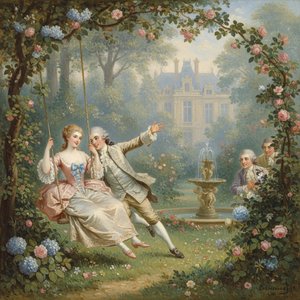
The Rococo Reverie of Fragonard: Love, Leisure & Pleasure in 18th-Century France
Explore the captivating world of Jean-Honoré Fragonard! Discover his Rococo masterpieces, intimate portraits & the allure of 18th-century French art. Learn about 'The Progress of Love' and more at OriginalUniqueArt.

A Rokoko Mesterek: 10 alkotás, mely meghatározta a művészetet | OriginalUniqueArt.com
Fedezze fel a Rokoko művészet 10 legikonikusabb remekművét! Ismerje meg Watteau, Boucher és Fragonard festményeinek történetét. Elegáns dekorációk inspirációja – OriginalUniqueArt.com kínálatában megtalálható minden művészi nyomat. Explore the full collection online!
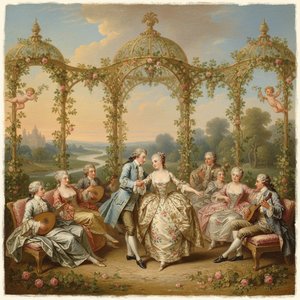
Jean-Baptiste Pater: Rococo Charm & Ephemeral Beauty of 18th-Century France
Explore the captivating world of Jean-Baptiste Pater, a master of Rococo painting. Discover his elegant *fête galante* scenes and shimmering portraits – a glimpse into 18th-century French aristocracy. Learn about his legacy & find high-quality reproductions.


