Megtekintés
 Küldés
 Megosztás
 Részletek

 Letöltés
 Hasonló darabok
 X-ray felvétel
 Diavetítés
 Statisztika
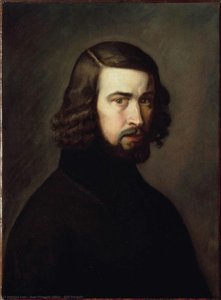
The Bather

 Összes részlet megjelenítése
Giclée / Műnyomat
Múzeumi minőségű giclée vagy vászonnyomat, gyors gyártással és rugalmas finomítási lehetőségekkel. ( Kézzel festett másolat rendelése Áttérés digitális képre)




P118B $10

P118H $10

P118W $10

P438Z $10

P508JH $12

P508YH $12

P805H $10

P805Z $10

P919BZ $10

P919G $10

P919XJ $10

P959ZH $10

P968JZ $12

W106C $8

W218G $10

W218JH $8

W218Y $10

W307PJ $10

W316G $10

W316PJ $8

W316Y $10

W398PJ $8

W4111J $10

W500HY $15

W500JH $15

W692G $12

W849H $8

W940BG $15

W953PJ $8




Válasszon előre meghatározott méreteink közül, amelyek megfelelnek a műalkotás eredeti arányainak.

Megadhat saját méreteket is egy konkrét kerethez vagy helyszínhez igazítva. Amennyiben a kiválasztott méret nem egyezik az eredeti kép arányokkal, a műalkotást le fogjuk vágni, vagy kiegészítjük a képet tükrözött vagy egyszínű szélekkel. A gyártás megkezdése előtt egy digitális tervezetet küldünk jóváhagyásra.
Kérjük, vegye figyelembe, hogy a képernyőn látható előnézet nem tükrözi a tényleges levágást vagy kiegészítést. Csak a tervezet mutatja pontosan a végső kompozíciót.
Bár az egyedi méretek is elérhetőek, az eredeti arányok megőrzése érdekében azt javasoljuk, hogy válasszon a előre meghatározott listából származó méretet.
Világszerte történő kiszállítás területére mindössze 2 hét alatt, a szokásos 4-5 hét helyett. (19 szeptember)

Ingyenes globális expressz szállítás

Prémium minőségű len vászon

Teljes körű szállítási biztosítás

Vámvisszatérítési Garancia

Hiteles színpontosság garancia

100 napos visszaküldési lehetőség (csak hibás termékek esetén)

100% pénzvisszatérítési garancia

Több darab vásárlása esetén kedvezmény
 Az üvegkeretes opció csak 110 cm alatti méretben érhető el

The Bather
Giclée / Műnyomat
Reprodukció mérete
-


Összesített ár
$ 80
A Portrait of Rural Dignity: Exploring Jean-François Millet’s “The Bather”
Jean-François Millet stands as one of the titans of Realism, an artist who dared to confront the realities of peasant life with unflinching honesty and profound empathy. His masterpiece, "The Bather," completed in 1870, isn't merely a depiction of a woman bathing; it’s a distillation of the spirit of its time—a testament to Millet’s unwavering commitment to portraying the everyday struggles and triumphs of rural France during the waning years of the Second Empire.- Historical Resonance: The painting emerged from a period marked by significant societal upheaval. Napoleon III's reign was drawing to a close, ushering in anxieties about political stability and cultural direction. Millet’s work responded directly to this climate, mirroring the broader artistic movement that sought to abandon Romantic idealism for grounded observation of the natural world.
- Realist Vision: Unlike the grand narratives favored by earlier generations, Millet eschewed theatrical grandeur. Instead, he focused on capturing the quiet dignity of ordinary individuals—specifically a woman tending to her bathwater in a sunlit meadow. This deliberate simplicity underscores his belief that beauty could be found not in idealized fantasies but in the tangible details of human experience.
Composition and Technique: Light, Shadow, and Texture
Millet’s artistic prowess lies primarily in his masterful manipulation of light and shadow—elements he employed with remarkable precision. The muted palette—dominated by earthy browns and greens—creates an atmosphere of serene contemplation. Loose brushstrokes contribute to a palpable sense of texture, mirroring the rough surface of the rocks upon which the woman rests and conveying the warmth of the sun’s rays illuminating her skin. Notice how Millet skillfully directs our gaze toward the central figure, emphasizing her vulnerability yet simultaneously projecting strength through her posture. The artist's meticulous attention to detail—from the subtle creases in the woman’s clothing to the delicate feathers drifting from the birds overhead—further enhances the painting’s realism.- Symbolism of Nature: Beyond its visual beauty, “The Bather” carries symbolic weight. The meadow itself represents fertility and renewal, mirroring the cyclical rhythms of rural life. The woman's bathing ritual symbolizes purification—a yearning for solace amidst hardship—reflecting a broader humanist concern with the human condition.
- Emotional Impact: Millet’s work transcends mere representation; it evokes profound emotion. Viewers are invited to contemplate themes of solitude, resilience, and connection to the natural world. The painting's quiet dignity speaks to an enduring fascination with the beauty inherent in simplicity and the importance of confronting life’s challenges with grace.
Legacy and Influence: Millet’s Enduring Relevance
Jean-François Millet’s influence extends far beyond his own lifetime. He championed Realism as a corrective to Romantic sentimentality, paving the way for subsequent artists like Gustave Courbet and Jules Bastien Lepage. His unwavering dedication to portraying the lives of rural laborers solidified his place among the pioneers of Impressionism and continues to inspire contemporary artists seeking authenticity and emotional depth. To experience Millet’s vision firsthand, explore exquisite reproductions at OriginalUniqueArt.com – where you can discover a stunning rendition of “The Good Samaritan” and other iconic works.A művész életrajza
A Life Rooted in the Soil: The World of Jean-François Millet
Jean-François Millet, a name inextricably linked to the dignity of rural life and the burgeoning Realist movement in 19th-century France, was born not into the rarefied atmosphere of artistic privilege but squarely within the very world he would tirelessly immortalize on canvas. October 4, 1814, found him arriving in Gruchy, a small Norman village nestled deep within a landscape defined by its agricultural traditions. This upbringing wasn’t merely a picturesque backdrop to his life; it *was* his life, shaping his artistic vision with an authenticity that resonated profoundly with a society undergoing profound and rapid transformation. His parents, Jean-Louis-Nicolas and Aimée-Henriette-Adélaïde Henry Millet, were themselves farmers, instilling in young Jean-François not just a connection to the land but also a deep understanding of its rhythms – the sowing, the reaping, the threshing – tasks that would become recurring motifs in his paintings, imbued with both physical labor and quiet dignity. Early education wasn’t confined to formal schooling, though local priests recognized his intellectual potential and facilitated access to it; equally formative were the experiences gleaned from participating directly in farm work, a visceral understanding of hardship, resilience, and the simple beauty of rural existence.From Academic Aspirations to Rural Revelation
Millet's artistic journey began with a traditional path – formal training. Initially, he studied portraiture under Bon Du Mouchel in Cherbourg, followed by Théophile Langlois de Chèvreville, a student of Baron Gros, in the same town. In 1837, he ventured to Paris and enrolled at the prestigious École des Beaux-Arts, immersing himself in the academic traditions of the Salon system. However, this environment proved stifling; the rigid expectations and emphasis on idealized subjects clashed with Millet’s burgeoning artistic sensibilities. His early works – portraits and small mythological and pastoral scenes – were met with initial successes, but these were quickly followed by rejections from the Salon, leading to a period of considerable artistic disillusionment. A pivotal turning point arrived in the 1840s, marked by profound personal tragedy – the untimely loss of his beloved wife, Pauline-Virginie Ono – and a growing dissatisfaction with the romanticized depictions of peasant life prevalent at the time. He began to actively reject these idealized pastoral scenes, seeking instead to portray rural existence with an unflinching honesty that reflected the realities faced by those who labored in the fields. This shift was powerfully influenced by his association with other artists committed to capturing the truth of everyday life – figures like Constant Troyon, Narcisse Diaz, and Charles Jacque – forming a core group within the Barbizon school. This movement prioritized *plein air* painting—working directly from nature—and rejected the artificiality of academic artifice, embracing a more direct and immediate approach to representation.The Poetry of Labor: Themes and Techniques
Millet’s oeuvre is profoundly characterized by his deep empathy for the working class, particularly peasant farmers. He didn't simply depict their labor; he elevated it to a level of dignity and spiritual significance previously unseen in art. His paintings are not sentimental idealizations but rather honest portrayals of hardship, resilience, and quiet devotion. The Gleaners (1857), perhaps his most iconic work, exemplifies this approach. The three women depicted gathering leftover grain after the harvest aren’t romanticized figures; they are laborers, bent double by toil, yet possessing a quiet dignity that commands respect – a dignity born not of beauty but of perseverance and necessity. The Angelus (1850-1861), another masterpiece, captures a moment of profound spirituality – a peasant couple pausing in their work to pray as the evening bell tolls – transforming an everyday act into something sacred. The scene is rendered with remarkable realism, capturing not just the physical postures but also the emotional weight of the moment. The Sower (1850) stands as an equally powerful image, representing the cyclical nature of agricultural labor and humanity’s fundamental connection to the land – a connection that transcends mere economic necessity. Millet's technical approach was deeply rooted in the traditions of Dutch Masters like Jan Vermeer and Frans Hals, particularly their masterful use of light and shadow to create depth and atmosphere. He also drew inspiration from classical sculpture, evident in the monumental quality of his figures and their carefully constructed poses. Millet employed a limited palette, primarily earthy tones – browns, ochres, greens – that reflected the colors of the countryside, and built up layers of paint with meticulous detail to create a sense of texture and depth, imbuing his canvases with a palpable sense of physicality.A Lasting Legacy: Millet’s Influence and Historical Significance
Jean-François Millet died in Barbizon on January 20, 1875, leaving behind a body of work that profoundly impacted the course of modern art. He played a pivotal role in establishing Realism as a dominant force in painting, challenging the conventions of academic art and paving the way for future movements like Impressionism and Social Realism. His focus on everyday life and social issues resonated deeply with artists who sought to depict the world around them with honesty and authenticity. His influence extended beyond painting; his images became symbols of rural virtue and working-class solidarity, inspiring writers, poets, and political thinkers. Artists such as Correa Benito Rebolledo continued to explore themes of rural life and social justice, directly influenced by Millet’s example. Despite facing criticism during his lifetime – often accused of being a socialist for his depictions of the poor – Millet's work gradually gained recognition and acclaim. A major retrospective exhibition in Paris and London in 1975–76 was instrumental in rehabilitating his reputation, demonstrating the enduring power and significance of his art. Today, Millet’s paintings continue to captivate audiences with their timeless beauty, emotional depth, and enduring message of human dignity – a testament to his ability to capture not just the outward appearance but also the inner spirit of those who labored beneath the sun.Major Works
- The Gleaners (1857): A poignant depiction of women gathering leftover grain.
- The Angelus (1850-1861): A symbol of rural piety and a moment of quiet devotion.
- The Sower (1850): An iconic image representing the cycle of agricultural labor.
- Man with a Hoe: A powerful representation of physical toil and human endurance.
- Harvesters Resting: Capturing a moment of respite amidst arduous work.

Millet
1814 - 1875 , Franciaország
A művészről röviden
- Artistic Movement Or Style: Realizmus, Barbizoni iskola
- Artists Or Movements Influenced By This Artist:
- Impressionizmus
- Társadalmi realizmus
- Artists Who Influenced This Artist:
- Holland mesterek
- Paul Delaroche
- Date Of Birth: 1814. okt. 4.
- Date Of Death: 1875. jan. 20.
- Full Name: Jean-François Millet
- Nationality: Francia
- Notable Artworks:
- A Kalászszedők
- A Magvető
- Az Angelus
- Place Of Birth: Gruchy, Francia
Kapcsolódó cikkek
A realizmus 10 legikonikusabb remekműve: festmények, művészek és inspiráció otthonra
Fedezze fel a realizmus 10 legjelentősebb remekművét! Gustave Courbet, Jean-François Millet és más híres festők alkotásai. Múzeumi minőségű reprodukciók otthonra – inspirációt és luxus dekorációt kínálunk. Böngésszen a OriginalUniqueArt.com teljes gyűjteményében!
The Barbizon School: Pioneering Realism & the Pastoral Vision in 19th-Century French Painting
Explore the Barbizon School's pivotal role in 19th-century French painting. Discover how these artists revolutionized landscape art with their commitment to Realism and a profound connection to nature. Learn about key figures like Rousseau, Millet & Corot.

Romantic Realism's Finest: 10 Masterpieces for Your Home | OriginalUniqueArt
Explore 10 defining masterpieces of Romantic Realism! Discover Courbet, Millet & Daumier's powerful paintings—capturing emotion and social realities. Find museum-quality reproductions for your home at OriginalUniqueArt.com.
Golden Fields & Rustic Souls: Exploring the Timeless Art of Jean-François Millet
Discover the profound beauty of Jean-François Millet’s masterpieces. Explore the soul of the Barbizon School through an expert lens, celebrating the dignity of rural life and the timeless legacy of Realism in fine art history.

Jean-François Millet: Realism, Rural Life & the Poetic Depiction of Labor
Explore the life & work of Jean-François Millet, a founder of Realism. Discover his poignant depictions of rural France, iconic paintings like 'The Angelus,' and lasting influence on art history. Learn more at OriginalUniqueArt.