

 Előnézet
 Megosztás
 Megosztás
 Részletek
 Útmutató

 Letöltés
 Hasonló darabok
 X-ray felvétel
 Diavetítés
 Statisztika
Window Opening on Nice


 Tovább olvasom
Az ezen az oldalon megjelenített műalkotások szerzői jogi védelem alatt állnak, ami azt jelenti, hogy törvényileg nem készíthetünk és nem adhatunk el belőlük pontos másolatokat. Ez a védelem olyan nemzetközi megállapodások alapján érvényesül, mint például a Berni Egyezmény és a nemzeti törvények által, beleértve azokat is, amelyeket meghatározott Az USA szerzői jogi törvénye – 17. cím.
Mint tiszteletes és törvényes alternatívát, olyan egyedi, kézzel festett alkotásokat kínálunk, amelyek az eredetiből merítnek inspirációt. Tapasztalt és professzionális művészeink alaposan tanulmányozzák az eredeti stílusát, hangulatát és művészeti esszenciáját, hogy egy olyan új, egyedi alkotást hozzunk létre, amely ugyanazt az érzést kelti – miközben önálló, eredeti alkotásként létezik.
Ez a módszer teljes mértékben megfelel a szerzői jogi szabályozásnak, mivel nem tartalmazza a védett műalkotás másolását vagy duplikálását. Ehelyett ez egy kreatív újinterpretáció – egy új festmény, amely az eredetivel való összefüggései miatt hatással van rá, de nem az az.
Kézzel készített olajfestmény reprodukció
Kézzel festett olajvastú vászon, az Ön által választott méretben és keretben, művészeink készítik meglévőre. ( Váltás nyomtatványra Áttérés digitális képre)




P118B Ft10

P118H Ft10

P118W Ft10

P438Z Ft10

P508JH Ft12

P508YH Ft12

P805H Ft10

P805Z Ft10

P919BZ Ft10

P919G Ft10

P919XJ Ft10

P959ZH Ft10

P968JZ Ft12

W106C Ft8

W218G Ft10

W218JH Ft8

W218Y Ft10

W307PJ Ft10

W316G Ft10

W316PJ Ft8

W316Y Ft10

W398PJ Ft8

W4111J Ft10

W500HY Ft15

W500JH Ft15

W692G Ft12

W849H Ft8

W940BG Ft15

W953PJ Ft8




Válasszon előre meghatározott méreteink közül, amelyek megfelelnek a műalkotás eredeti arányainak.

Írja be a kívánt szélességet és magasságot, hogy illeszkedjen a keretéhez vagy a falához. Mivel ez kézzel festett alkotás, egy eltérő formájú méret esetén a művész akár festhet is valamivel többet a kép körül, vagy korolathat is belőle — az Ön döntésének megfelelően. A festés megkezdése előtt küldünk egy digitális tervezetet jóváhagyásra. Az oldalon látható kép nem tartalmazza a végeredményt — csak a tervezet mutatja meg a valódi eredményt.
A rendelést követően a OriginalUniqueArt.com csapata e-mailt küld az ügyfélnek az instrukciókért, és biztosít egy előnézeti képet (mockup).
Világszerte elérhető szállítás () 3-4 hét alatt a szokásos 5 hét helyett. (24 október). A minőség nem kérdőjelezhető.

Ingyenes globális expressz szállítás

Prémium minőségű len vászon

Teljes körű szállítási biztosítás

Vámvisszatérítési Garancia

Tökéletes színarányosság garancia

100 napos visszaküldési garancia (csak gyártási hibás termékek esetén)

100% pénzvisszatérítési garancia

Több darab vásárlásakor kedvezmény
 Az üvegkeretes opció csak 110 cm alatti méretben érhető el

Window Opening on Nice
Reprodukciós technika
Reprodukció méretei
-


Összesített ár
Ft 96017
A Portal to Serenity: The Luminous World of Jean Dufy
In the quiet intimacy of a hotel room in Nice, Jean Dufy captures far more than a mere architectural detail; he invites us into a state of mind. Window Opening on Nice serves as a breathtaking threshold between the private sanctuary of an interior space and the boundless, sun-drenched expanse of the French Riviera. The composition is anchored by a large, vibrant blue window framed in crisp white trim, acting as a literal and metaphorical frame for the soul. Through this aperture, the viewer’s gaze is pulled irresistibly toward the shimmering ocean, where the horizon dissolves into a dream of summer. It is a painting that does not merely depict a view, but actively stirs the deep-seated human desire for travel, escape, and the pursuit of light.
The interior of the room is a masterclass in cozy, lived-in elegance. Dufy populates the scene with an array of furniture—sturdy chairs positioned near the window and a central dining table—that suggests a moment of pause in a busy life. Scattered throughout the composition are books, resting on surfaces and tucked near the window, hinting at a life of intellectual leisure and quiet contemplation. This arrangement creates a sense of "domestic wanderlust," where the comfort of the indoors meets the wild, rhythmic call of the sea. For the interior designer or collector, this piece offers a profound sense of depth, bringing the restorative energy of the Mediterranean coast into any room it inhabits.
Technically, the work reflects Dufy’s profound connection to the Fauvist movement, a style ignited by his early encounter with the works of Henri Matisse. The painting breathes through its use of color and light; the blues are not merely pigments but are infused with the clarity of the southern French sky. His brushwork, while maintaining structure, possesses an expressive fluidity that allows the atmosphere to feel palpable. There is a rhythmic quality to how the light hits the white trim and the scattered books, creating a visual melody that guides the eye from the foreground's tactile details to the distant, hazy blue of the coast.
Beyond its aesthetic brilliance, Window Opening on Nice carries a symbolic weight of peace and optimism. In an era where the world can feel increasingly fragmented, Dufy’s ability to find joy in the ephemeral—the way light hits a tabletop or the view from an open window—is a gift to the viewer. It is a piece that celebrates the beauty of the everyday and the restorative power of nature. Owning a reproduction of this masterpiece means more than decorating a wall; it means installing a permanent window to tranquility, a constant reminder that even within our most private spaces, the infinite horizon is always within reach.
Gyakran Ismételt Kérdések
Általánosságban inkább világos vagy sötét a "Window Opening on Nice"?
A „Window Opening on Nice”, Jean Dufy alkotása rögzített értékei: bright fényerő, Gentle Luminance luminancia.
Hogyan találkoznak a korszak és a mű stílusa „Window Opening on Nice”, Jean Dufy alkotása alkotásban?
A „Window Opening on Nice”, Jean Dufy alkotása a Fauvism irányzat pripad, alkotójának Modern korszakából származva.
Mit ábrázol a „Window Opening on Nice”, Jean Dufy alkotása, és milyen hangulatot közvetít?
A "Window Opening on Nice" című alkotás nice, ocean view, window, french riviera, interior, coastal scene, summer, travel témákat ábrázol, hangulata pedig Serene.
A művész életrajza
A Life Immersed in Light: The World of Jean Dufy
Jean Dufy, born in Le Havre in 1888, wasn’t merely a painter; he was a chronicler of joy, a celebrator of the ephemeral beauty found in everyday life. Coming from a large and artistically inclined family – his brother Raoul being the more renowned Fauvist painter – Jean initially pursued a conventional path as a clerk, but the allure of color proved too strong to resist. A pivotal moment arrived in 1906 when he encountered Henri Matisse’s *Fenêtre ouverte à Collioure* at an exhibition, igniting within him a passion for vibrant hues and expressive brushwork that would define his artistic journey. This early exposure wasn't simply imitation; it was the spark that set Dufy on a course to develop a uniquely personal vision. He began selling paintings in 1907, demonstrating an immediate connection with collectors who recognized the burgeoning talent within him.From Military Service to Parisian Society
The outbreak of World War I interrupted Dufy’s artistic momentum, forcing him into military service as an ambulance driver and later a cyclist in the artillery. Despite the grim realities of war, he continued to sketch, documenting his experiences and honing his observational skills. This period, though challenging, proved formative, instilling within him a deeper appreciation for life's fragility and the importance of capturing fleeting moments. Upon returning to Paris after the conflict, Dufy fully immersed himself in the artistic milieu of Montmartre, forging connections with prominent figures like André Derain, Georges Braque, and Pablo Picasso. His first exhibition of watercolors in 1914 marked a significant step forward, gaining him recognition within the Parisian art world. The 1920s saw Dufy’s style mature, characterized by dynamic compositions and a focus on scenes of contemporary life – bustling music halls, lively circuses, and exhilarating horse races.The Fauvist Spirit & Beyond
While often associated with Fauvism due to his brother Raoul's prominence in the movement, Jean Dufy carved out his own distinct artistic identity. He embraced the bold color palettes and expressive freedom of the Fauves but tempered them with a more decorative sensibility and a penchant for capturing the energy of modern Parisian society. His paintings weren’t simply representations of scenes; they were celebrations of life's pleasures – the thrill of the racecourse, the spectacle of the circus, the vibrant atmosphere of a cabaret show. Dufy wasn’t afraid to experiment with different styles, briefly exploring Cubism before settling into his signature stenographic technique: rapid, thin color washes applied over skeletal structures, creating a sense of movement and immediacy. This unique approach allowed him to capture the fleeting essence of his subjects with remarkable skill.A Versatile Artist: Porcelain & Public Commissions
Dufy’s artistic talents extended beyond painting. For three decades, he collaborated with Theodore Haviland in Limoges, designing exquisite porcelain patterns featuring floral motifs and charming animal scenes. This work demonstrates his versatility and his ability to translate his aesthetic sensibility into different mediums. In 1936, Dufy was commissioned, alongside his brother Raoul, to create a mural for the Palais de la Lumière et de l’Electricité at the 1937 International Exposition in Paris. Though he dedicated a year to the project, his contribution wasn't fully acknowledged by Raoul upon completion – a poignant reminder of the complexities within their sibling rivalry and artistic partnership. Despite this setback, Dufy continued to exhibit widely, with shows in New York in 1930 and 1938 further solidifying his international reputation.Legacy & Historical Significance
Jean Dufy’s work offers a captivating glimpse into the vibrant world of interwar France. His paintings are not grand historical statements but intimate celebrations of everyday life, imbued with a sense of joy, energy, and optimism. He captured the spirit of the Roaring Twenties and the Belle Époque with remarkable skill, creating images that continue to resonate with audiences today. While overshadowed by his brother Raoul in some respects, Jean Dufy’s unique artistic voice and versatile talents deserve recognition. His legacy lies in his ability to transform ordinary moments into extraordinary works of art, reminding us to appreciate the beauty and fleeting pleasures of life. He stands as a testament to the power of color, movement, and personal expression within the rich tapestry of 20th-century French painting.
Jean Dufy
1888 - 1964
Gyors információk
- Full Name: Vincent Willem van Gogh
- Nationality: Dutch
- Date Of Birth: 1888
- Date Of Death: 1964
- Place Of Birth: Ghent, Belgium
- Notable Artworks:
- Sunflowers
- Bedroom in Arles
- The Starry Night
- Wheatfield with Crows
- Artistic Movement Or Style: Post-Impressionism
- Artists Who Influenced This Artist:
- Eugène Delacroix
- Edgar Degas
- Paul Gauguin
- Artists Or Movements Influenced By This Artist:
- Expressionism
- Modern art
Kapcsolódó cikkek
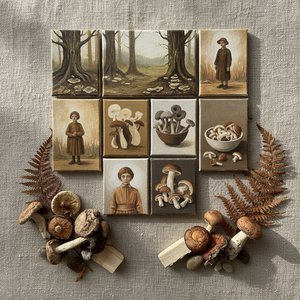
A 10 legikonikusabb festmény gombaszínekben – művészet otthonába a OriginalUniqueArt.com-mal
Fedezze fel a 10 legikonikusabb festményt, melyeket gombaszínek és barna árnyalatok dominálnak! Ismerje meg Van Gogh, Monet, Rembrandt műveit és inspirálódjon otthon dekorációjához. Museum-minőségű reprodukciók a OriginalUniqueArt.com-on!
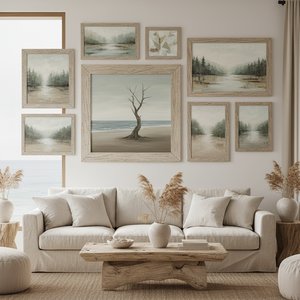
A Top 10 híres festmény, melyeket a 'driftwood' tónusok uralnak – művészeti remekművek otthonába
Fedezze fel a Top 10 híres festményt, melyeket a 'driftwood' tónusok uralnak! Monet-tól Van Gogh-ig – inspiráló művészeti remekművek és történetek. Vászonképek eladó, magas minőségben a OriginalUniqueArt.com-on. Explore the full collection online!
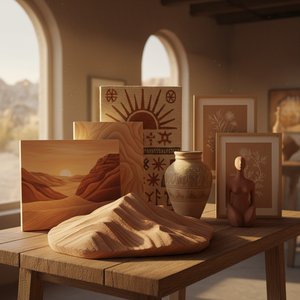
A homokszínű mesterművek világa: 10 ikonikus festmény a OriginalUniqueArt kínálatában
Fedezze fel a 10 legikonikusabb homokszínű festményt! Monet, Van Gogh és más mesterek művei inspirálnak. Vászonképek, faliképek otthonába – OriginalUniqueArt.com kínálatából. Explore the full collection online!

A kék árnyalatai: 10 ikonikus festmény a Slate Blue szín jegyében | OriginalUniqueArt.com
Fedezze fel a 10 legikonikusabb festményt, melyeket a Slate Blue szín ural! Monet, Renoir és más mesterek művei inspirálnak. Vászonképek eladás, otthon dekoráció tippek a OriginalUniqueArt.com-on. Explore the full collection online!
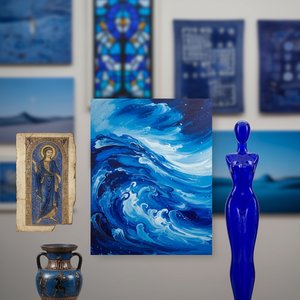
The Allure of Azure: Exploring the Symbolic & Aesthetic Depths of Blue in Art History
Explore the rich history of blue in art! Discover its symbolism, from ancient pigments to modern masterpieces by Kandinsky & Seurat. Uncover the psychological impact and cultural meanings behind this captivating hue.