

 Megtekintés
 Küldés
 Megosztás
 Részletek

 Letöltés
 Hasonló darabok
 X-ray felvétel
 Diavetítés
Roses


 Összes részlet megjelenítése
Vásároljon nagy felbontású, javított digitális képet, amely minőségében messze felülmúlja az online előnézetet.
Minden fájlt szakembereink a legmodernebb eszközök és precíz, kézi retusálás segítségével készítenek el aprólékosan. Gondoskodunk arról, hogy minden kép kivételes tisztasággal, pontos színhelyességgel és részletgazdag finomsággal rendelkezzen.
A végleges fájl 72 órán belül e-mailben megérkezik, professzionális, szerkesztői és nyomtatási környezetbe optimalizálva az azonnali használathoz. Ez ugyanaz a minőség, amelyben a legmeghatározóbb tervezőstúdiók, kiadók és galériák is megbízhatnak.
Digitális kép
Töltsön le nagy felbontású fájlt személyes kiállításokhoz, nyomtatáshoz és kreatív projektekhez. ( Nyomat rendelése Kézzel festett másolat rendelése)
Minden digitális kép rendeléséhez tartozó extrák
Szakértői digitális kézbesítés, garantáltan
Amikor a OriginalUniqueArt.com szolgáltatást választja, nem csupán egy képet kap – professzionálisan felmagasított digitális műalkotást kap, amely precizitással készült, és amelyet megelégsedési gwarancia tesz biztoslássá. Az alábbiakban automatikusan minden benne 】

Gyors e-mail teslimítés
A nagy felbontású digitális képmásolatát a megrendelést követő 72 órán belül e-mailben elküldjük Önnek – azonnal használható formátumban.

MI-alapú digitális fejlesztésű fájl
Műve professzionális módon kerül optimalizálásra fejlett mesterséges intelligencia eszközök és manuális szerkesztés segítségével, biztosítva a maximális részletességet, tisztaságot és színpontosságot.

Örök életű ingyenes újradelivery
Véletlenül törölted vagy elvesztetted a fájlodat? Ne aggódj – bármikor ingyen újra megküldjük neked.

Nincs importköltség – soha
Élvezze műalkotásait azonnal, vám, illeték vagy szállítási költség nélkül – a digitális letöltések mindig adamentesek.

Színpontosság garantálása
Professzionális eszközök és színkezelés segítségével garantáljuk, hogy digitális képe a lehető legpontosabban tükrözze az eredeti színeket.

60 napos elégedettségi garancia
Ha nemມີ elégedett a digitális képpel, 60 napon belül átmunkáljuk azt, vagy 100% visszatérítjük az amountot – kérdés nélkül.

100% Pénzvisszatérítési garancia
Nem érheted el a teljes elégedettséget? 60 napon belül teljes visszatérítést kapsz a digitális fájlod megérkezése után – kérdés nélkül.

Tömegrendelési kedvezmények
Vásároljon 3 képet, spóroljon 10%-et - Vásároljon 5-öt, spóroljon 15%-et - Vásároljon 10+ képet, spóroljon 20%-at. Kiváló kreatív projektekhez, galériákhoz és ügynökségekhez.
A gyűjtemény részletei
A művész életrajza
A Life Immersed in Light and Shadow: The World of Jean-Baptiste Robie
Born in Brussels in 1821, Jean-Baptiste Robie embarked on a journey that would weave together the meticulous detail of still life painting with the vibrant allure of distant lands. His beginnings were humble; his father, a blacksmith, instilled a practical sensibility that contrasted sharply with the artistic inclinations blossoming within young Jean-Baptiste. This early exposure to craft and labor, however, may have subtly informed his later work—a certain solidity and groundedness present even in his most delicate floral arrangements. Initially self-taught, Robie’s talent soon drew the encouragement of fellow artist Théodore Fourmois, who guided him toward formal training at the prestigious Académie Royale des Beaux-Arts in Brussels. There, under the tutelage of Balthazar-François Tasson (later Tasson-Snel), he honed his skills and began to establish himself within the Belgian art community.From Blossoms to Eastern Visions: The Evolution of an Artistic Style
Robie’s career initially flourished with exquisitely rendered flower paintings. He quickly gained recognition for capturing not merely the *appearance* of blossoms, but their very essence—the velvety texture of petals, the luminous quality of light filtering through delicate forms. These early still lifes weren't simply botanical studies; they were celebrations of beauty and transience, imbued with a Romantic sensibility that emphasized emotion and imagination. However, Robie’s artistic spirit was restless. He yearned to explore beyond the confines of the studio, and this desire led him on extensive travels that would profoundly alter his artistic trajectory. Venturing as far as India, he immersed himself in different cultures, landscapes, and ways of life. This exposure ignited a passion for depicting exotic Oriental scenes—vibrant depictions of Eastern life filled with rich detail and evocative atmosphere. His style, while rooted in Romanticism’s emphasis on emotion and the beauty of nature, also demonstrated a keen eye for realism, reflecting his meticulous observation skills honed through years of still life painting. He documented these travels not only through paint but also through numerous travel books, blending artistic observation with literary expression—a testament to his multifaceted talent.Recognition and Legacy: A Voice Within the 19th-Century Belgian Art Scene
Throughout his career, Robie actively sought recognition for his work, regularly exhibiting at both the Brussels Salon from 1843 to 1875 and the prestigious Paris Salon. These exhibitions provided a platform to showcase his evolving style and connect with a wider audience. His paintings were consistently praised for their technical skill, vibrant colors, and ability to evoke a specific mood or atmosphere. While perhaps not as widely celebrated during his lifetime as some of his contemporaries, Robie’s contributions to 19th-century Belgian art are significant. He successfully bridged the gap between traditional still life techniques and exotic subject matter, creating a unique body of work that continues to captivate viewers today. His most celebrated achievements remain his flower paintings—admired for their exquisite detail and luminous quality—but his Oriental scenes offer a fascinating glimpse into the cultures he encountered during his travels, providing valuable historical and artistic insights.A Reflection of an Era: Historical Significance
Jean-Baptiste Robie’s artistic journey is deeply intertwined with the broader trends of 19th-century art. The rise of Romanticism, with its emphasis on emotion and individualism, provided a fertile ground for his early floral studies. Simultaneously, the growing interest in travel, exploration, and cultural exchange fueled his later fascination with Oriental scenes. His combination of painting and writing exemplifies a multifaceted talent—a commitment to exploring the world through both visual and literary means.- Romantic Influences: The emphasis on emotion, imagination, and the beauty of nature.
- Realist Techniques: A keen eye for detail and accurate representation in his depictions.
- Travel & Exploration: The impact of journeys to India and beyond on his subject matter and artistic vision.
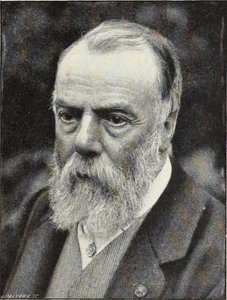
jean baptiste robie
1821 - 1910 , Belgium
Érdekességek
- Artistic Movement Or Style: Romanticism, Realism
- Artists Who Influenced This Artist:
- Balthazar-François Tasson
- Théodore Fourmois
- Date Of Birth: 1821
- Date Of Death: 1910
- Full Name: Jean-Baptiste Robie
- Nationality: Belgian
- Notable Artworks:
- Hunting Still Life With Birds
- Autumn Flowers
- Still Life of Roses
- Place Of Birth: Brussels, Belgium

