Megtekintés
 Küldés
 Megosztás
 Részletek
 Útmutató

 Letöltés
 Hasonló darabok
 X-ray felvétel
 Diavetítés
 Kérdések és válaszok
 Statisztika
Farmhouse

- 130.0 x 212.0 cm


 Összes részlet megjelenítése
Giclée / Műnyomat
Múzeumi minőségű giclée vagy vászonnyomat, gyors gyártással és rugalmas finomítási lehetőségekkel. ( Kézzel festett másolat rendelése Áttérés digitális képre)




P118B Ft10

P118H Ft10

P118W Ft10

P438Z Ft10

P508JH Ft12

P508YH Ft12

P805H Ft10

P805Z Ft10

P919BZ Ft10

P919G Ft10

P919XJ Ft10

P959ZH Ft10

P968JZ Ft12

W106C Ft8

W218G Ft10

W218JH Ft8

W218Y Ft10

W307PJ Ft10

W316G Ft10

W316PJ Ft8

W316Y Ft10

W398PJ Ft8

W4111J Ft10

W500HY Ft15

W500JH Ft15

W692G Ft12

W849H Ft8

W940BG Ft15

W953PJ Ft8




Válasszon előre meghatározott méreteink közül, amelyek megfelelnek a műalkotás eredeti arányainak.

Írja be a keretének vagy a falának megfelelő szélességet és magasságot. A nyomatot csak le lehet vágni, soha nem tehető nagyobbá, mint az eredeti kép, így egy eltérő alakú méretnél a kép egy része elveszik. Mielőtt bármit kinyatintanánk, küldünk egy digitális próbamodellt jóváhagyásra. Az oldalon látható kép nem tartalmazza a valós levágást — ezt csak a próbamodell mutatja meg.
Világszerte történő kiszállítás területére mindössze 2 hét alatt, a szokásos 4-5 hét helyett. (5 november)

Ingyenes globális expressz szállítás

Prémium minőségű len vászon

Teljes körű szállítási biztosítás

Vámvisszatérítési Garancia

Hiteles színarányosság garancia

100 napos visszaküldési lehetőség (csak hibás termékek esetén)

100% pénzvisszatérítési garancia

Több darab vásárlásakor kedvezmény
 Az üvegkeretes opció csak 110 cm alatti méretben érhető el

Farmhouse
Giclée / Műnyomat
Reprodukció mérete
-


Összesített ár
Ft 26492
A Pastoral Dream in Rococo Hues
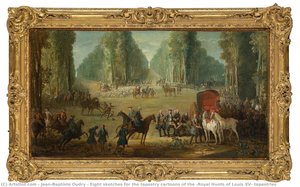
To gaze upon Jean-Baptiste Oudry's "Farmhouse" is to step directly into an idealized vision of 18th-century French rural life. This painting, executed in 1750, transcends a mere depiction of farmstead; it is a carefully orchestrated symphony of light, color, and pastoral tranquility. The Rococo style, with its inherent lightness and elegant exuberance, bathes the entire scene in a soft, almost dreamlike glow. One feels an immediate sense of calm wash over the viewer as the eye wanders from the rustic farmhouse, crowned with its thatched roof, across the fertile expanse of farmland stretching toward the horizon.
Mastery of Light and Detail
Oudry’s technical brilliance is immediately apparent in every meticulously rendered element. His handling of light is nothing short of masterful; it seems to emanate naturally from the scene itself, highlighting the textures of the wood, the softness of the sheep's wool, and the delicate folds of the clouds overhead. The composition is a study in balance, framed beautifully by lush trees that flank both sides, lending an almost theatrical depth to the foreground. Notice the scattered life—the contented cows grazing near the structure, the busy chickens pecking at the earth. These animals are not mere props; they imbue the scene with palpable vitality, suggesting the rhythm of daily existence.
Symbolism of Abundance and Harmony
Beyond its surface beauty, "Farmhouse" carries deep symbolic weight. It speaks to an era's idealized relationship with nature—a time when agricultural bounty was celebrated as a source of both sustenance and aesthetic pleasure. The combination of the thriving farmland, the sheltering farmhouse, and the gentle presence of human figures engaged in labor suggests themes of harmony, prosperity, and settled domestic bliss. Even the inclusion of farm implements hints at a life lived in respectful partnership with the land.
Bringing the Countryside Home
For the collector or designer seeking to infuse a space with timeless elegance, this piece offers unparalleled depth. The warm palette, dominated by rich earth tones punctuated by soft pastels, ensures that "Farmhouse" can anchor any room, whether it be a grand salon yearning for rustic charm or a sunlit breakfast nook desiring an air of cultivated serenity. Owning a reproduction allows one to possess not just a painting, but a tangible piece of 18th-century French artistry—a window into a bygone era of idyllic simplicity and exquisite craftsmanship.
Kérdések és válaszok
Milyen nemzetiség áll a „Farmhouse” Rococo Style-ének hátterében?
A "Farmhouse" alkotását Jean-Baptiste Oudry készítette, aki Franciaország-ban született, a Rococo Style irányzat keretein belül. A művész származása összeköti a művet a Rococo Style stílussal, amelyet Franciaország művészei gyakoroltak.
Milyen elhelyezés illik „Farmhouse”, Jean-Baptiste Oudry alkotása formátumához?
A Panoramic formájú, a „Farmhouse” című alkotás reprodukcióját egy Living Room számára javasoljuk.
Milyen viszonyban áll egymáshoz a "Farmhouse" színei?
A „Farmhouse”, Jean-Baptiste Oudry alkotása színei Balanced Harmony harmóniát mutatnak be. A harmónia azt írja le, hogyan kapcsolódnak egymáshoz a színek.
A művész életrajza
Jean-Baptiste Oudry: Egy élet a művészetben
Korai évek és képzés
- Született: 1686. március 17-én, Párizs, Franciaország.
- Oudry egy művészi családból származott; apja, Jacques Oudry, festő és kunstkeresked volt. Édesanyja, Nicole Papillon pedig a híres metszőművészhez, Jean-Baptiste-Michel Papillonhoz kapcsolódott.
- Tanulmányait az Académie de Saint-Luc intézményében kezdte, ahol 1707 és 1712 között Nicolas de Largillière mesterkezelése alatt finomította tudását. Ez az alapozó időszak formálta meg korai készségeit a portretálókban és a részletgazdag megfigyelésben.
- Karrierje gyorsan haladt: 1714-ben segédprofesszorrá vált az Académie de Saint-lúk intézményében, majd 1717-re már teljes professzorként is elismerték.
Művészeti fejlődés és stílus
- Bár kezdetben a portretálásra összpontosított, Oudry repertoárja fokozatosan bővült, magában foglalva a csendstilléket – különösen a gyümölcsöket és az állatokat –, valamint vallásos témákat is.
- Művészete a Rococo irányába fejlődött, melyet az elegancia, a naturalizmus, valamint az aristokratikus életmód és a kikapcsolódás játékos ábrázolása jellemzett.
- Oudry aprólékos részletgazdagsága és képessége, amellyel képes volt visszaadni az állatok textúráit és egyedi jellemzőit, művészetének jellegzetes jegyeivé vált.
- Mesterévé vált mind a festészetben, mind a tervezésben, zökkenőmentesen váltva a vászon és a tapisszia készítés között.
Főbb eredmények és nevezetes művek
- A Tájszágos Szórakozások (Les Amusements Champêtres): Egy sor tapisszia tervezete a királyi Beauvais-i Tapissziagyárhoz, amely a vidéki élet és a vadászat idilli jeleneteit mutatja be.
- XV. Lajos vadászik egy szarvast a Saint-Germain erdőben (1730): Ez a festmény végleg megszilárdította Oudry hírnevét a királyi vadászat hivatalos festőjeként. Kiváló példája képességének, amely egyszerre ábrázolja a vadászat pompáját és a természet életszerű környezetét.

Jean-Baptiste Oudry
1686 - 1755 , Franciaország
Rövid információk
- Artistic Movement Or Style: Rococo
- Artists Who Influenced This Artist: Nicolas de Largillière
- Date Of Birth: March 17, 1686
- Date Of Death: April 30, 1755
- Full Name: Jean-Baptiste Oudry
- Nationality: Francia
- Notable Artworks:
- The Pastoral Amusements
- Louis XV Hunting a Deer in the Forest of Saint-Germain
- Place Of Birth: Paris, Francia
Kapcsolódó cikkek
Idyllic Visions: Exploring the Pastoral Tradition in Western Art – Themes, Techniques & Enduring Appeal
Explore the rich history of pastoral art from classical Arcadia to contemporary interpretations. Discover key artists, themes & collecting tips at OriginalUniqueArt.

Léon Augustin L'Hermitte: Capturing the Soul of French Rural Life
Discover the captivating realist paintings of Léon Augustin L'Hermitte, masterfully depicting French rural life. Explore his technique, influences & legacy – a cornerstone of 19th-century art.

A Rokoko Mesterek: 10 alkotás, mely meghatározta a művészetet | OriginalUniqueArt.com
Fedezze fel a Rokoko művészet 10 legikonikusabb remekművét! Ismerje meg Watteau, Boucher és Fragonard festményeinek történetét. Elegáns dekorációk inspirációja – OriginalUniqueArt.com kínálatában megtalálható minden művészi nyomat. Explore the full collection online!
Állatok a művészetben: Szimbolizmus és jelentés a festményekben
Fedezze fel az állatok rejtett szimbolikáját a művészetben! Mélyreható elemzésekkel segítünk megérteni a festmények jelentését, a középkortól a modern korig. Ismerje meg a művészettörténet legérdekesebb aspektusait!

The Rococo Aesthetic: Opulence, Rebellion & the Pursuit of Pleasure in 18th-Century Art
Explore the opulent world of Rococo art! Discover its origins, key artists like Watteau & Boucher, and lasting influence on design. Expert insights for collectors & enthusiasts.