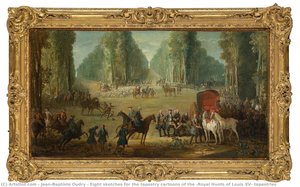
Előnézet
 Megosztás
 Megosztás
 Részletek
 Útmutató

 Letöltés
 Hasonló darabok
 X-ray felvétel
 Diavetítés
 Statisztika
Dead Wolf
 Oil On Canvas
- WallArt
- Baroque Rococo
 1721
1721 193.0 x 260.0 cm
 Wallace Collection
 Tovább olvasom
Giclée / Műnyomat
Múzeumi minőségű giclée vagy vászonnyomat, gyors gyártással és rugalmas finomítási lehetőségekkel. ( Kézzel festett másolat vásárlása Áttérés digitális képre)




P118B Ft10

P118H Ft10

P118W Ft10

P438Z Ft10

P508JH Ft12

P508YH Ft12

P805H Ft10

P805Z Ft10

P919BZ Ft10

P919G Ft10

P919XJ Ft10

P959ZH Ft10

P968JZ Ft12

W106C Ft8

W218G Ft10

W218JH Ft8

W218Y Ft10

W307PJ Ft10

W316G Ft10

W316PJ Ft8

W316Y Ft10

W398PJ Ft8

W4111J Ft10

W500HY Ft15

W500JH Ft15

W692G Ft12

W849H Ft8

W940BG Ft15

W953PJ Ft8




Válasszon előre meghatározott méreteink közül, amelyek megfelelnek a műalkotás eredeti arányainak.

Írja be a keretének vagy a falának megfelelő szélességet és magasságot. A nyomatot csak le lehet vágni, soha nem tehető nagyobbá, mint az eredeti kép, így egy eltérő alakú méretnél a kép egy része elveszik. Mielőtt bármit kinyatintanánk, küldünk egy digitális próbamodellt jóváhagyásra. Az oldalon látható kép nem tartalmazza a valós levágást — ezt csak a próbamodell mutatja meg.
Világszerte történő kiszállítás területére mindössze 2 hét alatt, a szokásos 4-5 hét helyett. (21 október)

Ingyenes globális expressz szállítás

Prémium minőségű len vászon

Teljes körű szállítási biztosítás

Vámvisszatérítési Garancia

Tökéletes színarányosság garancia

100 napos visszaküldési garancia (csak gyártási hibás termékek esetén)

100% pénzvisszatérítési garancia

Több darab vásárlásakor kedvezmény
 Az üvegkeretes opció csak 110 cm alatti méretben érhető el

Dead Wolf
Giclée / Műnyomat
Reprodukció méretei
-


Összesített ár
Ft 25277
A Study in Shadow and Light: Jean-Baptiste Oudry’s “Dead Wolf”
Jean-Baptiste Oudry's "Dead Wolf," painted in 1721, is more than just a still life; it’s a meticulously crafted meditation on mortality, the beauty of the natural world, and the fleeting nature of existence. This oil-on-canvas masterpiece, currently residing within the hallowed halls of the Wallace Collection in London, immediately draws the viewer into its dramatic interplay of light and shadow – a hallmark of Oudry's signature style and a testament to his mastery of Baroque techniques. The painting’s power lies not merely in its subject matter—a recently hunted wolf—but in the artist’s ability to imbue it with an almost palpable sense of dignity and quiet contemplation.
Oudry, a prominent figure within the Rococo art movement, skillfully blended elements of naturalism with aristocratic themes. Initially known for his portraits, he gradually developed a profound appreciation for animal studies, particularly those depicting hunting scenes. “Dead Wolf” exemplifies this evolution, showcasing Oudry’s keen observational skills and his ability to capture the textures and nuances of fur, flesh, and bone with astonishing realism. The composition itself is carefully balanced, drawing the eye towards the central figure of the wolf while simultaneously engaging the viewer with the surrounding elements – the attentive dogs, the array of fruits, and the subtle suggestion of an outdoor setting through the window’s opening.
The Language of Light: Chiaroscuro and Baroque Influence
At the heart of “Dead Wolf” lies Oudry's masterful use of chiaroscuro – a dramatic technique employing strong contrasts between light and dark. The light, originating from an unseen source outside the canvas, washes over the wolf’s form, highlighting its musculature and creating a sense of volume and depth. Conversely, the surrounding elements are plunged into shadow, lending them a mysterious quality and intensifying the overall mood. This manipulation of light isn't merely decorative; it serves to emphasize the vulnerability of the deceased animal, transforming a scene of hunting into a poignant reflection on life’s transience.
The influence of Baroque art is undeniable in Oudry’s approach. The dramatic lighting, the meticulous detail, and the overall sense of theatricality are all hallmarks of this influential period. However, Oudry transcends mere imitation, imbuing these elements with his own distinctive sensibility – a refined elegance that anticipates the Rococo style to come. The careful rendering of each individual strand of fur, for instance, speaks to a dedication to realism rarely seen in earlier Baroque works.
Symbolism and Interpretation: Beyond the Hunt
While ostensibly depicting a hunting scene, “Dead Wolf” is rich with symbolic meaning. The wolf itself has long been associated with themes of nobility, strength, and cunning – qualities that are subtly reflected in the animal’s posture and expression. Its deliberate placement on the stone ledge suggests a certain dignity, even in death, transforming it from a mere prey into a subject worthy of contemplation. The dogs, positioned attentively around the wolf, could represent loyalty, companionship, or perhaps even the inevitability of fate.
Furthermore, the inclusion of fruits – apples, pears, and plums – adds another layer of interpretation. These symbols often represent abundance, fertility, and the cycle of life and death. Their juxtaposition with the deceased wolf creates a poignant reminder of nature’s relentless rhythm—a continuous process of creation, destruction, and renewal. The window glimpsing an outdoor scene reinforces this connection to the natural world, suggesting that even in stillness, the spirit of life persists.
A Timeless Masterpiece: Reproduction and Legacy
Handmade oil painting reproductions of “Dead Wolf” by Jean-Baptiste Oudry are now available through platforms like OriginalUniqueArt.com, offering art enthusiasts a unique opportunity to own a piece of this iconic artwork. These meticulously crafted reproductions capture the essence of Oudry’s original vision – the dramatic lighting, the exquisite detail, and the profound emotional impact. Whether displayed in a grand salon or a cozy study, “Dead Wolf” continues to captivate viewers with its timeless beauty and enduring message.
For those seeking further information on this remarkable painting and the artist behind it, we encourage you to explore resources such as Jean-Baptiste Oudry’s biography on Wikipedia, the detailed artwork page at Art UK, and the Web Gallery of Art's comprehensive collection. The Wallace Collection itself offers a wealth of information about “Dead Wolf” and its place within Oudry’s oeuvre.
Gyakran Ismételt Kérdések
Mely művészeti irányba tartozik a „Dead Wolf”, Jean-Baptiste Oudry alkotása?
A "Dead Wolf" a Baroque Rococo egyik alkotása. A művészeti irány jelzi azt a művészeti hagyományt, amelybe a mű tartozik.
Van-e útmutató a(z) „Dead Wolf”, Jean-Baptiste Oudry alkotása alkotáshoz?
A „Dead Wolf”, Jean-Baptiste Oudry alkotása alkotáshoz elérhető egy Útmutató oldal: egy kinyomtatható információs lap a műről, amelyet diákok és tantervhez készült használatra terveztek.
Általánosságban inkább világos vagy sötét a "Dead Wolf"?
A „Dead Wolf”, Jean-Baptiste Oudry alkotása rögzített értékei: shadow fényerő, Soft Shadow luminancia.
A művész életrajza
Jean-Baptiste Oudry: Egy élet a művészetben
Korai évek és képzés
- Született: 1686. március 17-én, Párizs, Franciaország.
- Oudry egy művészi családból származott; apja, Jacques Oudry, festő és kunstkeresked volt. Édesanyja, Nicole Papillon pedig a híres metszőművészhez, Jean-Baptiste-Michel Papillonhoz kapcsolódott.
- Tanulmányait az Académie de Saint-Luc intézményében kezdte, ahol 1707 és 1712 között Nicolas de Largillière mesterkezelése alatt finomította tudását. Ez az alapozó időszak formálta meg korai készségeit a portretálókban és a részletgazdag megfigyelésben.
- Karrierje gyorsan haladt: 1714-ben segédprofesszorrá vált az Académie de Saint-lúk intézményében, majd 1717-re már teljes professzorként is elismerték.
Művészeti fejlődés és stílus
- Bár kezdetben a portretálásra összpontosított, Oudry repertoárja fokozatosan bővült, magában foglalva a csendstilléket – különösen a gyümölcsöket és az állatokat –, valamint vallásos témákat is.
- Művészete a Rococo irányába fejlődött, melyet az elegancia, a naturalizmus, valamint az aristokratikus életmód és a kikapcsolódás játékos ábrázolása jellemzett.
- Oudry aprólékos részletgazdagsága és képessége, amellyel képes volt visszaadni az állatok textúráit és egyedi jellemzőit, művészetének jellegzetes jegyeivé vált.
- Mesterévé vált mind a festészetben, mind a tervezésben, zökkenőmentesen váltva a vászon és a tapisszia készítés között.
Főbb eredmények és nevezetes művek
- A Tájszágos Szórakozások (Les Amusements Champêtres): Egy sor tapisszia tervezete a királyi Beauvais-i Tapissziagyárhoz, amely a vidéki élet és a vadászat idilli jeleneteit mutatja be.
- XV. Lajos vadászik egy szarvast a Saint-Germain erdőben (1730): Ez a festmény végleg megszilárdította Oudry hírnevét a királyi vadászat hivatalos festőjeként. Kiváló példája képességének, amely egyszerre ábrázolja a vadászat pompáját és a természet életszerű környezetét.

Jean-Baptiste Oudry
1686 - 1755 , Franciaország
Gyors információk
- Artistic Movement Or Style: Rococo
- Artists Who Influenced This Artist: Nicolas de Largillière
- Date Of Birth: March 17, 1686
- Date Of Death: April 30, 1755
- Full Name: Jean-Baptiste Oudry
- Nationality: Francia
- Notable Artworks:
- The Pastoral Amusements
- Louis XV Hunting a Deer in the Forest of Saint-Germain
- Place Of Birth: Paris, Francia
Kapcsolódó cikkek

Silent Narratives: Exploring the Enduring Appeal of Still Life Painting Across Centuries
Explore the rich history of still life painting with OriginalUniqueArt. Discover Dutch Masters, decode vanitas symbolism & learn about collecting timeless art. Expert insights and museum-quality reproductions.
Jean-Baptiste-Siméon Chardin: Master of Still Life & Everyday Elegance
Explore the serene world of Jean-Baptiste-Siméon Chardin, master of still life & genre painting. Discover his revolutionary techniques, enduring legacy, and timeless depictions of everyday elegance. Learn more at OriginalUniqueArt.

Barokk dráma: A nagyság és az érzelem bevonása a kortárs belső terekbe
Fedezze fel a barokk stílus nagyságát és drámáját! Ismerje meg a belsőépítészet jellegzetességeit, inspirálódjon híres enteriőrökből, és valósítsa meg álmai luxus otthonát szakértő útmutatásunkkal.

A Barokk Mesterek 10 Legikonikusabb Remekműve – OriginalUniqueArt.com
Fedezze fel a barokk művészet 10 legpártosabb remekművét! Caravaggio, Rembrandt és Vermeer alkotásainak története – OriginalUniqueArt.com kínálatában exkluzív reprodukciók és inspiráló dekorációs ötletek várják Önt. Nézze meg most!

The Dramatic Flourish: Exploring the Baroque Movement's Enduring Legacy in Art History
Explore the dramatic world of Baroque art! Discover iconic artists like Caravaggio & Rubens, defining techniques, and its lasting impact on art history. Expert insights for collectors & enthusiasts at OriginalUniqueArt.